
📈 Human Progress
In the last decades humanity has made great progress with less extreme poverty, increased health, wealth and democracy. We follow in the tradition of professor Hans Rosling.

🧒 Child poverty declines worldwide - 100 million fewer in 10 years
South Asia has more than halved its child poverty during the past decade.
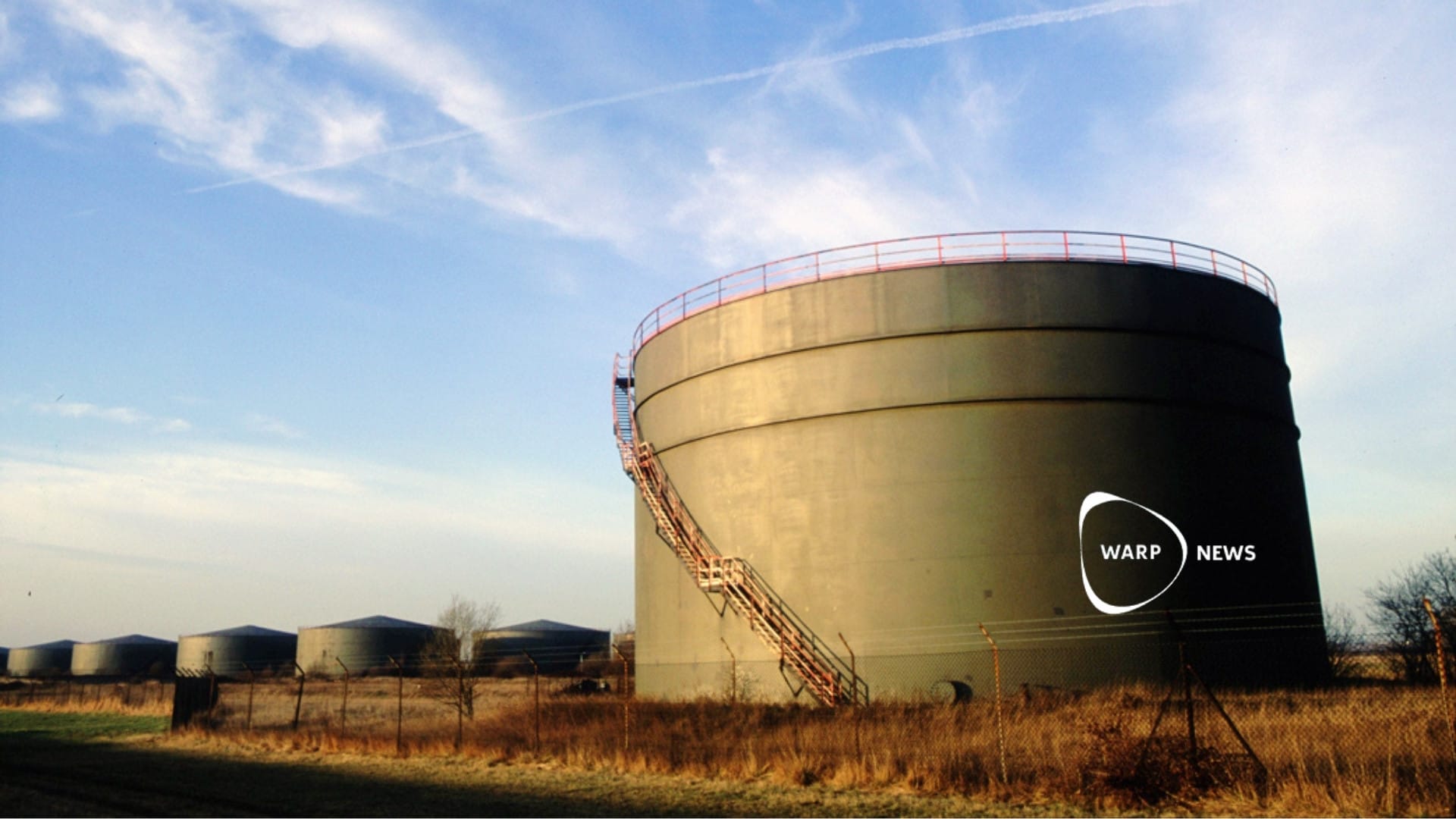
🛢️ Abandoned oil refinery becomes home to 3,200 species
The site hosts almost 12 percent rare, threatened or near-threatened species out of 3,200 documented species in total.

🐆 Endangered Amur leopard population increases to 130 individuals
Researchers' monitoring with over 200 camera traps shows the population is spreading across borders.
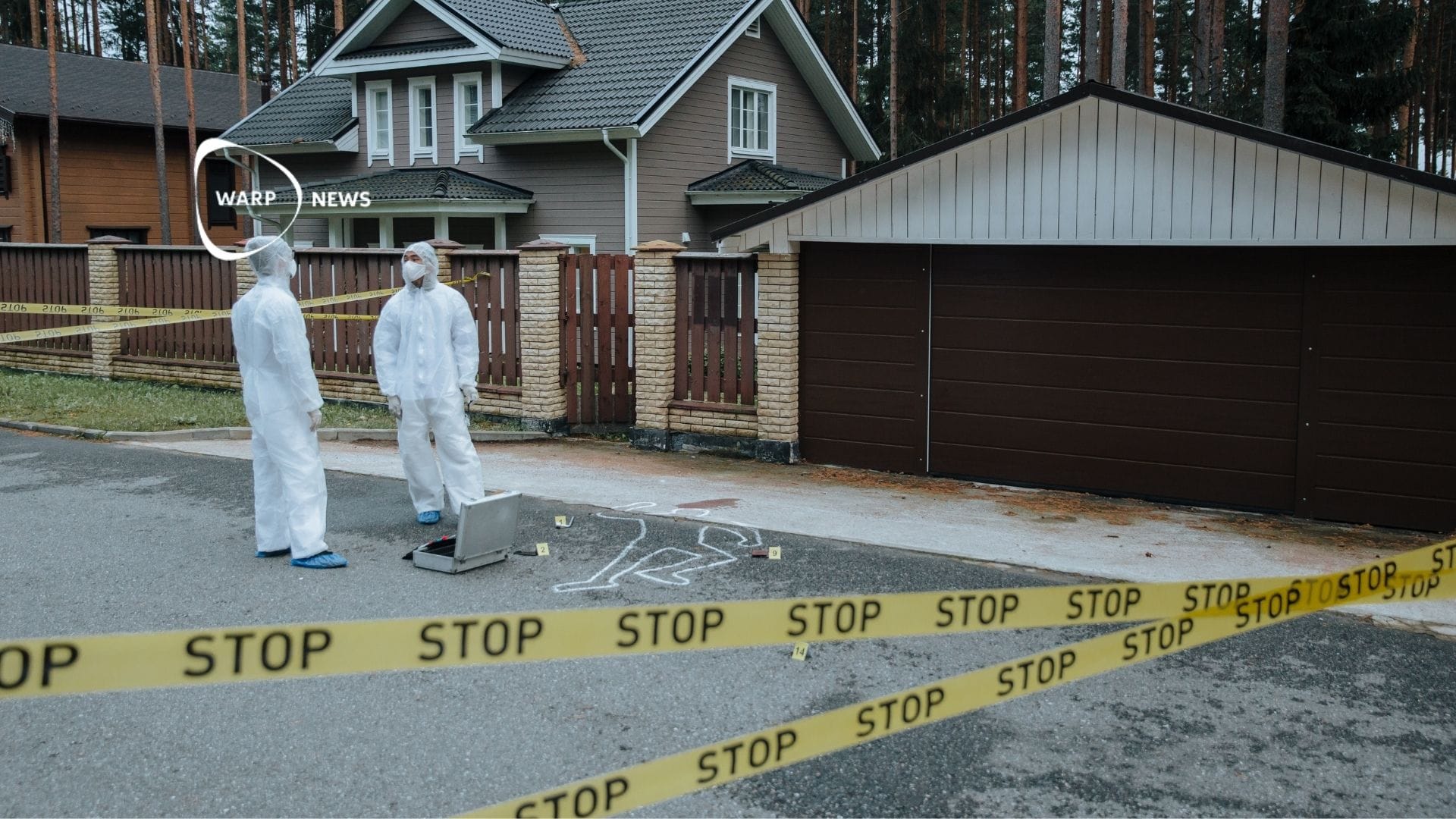
🚨 American cities report sharp decline in violent crime
Over 400 American cities report a 34 percent decrease in murders since the peak in September 2021.
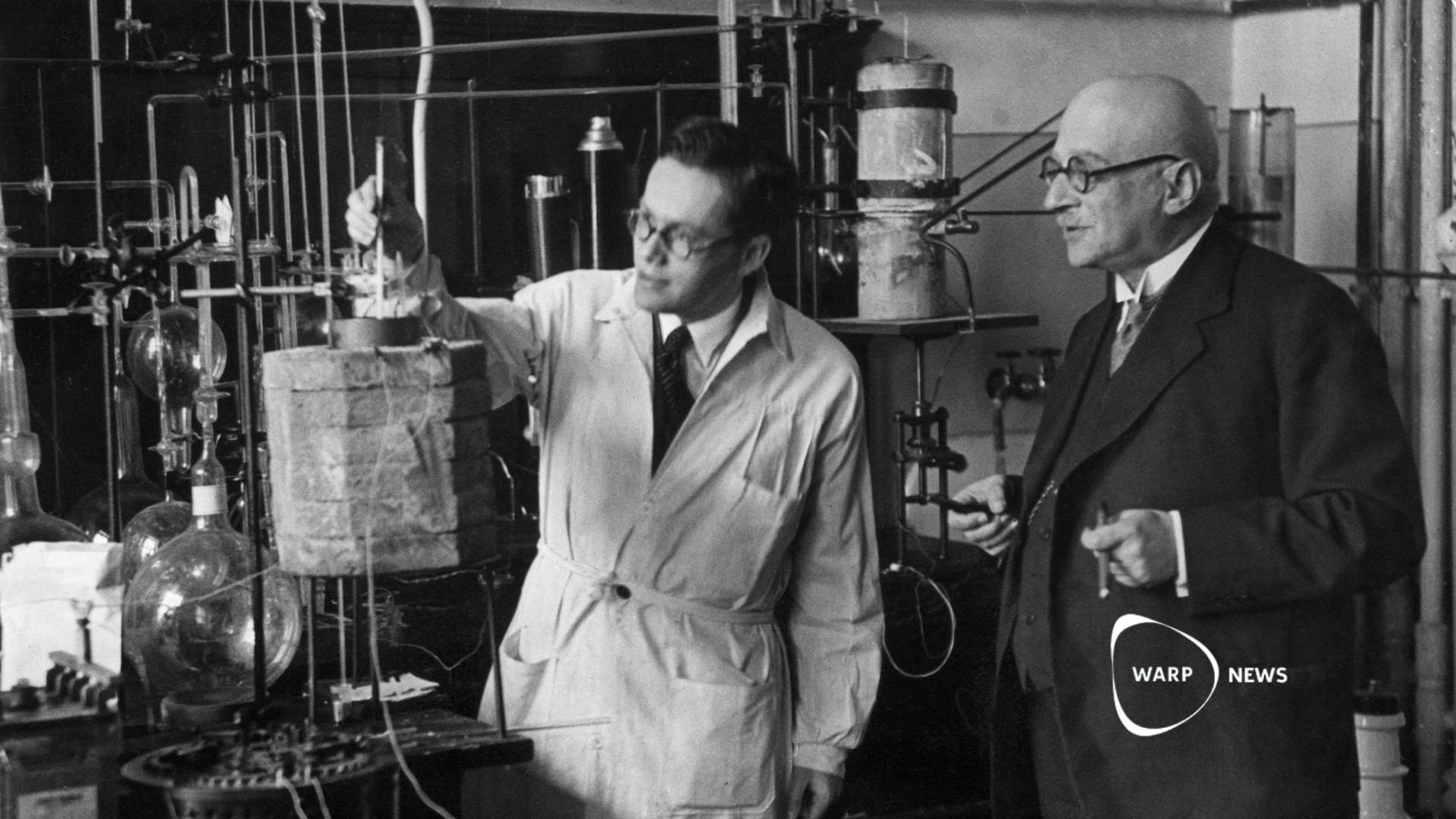
👨🔬 The world’s greatest lifesavers
Here are the people who have the most human lives on their conscience.
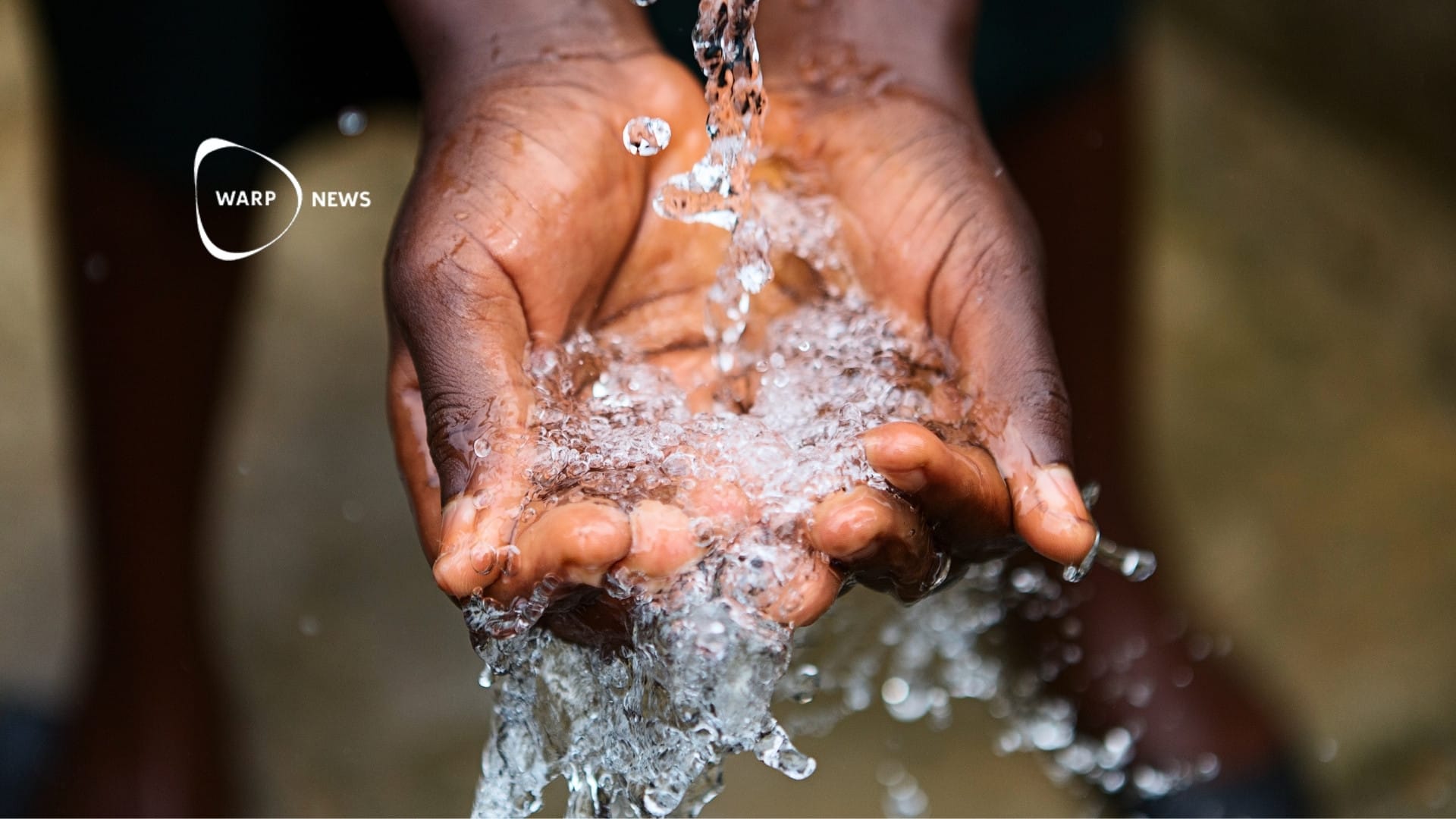
🚰 Nearly one billion people have gained access to clean water in the past nine years
Access to clean drinking water at home has increased from 3.8 to 5.5 billion people over 22 years and by 961 million in the past nine years.

🧒 Child poverty decreases in EU
Housing situation for children has improved and differences between EU countries are decreasing.
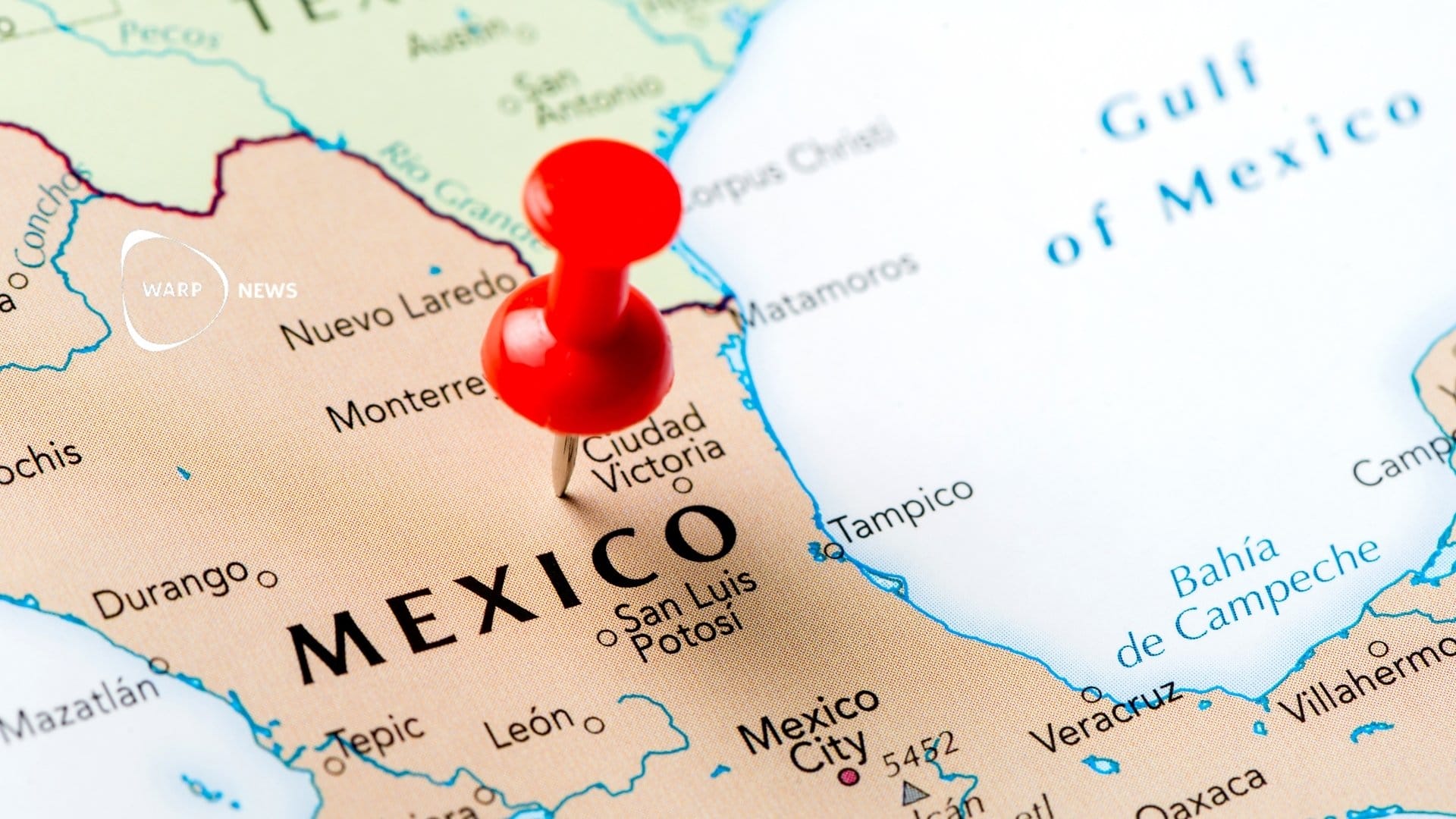
💰 Poverty has decreased by 13 million people in Mexico
The share of the population living in poverty has dropped from 41.9 percent to 29.6 percent.

💖 Risk of dying from cardiovascular disease has decreased by 75% since 1950
Medical advances in drugs, surgery and emergency care have significantly improved survival. Public health efforts have reduced risk factors such as smoking and high cholesterol.