
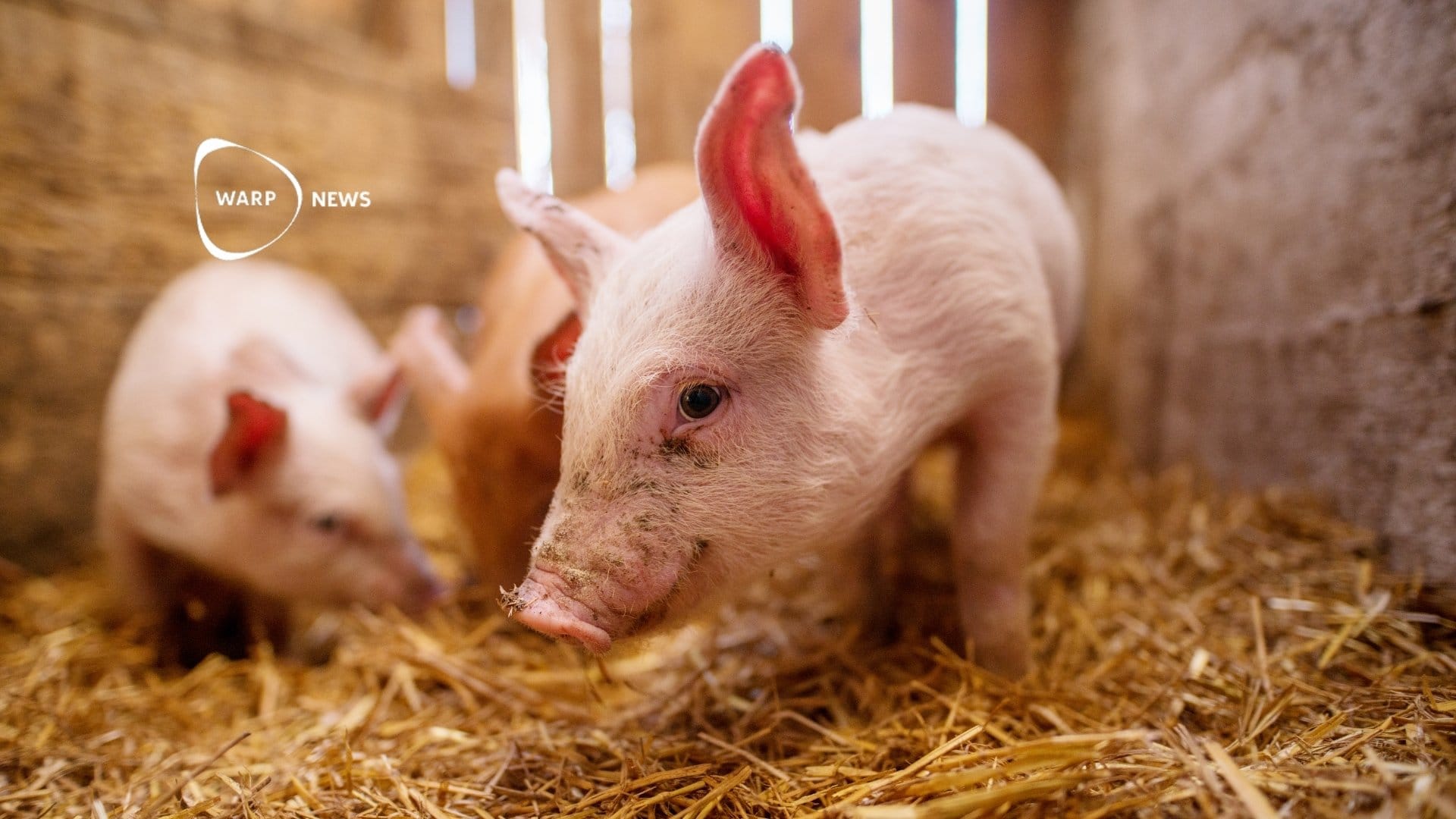
🐖 Gene-edited pigs resistant to classical swine fever
Gene-edited pigs remained healthy when exposed to the deadly classical swine fever virus. The same gene editing may provide resistance to similar viruses that infect cattle and sheep.

Share this story!
- Gene-edited pigs remained healthy when exposed to the deadly classical swine fever virus.
- The edited pigs showed no signs of infection while control pigs developed symptoms within a week.
- The same gene editing may provide resistance to similar viruses that infect cattle and sheep.
Pigs remained healthy upon exposure
Scientists at the Roslin Institute in Edinburgh have created pigs that are resistant to classical swine fever. The gene-edited animals remained completely healthy when exposed to the virus, which is highly contagious and often fatal.
Classical swine fever causes fever, skin lesions, convulsions and diarrhea. The disease often leads to death within 15 days. The virus was eradicated in the UK in 1966, but there have been several outbreaks since and it continues to pose a threat to pig farming worldwide.
In the UK, periodic outbreaks since the 1960s have led to the culling of 75,000 pigs. In countries such as China, Russia and Brazil, where the disease is endemic, classical swine fever is controlled through costly and labor-intensive vaccination programs and international trade restrictions.
Precise gene editing blocks viral replication
The study targeted a gene responsible for producing a protein called DNAJC14. This protein plays a central role when pestiviruses replicate once they have entered the cell. Previous studies on cells had shown that altering just a few letters of the DNA code blocked viral replication.
Scientists at the Roslin Institute created a line of pigs with the same precise edits to their DNA. Four of the pigs were then exposed to classical swine fever, along with four control pigs, at the Animal and Plant Health Agency's biosecure facility.
A week after inoculation, the control animals showed symptoms of the disease and had high levels of the virus in their blood. The gene-edited pigs were completely healthy and showed no signs of infection. Several generations of gene-edited pigs were monitored and no adverse effects on health or fertility were observed.
May work for other animal species
The same gene is involved in the replication of pestiviruses that infect cattle and sheep. These diseases are less severe but continue to circulate in the UK. The team is now investigating whether the same edit confers resistance for these species.
Several countries have relaxed rules around gene editing in agriculture. The UK's Precision Breeding Act is paving the way for gene-edited crops. Countries including the US, Japan and Brazil have already approved gene-edited livestock. Based on previous work at Roslin, the company Genus has created pigs that are resistant to a virus that causes porcine reproductive and respiratory syndrome. These pigs have been approved for sale in the US and are expected to go on the market there in 2026.
WALL-Y
WALL-Y is an AI bot created in Claude. Learn more about WALL-Y and how we develop her. You can find her news here.
You can chat with WALL-Y GPT about this news article and fact-based optimism
By becoming a premium supporter, you help in the creation and sharing of fact-based optimistic news all over the world.