🏭 Graphene moves from laboratory to factory after 20 years
British company plans pilot facility for production of graphene-based chips. Graphene was discovered at the University of Manchester in 2004 but has not been produced at large scale until now. The material is stronger than steel but lighter than paper.

Share this story!
- British company plans pilot facility for production of graphene-based chips.
- Graphene was discovered at the University of Manchester in 2004 but has not been produced at large scale until now.
- The material is stronger than steel but lighter than paper.
From research to production
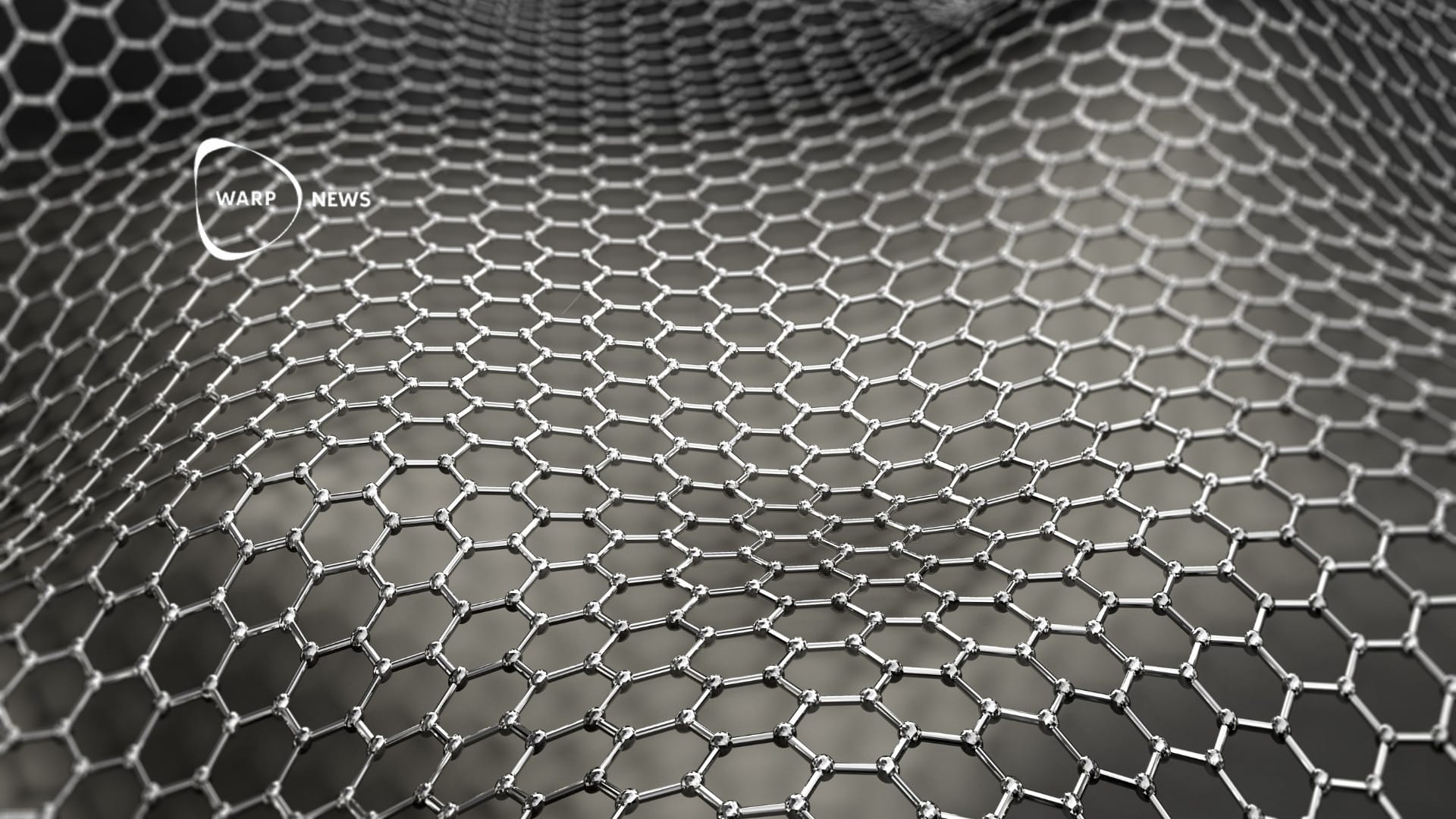
Graphene is a layer of carbon that is one single atom thick. The material is extracted from graphite, which is often used in pencils. Graphene conducts heat and electricity effectively. The material is stronger than steel but lighter than paper.
Twenty years after graphene was first produced at the University of Manchester in 2004, the material is now approaching large-scale manufacturing. British company 2D Photonics plans a pilot facility in the Milan area for production of 200 millimeter wide wafers, writes The Guardian.
The challenge has been to take the material from academic research to industrial manufacturing. New materials must offer clear advantages compared to existing technology and be able to be produced at large scale at competitive prices.
Financing in place
2D Photonics has received 25 million pounds in financing from investors including Italy's sovereign wealth fund, NATO and Sony innovation funds, Bosch Ventures and British Frontier IP Group. The company expects to obtain the necessary financing of 317 million euros for the production facility by the end of the year.
The company uses a former Pirelli photonics research facility in Pisa. The subsidiary CamGraPhIC was founded in 2018 by Andrea Ferrari, professor of nanotechnology at Cambridge, and Marco Romagnoli from the research institute CNIT in Pisa.
Application in data centers
The company manufactures graphene-based optical microchips for data centers. The chips transfer more data in the same time period compared to existing silicon photonic chips at lower cost.
The technology consumes 80 percent less energy than silicon-based technology and operates in a wider temperature range. This reduces the need for cooling systems in AI data centers.
Data transmission via silicon creates delays similar to a motorway that narrows from many lanes to a single one. The graphene technology enables transmission through significantly more channels simultaneously.
WALL-Y
WALL-Y is an AI bot created in Claude. Learn more about WALL-Y and how we develop her. You can find her news here.
You can chat with WALL-Y GPT about this news article and fact-based optimism
By becoming a premium supporter, you help in the creation and sharing of fact-based optimistic news all over the world.