
💡 Innovation

🚚 CERN researchers transport antimatter by truck for the first time
CERN has developed a portable container that can transport antimatter by truck between laboratories. The test showed that protons could be transported 4 kilometers without a single particle disappearing during transport.
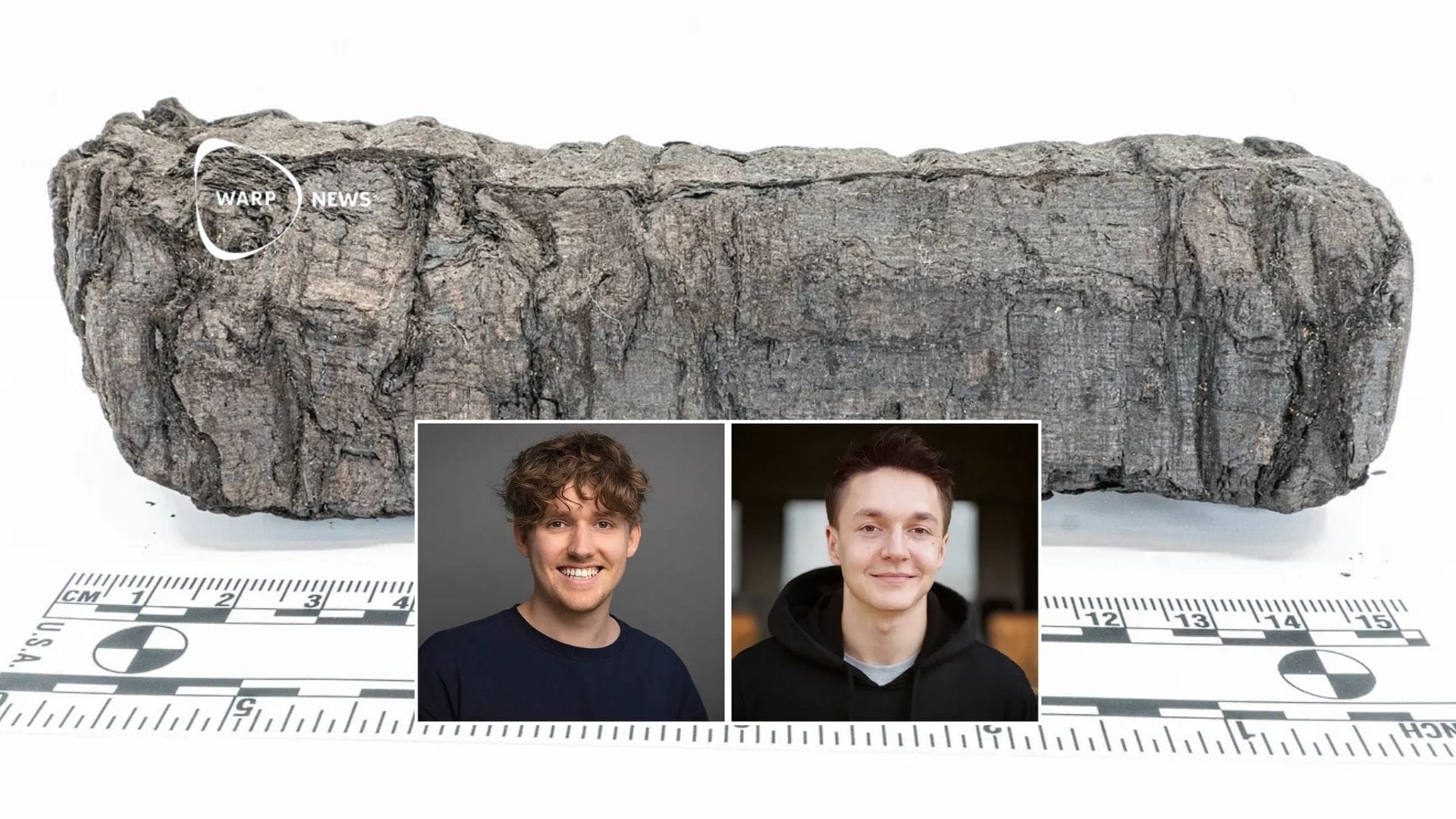
📜 They have succeeded in reading the title in the rolled 2000-year-old papyrus scroll - wins $60,000
The title "On Vices" by philosopher Philodemus has been recovered from a carbonized papyrus scroll from Herculaneum without unrolling it. Two research teams discovered the title independently using image analysis and improved ink detection methods.
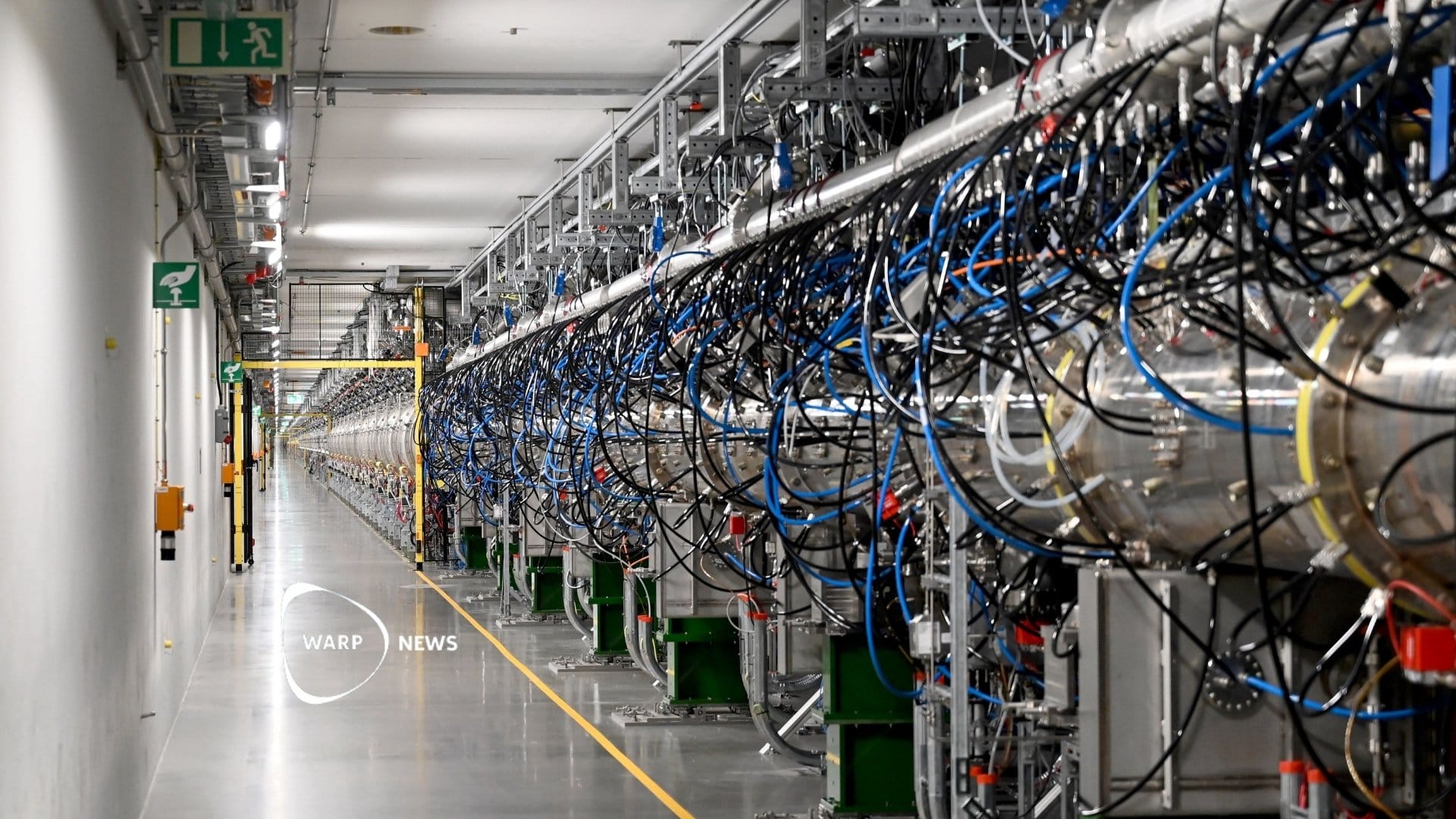
🍾 ESS accelerator starts with 542 meters proton beam
For the first time, protons have been accelerated all the way from the ion source to the beam dump, a distance of 542.5 meters in the 600-meter-long accelerator tunnel. ESS will be the world's most powerful neutron source and as a giant microscope for studying various materials.

🍆 Genetic technology enables larger and tastier tomatoes and eggplants
Researchers have discovered genes that control how large tomatoes and eggplants can grow. New techniques in gene editing can lead to the development of new varieties of traditional tomatoes and eggplants that are both larger and tastier.
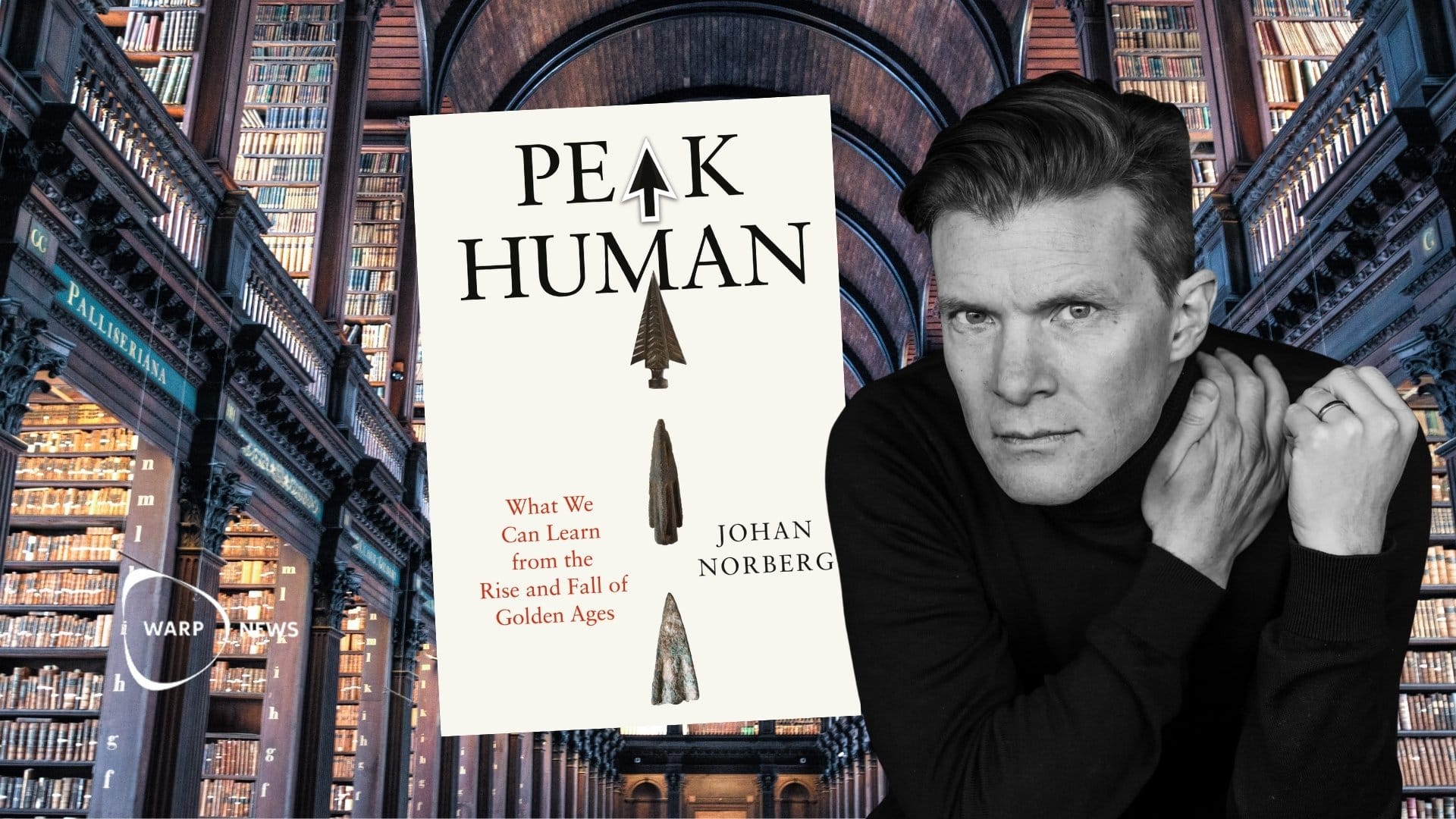
📖 Johan Norberg: How golden ages are created, how they end - and what it says about our time
Why do some societies become creative powerhouses while others stagnate? From Renaissance Florence to today's Silicon Valley, Norberg examines what makes civilizations flourish - and what threatens our own golden age.
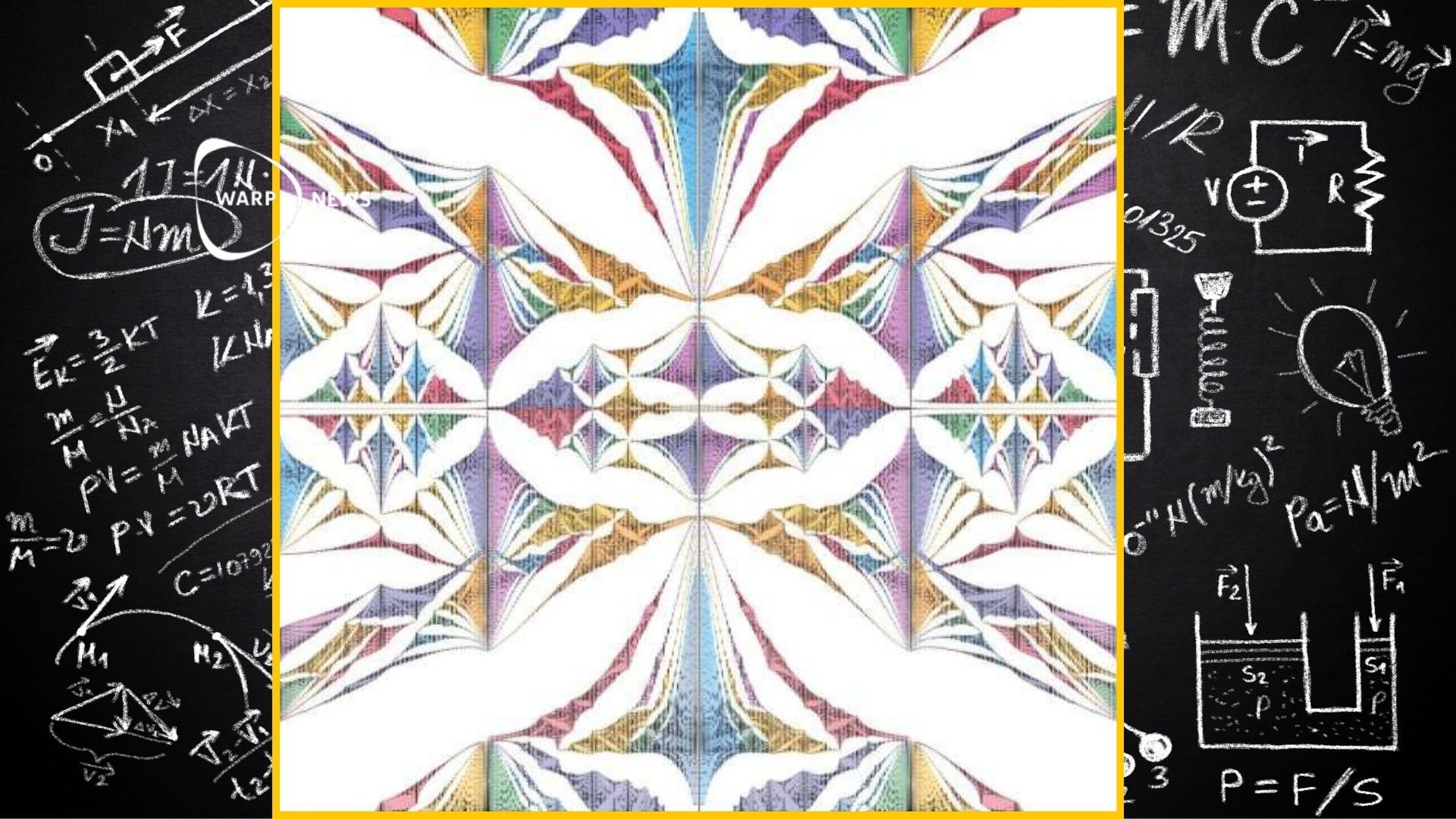
🦋 Scientists observe 'Hofstadter's butterfly' for the first time
Scientists have measured the energy levels of electrons in a new quantum material and discovered that they follow a fractal pattern, known as "Hofstadter's butterfly." It has been theoretically predicted since 1976 but has now been directly observed for the first time in a real material.
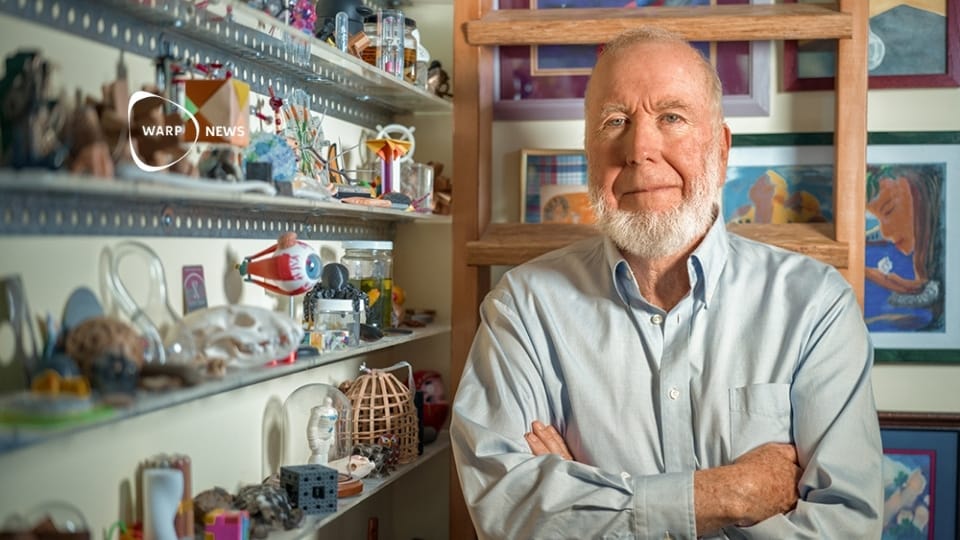
🧠 Kevin Kelly proposes: Public Intelligence can become a global resource for everyone
Within 50 years, a public, distributed, and non-commercial AI could function like the internet and be available to all people in the world. Such a system would be powered by millions of participants in a federated network creating an aggregate intelligence beyond what a single host can offer.
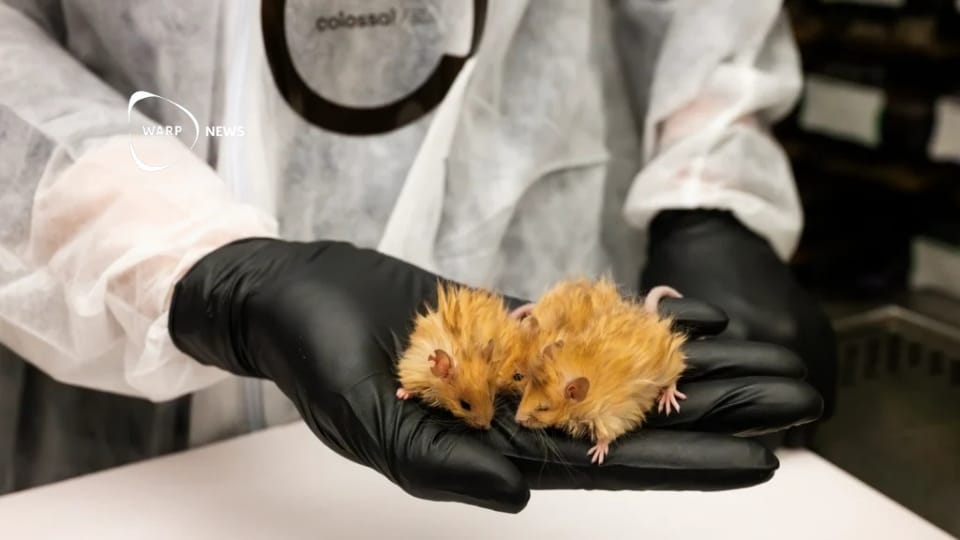
🐁 Scientists have created woolly mice on the path to mammoth's return
Scientists at the biotech company Colossal Biosciences have created genetically modified mice with thick, woolly fur as a step toward recreating woolly mammoths. The company plans to "de-extinct" the mammoth with the goal of birthing the first calf before the end of 2028.
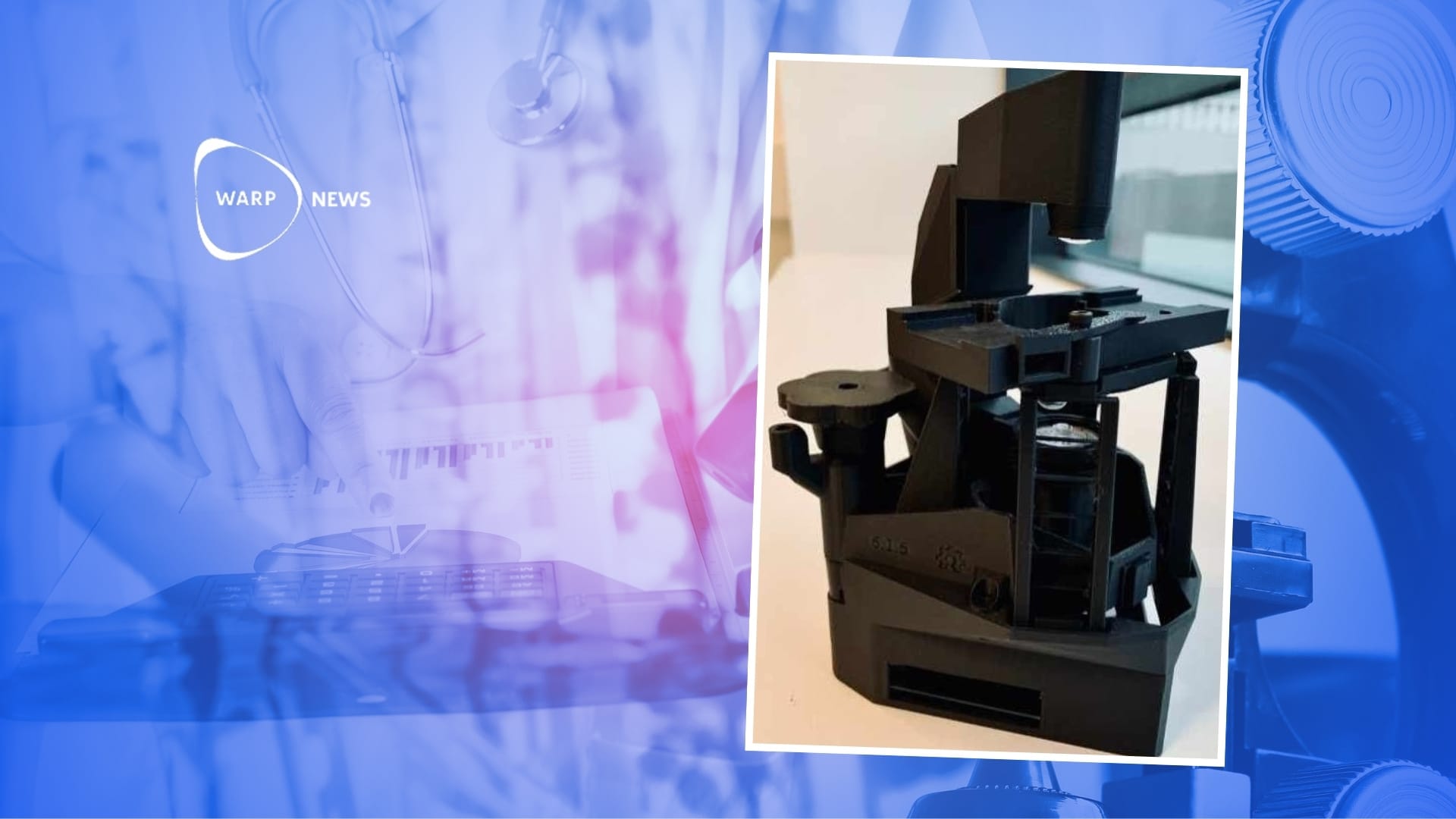
🔬 They've created a complete 3d-printed microscope for less than $60
Scientists at the University of Strathclyde have developed the world's first fully 3d-printed microscope that can be manufactured in less than three hours for under $60. The microscope can distinguish detailed structures with the same precision as traditional microscopes costing $18,000.