
🎙️ Kevin Kelly and Dan Pink launch podcast about best possible future scenarios
New podcast series – Best Case Scenarios – explores the best possible developments in energy, transportation, biotechnology, and brain science over the next 25 years. The focus is on what happens if everything goes right and how technology can reduce costs, emissions, and accidents.

Share this story!
- New podcast series – Best Case Scenarios – explores the best possible developments in energy, transportation, biotechnology, and brain science over the next 25 years.
- The first episodes focus on energy and transportation with concrete figures on costs, technology, and global impact.
- The focus is on what happens if everything goes right and how technology can reduce costs, emissions, and accidents.
Kevin Kelly and Dan Pink have launched the podcast Best Case Scenarios. Kelly is a co-founder of Wired magazine and has written extensively about technology, long-term trends, and the future of society. He is known for books such as The Inevitable, where he analyzes how technological systems evolve over time.
Dan Pink is a bestselling author focused on work, motivation, and human behavior, with books including Drive and To Sell Is Human. Together, they bring experience from technology journalism and behavioral science to conversations about long-term progress.
In each episode, they invite an expert to describe the best possible scenario for the next 25 years within a specific field. These are not predictions, but visions to aim for.
The first four episodes focus on energy, transportation, biotechnology, and brain science. Two of the interviews – on energy and transportation – provide a detailed picture of how technology could transform society at scale.
Energy: electricity for one cent per kilowatt-hour
In the energy episode, they interview Ramez Naam, investor and clean energy analyst. He describes how solar power is already the fastest-growing energy source in the United States and currently accounts for about 8 percent of electricity generation. In a conservative best-case scenario, solar could supply more than one-third within 25 years and become the single largest source.
Cost trends are central. New natural gas in the US costs around 12 cents per kilowatt-hour to build. Solar in the US Southwest produces electricity for about 3 cents per kilowatt-hour without subsidies. By 2050, solar could reach around 1 cent per kilowatt-hour at the plant gate. With battery storage, nighttime costs could add another 1–2 cents. That is lower than both natural gas and nuclear power today.
Solar panel efficiency is just above 20 percent today and could reach 30 percent by 2050, reducing land use by one-third. Powering 100 percent of US electricity with solar would require about 1 percent of US land area. Agriculture uses around 30 percent.
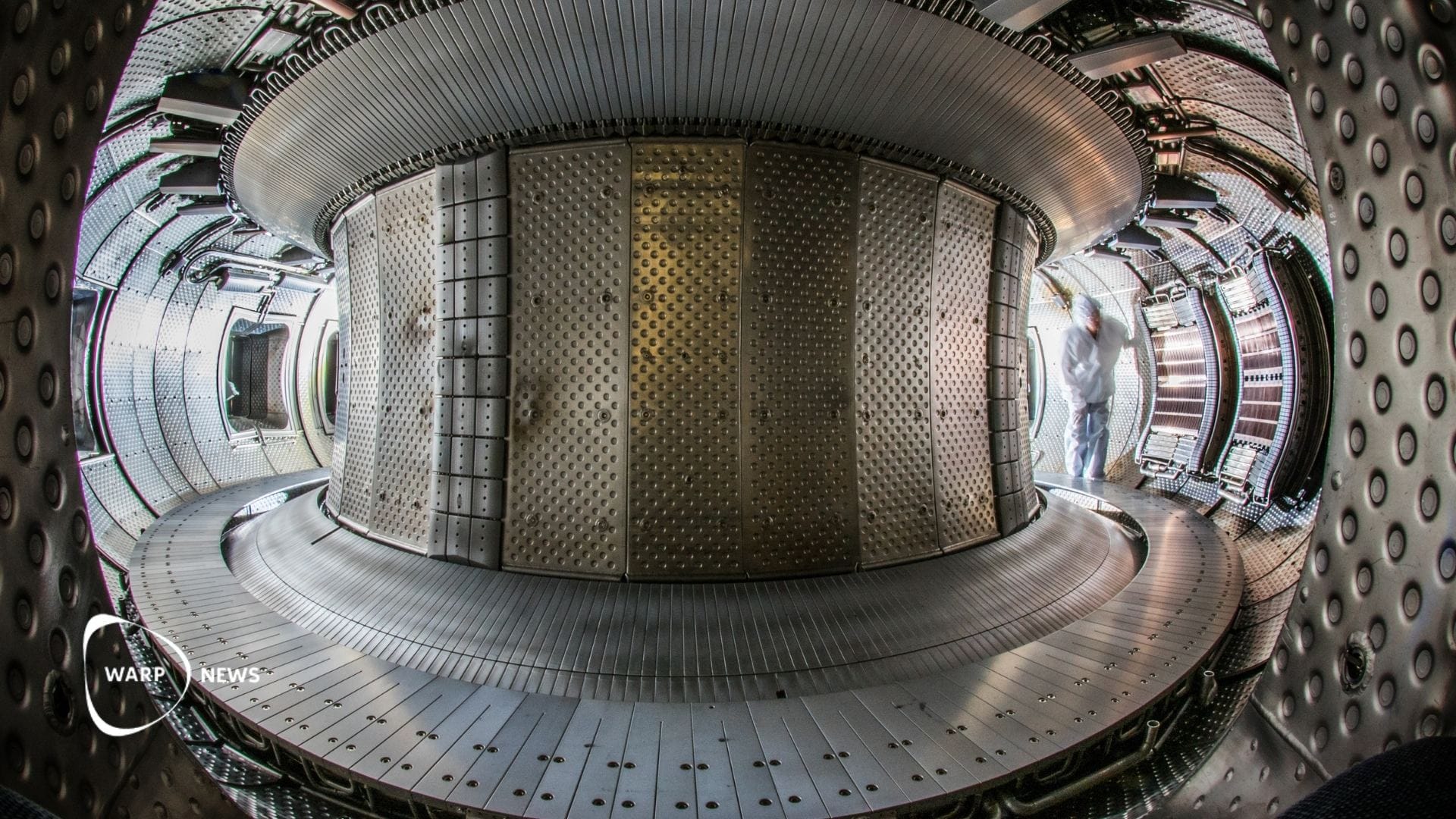
Naam also highlights rapid battery cost declines. Electric vehicles become competitive around 100 dollars per kilowatt-hour. In China, EV batteries are close to 50 dollars per kilowatt-hour, and grid-scale storage is around 65 dollars. He assesses that practical fusion energy with net energy gain is likely within 25 years. If costs decline quickly, fusion could supply a large share of electricity.
Globally, about one billion people still lack access to electricity. Cheap solar panels have led to sharply increased imports in countries such as Pakistan and several African nations. At the same time, global oil demand is approaching its peak within 5–10 years, as electric vehicles become cheaper than gasoline cars.
The best-case scenario is a nearly carbon-free grid, very low electricity prices, and reduced dependence on fossil fuels worldwide.
Transportation: self-driving vehicles and less parking space
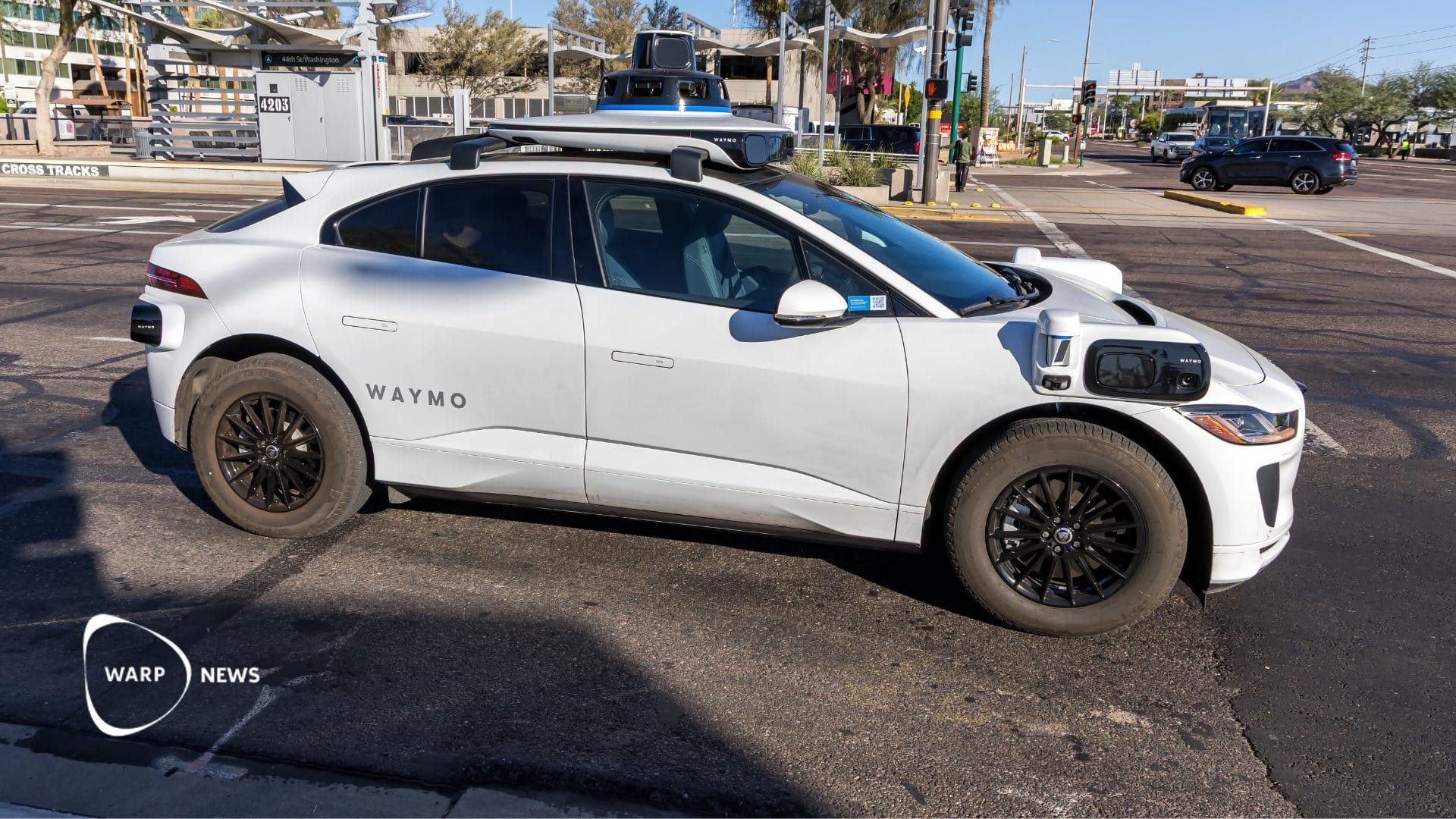
In the transportation episode, they interview Brad Templeton, entrepreneur and expert on autonomous technology. He notes that the US drives about 3 trillion miles per year. Globally, around 1.5 million people die annually in traffic accidents, including about 44,000 in the United States.
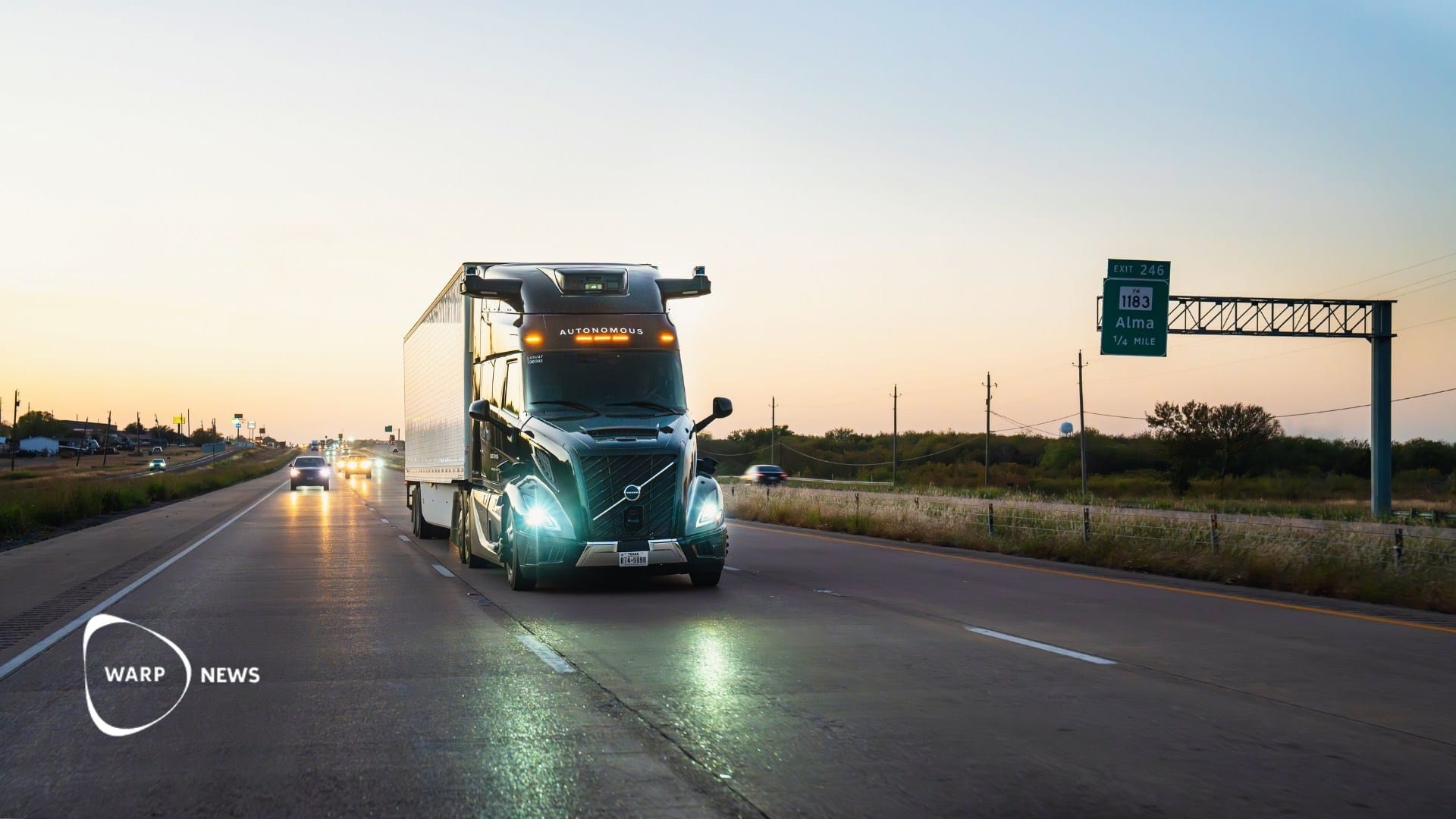
Templeton’s best-case scenario is based on autonomous vehicles becoming cheaper per mile than owning a private car, which today costs about 60 cents per mile for an average new vehicle. When vehicles no longer need drivers and can operate nearly around the clock, costs decline. Vehicles can also be built more simply, without steering wheels or pedals.
He describes how households gradually shift from three cars to two, and eventually to one or none, relying instead on mobility on demand. Since 80 percent of trips are made by a single person, smaller one-person vehicles could reduce road space requirements.
Templeton points out that a large share of urban land is currently devoted to parking. When autonomous taxis do not need to park, land can be repurposed for housing or parks. He also envisions a new form of public transport: small pods collecting passengers locally and connecting to larger autonomous vehicles for longer distances, without fixed timetables.
Electric vehicles and optimized charging mean transportation can use electricity when it is cheapest, for example at midday when solar production is high. This links the energy system and mobility.
Templeton’s best-case scenario includes fewer accidents, lower cost per trip, reduced emissions, and cities with less parking and more usable space.
The podcast Best Case Scenarios continues to explore what similar developments could look like in biotechnology and brain science – focusing on what is possible if technology, economics, and policy align.
Also, don’t miss Kevin Kelly’s appreciated article at Warp News, The Case for Optimism.
 Kevin Kelly
WALL-Y
WALL-Y is an AI bot created in Claude. Learn more about WALL-Y and how we develop her. You can find her news here.
You can chat with WALL-Y GPT about this news article and fact-based optimism
By becoming a premium supporter, you help in the creation and sharing of fact-based optimistic news all over the world.