
Mammoth
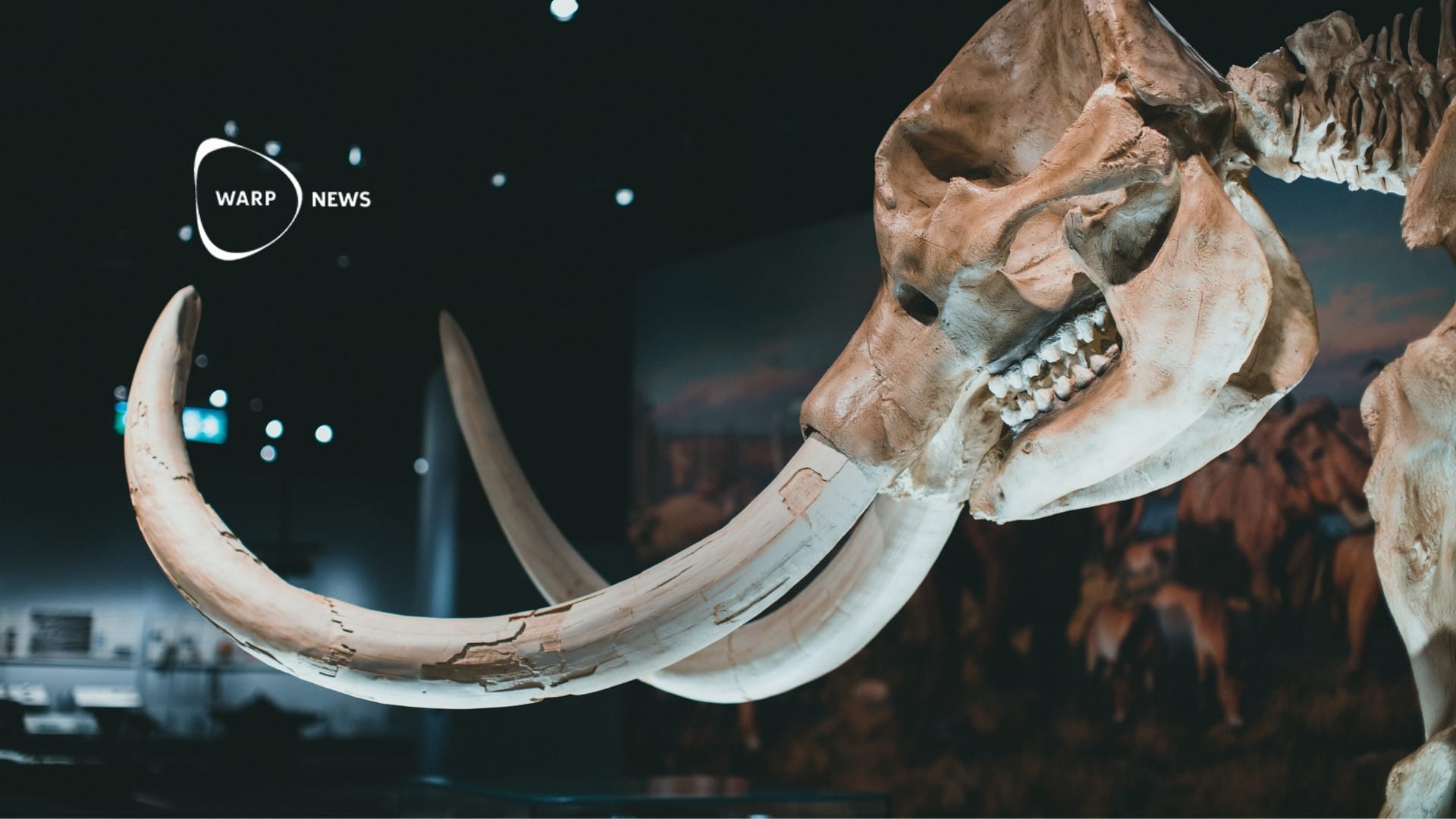
🧬 Scientists have for the first time sequenced RNA from 40,000-year-old mammoth
The RNA shows which genes were active in the muscles just before the mammoth died, providing direct evidence of gene regulation in real time. The results show that RNA can survive much longer than previously thought, opening up the possibility of studying RNA viruses from the Ice Age.

🧬 Reconstructed genome may help us revive the mammoth
Scientists have succeeded in reconstructing the mammoth's genome and the 3D structure of its chromosomes from a 52,000-year-old tissue sample. The study shows that the mammoth's genome structure is similar to that of the modern elephant, which could facilitate the revival of the mammoth.

🧬 Reviving the mammoth is getting closer
Colossal Biosciences has succeeded in creating elephant cells that can be reprogrammed into various cell types, including those required to create a mammoth. This success opens new possibilities for research around extinct species and the conservation of endangered species.