
Nature
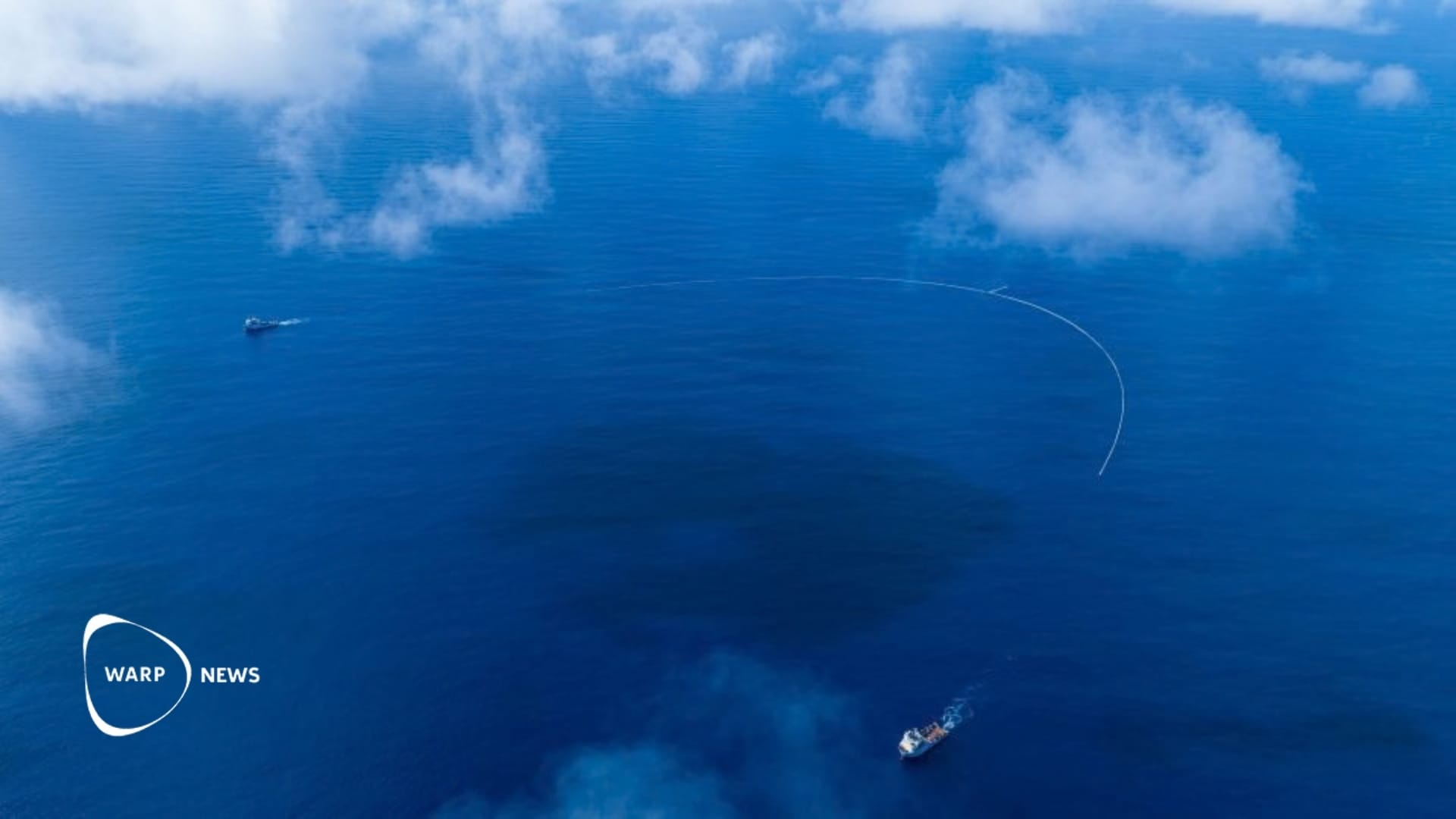
🚯 Over 25 million kilograms of trash removed from oceans and waterways in 2025
The organization's total amount of collected trash has now surpassed 45 million kilograms. A new program, the 30 Cities Program, will tackle a third of all plastic waste reaching the oceans from the world's most polluted urban areas.
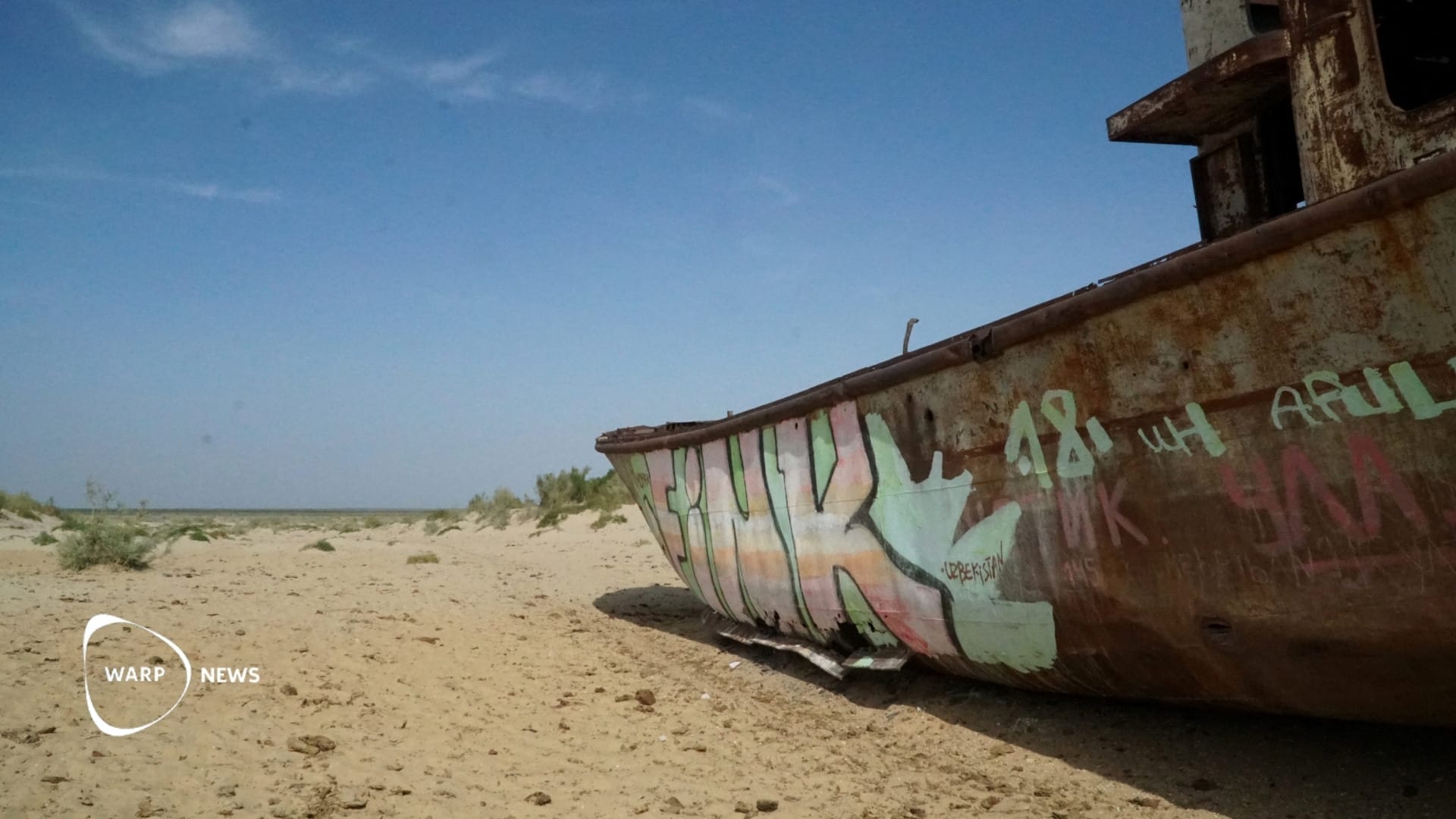
🌊 The Soviet Union drained the Aral Sea – now it's filling up again
The Aral Sea was once the world’s fourth-largest lake. When the Soviet Union diverted two rivers for cotton farming, it shrank rapidly. Now the trend has reversed: the North Aral Sea’s surface has grown by 36% in 20 years, water volume has nearly doubled, and 20 fish species have returned.
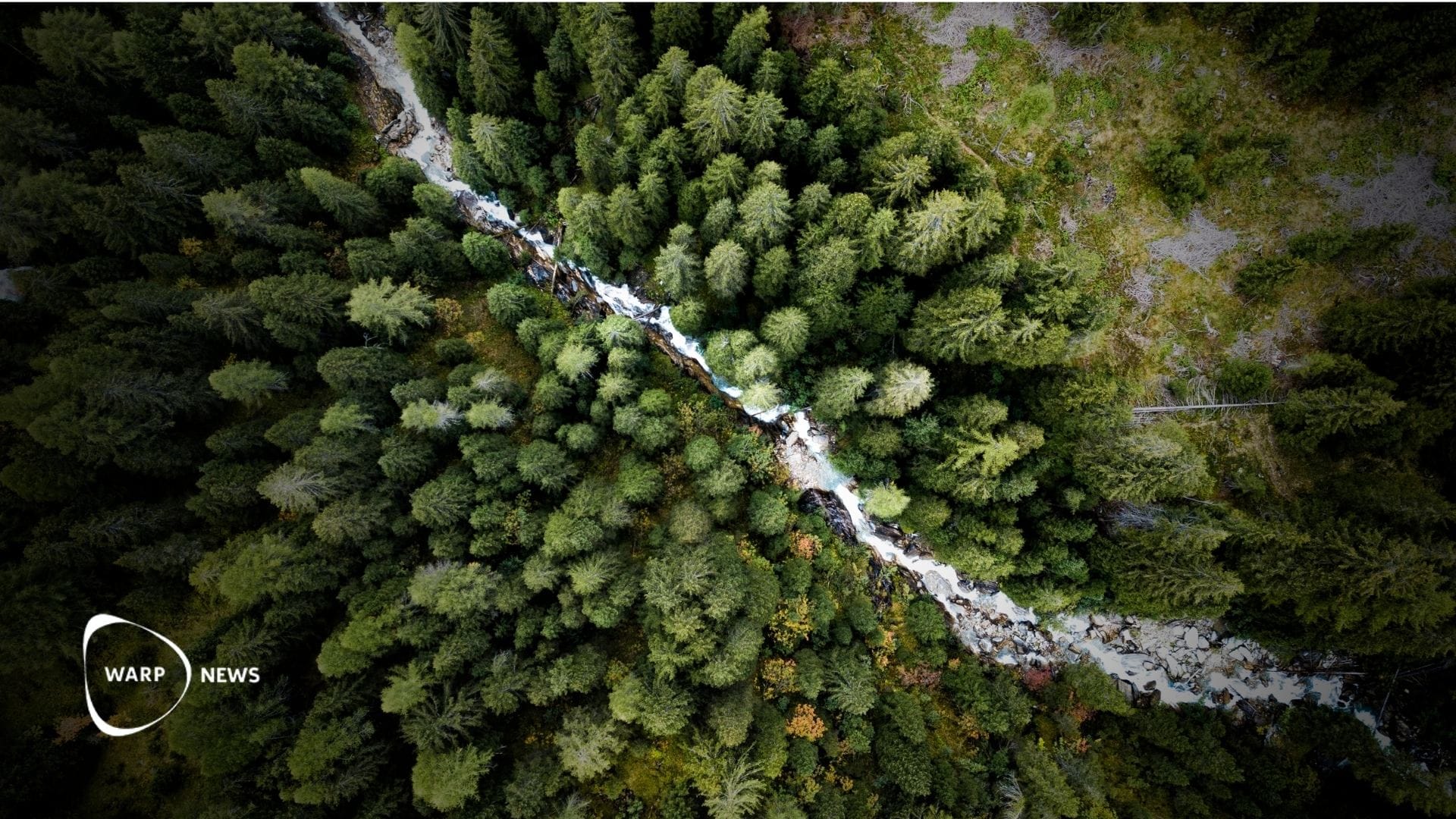
🌲 Deforestation is slowing down – forests are expanding in more and more regions
In the past, forests around the world were cut down on a massive scale. But that has changed in recent decades. Deforestation still continues in some regions, but in others the trend has reversed. Forest area is now increasing in more parts of the world than it is decreasing in.
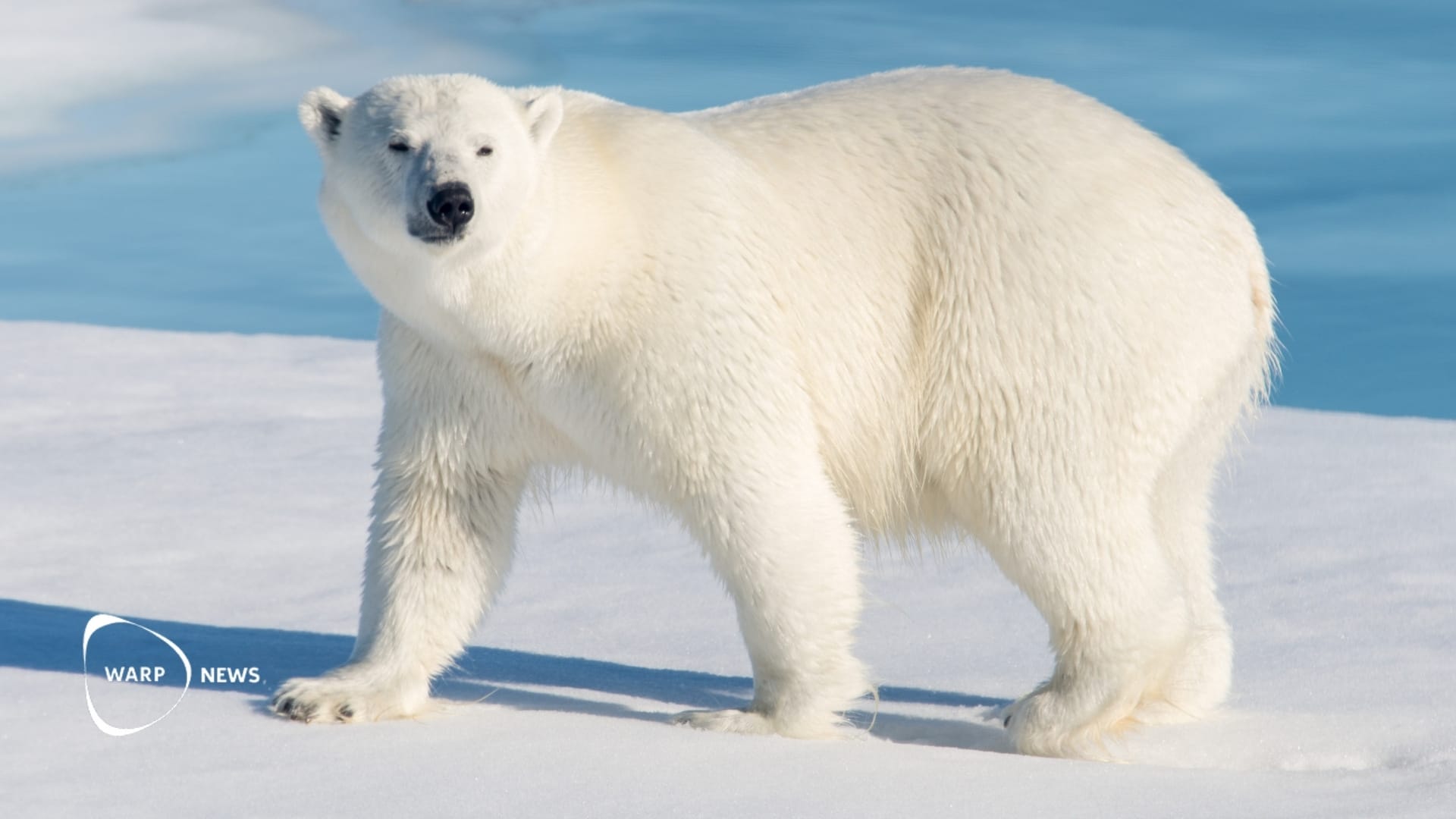
🐻 Polar bears in Svalbard are thriving despite rapid sea ice loss
Researchers studied 770 adult polar bears in Svalbard between 1995 and 2019 and found that their body condition improved after 2000. The Barents Sea has lost sea ice faster than any other area where polar bears live, but the bears showed no signs of deteriorating health.
🔬 Microplastic levels in the atmosphere much lower than previously thought
New estimates show that the amount of atmospheric microplastics is 100 to 10,000 times lower than researchers previously calculated. The study compiled 2,782 measurements from 283 locations worldwide to create a reliable global baseline.

💧 California completely drought-free for the first time in 25 years
California has no dry areas for the first time since 2000 according to the US Drought Monitor. Heavy winter rains have filled the state's reservoirs far above historic averages.

🐟 São Paulo's river was an open sewer – after major cleanup life returns to the water
The Novo Rio Pinheiros program has installed 280 kilometers of sewage networks and given more than 7,000 households access to basic sanitation. Two million residents have stopped dumping sewage into the Pinheiros River, and 173,000 residents along the Zavuvus stream now have clean water.
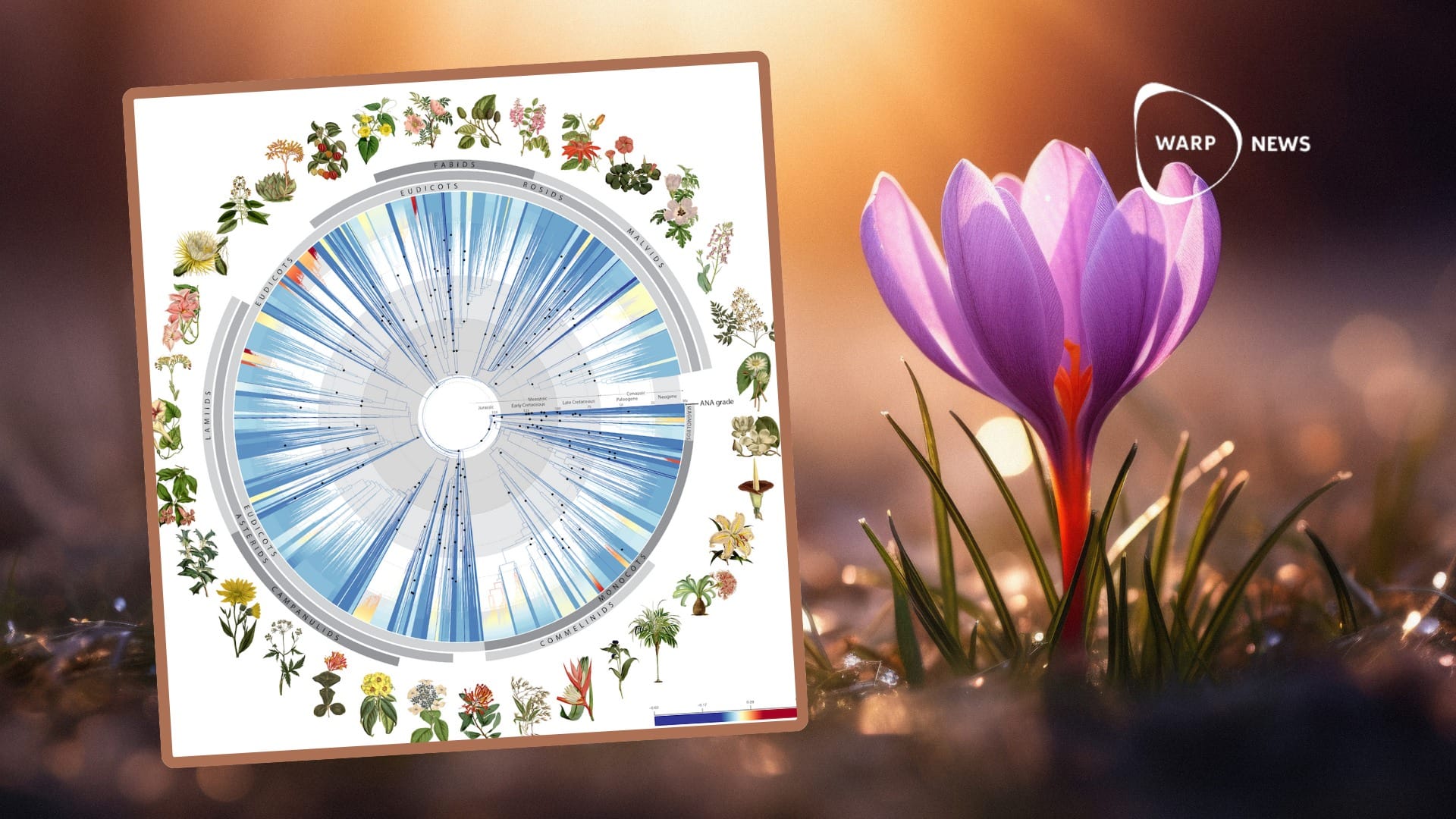
🌼 A periodic table for flowering plants has been created – includes 9,500 species
Researchers analyzed 1.8 billion genetic letters from over 9,500 species of flowering plants. The research reveals the evolutionary history of flowering plants.
💡 Optimist's Edge: Six good reasons for protecting more nature
Most people believe that less nature is protected today compared with 20 years ago. But this is not what reality looks like. Read more about how we can boost both the economy - and our health - by becoming even better at taking care of nature.