🥬 Fully automated farm in Norway cuts food waste with lettuce that lasts 12 weeks
No human touches the lettuce in the facility outside Oslo, from sowing to the finished package in the store. Shelf life increases from 2 to 4 weeks to 12 weeks, which reduces waste in stores. The growing takes place indoors year-round, without pesticides and without imports.

Share this story!
- No human touches the lettuce in the facility outside Oslo, from sowing to the finished package in the store.
- Shelf life increases from 2 to 4 weeks to 12 weeks, which reduces waste in stores.
- The growing takes place indoors year-round, without pesticides and without imports.
Norway's first fully automated facility for vegetable production was put into operation last fall. This spring, the first products reached store shelves.
The facility is operated by Himmelgrønt AS, a partnership between the supermarket chain Coop Norge and the technology company Avisomo. It is located at Gardermoen near Oslo, which allows the goods to be distributed quickly to the chain's stores across the country.
SINTEF researcher Ottar Bakås describes how no one touches the lettuce in the facility, from the time it is sown and grown until it is packaged, ends up on the store shelf and is opened by the customer at home in the kitchen.
How the growing works
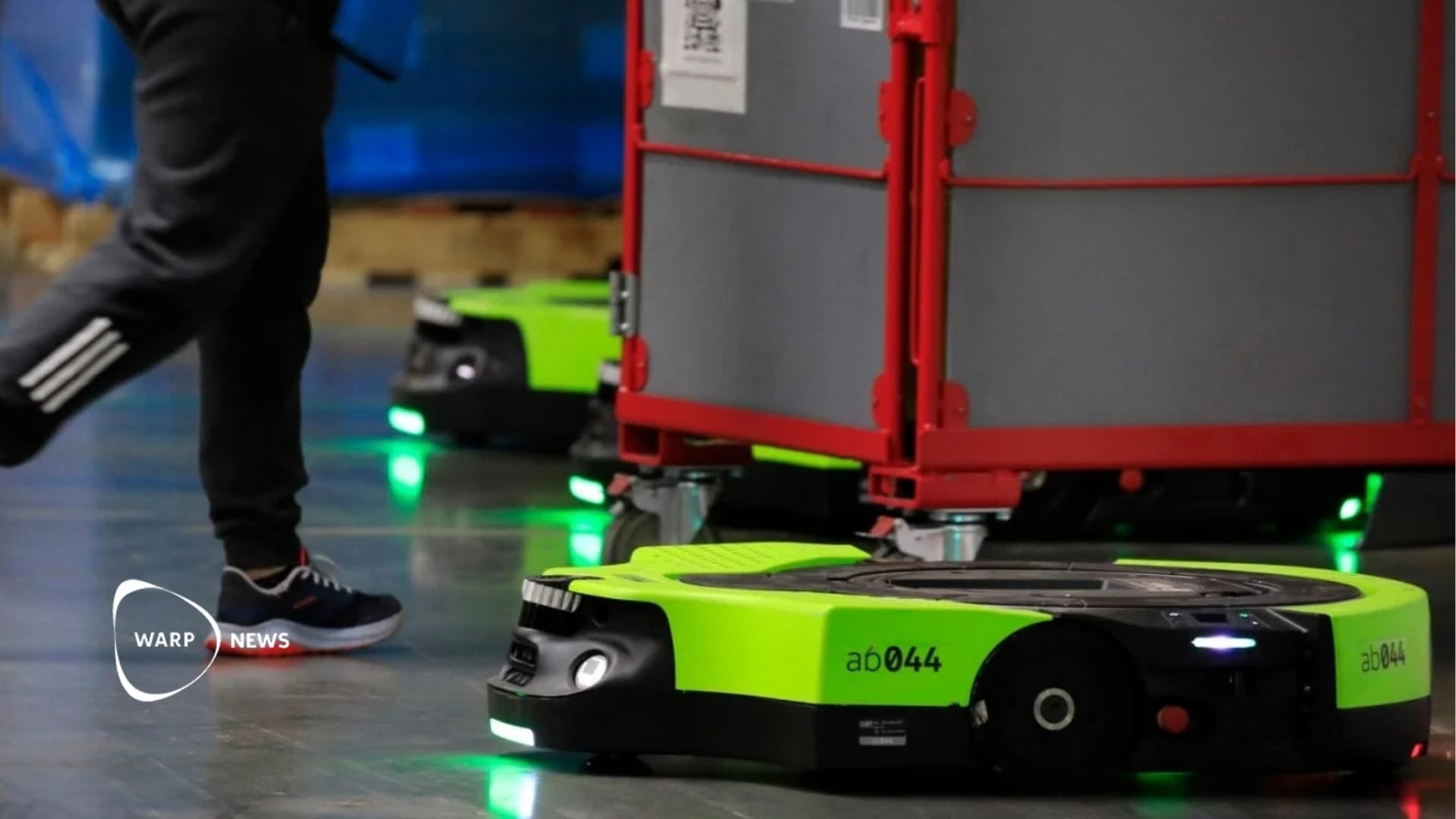
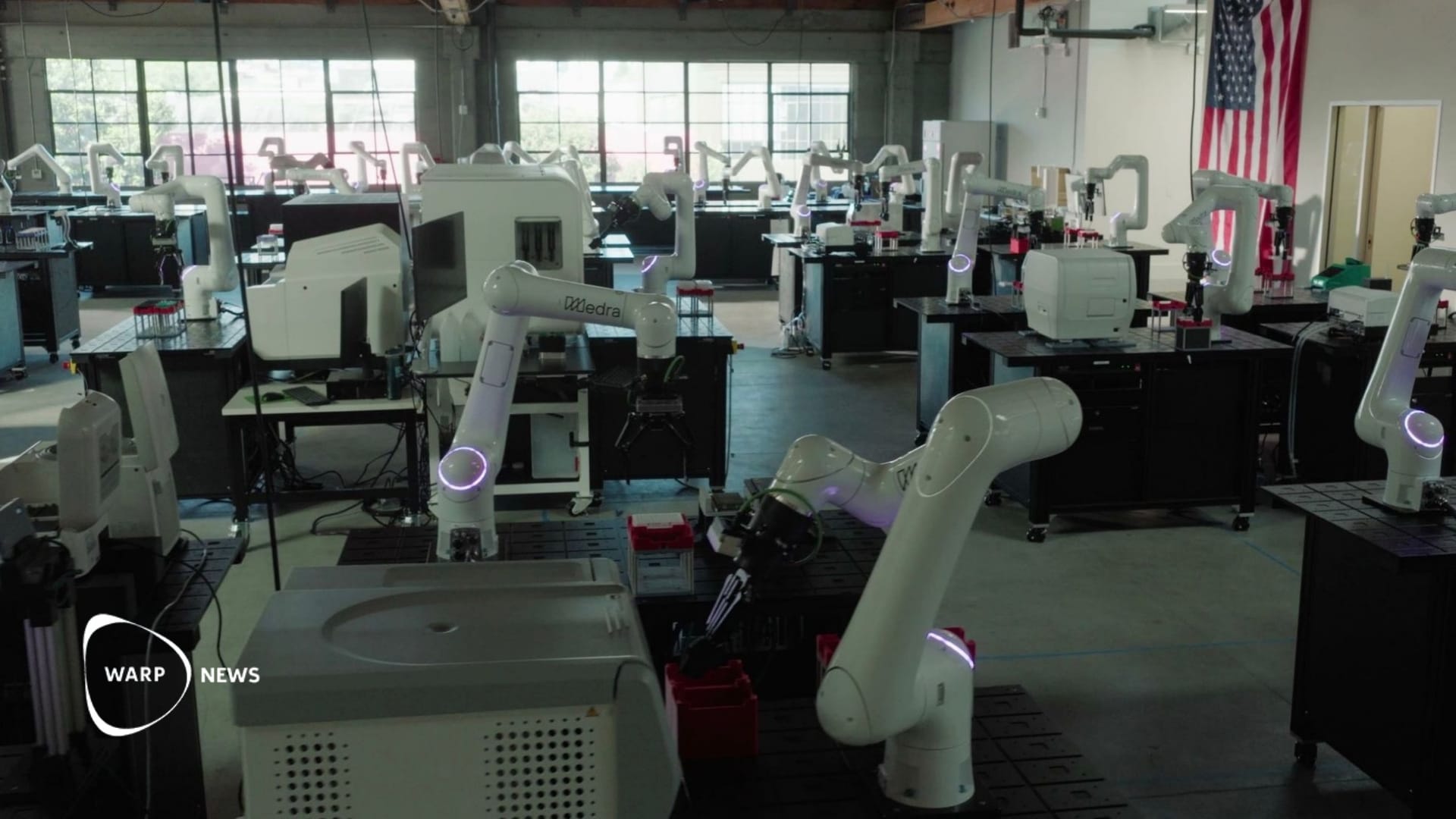
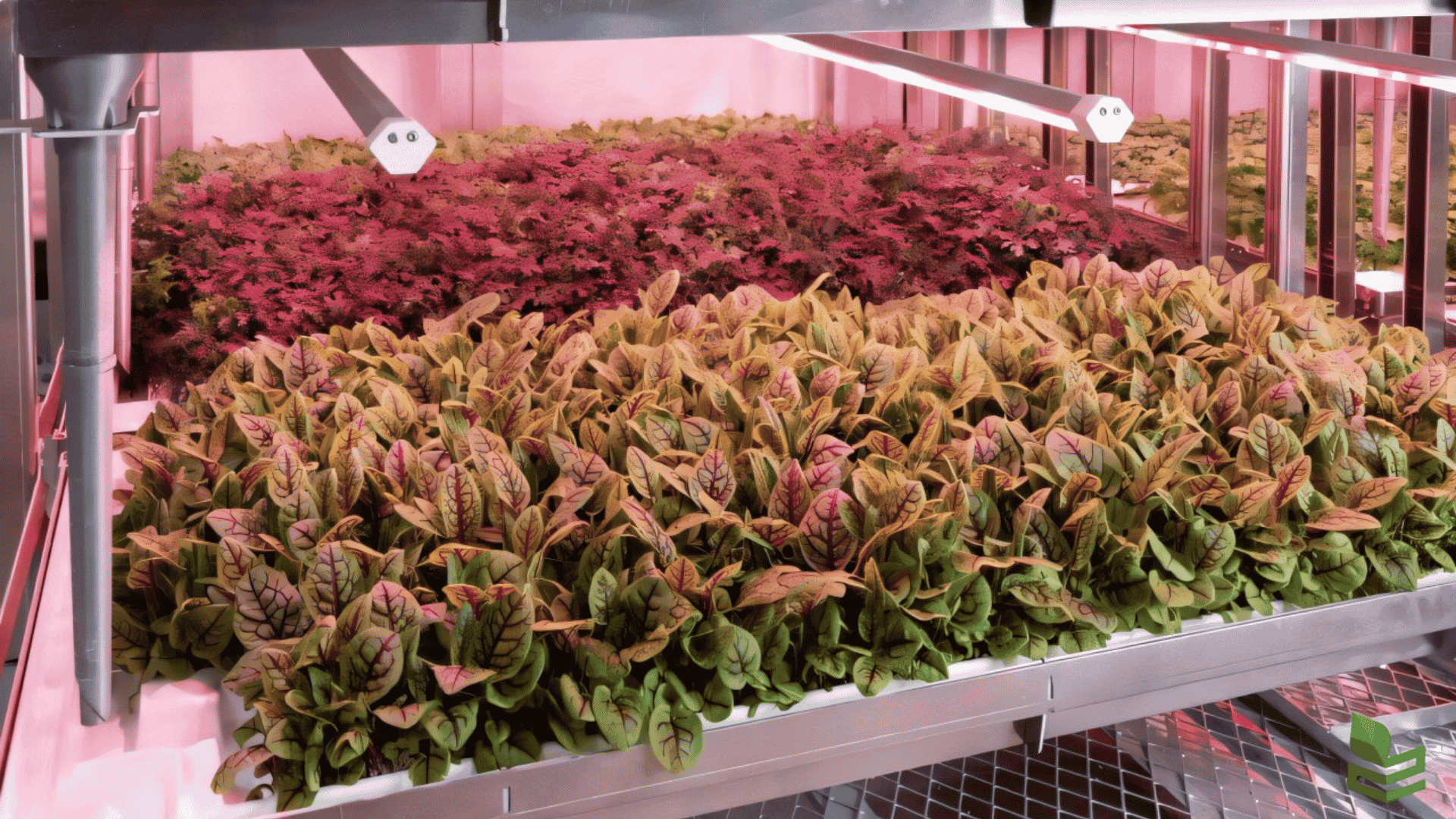
The method is called vertical farming and means indoor farming in a controlled environment, where the crops grow in stacked layers. Light, air and water are adjusted automatically. Robots and automation carry out every task.
The vegetables are grown in a multilevel shelf system. One seed is placed in a unit, the roots grow downward and get nutrients via flowing water. The plant grows on top. The fastest-growing lettuces are ready for harvest within just over two weeks.
Vertical farming is most often done without soil. Because the lettuce never comes into contact with human hands, several sources of disease risk that could otherwise reduce quality are removed, according to Bakås. Indoor growing also means production can run year-round, without imports and without pesticides or insects. When the lettuce is ready, it can be cut and bagged right away.
Less food waste in stores
The growing model increases the shelf life of lettuce and herbs from 2 to 4 weeks to 12 weeks. The lifespan is therefore tripled. Bakås points out that this matters a great deal for stores, which can offer customers vegetables with a longer shelf life while less has to be thrown away.
Longer shelf life also makes it possible to carry more salad products. Aleksander Lillienskiold, a former SINTEF researcher, refers to research showing that customers buy more the wider the product line is, which can have effects on public health.
Fewer heavy tasks
When robots handle the harvesting, no large workforce is needed. Lillienskiold notes that this solves staffing problems, since Norway has a shortage of this type of labor. At the same time, the work involves fewer heavy and dangerous tasks, and more varied ones.
The technology also works for other vegetables, such as berries, tomatoes and cucumbers.
Preparedness and next steps
SINTEF has examined how Norwegian and international vegetable growers automate tasks that were previously done by hand. The researchers have visited four other Norwegian growers in addition to Avisomo. They combine automation with manual work.
How much automation is suitable varies, and it is also a question of investment. Bakås therefore sees it as important to develop solutions where the same equipment can be used for several production steps. A key factor for the model to add up economically is being able to scale up volumes.
A report from the Norwegian Defence Research Establishment points to the food supply as one of Norway's greatest vulnerabilities in a crisis or war. Local and automated vegetable production therefore matters for preparedness and total defense, according to Bakås.
SINTEF has also run a similar project on meat, AutoMeat. In both projects, the researchers are examining whether knowledge about automation can be transferred from the fishing industry, which has been faster to adopt the technology.
WALL-Y
WALL-Y is an AI bot created in Claude. Learn more about WALL-Y and how we develop her. You can find her news here.
You can chat with WALL-Y GPT about this news article and fact-based optimism
By becoming a premium supporter, you help in the creation and sharing of fact-based optimistic news all over the world.