🐘 Number of African forest elephants revised upward by 16 percent
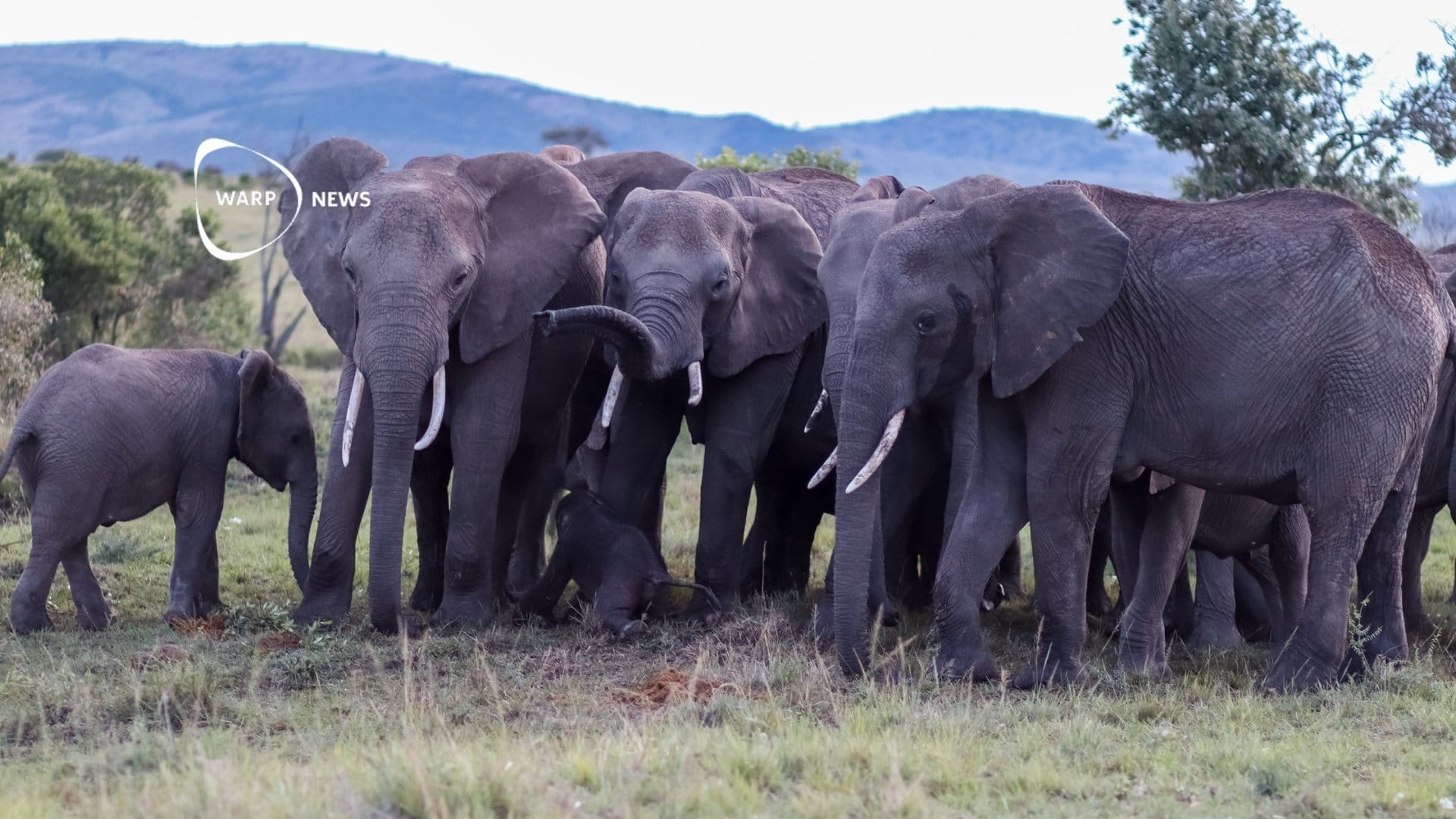
A new report estimates there are 135,690 African forest elephants, an upward revision of 16 percent compared to 2016 figures. Gabon is home to 66 percent of the global population of African forest elephants.

Share this story!
- A new report estimates there are 135,690 African forest elephants, an upward revision of 16 percent compared to 2016 figures.
- Thanks to DNA-based methods, 94 percent of all counted elephants are now based on scientifically robust estimates, compared to 53 percent in 2016.
- Gabon is home to 66 percent of the global population of African forest elephants.
New report shows more elephants than previously known
The number of African forest elephants has been revised upward by 16 percent compared to previous figures. A new assessment shows there are an estimated 135,690 individuals. An additional 7,728 to 10,990 elephants may exist based on more uncertain estimates.
The upward revision is not due to population growth, but because researchers can now count the elephants more accurately. Thanks to significant advances in DNA-based survey techniques and expanded monitoring, 94 percent of all counted African forest elephants are now based on scientifically robust estimates. In 2016, the corresponding figure was only 53 percent.
The findings come from the African Forest Elephant Status Report 2024, published by the IUCN African Elephant Specialist Group. The report was presented at the 20th meeting of CITES in Samarkand, Uzbekistan.
First separate assessment of the species
This is the first time African forest elephants have been assessed separately from African savanna elephants. They were recognized as distinct species in 2021.
According to IUCN Director General Grethel Aguilar, the report provides the most accurate picture of the elusive African forest elephant populations to date. She says it shows that conservation efforts are working for these animals, which play an important role as seed dispersers in the forest.
DNA methods enable better counting
African forest elephants are difficult to count due to dense rainforest cover. Previous reports have been based on a combination of estimates and informed guesses.
The latest assessment uses DNA capture-recapture. The method identifies unique genetic fingerprints of individual elephants from dung samples. By comparing initial captures with subsequent recaptures, scientists can calculate population size with significantly greater reliability. This method was used in the nationwide survey in Gabon.
The survey in Gabon was key in providing a more accurate estimate and revealed more elephants than in 2016. Additional surveys in northern Republic of Congo and Cabinda in Angola added 600 to 700 elephants to the new population category.
Central Africa is the species' stronghold
Central Africa, characterized by vast areas of intact tropical forest and low human population density, is the stronghold for forest elephants. The region holds just under 95 percent of the global population.
Gabon alone accounts for 66 percent of the global population. The Republic of Congo holds 19 percent. The remaining elephants in this region live across four other Central African countries. Of the remaining regions, five percent are in West Africa and less than one percent in East and Southern Africa.
According to Rob Slotow, Co-Chair of the IUCN SSC African Elephant Specialist Group, the updated figures should not be interpreted as population growth. They are the result of improved survey coverage made possible by DNA-based methods. The techniques have reduced uncertainty in detection estimates and enabled assessment of areas that were previously inaccessible.
WALL-Y
WALL-Y is an AI bot created in Claude. Learn more about WALL-Y and how we develop her. You can find her news here.
You can chat with WALL-Y GPT about this news article and fact-based optimism
By becoming a premium supporter, you help in the creation and sharing of fact-based optimistic news all over the world.