🍿 Amaze, amaze, amaze: Will Hollywood understand now?
Dear Hollywood, tell us stories about the best in us. About human ingenuity, about those who dream, who build, who refuse to accept that tomorrow must be worse than today. Tell us the kind of stories that make us shout, like Rocky: Amaze, amaze, amaze!

Share this story!
(If you’re extremely sensitive to spoilers, read this after you’ve read/seen Project Hail Mary. But since I’m sensitive myself, I mostly reveal only the premise and won’t ruin your experience.)
Science fiction from Hollywood is often dystopian. Think Blade Runner.
It was released in 1982 and is set in a dark, rainy, and overpopulated future—2019.
The environment is technologically advanced but socially degraded: constant night, neon lights, dirt, crowding, and a sense of decay. Most people who can afford it have left Earth for colonies in space, while those who remain live in a kind of urban dystopia where identity, humanity, and morality have blurred boundaries.

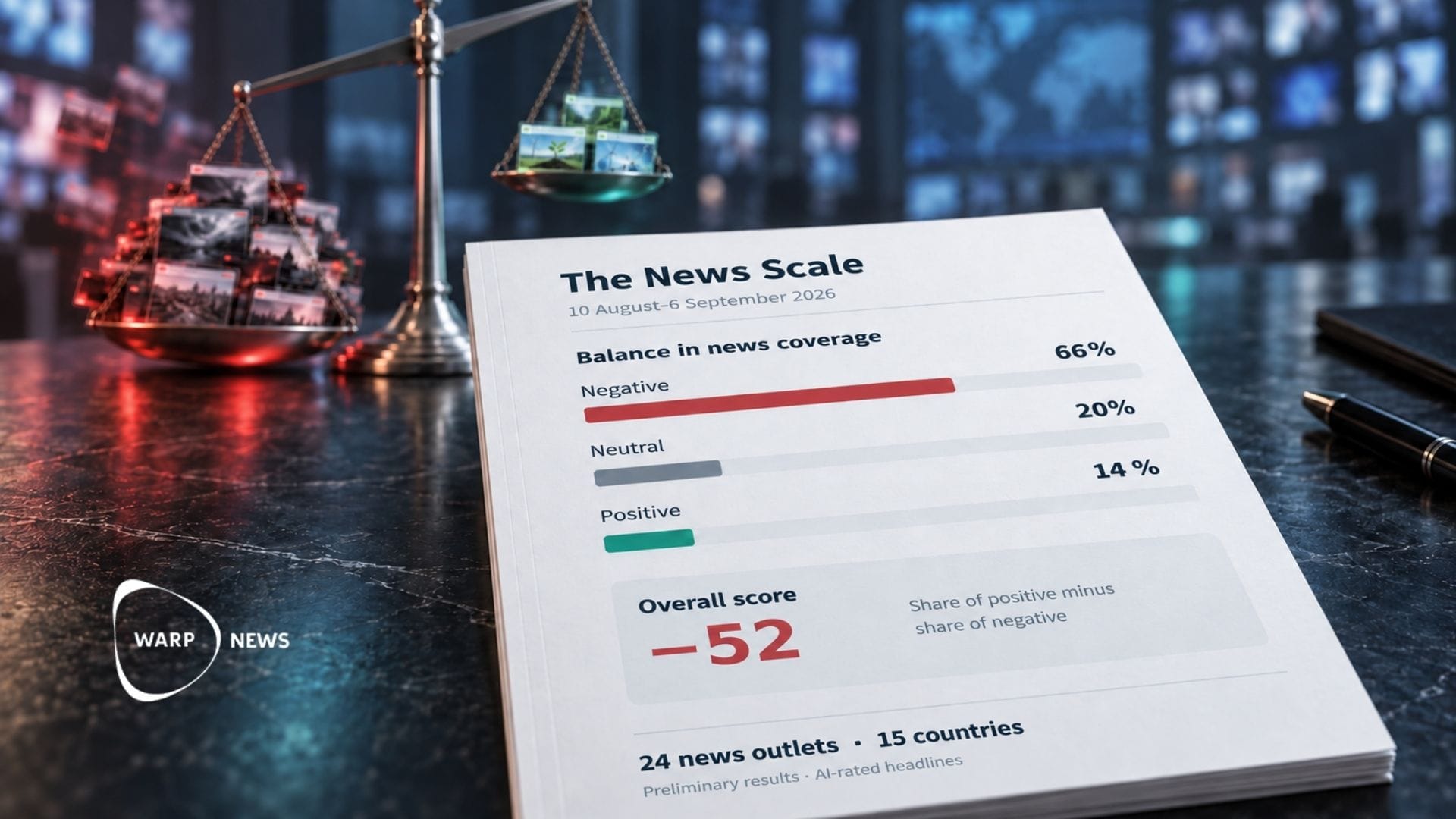
I get it. It’s easy to create atmosphere and drama in that kind of setting. And just like negative news headlines sell, films about threats and collapse attract us humans.
Optimism that sells
But there are alternatives. It’s possible to make films that are exciting and profitable despite—or because of—their optimism.
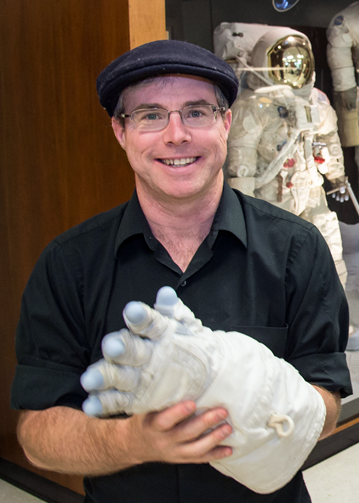
No one shows this better than the author Andy Weir.
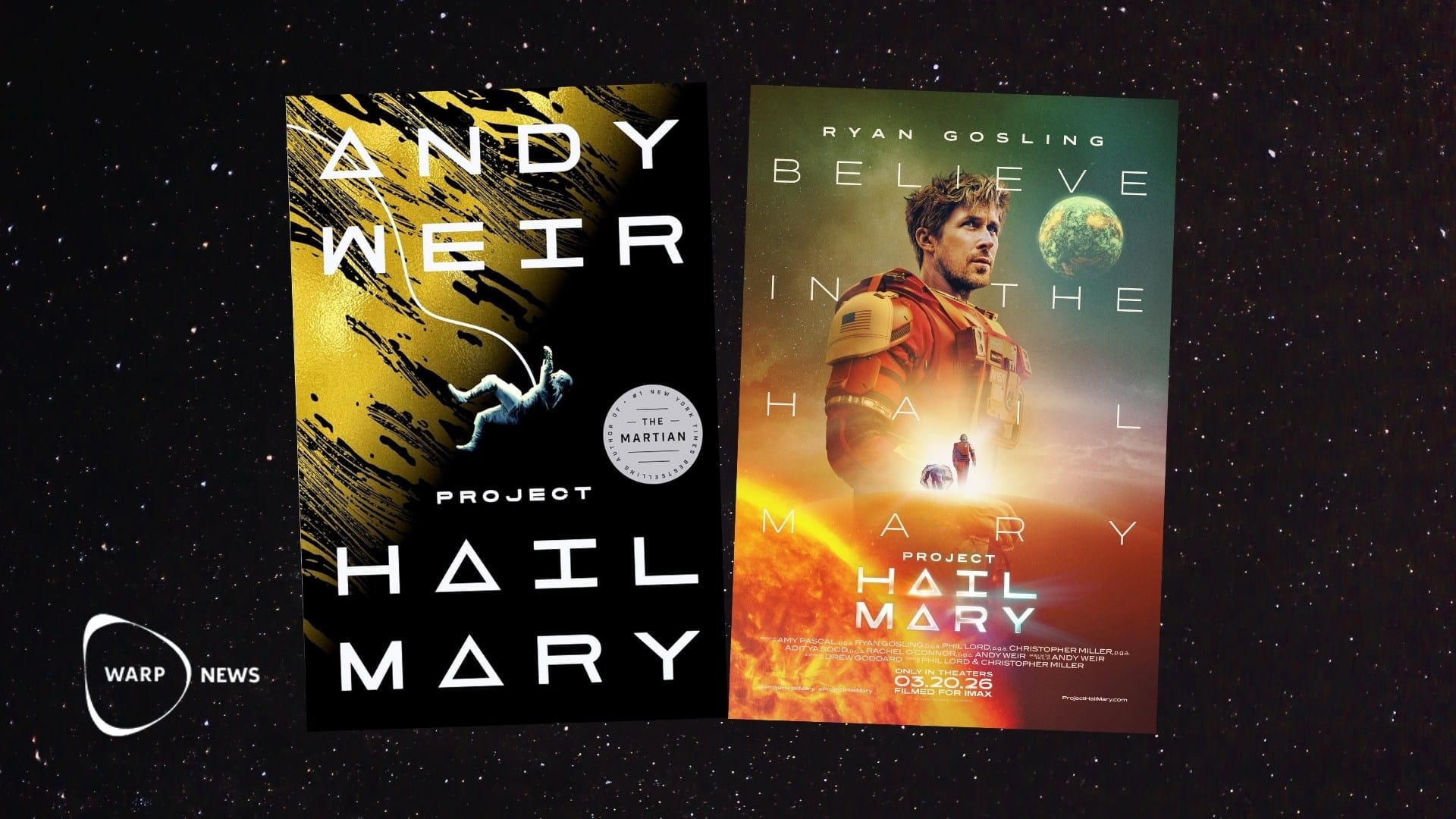
Right now, the film Project Hail Mary is a hit in theaters. At the time of writing, it’s the third most-watched film in the world this year.
It’s based on his book of the same name and is in many ways similar in structure to his first major success, The Martian.
That time it was Mark Watney (Matt Damon) who was left alone on Mars. Now it’s Ryland Grace (Ryan Gosling) who wakes up alone on a spaceship, several light-years from Earth.

He doesn’t remember why he’s there, but soon realizes he’s on a mission of extreme importance for humanity. And not only that—before long, he gets company, and not from a human.
Of all the imagined encounters between humans and aliens in film, this is by far the best—and, I believe, the most realistic.

It turns out that the alien, called Rocky, has the same problem as Ryland Grace, and together they set out to solve it.
We are “pretty awesome”
Both the film and the book are warm, funny, and show humanity’s ability to solve problems and create progress.
It reflects Andy Weir’s view of humanity:
“I think we’re pretty awesome,” he says in a podcast.
“And it’s easy to lose sight of that when you’re watching the news and you’re seeing like people doing bad stuff to each other. But I always try to remind folks that, like, the reason it’s on the news is because it’s newsworthy.”
This also shapes his positive view of technology:
“I think technology is really awesome, because technology is then put into the hands of humans who are awesome.”
Hollywood, follow the money toward hope
But Weir isn’t a missionary. He doesn’t want to persuade anyone to think a certain way, he says in several interviews. Entertainment is his calling.
Still, I hope Hollywood takes note. The media is now filled with slightly surprised commentary about how such a positive film can perform so well, and most conclude that this is exactly why. After all, the very similar The Martian was also a global success.
It has everything a great film should have—but being wrapped in something warm and optimistic makes it even better. When the world order is shaking and bombs are falling, maybe Hollywood will realize there’s money to be made in showing the opposite.
So dear Hollywood, tell us about what brings out the best in us. About human ingenuity and what we can achieve together. Entertain us, do what you do best, but tell us about those who dream. About those who build. About those who refuse to accept that tomorrow must be worse than today.
Tell us about the kind of stories that make us shout, like Rocky: Amaze, amaze, amaze!

Mathias Sundin
Angry Optimist
By becoming a premium supporter, you help in the creation and sharing of fact-based optimistic news all over the world.