✊ My American love story and the belief that the United States will not become a dictatorship
I fell in love with the United States on election night in 2004. Twenty years later, I stood in tears by the Statue of Liberty, wondering if it was over. This is a story of grief and betrayal — and why I still believe the American people will defend and save their democracy.

Share this story!
My American love story
I love the United States. Or loved it. Or still love it, just a little less? In a different way? It’s complicated. And as it always is when a love cools – it’s sad.
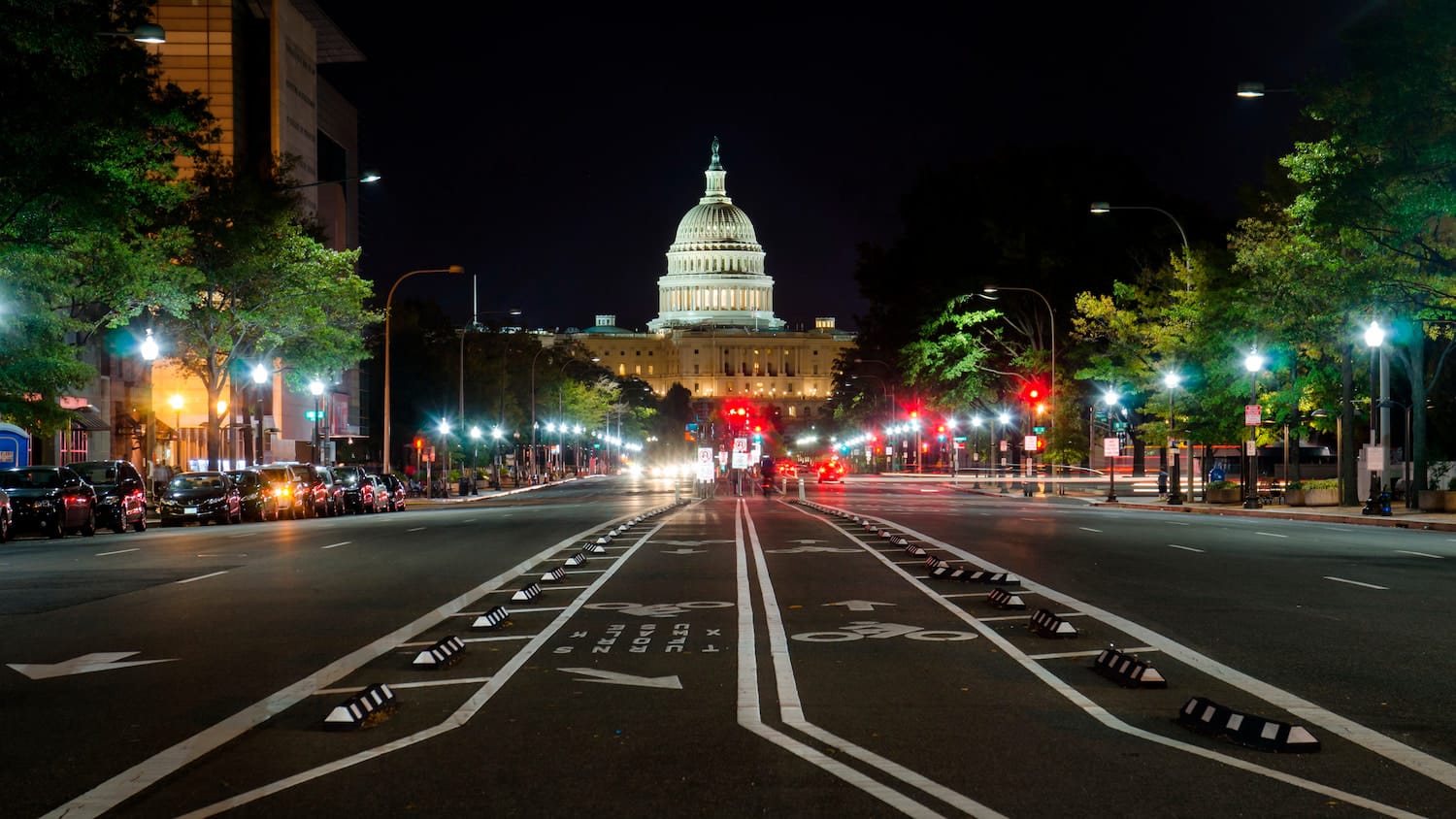
The first seed of that love was planted on Pennsylvania Avenue in Washington, D.C., in 2004.
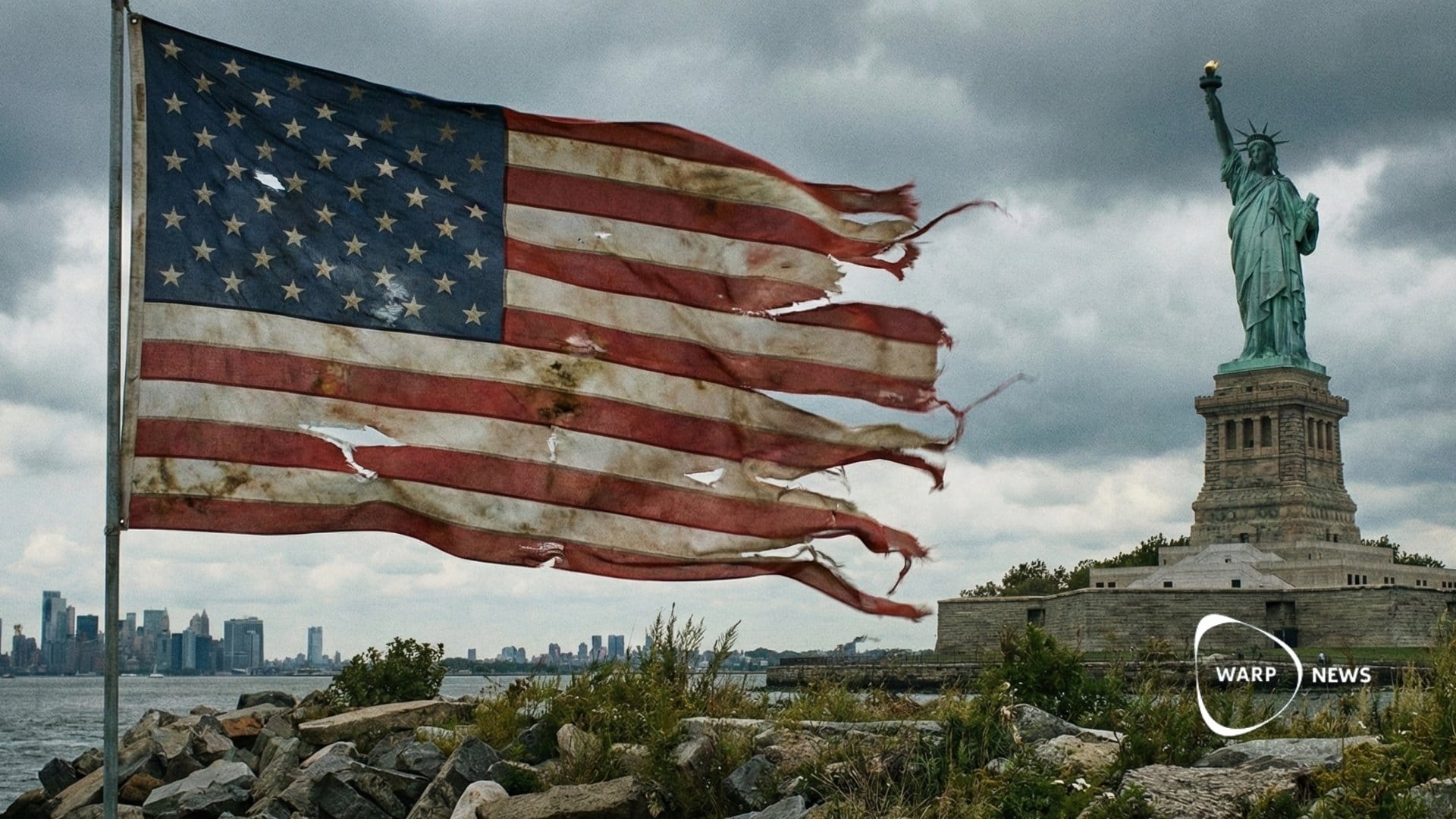
A little more than 20 years later, I stood with tears in my eyes in Liberty Park, looking at the Statue of Liberty and wondering whether divorce was inevitable.
Let’s start from the beginning.
Back in 2004, blogs were the latest thing and I had started one. I was studying to become a teacher and had just joined a political party, so I wrote about all sorts of things. Since it was an election year in the United States, I began writing about the race between George W. Bush and John Kerry.
Following and writing about American politics felt like watching the TV series The West Wing. Entertaining and, at the same time, intellectually stimulating. I applied for and received a small grant from a foundation to travel to the United States for the election.
That’s why I found myself standing in the middle of the night on a nearly deserted Pennsylvania Avenue, looking at the illuminated Capitol building. Here and there, muted music drifted from different election night gatherings.
I had hoped Kerry would win, but predicted Bush would.
I shivered, both from the cold and from the feeling of being at the very center of power and history. This was something I wanted to keep being part of.
So I kept blogging and traveled to the United States more and more often. First for the 2006 midterms and then three times in 2008. It was a presidential election year again, and since no sitting president was running, it was a completely open race in both parties.
Barack Obama against Hillary Clinton, John Edwards, and Joe Biden. John McCain against Mitt Romney, Rudy Giuliani, Ron Paul, and Mike Huckabee.
New Hampshire is the first primary state, so that’s where I went—and it became one of the greatest experiences of my life. It’s a small state, so within a 45-minute drive you could attend campaign events with all these candidates. You could see them, meet them, and talk to them. I greeted every single candidate and spoke with John McCain.
Unfortunately, all I managed to say was: "Hello, I'm from Sveeeeden".
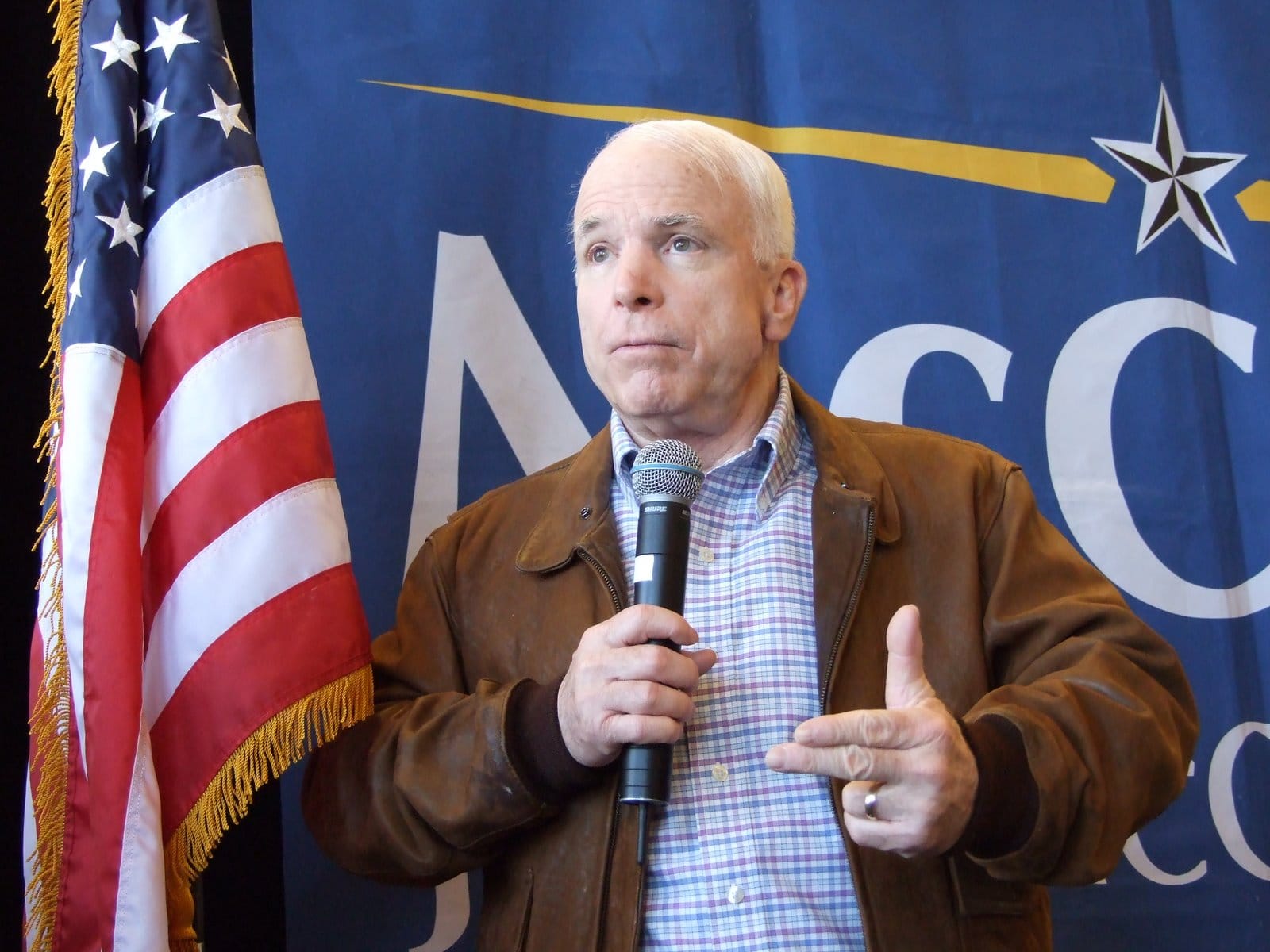
Here, the most powerful person in the world was about to be chosen, and yet little me—who wasn’t even American, from little Sweden—could speak directly with the candidates. What an incredible system.
I also heard the most extraordinary political speech I have ever experienced live. Barack Obama in a school gymnasium in Concord. We had to wait outside in the cold for over an hour, so my toes were frozen stiff by the time we got inside. But wow, it was worth it. It was almost frightening how affected I was. This is what I wrote at the time:
“When Obama shifts into high gear and talks about hope, you feel like you could go out and do anything for that man.”
Afterward, we shook hands, and that too received a review:
“His handshake and presence as he moved through the crowd were the best so far. Or maybe tied for first place with John McCain, who also felt very genuine.”
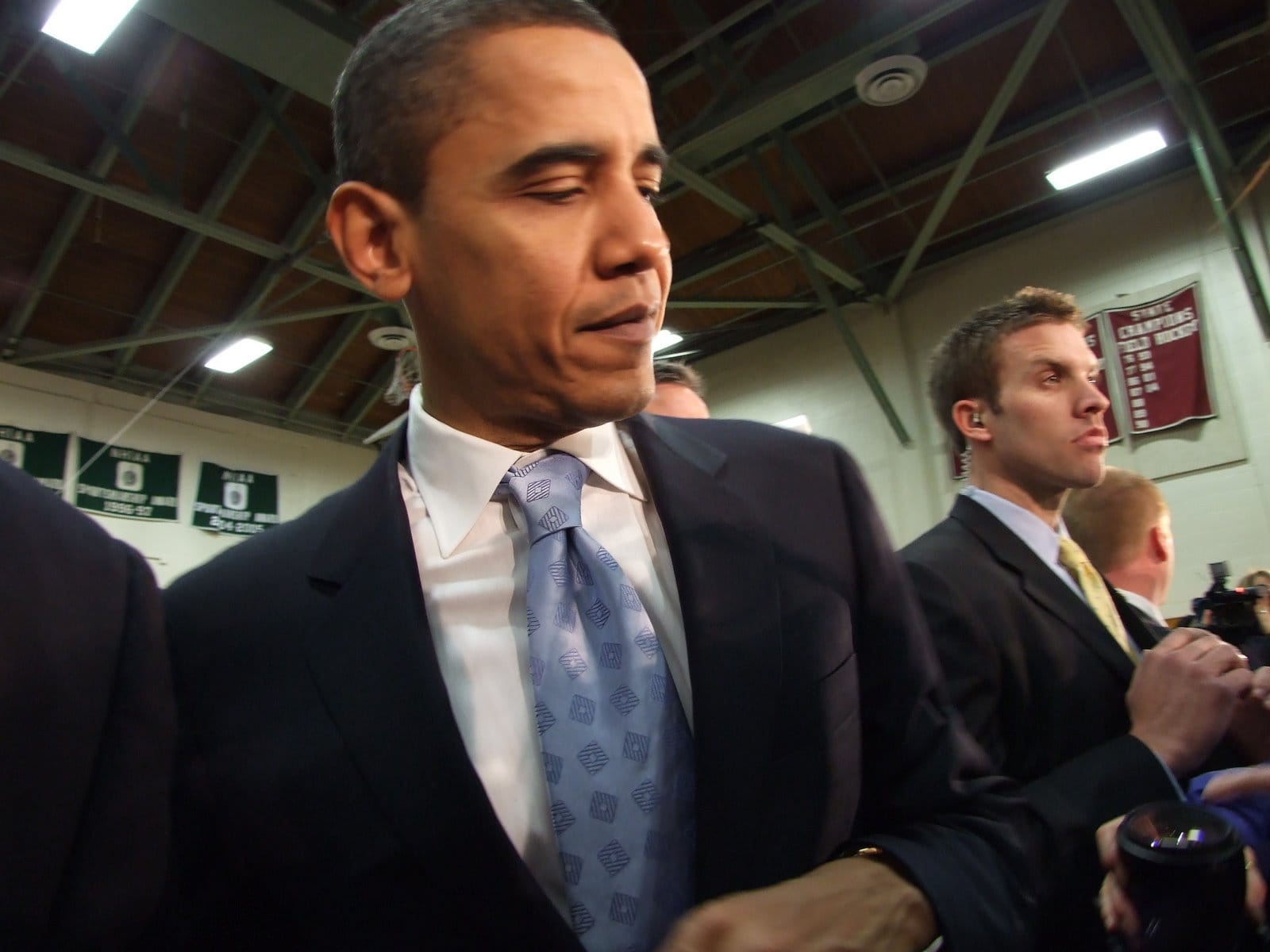
Despite that speech—and despite agreeing with the Democrats more often than the Republicans—I ended up volunteering for John McCain’s presidential campaign. There were many positions of his I didn’t share, but I believed his foreign and security policy would be best for the world. His upright style and willingness to challenge others appealed to me.
As early as 2000, he saw through Vladimir Putin. While his opponent in that campaign (McCain ran for president for the first time then), George W. Bush, wanted to wait and see, McCain said:
“We know that he was a member of the KGB. We know that he came to power because of the military brutality ... I’m very concerned about Mr. Putin.”
In the 2008 election, McCain warned that Putin’s sights were now set on Ukraine.
I clearly had nothing against Barack Obama, but I still chose McCain, and in the summer of 2008 I spent a month in Nevada knocking on doors for him.
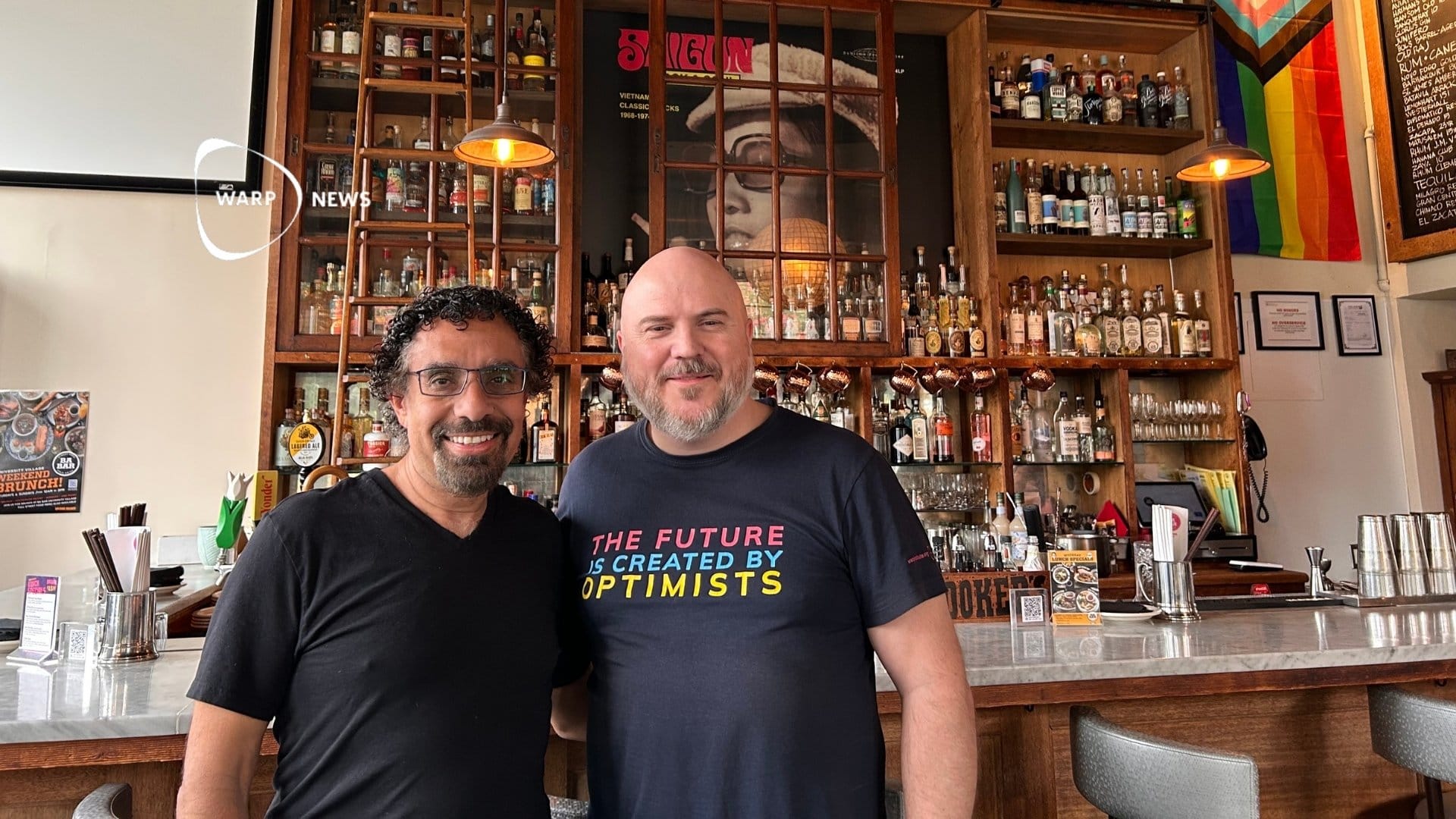
Always wearing a rather distinctive T-shirt that the candidate really liked, when I once again met him at a campaign event in Reno.
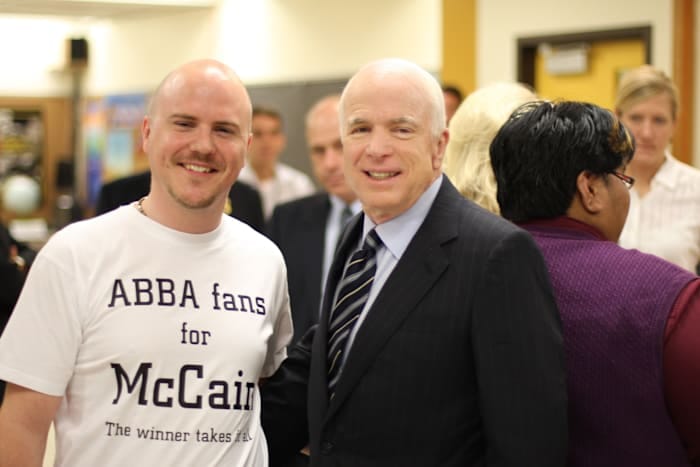
I kept blogging and returned to the United States again and again. My blog grew into the largest Swedish blog about American politics, and I was increasingly invited to comment in the media. In 2012, I was one of three experts in Svenska Dagbladet ahead of that year’s presidential election.
Then came the 2016 presidential election.
Donald Trump rode down an escalator and launched his improbable campaign.
Like so many others, I gave him very little chance of succeeding. Unfortunately, I was completely wrong.
When Trump’s victory march gathered speed, it stopped being fun. He represented almost everything I disliked, both politically and personally. The foreign policy that McCain and most Republicans had stood for, he turned 180 degrees. That, on top of all his other flaws and shortcomings.
I lost the desire to comment, declined most media appearances, and in 2018 I shut down the blog:
“When Donald Trump was elected and so many sensible people voted for him, it was no longer fun. I still follow what’s happening, but not at all like before. Instead, I read biographies of former presidents and hope that I’ll wake up from this nightmare.”
I met John McCain one more time. He led a delegation to Sweden. By then I had become a Member of Parliament, and when they visited the Riksdag I spoke briefly with him and showed him the photo of the two of us in Reno in 2008. He chuckled and said:
“Good memories, my friend, good memories.”
He died in 2018, and my post about it became the blog’s final entry.
A deeper love
But Trump did not kill my love for the United States. On all my travels, I had also come to know America beyond politics. I made friends and acquaintances across that vast country.
I simply loved Americans. They are so friendly and generous. Without hesitation, they open up even the most reserved Scandinavian. They are optimistic and rarely suffer from small-mindedness. I come alive when I’m in the United States. Nothing feels impossible. The American Dream doesn’t feel like just a dream.
Of course, there are things that irritate me. When the winner of the Super Bowl proclaims itself world champion, you can’t help but shake your head. The coffee is watery, Fahrenheit incomprehensible, and the date format just as confusing. But there are plenty of things about Swedes that irritate me too.
Over time, my love for the United States grew so deep that I even began to see my own future there. A place with much higher ceilings. Greater opportunities — bigger everything. That’s where I wanted to live. At one point I tried to get a visa to move there, but it didn’t work out. The hope, however, lived on.
Divorce?
That’s why the shock was almost physical when I landed in the United States in the spring of 2025 and suddenly didn’t feel welcome. This country, which had received me with open arms, now seemed not to want me.
At least that’s how it felt. Donald Trump had been re-elected president. A horrific and incomprehensible decision. Once could be a mistake. When he was voted out after four years, I regained some hope. But to elect the man again?!
When I arrived that spring of ’25, he was at his most aggressive. Sky-high tariffs, threats against Greenland, attacks on Ukraine, the public humiliation of Zelenskyy. Something broke in the world’s relationship with the United States — and in mine.
But after a few days, the initial shock faded. Something decisive had happened: I had started talking and spending time with Americans again.
They are still there. Some have gone off the rails, but most have not. They were who they had always been.
On the way home, I had a long layover in Newark, so I took a taxi to Liberty State Park, right by the water next to the Statue of Liberty.
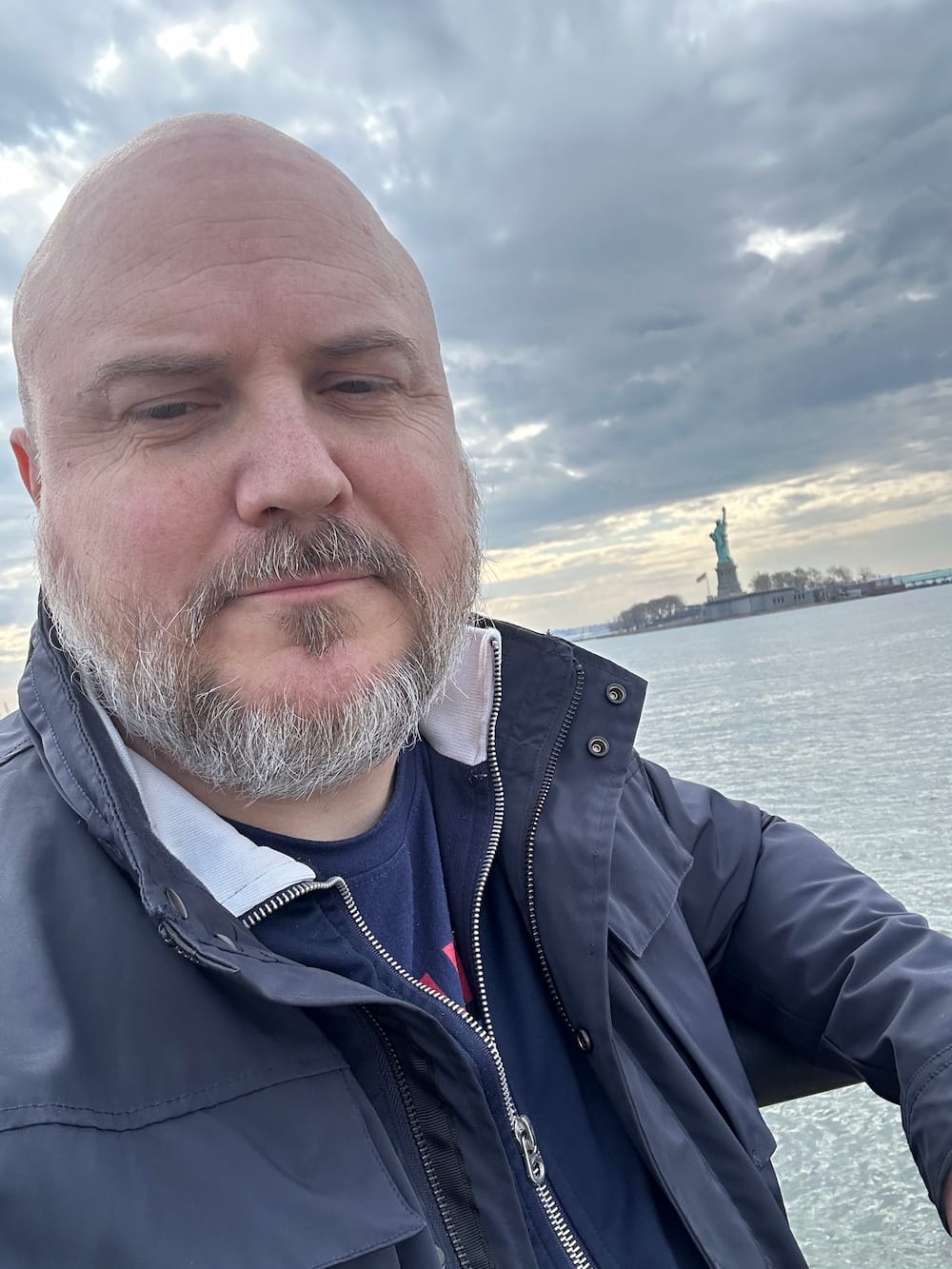
The symbolism was as exaggeratedly ridiculous as in certain Hollywood movies. There I was, walking with the Statue of Liberty in the background, my thoughts about America, myself, and the world spinning in my head.
That’s when it came for the first time: a deep sadness. I almost started crying several times.
I had felt it when Trump was elected the first time and when I shut down the blog, but now it was stronger.
The country I had loved so much was gone. The Americans were still there, but the American Dream was, at best, clouded. What had happened to this remarkable country — and above all: what would happen next?
The United States had begun a journey toward becoming an authoritarian, corrupt mafia state. But what would the continuation look like? Since that afternoon in Liberty State Park, I’ve been thinking and analyzing precisely that. Sometimes — quite often — emotions take over and I feel discouraged. But then I look beyond the most sensational headlines and see flashes of hope. And sometimes they shine rather brightly.
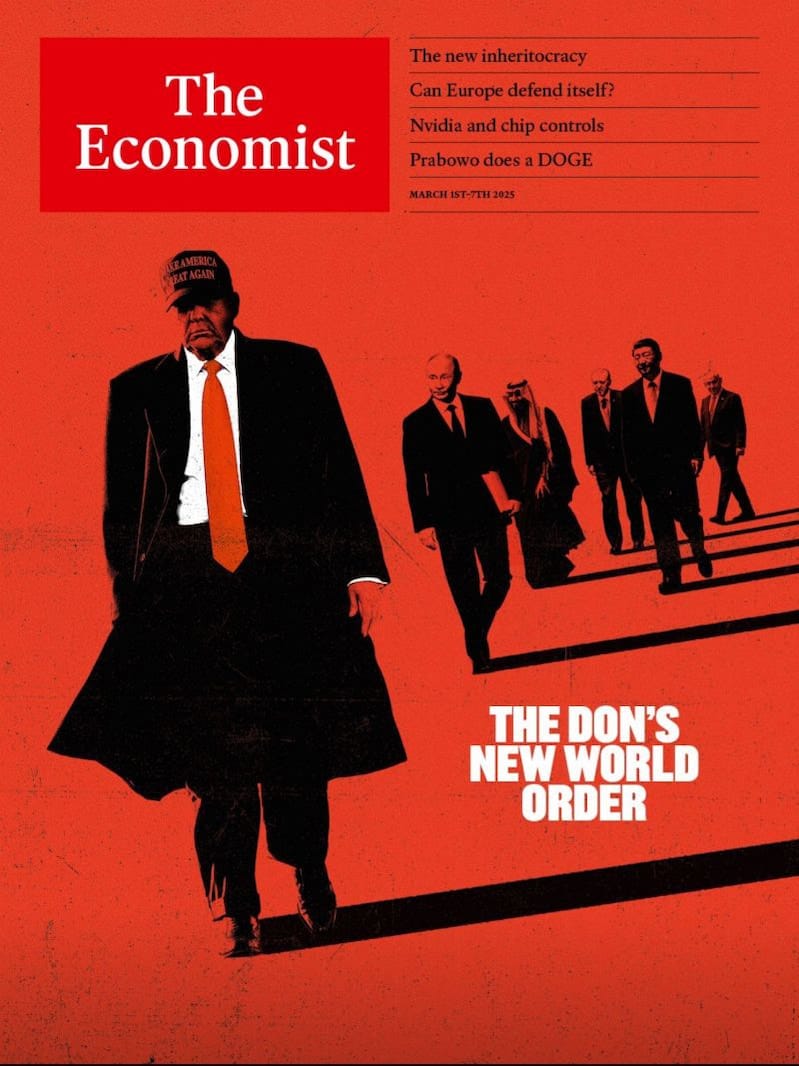
The dictator’s handbook
“What’s happening in the United States closely follows an authoritarian playbook common throughout history and around the globe today,” writes Jamila Raqib, head of AEI, which studies and teaches nonviolent resistance.
Donald Trump is following the handbook for would-be dictators. He has tightened his grip on the Republican Party, which proved to be full of timid yes-men. The politicians within the party who have stood up to him are very few.
Trump rewards loyalty. That’s why he chose to forgive Marco Rubio and JD Vance, who were once sharply critical of him but have since bent the knee and now sit obediently whenever he snaps his fingers.
Trump punishes anyone who stands up to him, even when it harms him in the short term.
The signal is clear. If you are loyal, everything is forgiven. If you are disloyal, Trump will use every weapon in his arsenal to destroy you.
Research on how democracies erode shows that the pattern is almost always the same — and point by point, Trump follows it:
Independent institutions are politicized. Trump has placed loyalists in charge of the FBI and lashes out at the independent Federal Reserve chair who refuses to obey.
The justice system is turned against political opponents. His attorney general delivers baseless indictments on demand.
Elections and democratic processes are delegitimized. Trump fabricated claims that he won the 2020 election and pardoned those who stormed the Capitol to stop the transfer of power.
The media are attacked. His assaults have been constant since 2015, far beyond what can be considered legitimate criticism.
Critics and minorities are dehumanized. From his very first campaign, he mocked all kinds of people, not least those with disabilities.
Power is concentrated. Through his stranglehold on the Republicans, he effectively controls Congress.
The democracy playbook
But defenders of democracy have a handbook too. Gene Sharp studied how Mahatma Gandhi and Martin Luther King Jr. successfully led nonviolent movements and devoted his life to analyzing such struggles. He founded the Albert Einstein Institution and, through decades of research, compiled extensive knowledge about how dictators can be toppled — and leaders seeking to push a country in an authoritarian direction can be defeated — using nonviolent methods.
It was Sharp who helped spread the knowledge behind so-called color revolutions. In a dictatorship, each individual citizen feels powerless and alone. But when millions of people wear the same color, everyone can see that this is not the case. On the contrary, they are many — and therefore not powerless at all. That and other methods have helped bring down numerous tyrants and oppressors around the world, from Ukraine to Serbia to India.
We are now seeing an active resistance beginning to organize in the United States. They need a clearer plan, with sharper tactics and strategy, but it is starting to take shape — and engagement is at record levels.
Demonstrations and other protests against Trump are four times as common now as during his first term. And it is not only in liberal areas that people are protesting. More and more demonstrations are being organized in districts where Trump received strong support.
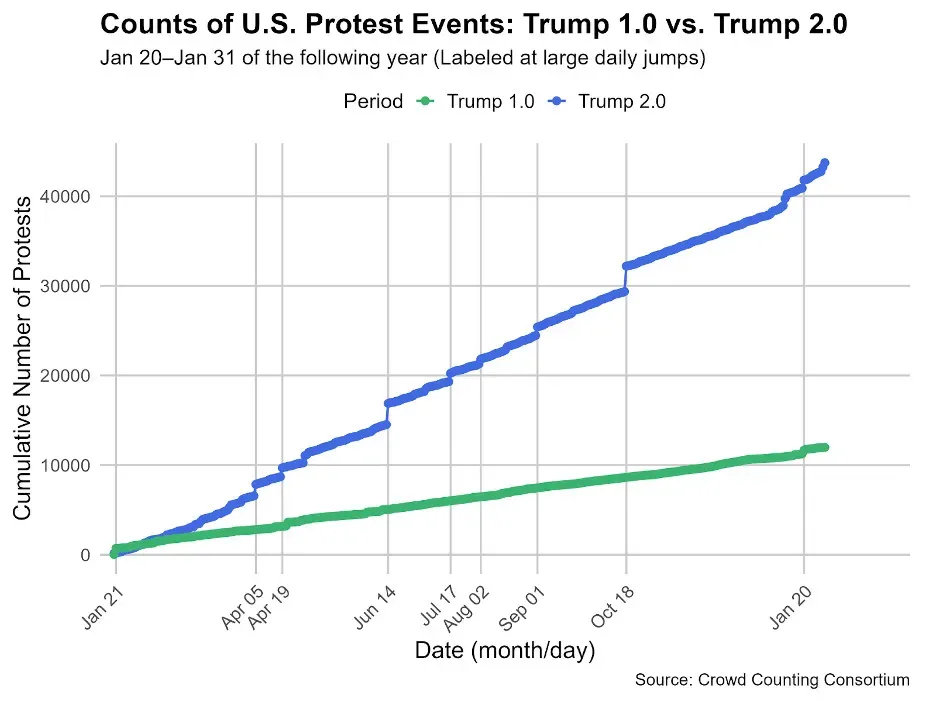
We also see active resistance from some states, courts, universities, civil society organizations, independent media, individual prosecutors, and public officials.
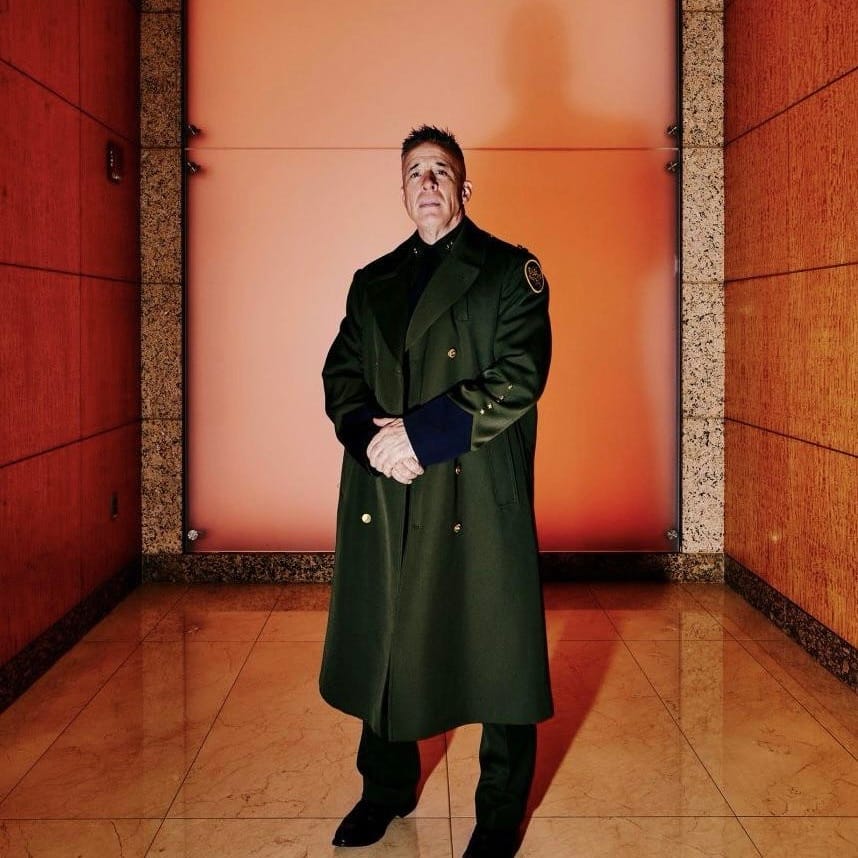
When Trump retreated in Minnesota, removed the head Greg Bovino, and then pulled back ICE, it was an important victory.
The democratic brake
The most powerful mechanism for slowing the authoritarian drift is, of course, elections. The United States is still a democracy, albeit a wounded one. In November 2026, the midterm elections will be held. All seats in the House of Representatives and one third of the seats in the Senate will be contested, along with a number of gubernatorial and local elections.
At the moment, much suggests that these elections could prove costly for the Republicans.
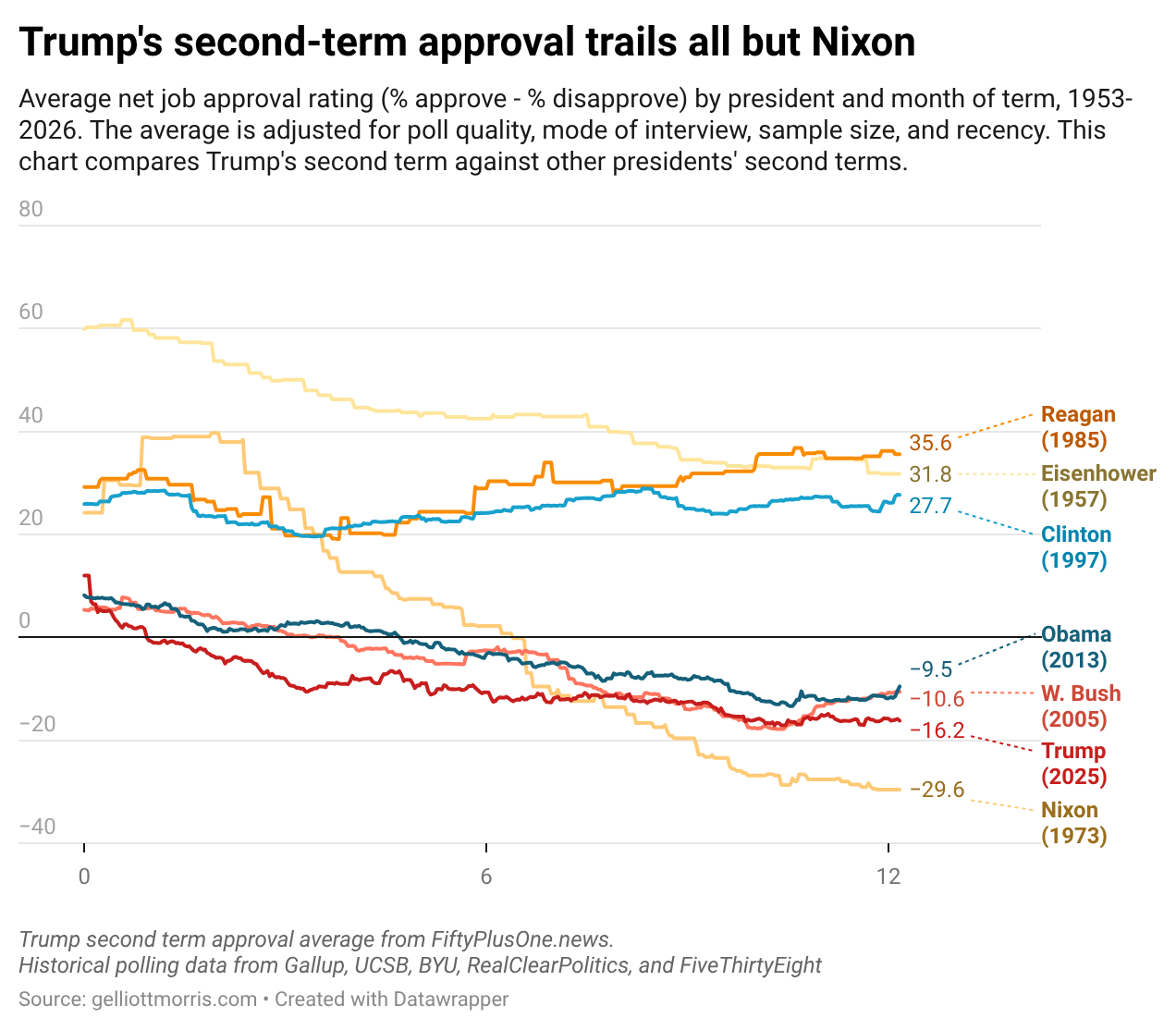
Donald Trump is becoming increasingly unpopular.
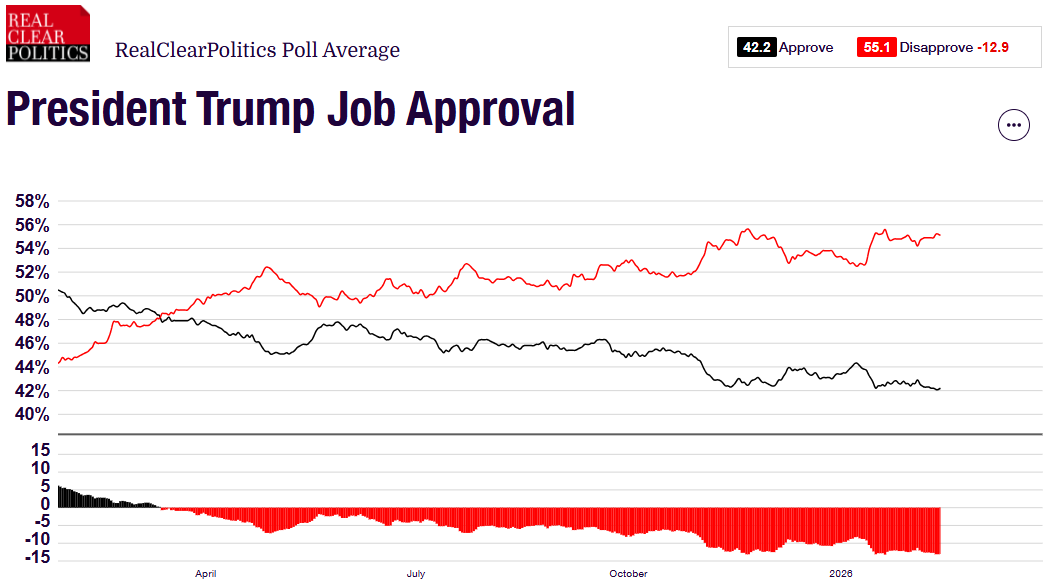
Only Richard Nixon had a worse approval rating at the start of his second term.
Trump is losing trust across all policy areas, even in those where he has been strongest, such as immigration.
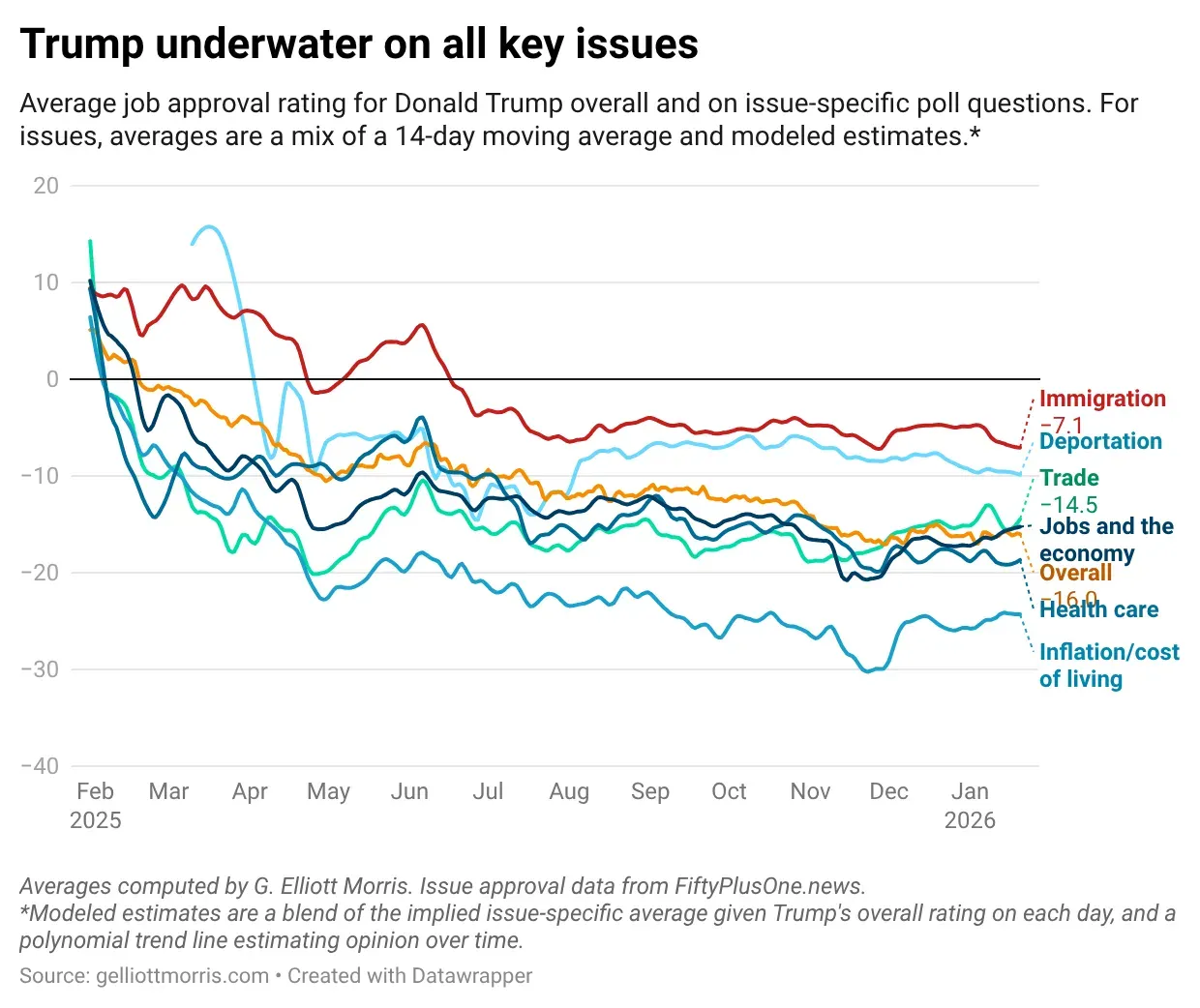
A president’s popularity always affects the midterms, and given how completely dominant Trump is within his party, this year’s election will be no exception. Republicans could very well lose the House of Representatives and perhaps even the Senate in November.
After that comes the 2028 presidential election. Trump likes to talk about running again. It would be extraordinarily difficult for him to succeed in doing so. The Constitution is extremely clear, contains no loopholes, and cannot realistically be amended on such short notice. It is, of course, easy to imagine Trump disregarding the Constitution. But elections in the United States are decentralized, and not something he has total control over.
To override that would require some form of armed force. Precisely because the system is decentralized, it would mean a full-scale military takeover to make it work. Nothing can be ruled out, but such a move would crash the U.S. economy and devastate its global relationships. The outcome would not be guaranteed, which means the risk would be enormous even for Trump. The consequences — even if he succeeded — would be so severe that it is unlikely he would attempt it.
It is more probable that one of his loyalists — Marco Rubio, JD Vance, or Donald Trump Jr. — would run instead. But none of them would be able to distance themselves from Trump, and his popularity would therefore be decisive.
If Trump continues as he has begun — with chaos, confrontation, conflict both domestically and internationally — while the problems he was elected to solve remain unresolved, his popularity is unlikely to increase.
The greatest risk
The single greatest risk, as I see it, is election manipulation. Trump will try to cheat. Tampering with votes themselves, but also creating chaos and the risk of violence at polling stations.
Within immigration enforcement, ICE, he has built what could become a powerful instrument. Illegal immigration to the United States has been a long-standing problem, and Trump has significantly reduced it. It is not unreasonable to argue that people living in a country illegally should be deported.
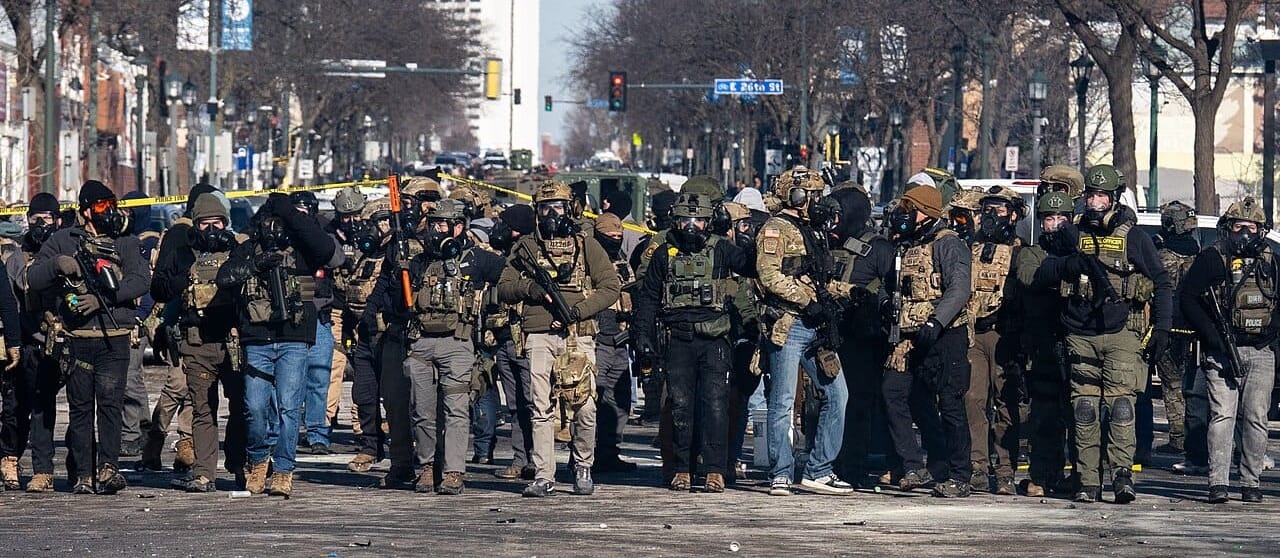
But ICE has developed into something far beyond that, not least as we saw in Minnesota, when they shot Alex Pretti in circumstances close to an execution.
It is not hard to imagine that in the next election, these masked enforcers could be deployed to closely contested districts, where engineered chaos around ICE operations might tilt the balance in favor of the Republicans.
That is when the lessons from Gene Sharp and all the successful nonviolent revolutions will be decisive. It is under these circumstances the are battle tested.
We saw in Minnesota and its aftermath, Americans do not accept what happened there. A strong organization around the elections will make it very difficult to cheat in a decisive way.
The Americans will save the America
All of this requires something: courage and determination from a sufficient number of Americans.
It was faith in that — in the American people — that gave me hope there in Liberty Park. The risk that the United States becomes an increasingly authoritarian country is real. It could happen. We must look that truth straight in the eye.
But it is by no means decided that it will. I do not believe the American people will allow it. We see how they are beginning to rise.
People who, at the risk of their own lives, are prepared to defend freedom. The struggle may go on for many years. Some wounds will take a long time to heal. The old America will not return, but after 250 years perhaps a new America will be born from the old one.
Before I got into the taxi back to the airport, I turned one last time toward the Statue of Liberty. Once again it felt like a bad Hollywood movie, but right there and then I felt a strong conviction that our love story will continue. It may take years of couples therapy, but our love will bloom again.
Mathias Sundin
Arge optimisten
By becoming a premium supporter, you help in the creation and sharing of fact-based optimistic news all over the world.