📼 Technelegy
A new word, helping us cope with the sorrow for what has been lost, and look forward to what is to come.

Share this story!
Un-nostalgic (is that even a word?)
I am extremely un-nostalgic, rarely look back, prefer what is new over what is old, and can easily get irritated when people dream about how good things used to be.
Partly, I think it’s about fear. If people get too nostalgic, it risks spilling over into unjustified criticism of what is new, and I want us to travel faster toward the future, not slower.
But then I came across a word that allows me to be a little nostalgic. And helps others better handle their grief over what has been lost:
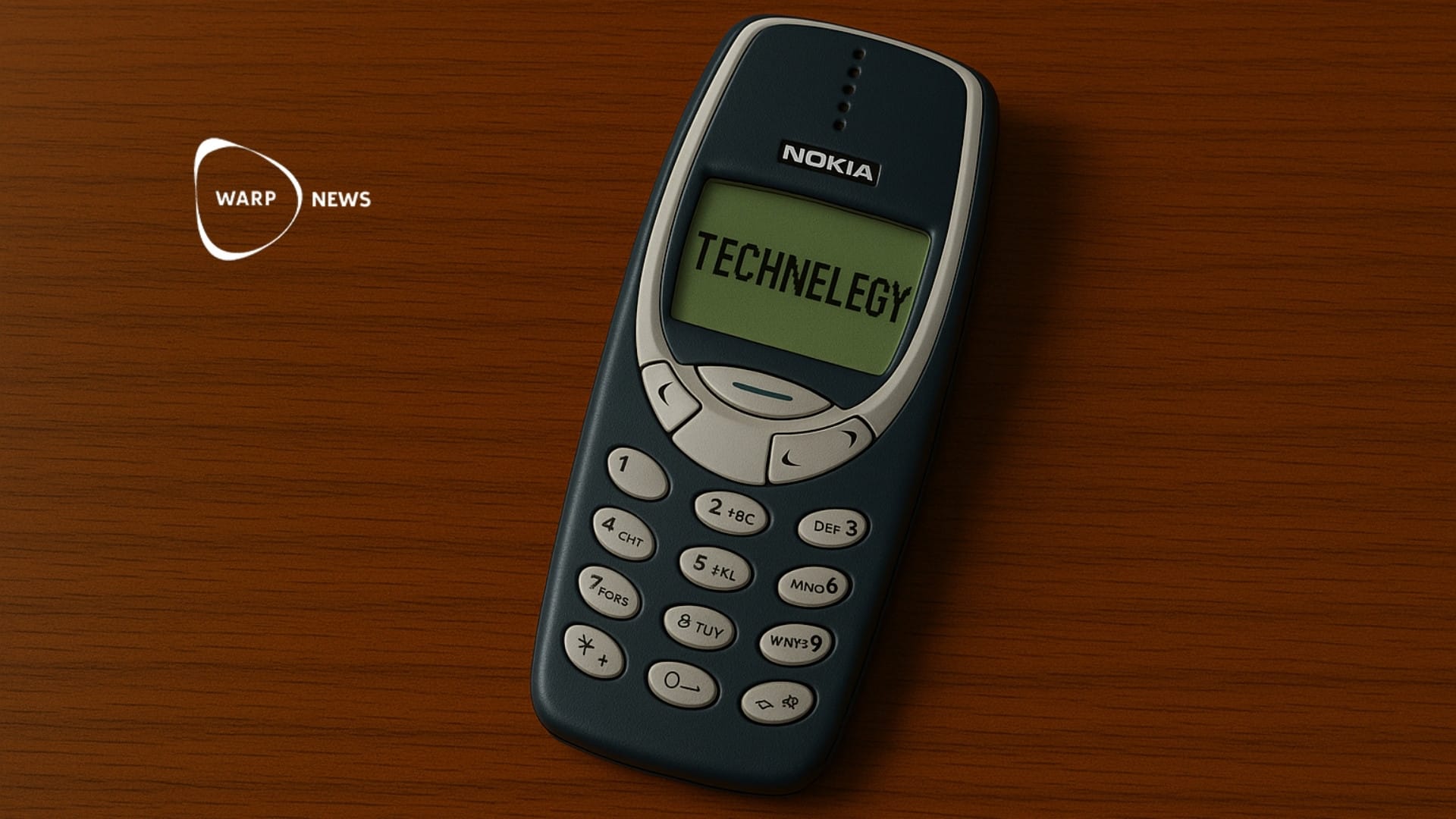
Technelegy.
It’s not a misspelling, but a fusion of two words: technology and elegy. An elegy is a poem of lament for something lost or for the passage of time. More melancholy and wistfulness than deep, black sorrow.
The poet Sasha Stiles created the word, and it is also the title of her book.

She describes technelegy as a blend of optimism and melancholy.
Technology stands for progress, forward motion, and that dizzying feeling that comes when you try something new. A sense of possibility, novelty, and anticipation of where it might take us, which doors it could open, what new creative territory it might lead us to.
This combines with the poetic elegy’s mournful homage to what has been lost. An awareness that innovation always brings obsolescence. Progress always has a cost. That’s not unique to today’s technology, but has marked humanity’s entire journey.
And so it is. Even I can agree with that. When something new takes over, something else is forgotten. Even if the new is usually better, and you really don’t want the old back, it can still be okay to feel a longing for what has disappeared.
The word technelegy can help us process feelings about the society that no longer exists, but without getting stuck in nostalgia. Instead, it lets us simultaneously look forward to what is new.
For me, it helps to be more tolerant of nostalgia. Recently I read a text by Rickard Swartz in Dagens Nyheter, and the further I read the more my irritation grew. He described how AI translation ruined communication with his Hungarian friend.
Since Hungarian and Swedish are so different, German had been their common language. But it was not grammatically correct German.
“For years, the supreme deity of the German language has been forced to sit in his heaven and listen to our shameless abuse of his creation, holding his ears shut and surely more than once considering finally putting an end to the misery,” Swartz writes.
When Swartz recently received a letter from his friend, it felt different. His German was suddenly much better, almost perfect.
An AI had polished his language.
“Yes – it was him. But not like before,” Swartz writes. “I no longer found his systematic grammatical errors, his fondness for certain words and phrases, the ‘Hungarianisms’ that had crept into his German.”
At that point in the text, I started muttering to myself. Oh come on, is it now bad that people can communicate better?! A solution to a problem is turned into a problem. What nonsense…
But then I caught myself. Technelegy!
Suddenly I could take in Swartz’s feeling. His friendship was partly in the uniqueness they shared. The unpolished language was a part of his friend – and now it was gone. Of course you can feel wistful about that.
At the same time, maybe technelegy can help Rickard Swartz feel hope and excitement that AI will help reduce language barriers between people, and lead to new friendships being formed.
Is there nothing then that I, as a progress extremist, miss?
After my discussion with Sasha Stiles, I started thinking. After a while, I came up with one thing: Video rental stores.

I miss walking down to the corner, spending a long time choosing a movie, buying some candy and soda, and then going home to settle into the couch. It was a bigger event than just turning on a film on Netflix. A process, almost a ritual, that made the overall experience better.
That doesn’t mean I want streaming video to disappear, but it feels good to miss video rental and experience a little wistfulness about a time that will never come back.
Mathias Sundin
Angry Optimist
By becoming a premium supporter, you help in the creation and sharing of fact-based optimistic news all over the world.