
Self-driving cars
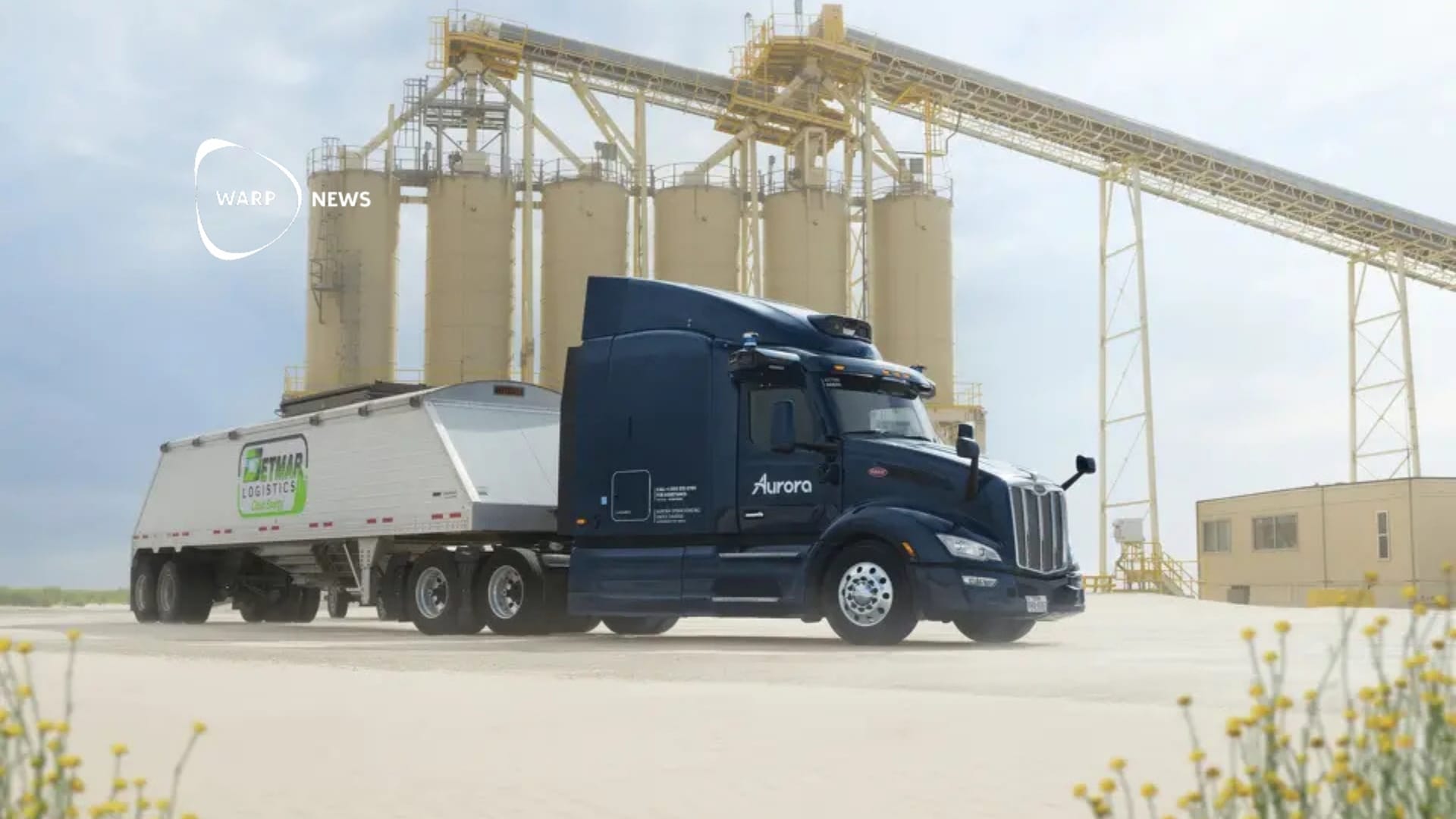
🚛 Self-driving trucks to transport sand around the clock in Texas
Detmar Logistics has signed an agreement with Aurora Innovation to use autonomous trucks to transport frac sand in the Permian Basin. The trucks can operate over 20 hours per day and double the capacity to move sand. The technology allows the vehicles to see 400 meters ahead in total darkness.
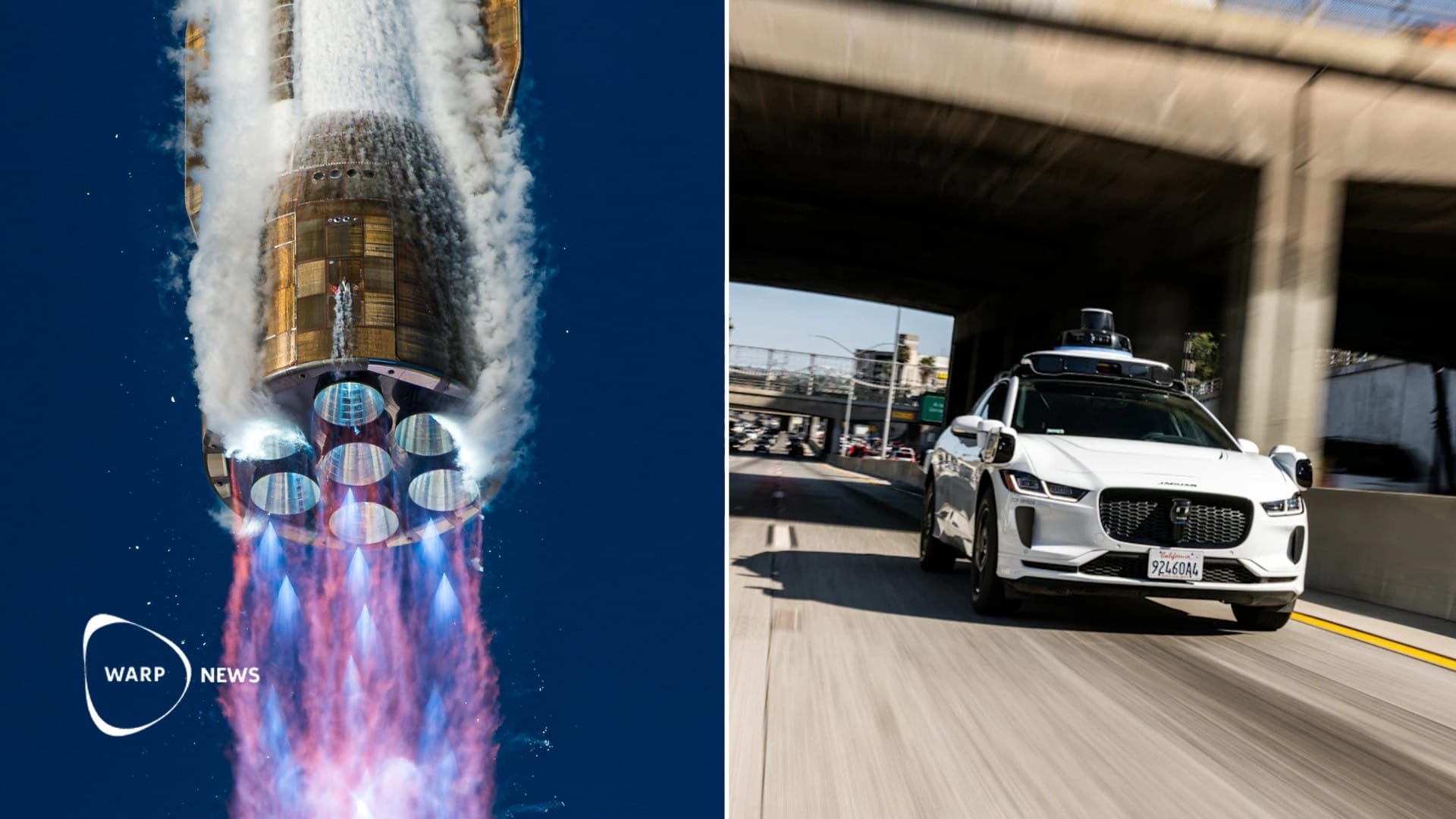
⏰ Now it’s happening – but no one notices
Last week, two things happened that mostly showed up as brief news items. Having followed both of these developments for years, I’m fascinated by how little attention they get. Each of them will, on its own, have a massive impact on our world.
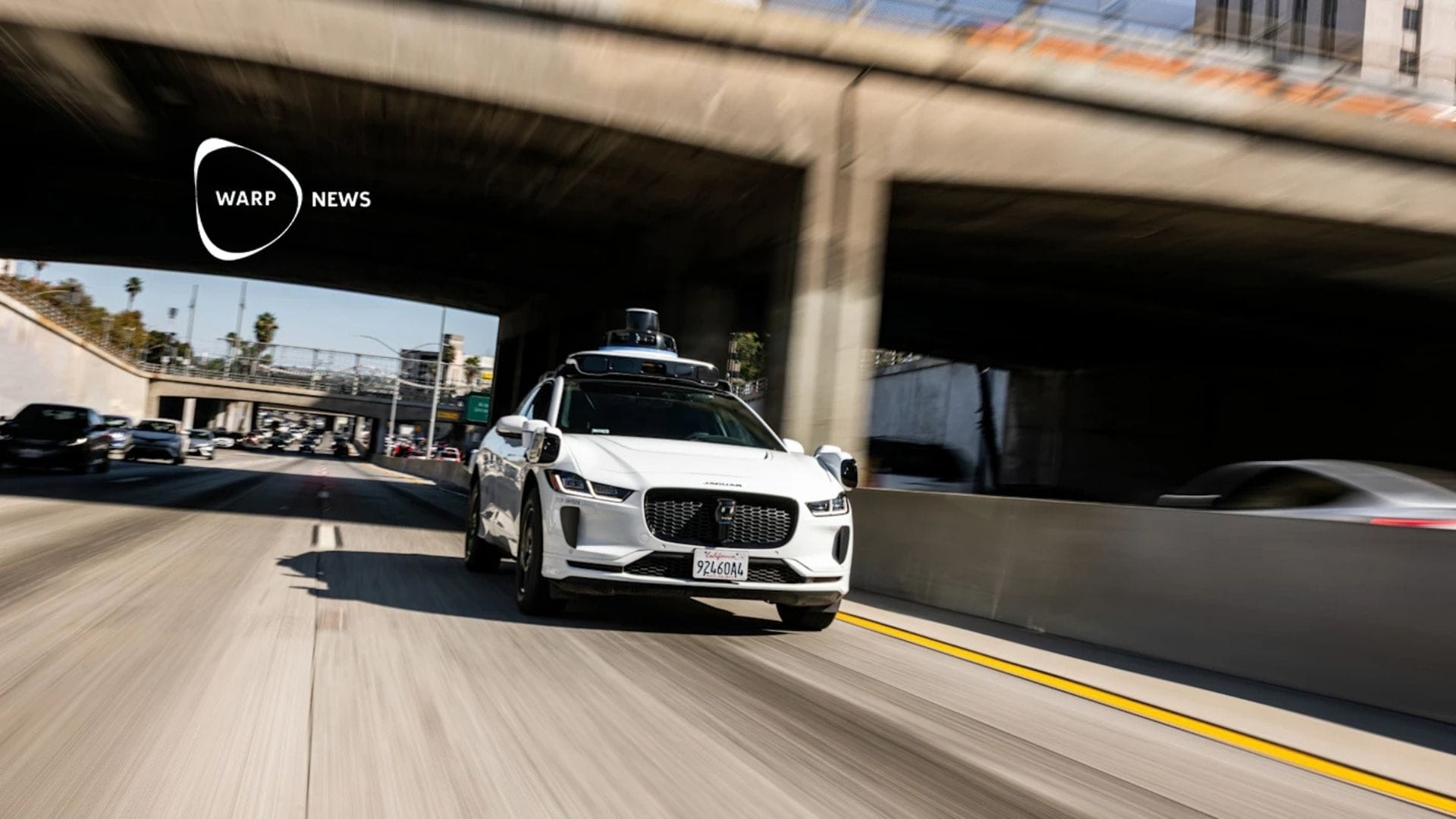
🚗 Waymo first with driverless taxi rides on highways in the US
Waymo becomes the first robotaxi company in the US to offer driverless rides on highways, available around the clock in San Francisco, Phoenix and Los Angeles. The service uses the same software and sensors as for city driving.
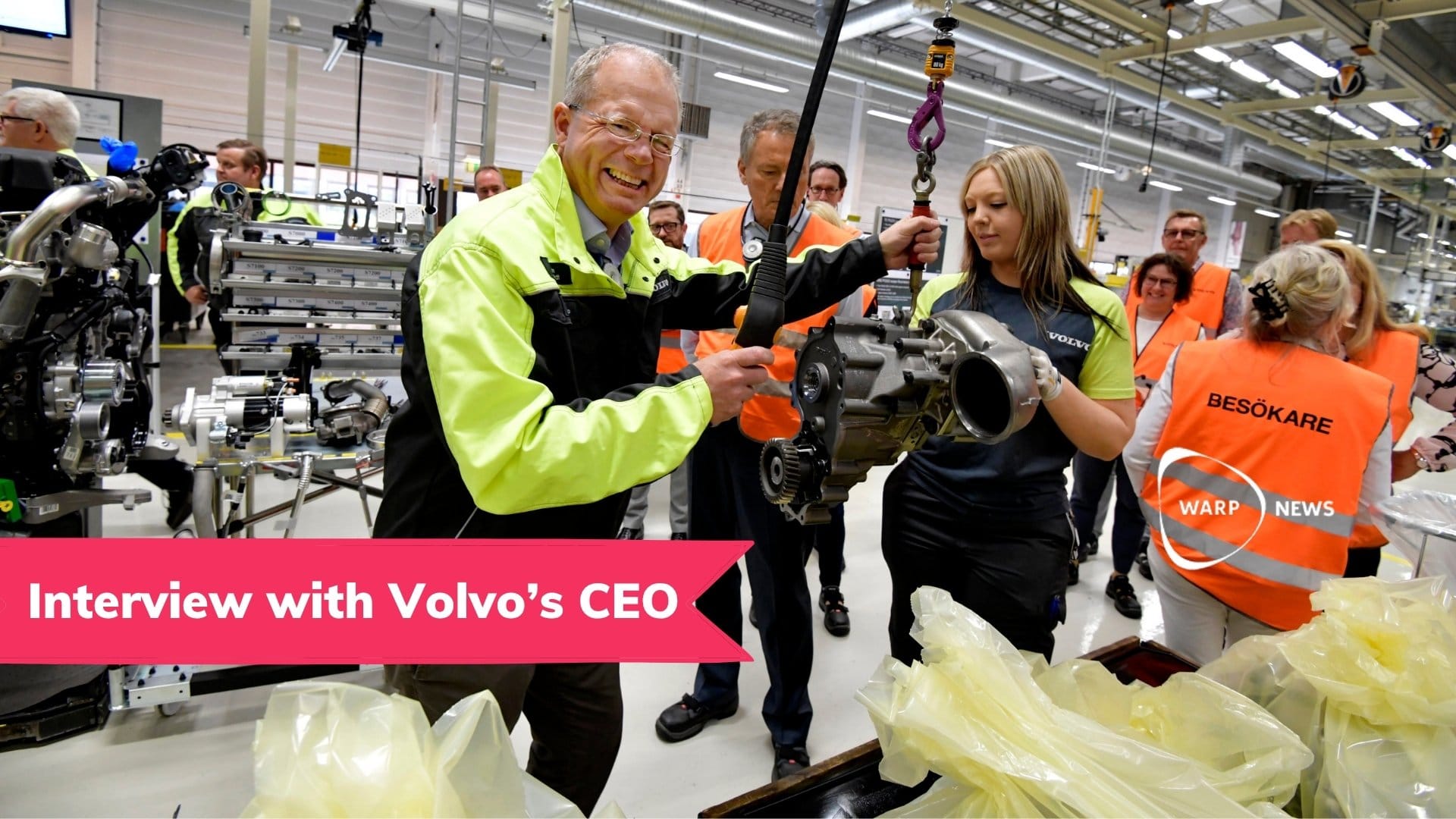
🚛 How he is leading Volvo through its greatest transformation ever
He leads Sweden’s largest company, which has been selling trucks for nearly a hundred years. Soon, they’ll stop doing that — and instead sell transport as a service. How do you lead such a massive company through that kind of transformation?
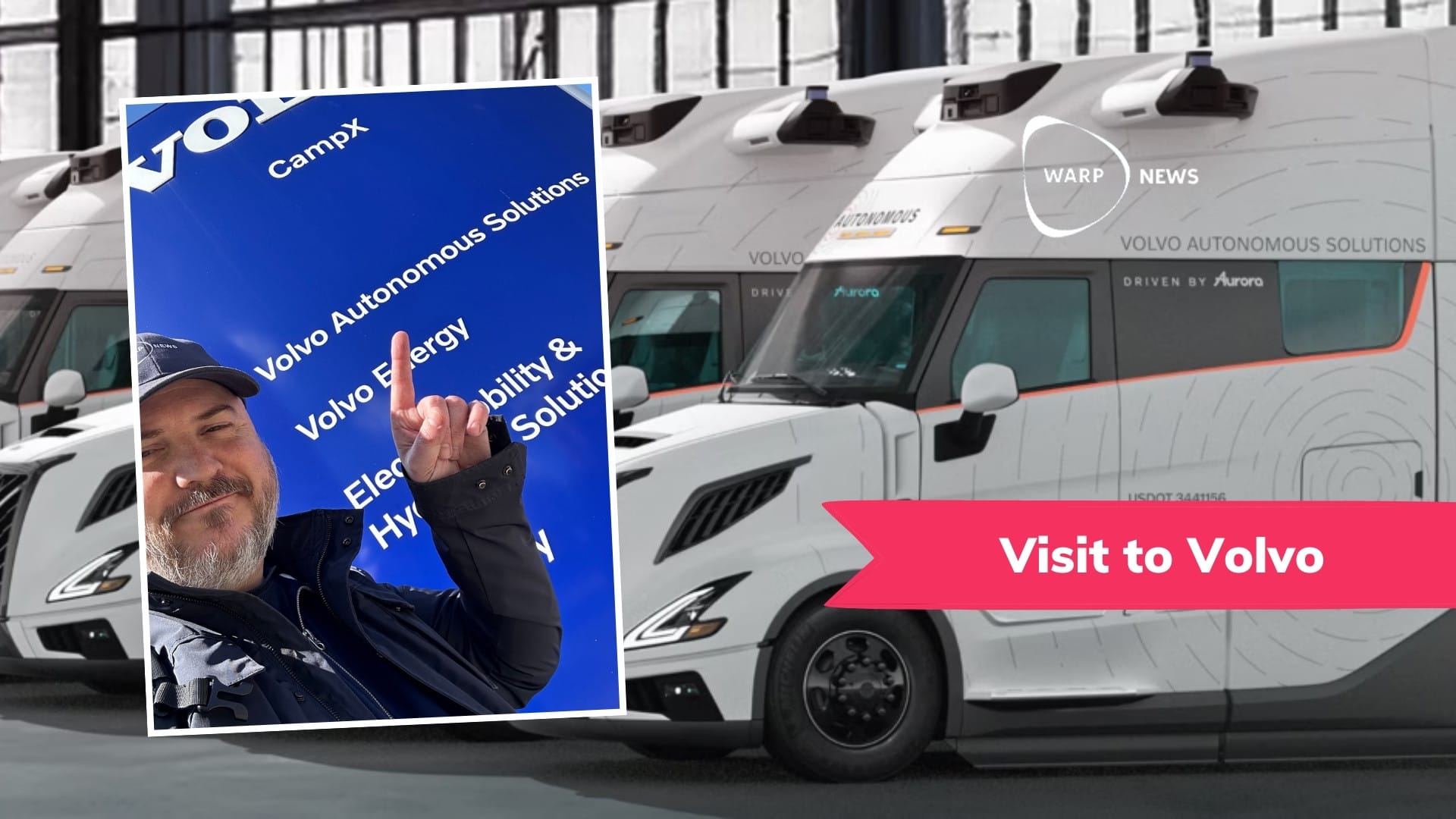
🚛 The self-driving future is getting closer at Volvo
Volvo is facing its biggest shift since the company was founded. Instead of selling trucks, it now aims to sell transportation – with autonomous vehicles at the center of an entirely new ecosystem.
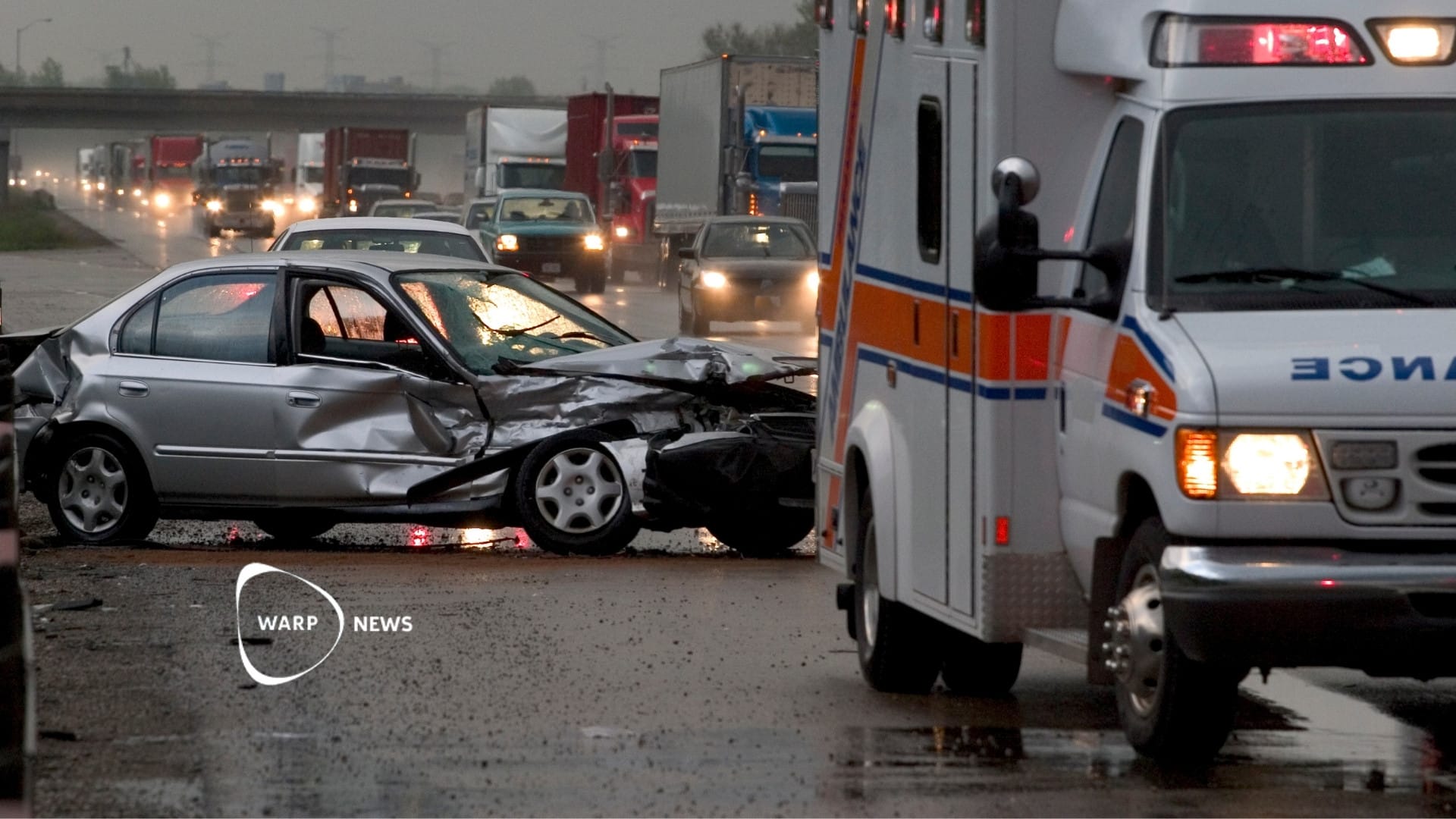
⚰️ The mass slaughter on our roads will come to an end
About when I became a pessimist – and why self-driving vehicles will save millions of lives.
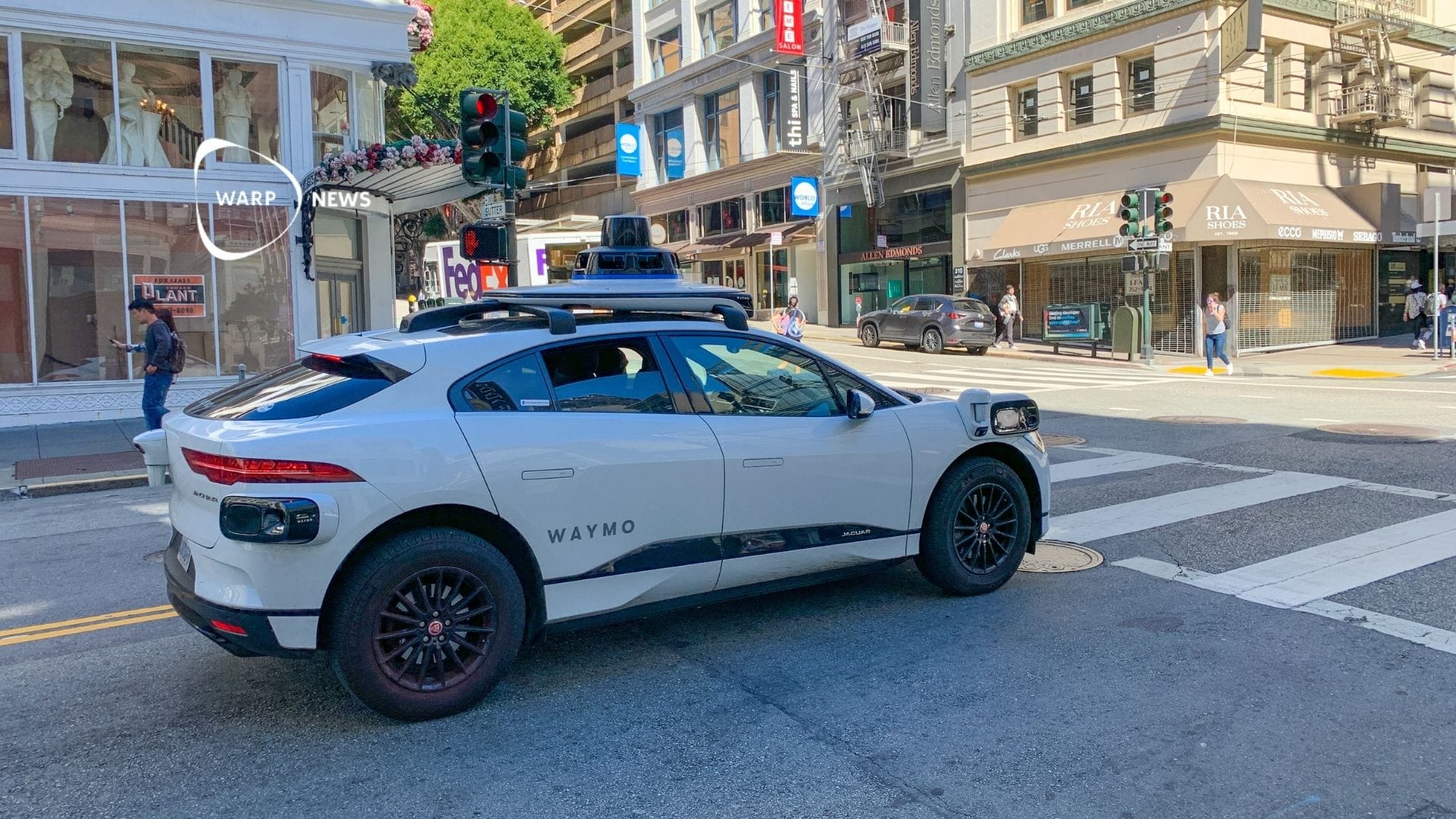
🚗 Waymo's self-driving cars have 79% fewer accidents than human drivers
Waymo's vehicles drove only on regular streets, not highways, and all comparisons were made for similar driving conditions.
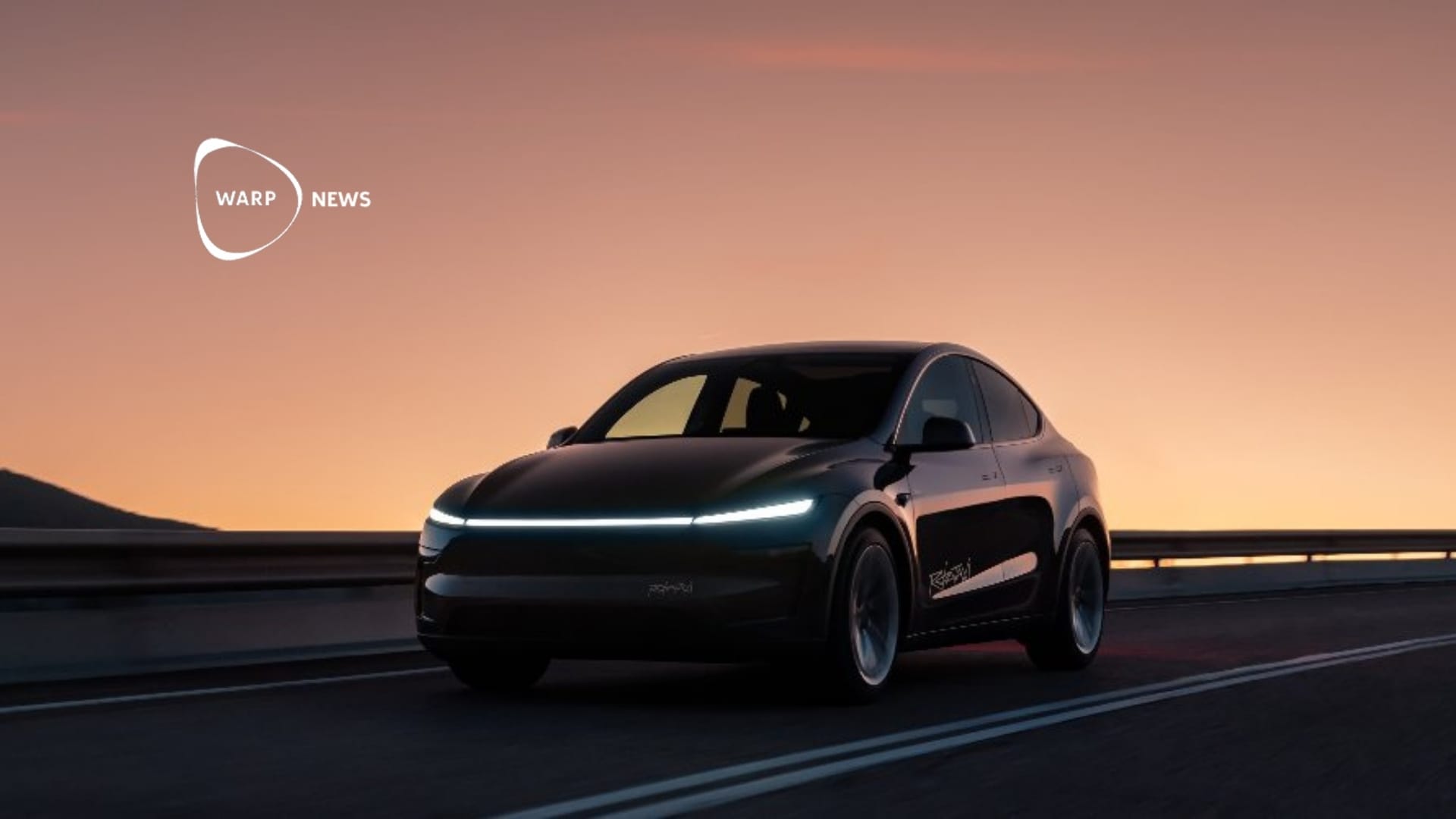
🚗 Tesla starts driverless taxi service in Austin
Tesla has launched its Robotaxi service without drivers in Austin, Texas, where the public can for the first time order driverless rides. This is the first step in a rollout that Elon Musk has said will make autonomous ride-sharing ubiquitous.
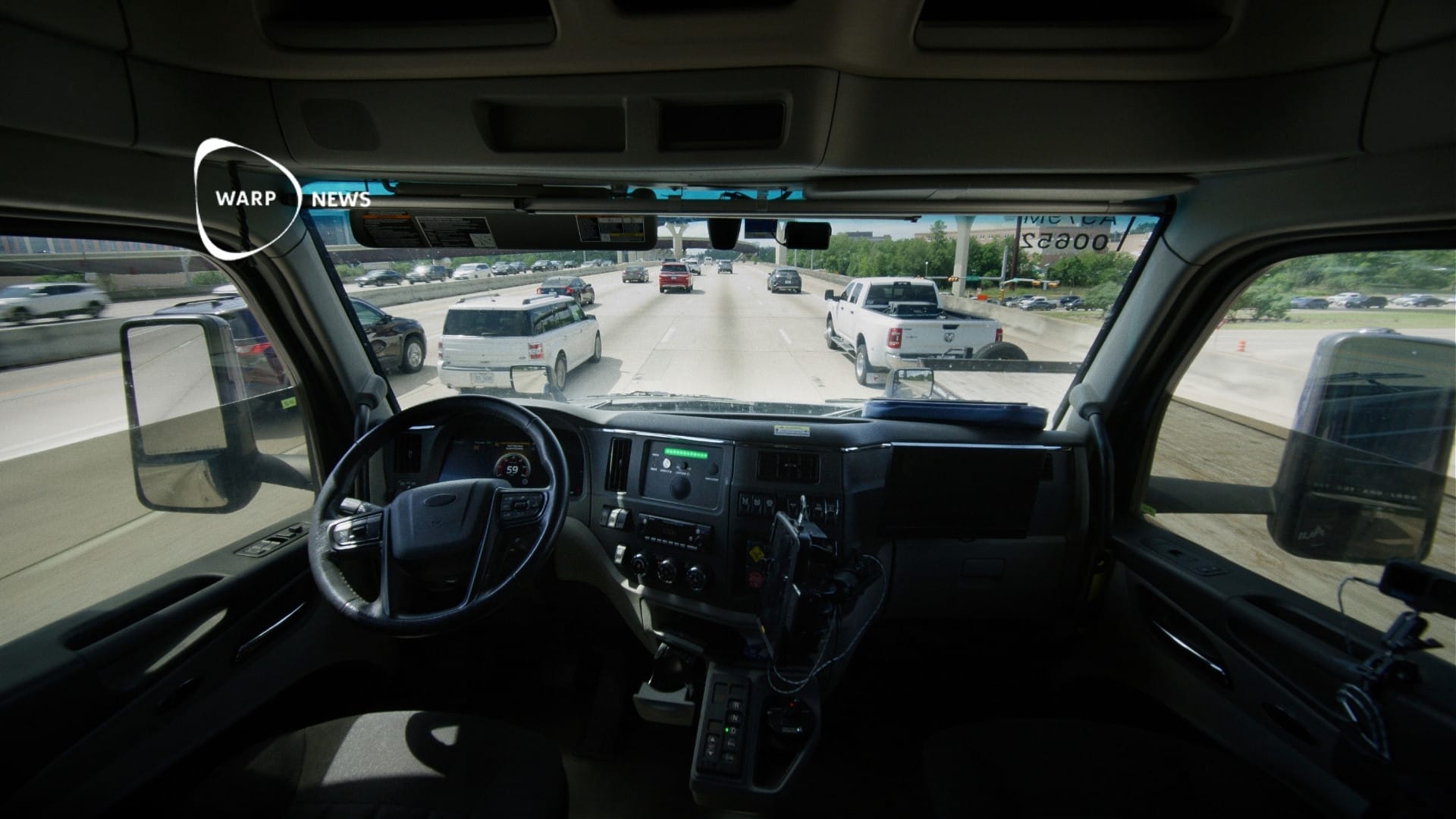
🚚 Aurora launches the first commercial driverless trucking service
Aurora has begun delivering goods with fully driverless trucks between Dallas and Houston, making them the first company with a commercial autonomous trucking service on public roads. The trucks are equipped with sensors that can see over four football fields away.