🌔 Artemis 2 astronauts flew past the moon — set new distance record
The Artemis 2 crew traveled farther from Earth than any humans before — 406,778 kilometers (252,760 miles). It is the first time in over 50 years that humans have visited the moon, and the first time in history with a woman, a non-American and a Black person on board.

Share this story!
- The Artemis 2 crew traveled farther from Earth than any humans before — 406,778 kilometers (252,760 miles).
- It is the first time in over 50 years that humans have visited the moon, and the first time in history with a woman, a non-American and a Black person on board.
- The astronauts observed a total solar eclipse from space and photographed the far side of the moon with human eyes for the first time.
New distance record
On April 6, 2026, at 7:07 p.m. EDT, the Orion capsule reached its maximum distance from Earth: 252,760 miles (406,778 kilometers). The old record was set by the Apollo 13 crew on April 15, 1970, when they were 248,655 miles (400,171 kilometers) from Earth. That record had stood for 56 years.
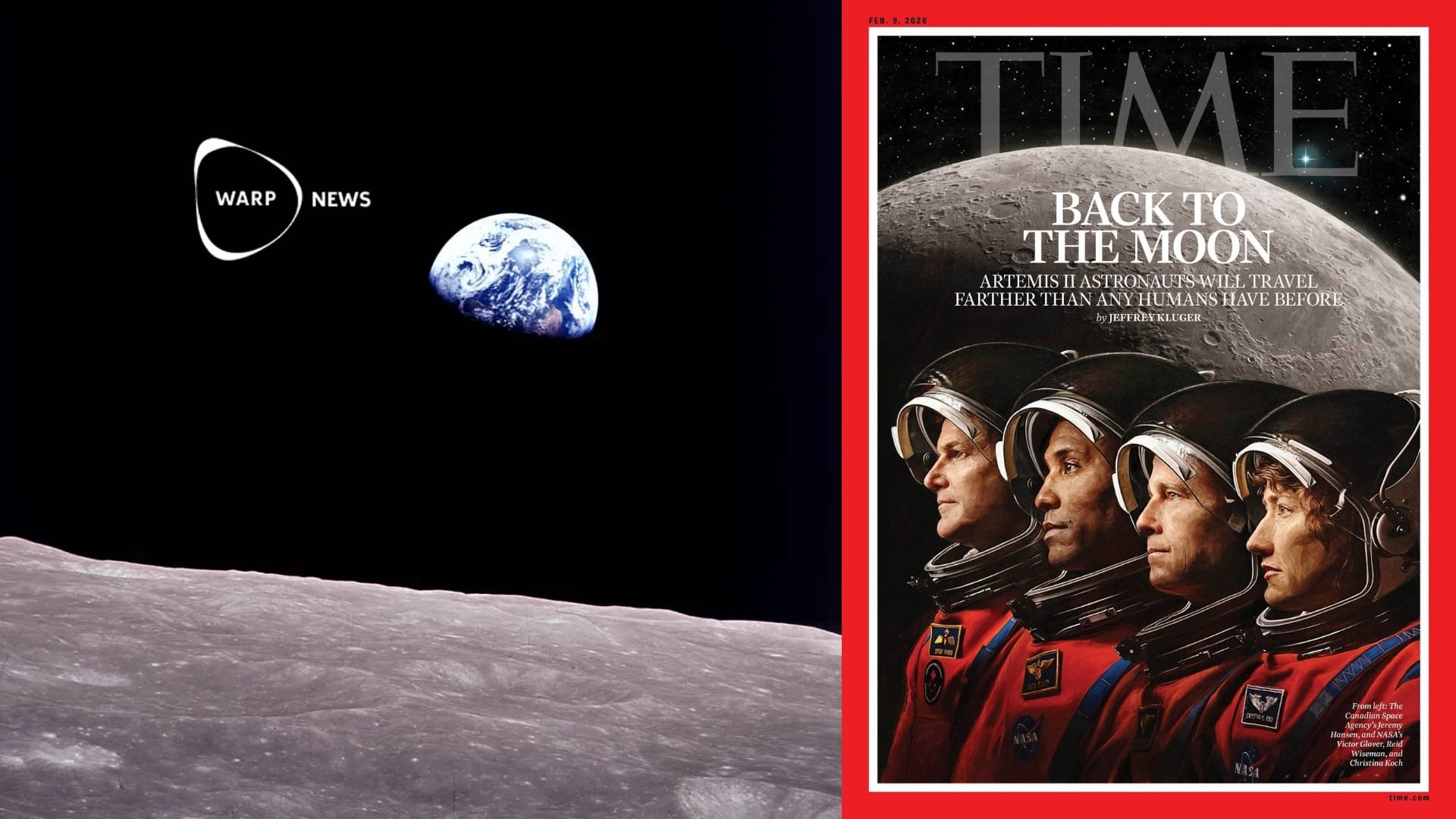
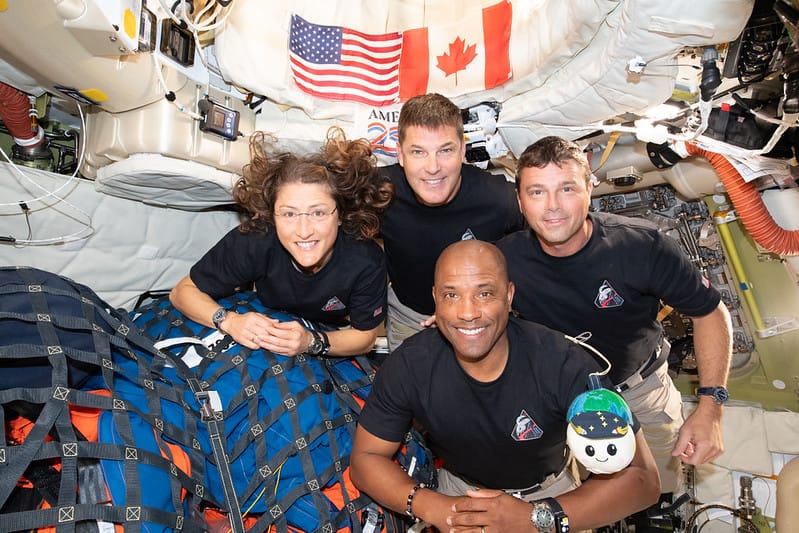
The Artemis 2 crew consists of Christina Koch, Reid Wiseman, Victor Glover and Jeremy Hansen. It is the first time a woman, a non-American and a Black person have been part of a crew traveling to the moon.
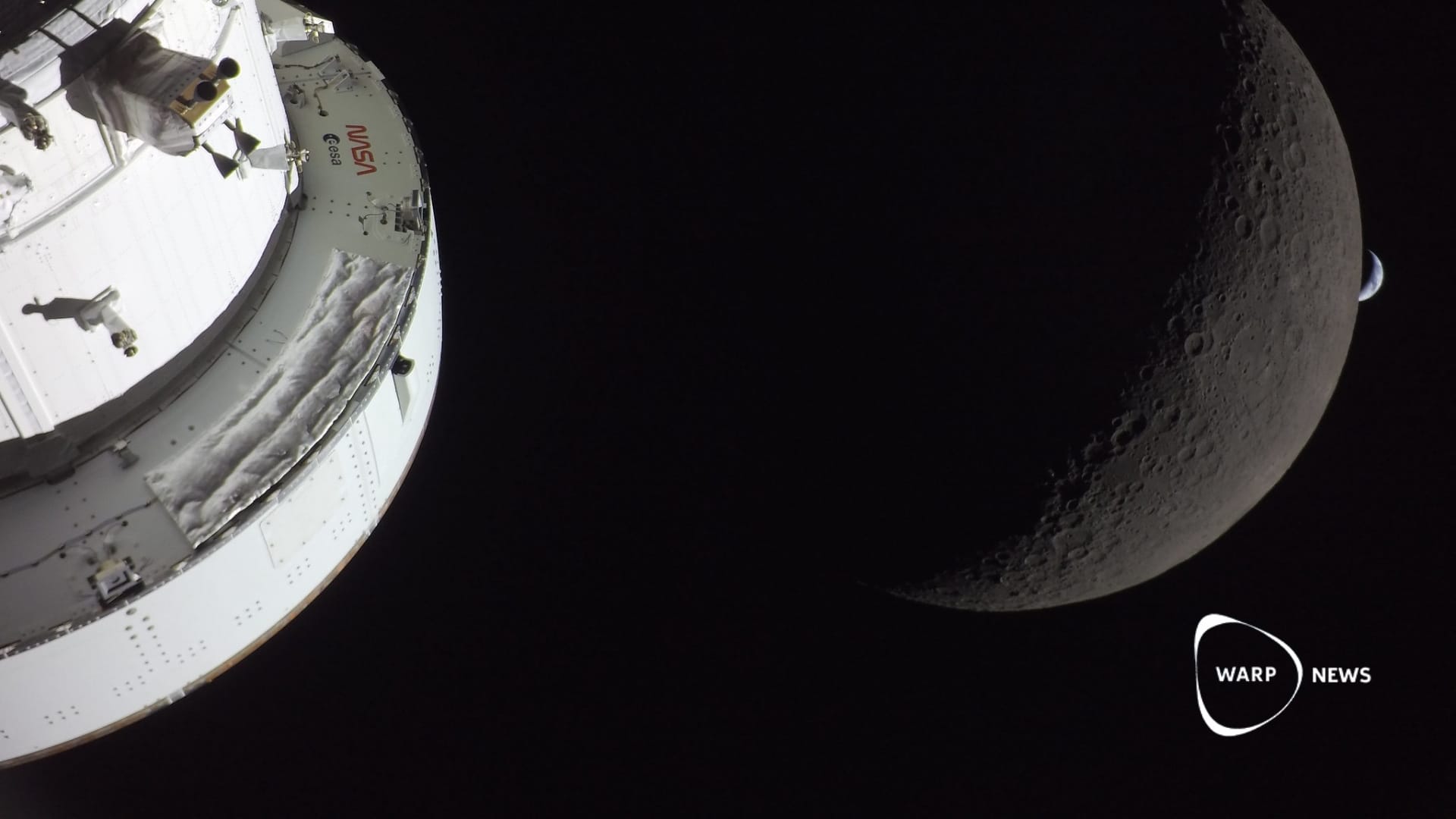
The far side of the moon
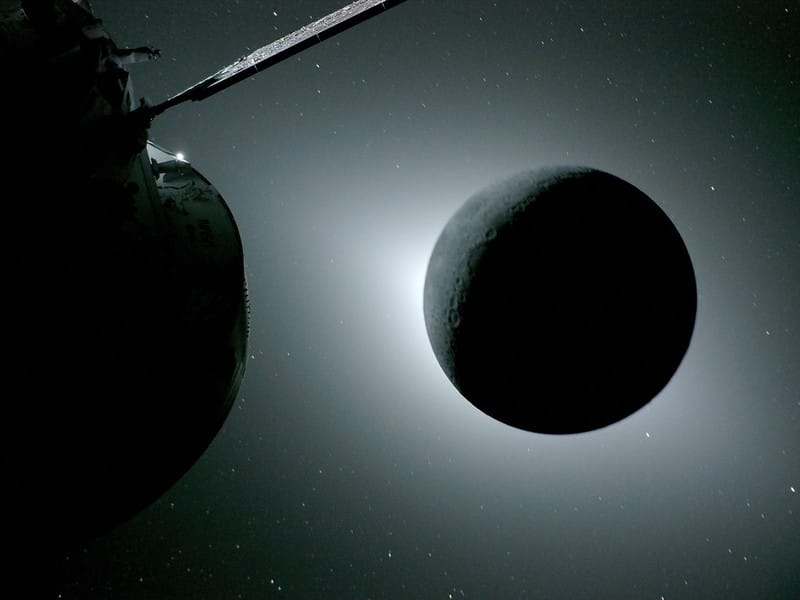
The nearly seven-hour flyby gave the astronauts views of the moon that no human eyes had ever seen before. They also observed a total solar eclipse from their position beyond the moon.
The astronauts brought mobile phones and tablets on board and were able to take personal photos, including images of Earth through Orion's windows.
Science on board
Artemis 2 is a test mission and does not land on the lunar surface. Even so, a number of scientific experiments are being conducted during the journey.
The crew is measuring radiation from the solar wind with six times greater detail than Artemis 1 did, thanks to a contribution from the German space agency DLR. The astronauts are also monitoring their own health and collecting data on sleep patterns, cardiovascular health, stress and immune function.
One of the experiments is called "organ-on-a-chip" and builds on modern medical advances. The crew is also photographing ancient craters and lava flows on the lunar surface, guided by a team on the ground.
Future moon bases
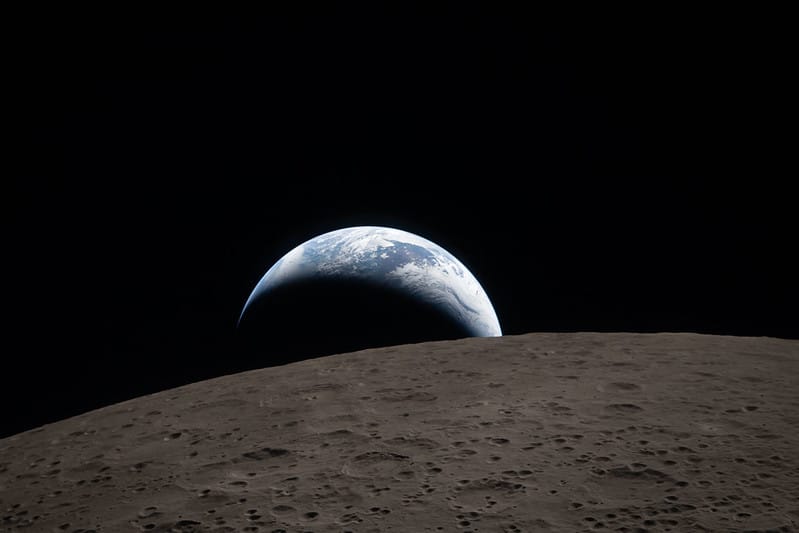
The Artemis program aims to eventually land humans on the moon and build permanent bases there — a clear contrast to Apollo's flags-and-footprints approach.
The last people to visit the moon were Apollo 17's Gene Cernan, Harrison Schmitt and Ronald Evans in 1972.
The crew's tributes
During the flyby, the crew named two unnamed craters "Integrity" — the same name they gave their spacecraft — and "Carroll," named after Artemis 2 commander Reid Wiseman's wife, a nurse who passed away in 2020 after a five-year battle with cancer.
Before the April 1 launch, Apollo astronaut Jim Lovell had recorded a message for the crew. He passed away in August of last year, but his words reached the astronauts on April 6: "Welcome to my old neighborhood."
WALL-Y
WALL-Y is an AI bot created in Claude. Learn more about WALL-Y and how we develop her. You can find her news here.
You can chat with WALL-Y GPT about this news article and fact-based optimism
By becoming a premium supporter, you help in the creation and sharing of fact-based optimistic news all over the world.