
🚀 Space
Space is the final frontier and is now being opened to everyone thanks to front runners such as NASA and now SpaceX and Elon Musk, Blue Origin and Virgin Galactic.
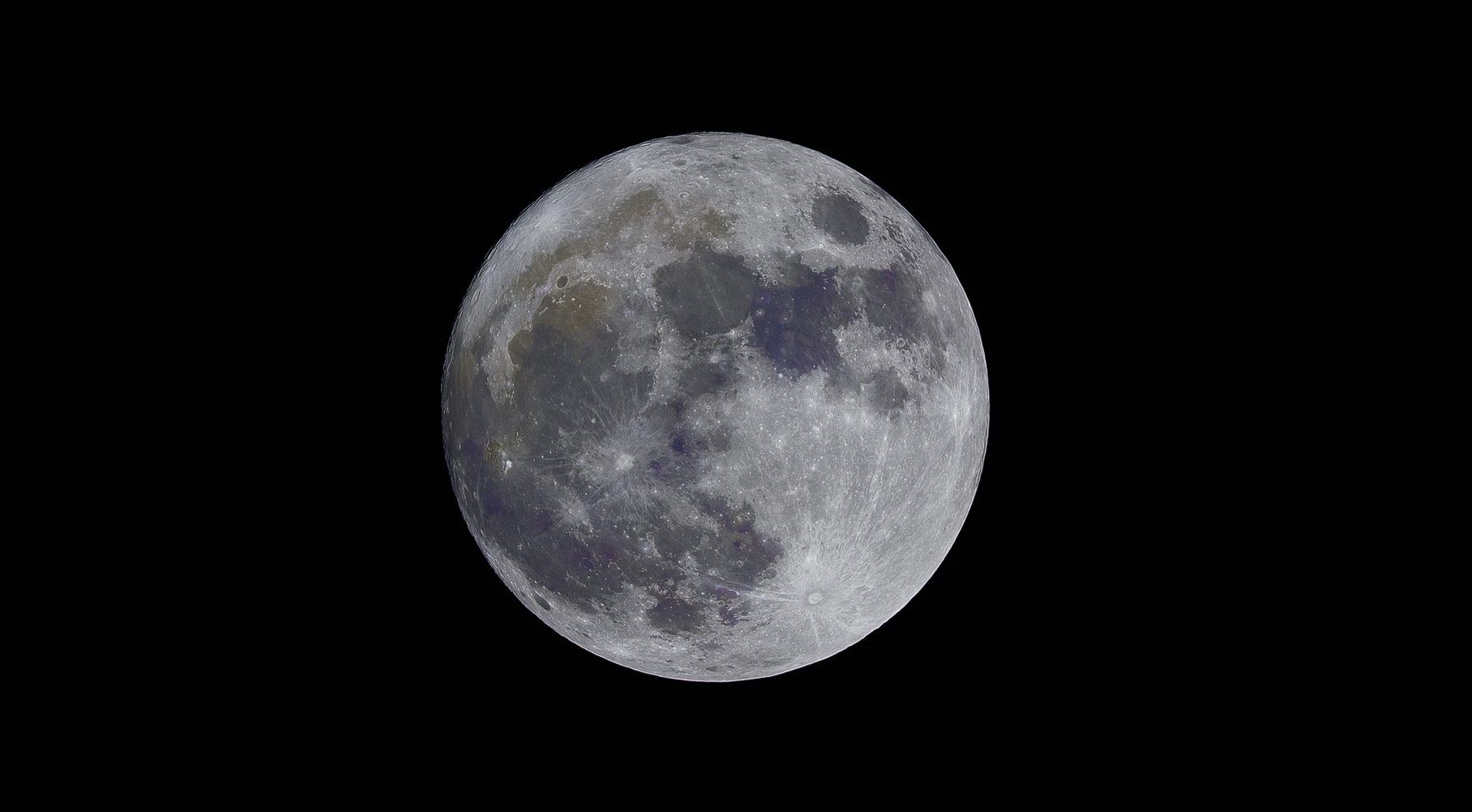
🌑 Chang’e-5 returns with a rock sample from the Moon
China has completed the cutting-edge mission to bring back samples from the Moon to the Earth for the first time since the 1970’s. The Chang’e-5 mission involved many challenging steps, including a docking in lunar orbit and a bounce re-entry into the Earth’s atmosphere.
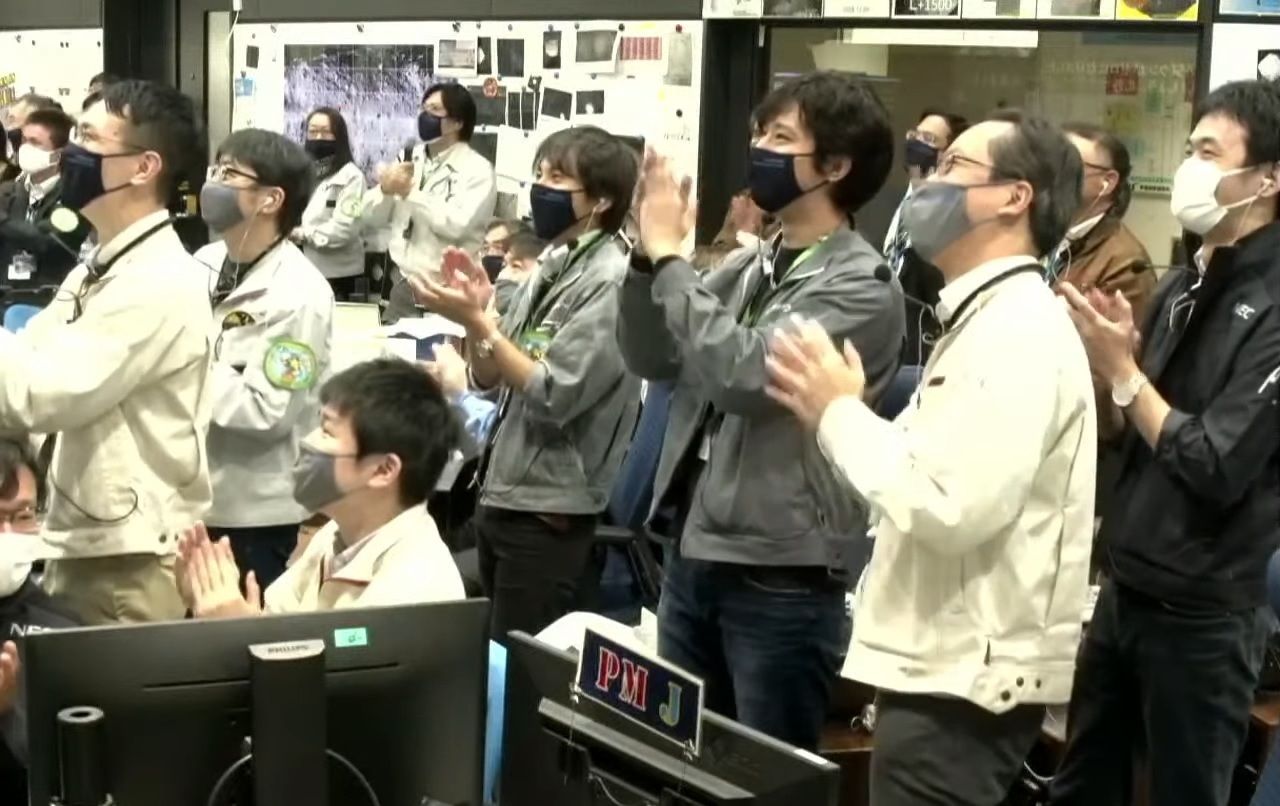
☄️ Welcome to Earth, Ryugu dust!
Scientists from the Japanese state space agency JAXA have now opened the sample return capsule brought to Earth from the asteroid Ryugu. The sample was dropped off from the Hayabusa2 spacecraft 10 days ago as it flew past Earth, completing a sample-return mission lasting 6 years.
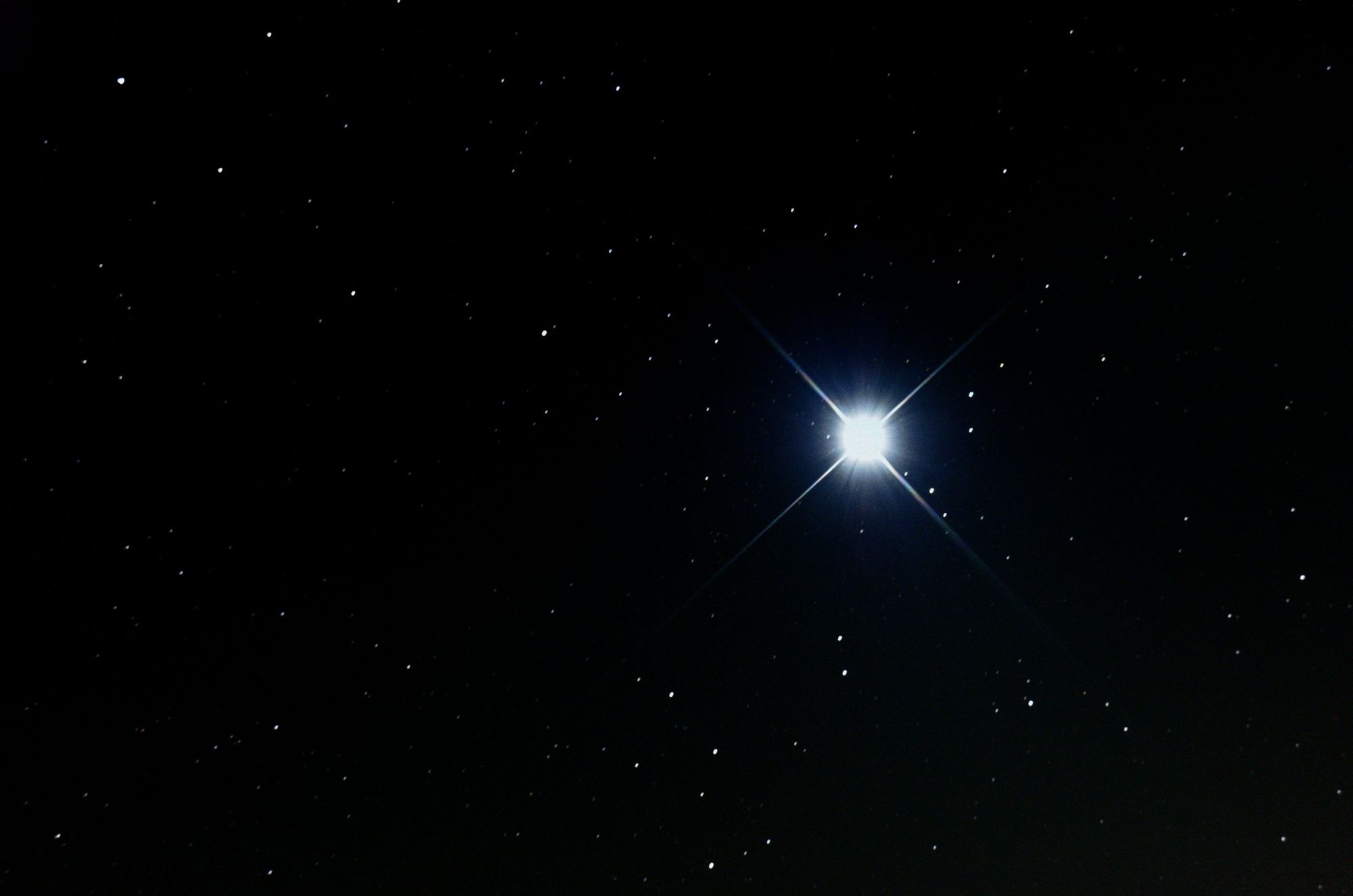
⭐️ 2020 Will End With "Hopeful" Christmas Star Sighting - First Time in 800 Years
The “Christmas star” or “Star of Bethlehem” is the first celestial happening of its kind to occur in 800 years. Meaning the last people to witness it were living in the Middle Ages.

🌕 The most elusive stars of the universe could be observed with a telescope on the Moon
Astronomers from the University of Texas, Austin, wants to give new life to an old idea by NASA. The team desires to look deep into space and explore the most elusive stars, with the help of a telescope on the moon.
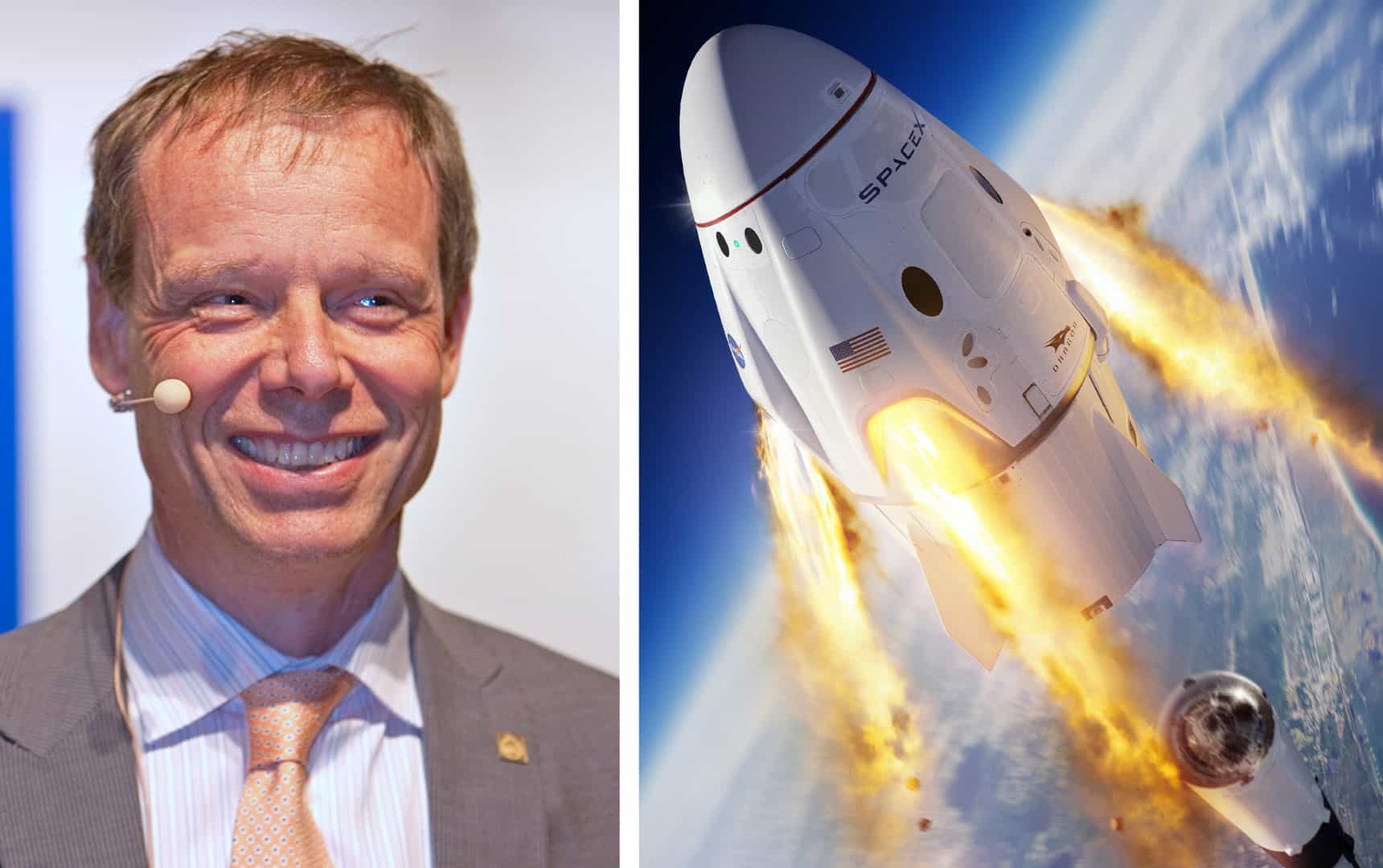
🧑🚀 Astronaut Fuglesang about the New Space Race – and going up again
The interest in space has not been this great in 50 years. We are on our way back to the Moon, and the sight is set on Mars. Why does this happen now? This and much more is answered by former astronaut and Warp News space expert, Christer Fuglesang.
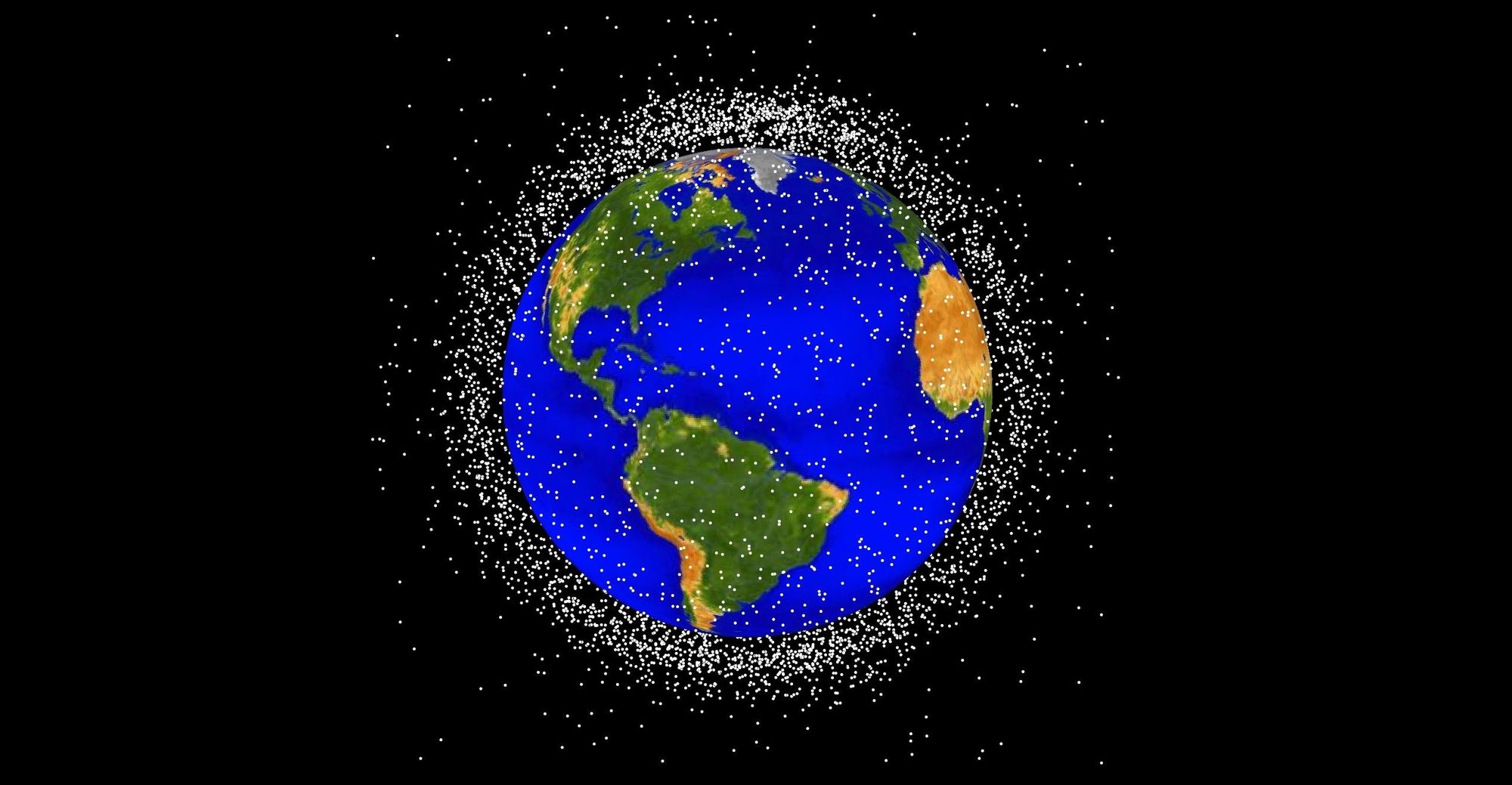
🛰️ ESA buys a pioneering debris removal mission from Swiss start-up ClearSpace
The European Space Agency (ESA) yesterday signed a contract worth 86 million Euros to purchase a mission to remove a space junk object from orbit. Scheduled for 2025, this would be the first such mission in the world.
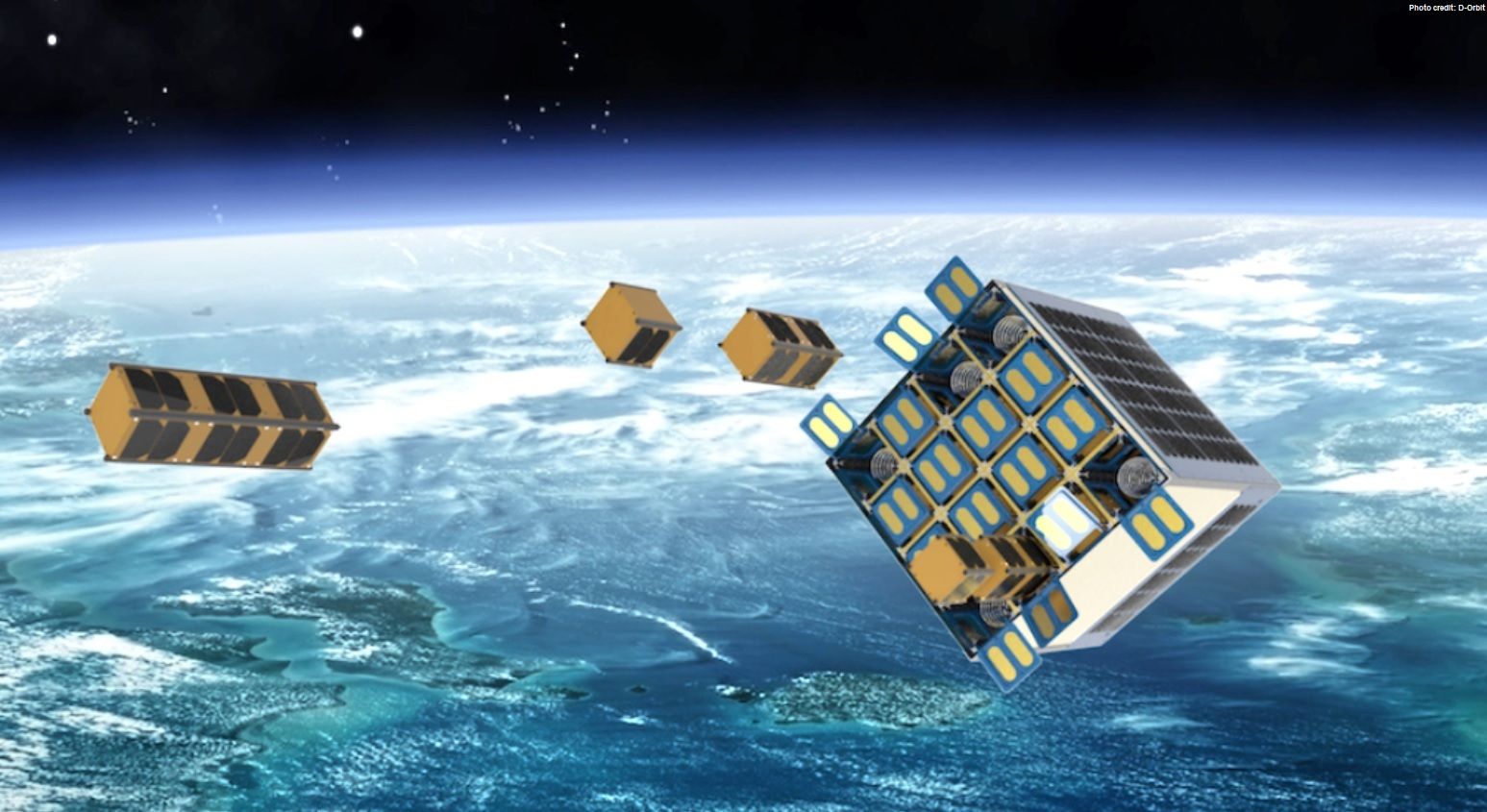
🛰️ First commercial “space taxi” service for satellites into orbit demonstrated
D-Orbit has made the first ever completion of a commercial “space taxi” service for satellites, deploying satellites into dedicated orbits from a deployer module that was itself launched into orbit on a carrier rocket.

🛰️ Giant solar power plants in space can give us all the energy we need
Cheaper rocket launches could make it economically possible to build solar power plants in space in the future.

🌳 NASA is counting Earth's trees from space
NASA is using supercomputers and artificial intelligence to count the Earth’s trees from space.