
🚀 Space
Space is the final frontier and is now being opened to everyone thanks to front runners such as NASA and now SpaceX and Elon Musk, Blue Origin and Virgin Galactic.
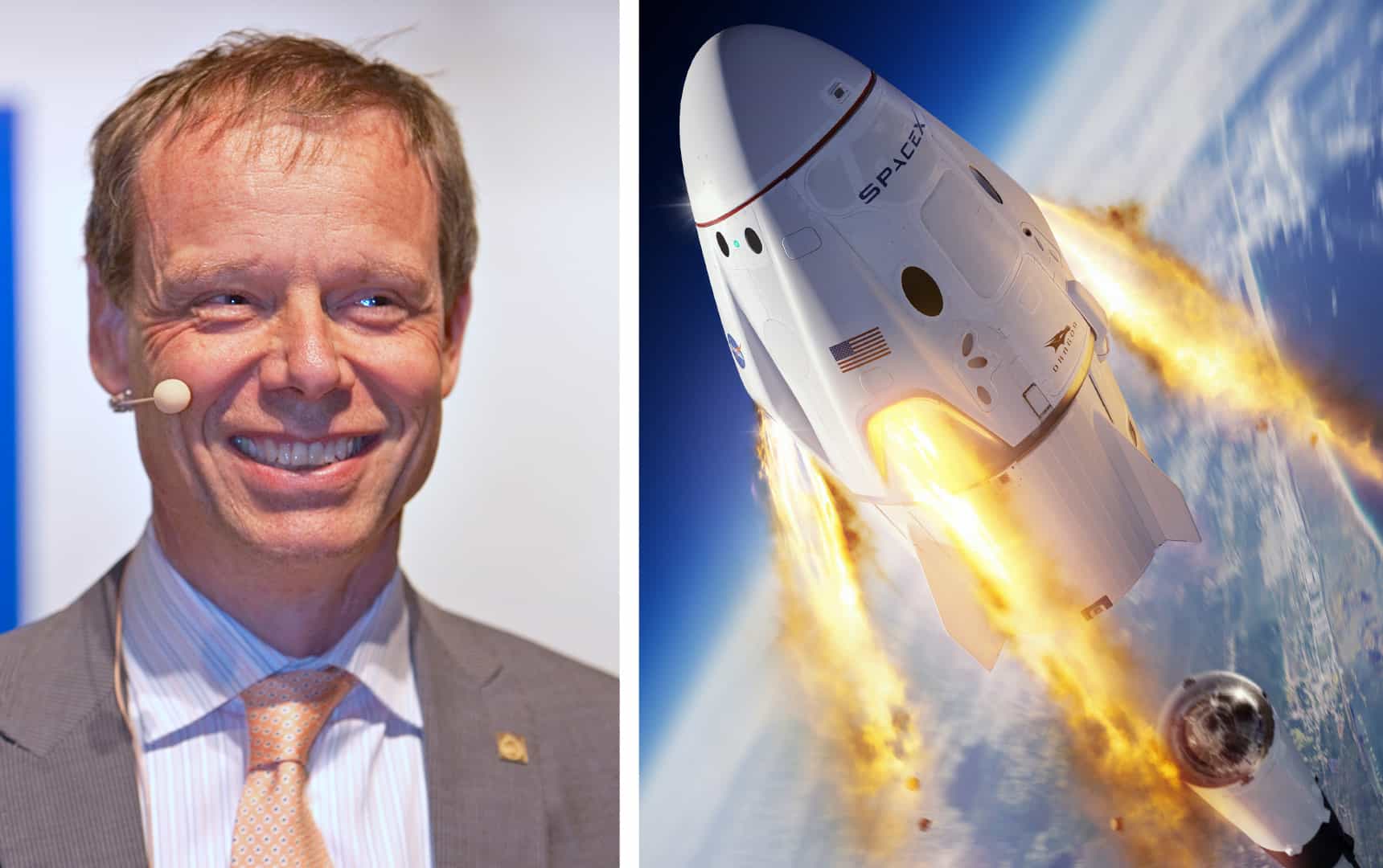
🧑🚀 Astronaut Fuglesang about the New Space Race – and going up again
The interest in space has not been this great in 50 years. We are on our way back to the Moon, and the sight is set on Mars. Why does this happen now? This and much more is answered by former astronaut and Warp News space expert, Christer Fuglesang.
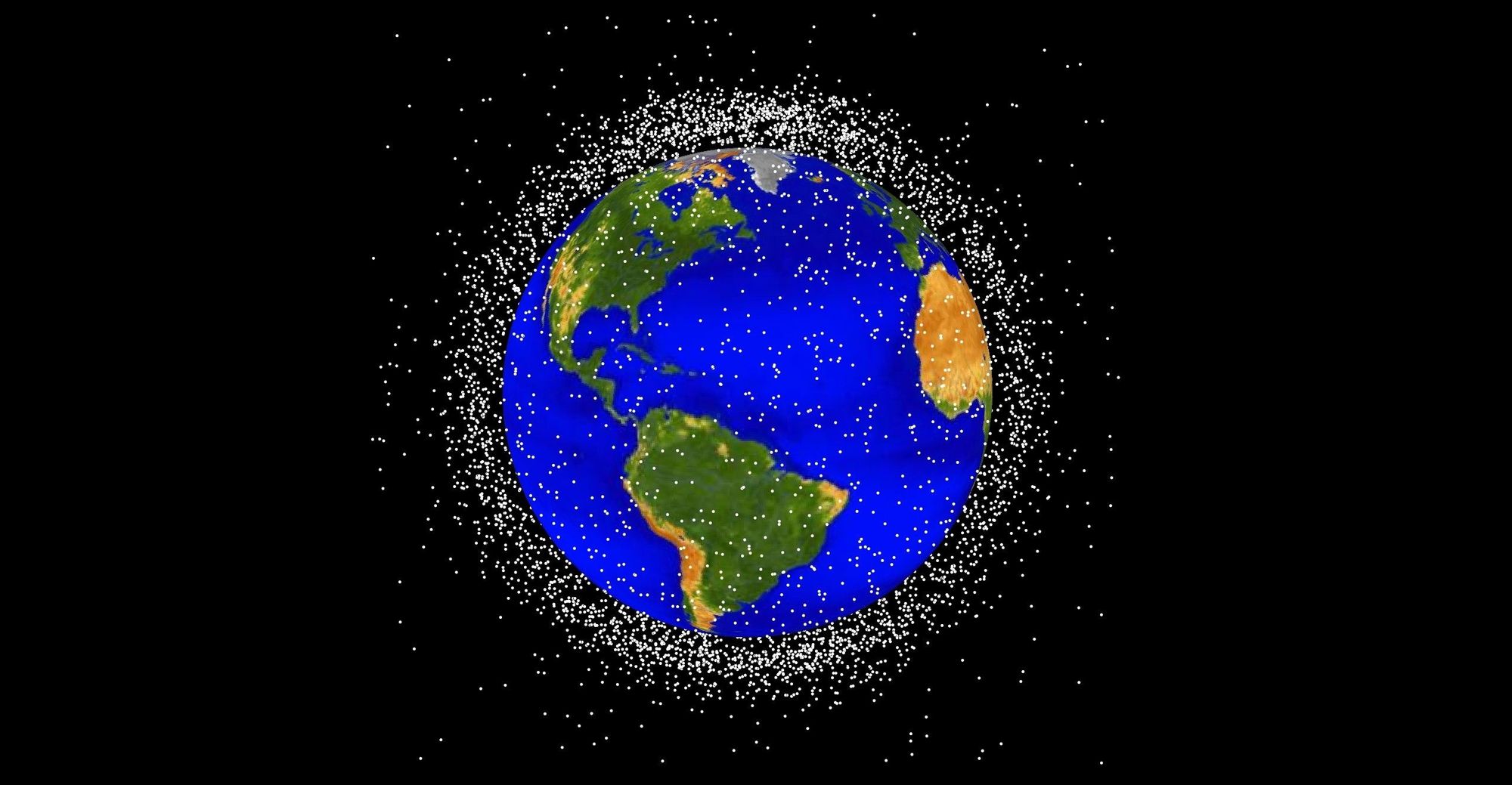
🛰️ ESA buys a pioneering debris removal mission from Swiss start-up ClearSpace
The European Space Agency (ESA) yesterday signed a contract worth 86 million Euros to purchase a mission to remove a space junk object from orbit. Scheduled for 2025, this would be the first such mission in the world.
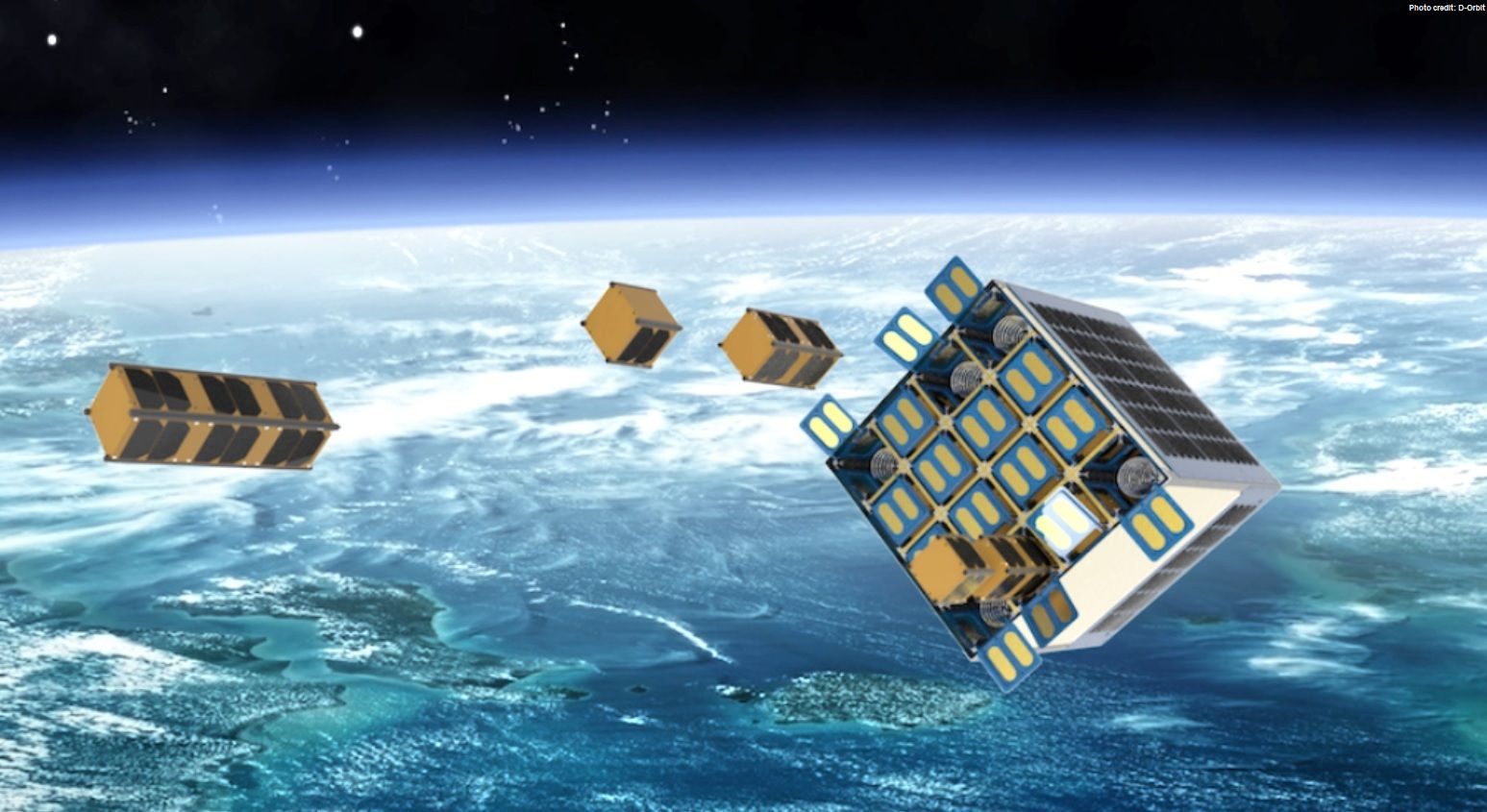
🛰️ First commercial “space taxi” service for satellites into orbit demonstrated
D-Orbit has made the first ever completion of a commercial “space taxi” service for satellites, deploying satellites into dedicated orbits from a deployer module that was itself launched into orbit on a carrier rocket.
🛰️ Giant solar power plants in space can give us all the energy we need
Cheaper rocket launches could make it economically possible to build solar power plants in space in the future.
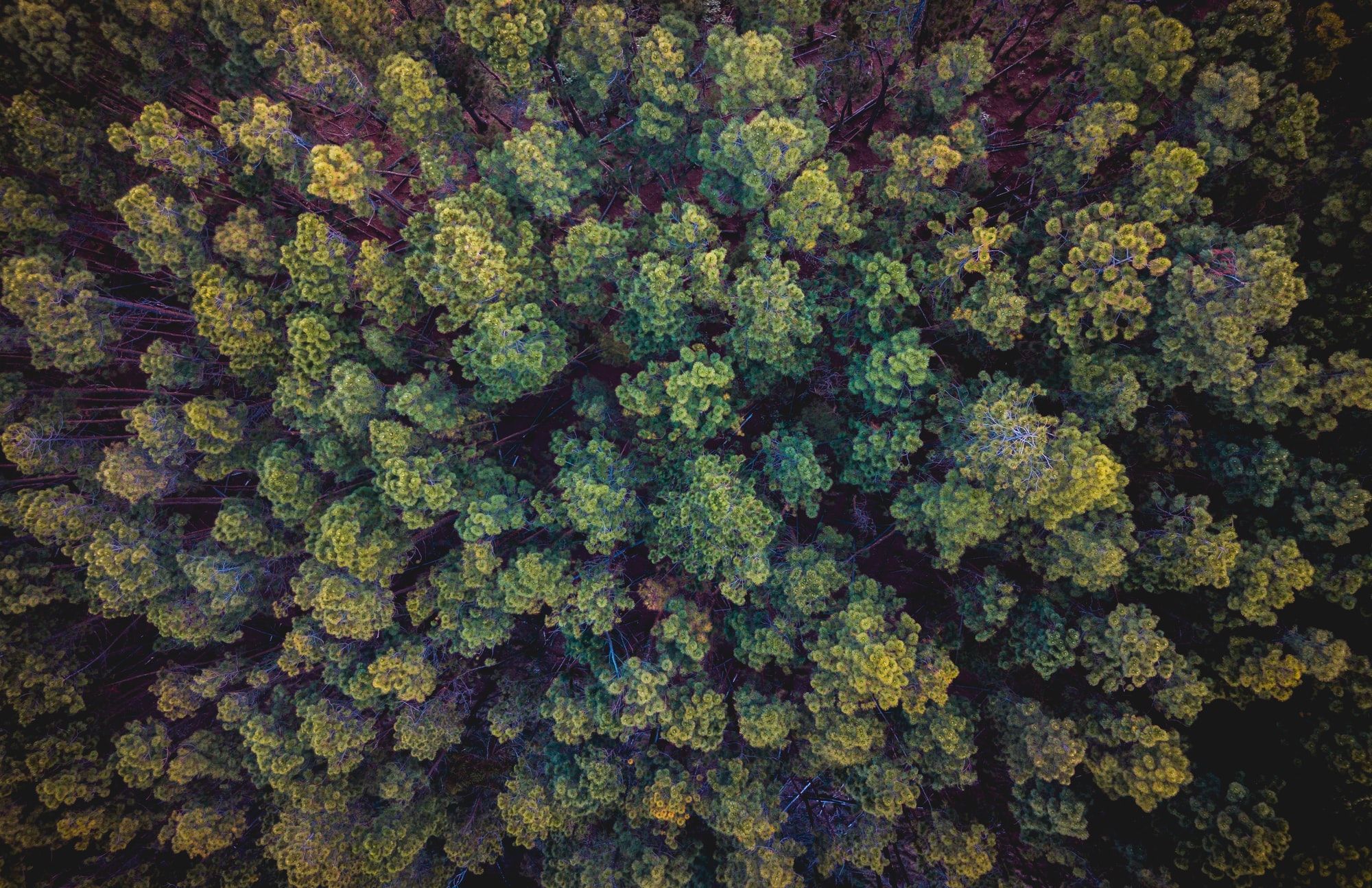
🌳 NASA is counting Earth's trees from space
NASA is using supercomputers and artificial intelligence to count the Earth’s trees from space.
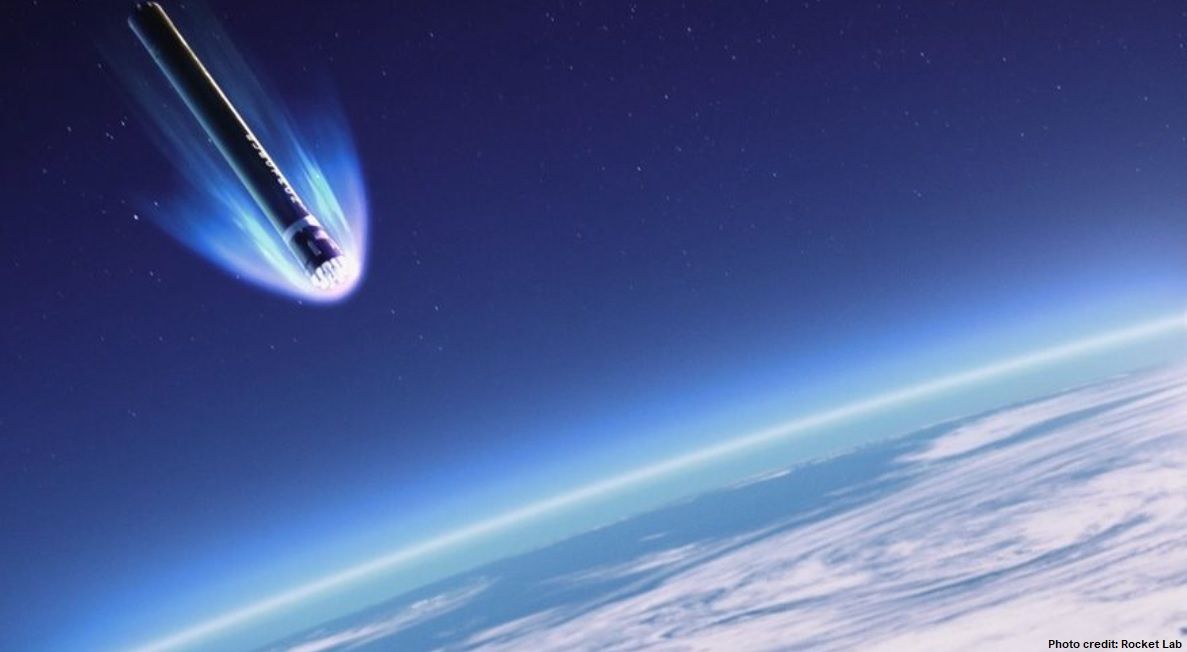
🚀 Rocket Lab successfully completes booster recovery
Rocket Lab joins the list of private launch companies to have successfully recovered the first stage of a rocket after launch. The stage survived atmospheric reentry and a controlled fall into the Pacific Ocean.
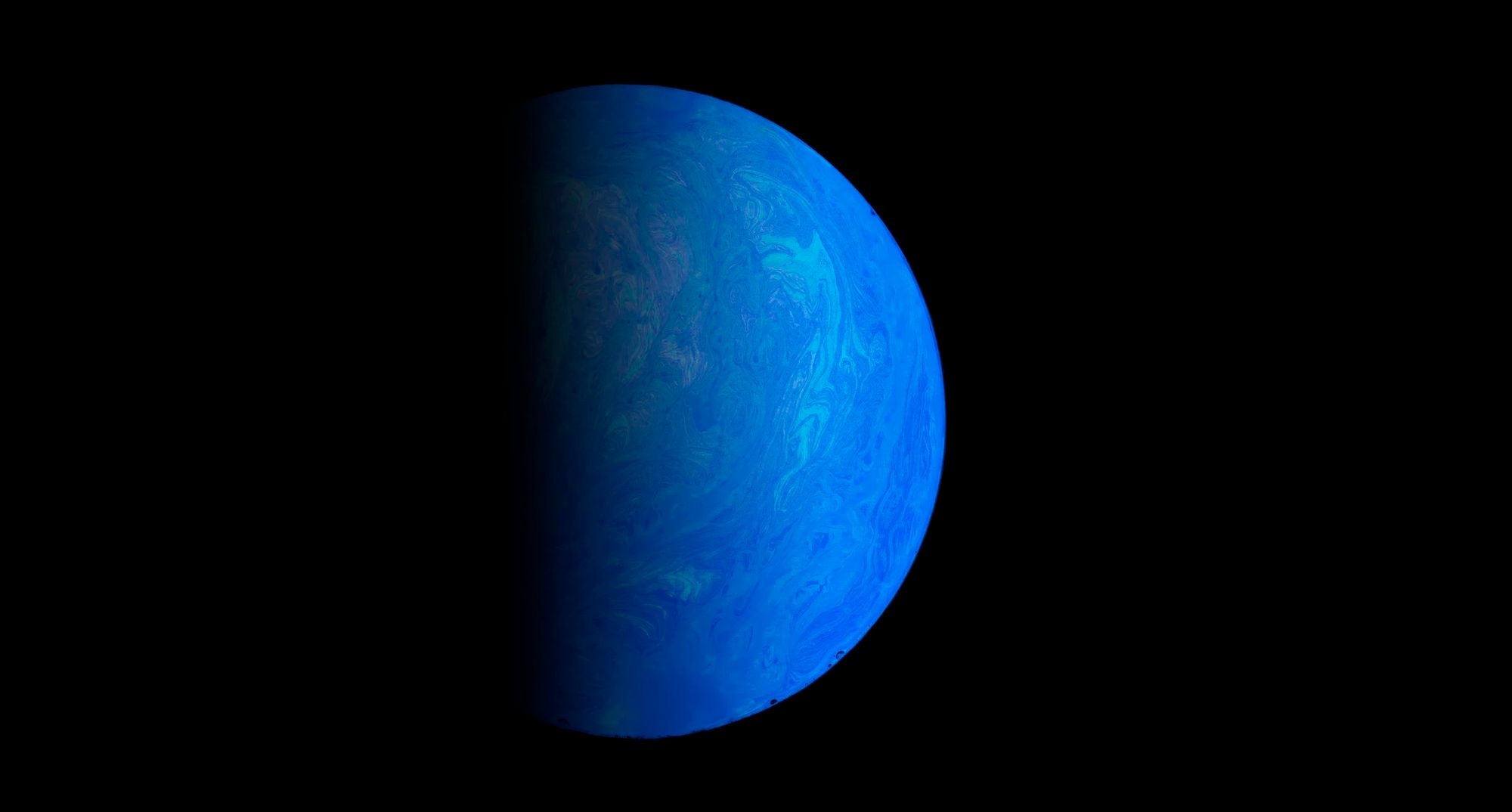
🔭 First ever exoplanet discovery made by artificial intelligence
Astronomers applied a machine learning algorithm to validate the presence of exoplanets on telescope images, resulting in 50 new confirmed discoveries.
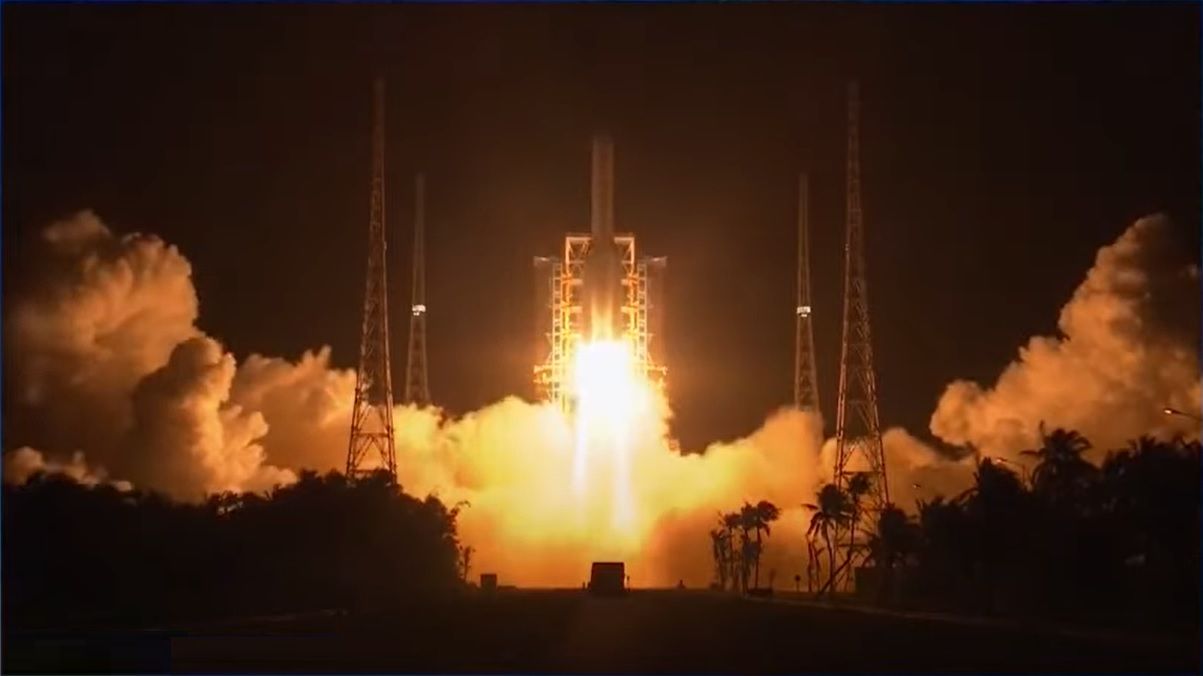
🚀 Chang’e-5 blasts off towards the Moon
China has launched the latest mission in its ambitions series of Moon projects. Chang’e-5 will bring the first sample from the lunar surface back to Earth since the 1970’s.
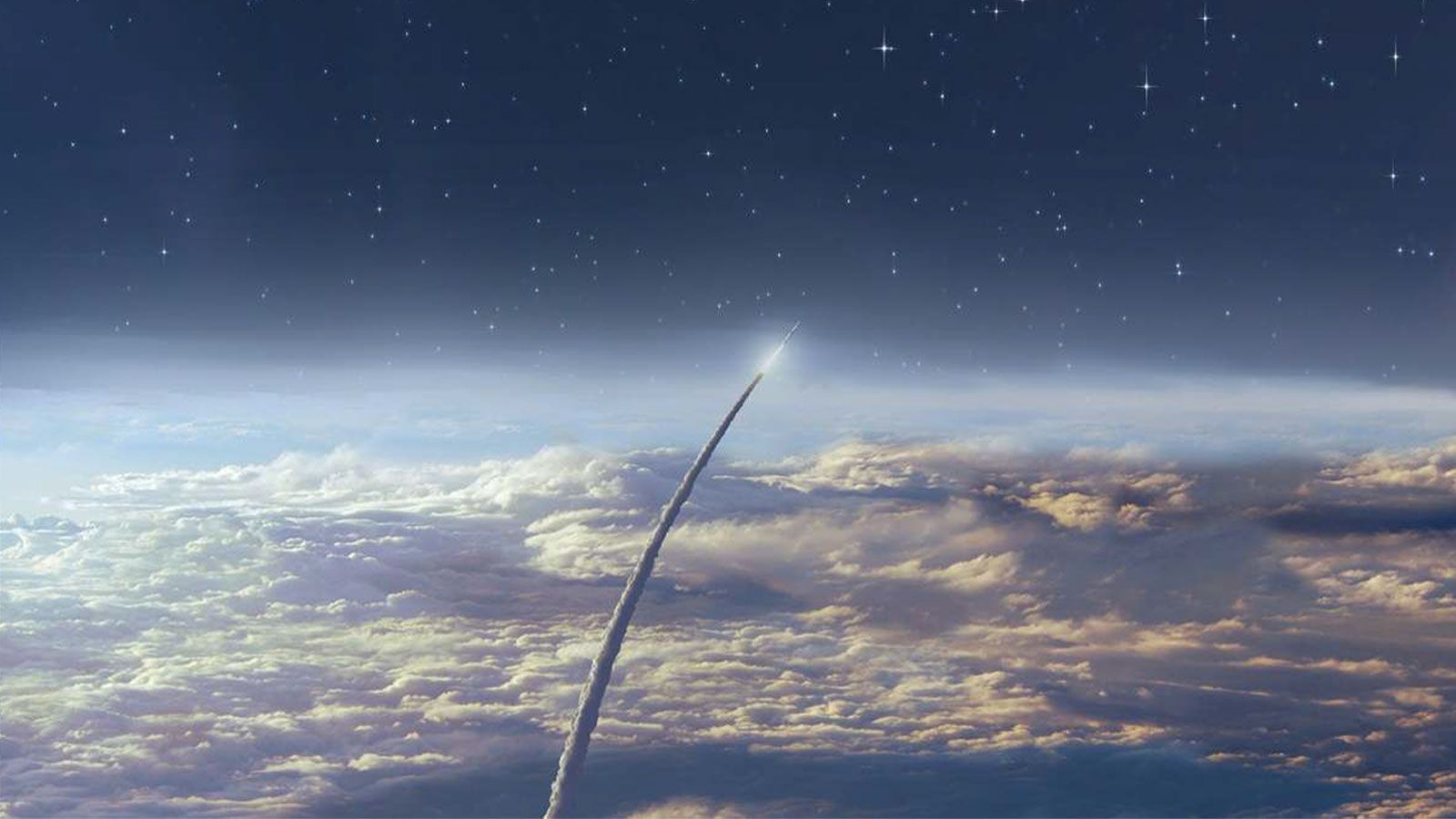
📚 E-book: The New Space Race
In the 1960’s the US and Soviet Union went head to head in the race to space. Today, sixty years later, the new space race has set its eyes not just on going to orbit around Earth, researching asteroids for minerals and going back to the Moon.