
🚘 Transportation
Transportation in all forms and sizes are getting cleaner and the vehicles are self-driving. We for example cover electric cars, airplanes and trucks but also drones and all kinds of autonomous vehicles.

🎙️ Kevin Kelly and Dan Pink launch podcast about best possible future scenarios
New podcast series – Best Case Scenarios – explores the best possible developments in energy, transportation, biotechnology, and brain science over the next 25 years. The focus is on what happens if everything goes right and how technology can reduce costs, emissions, and accidents.
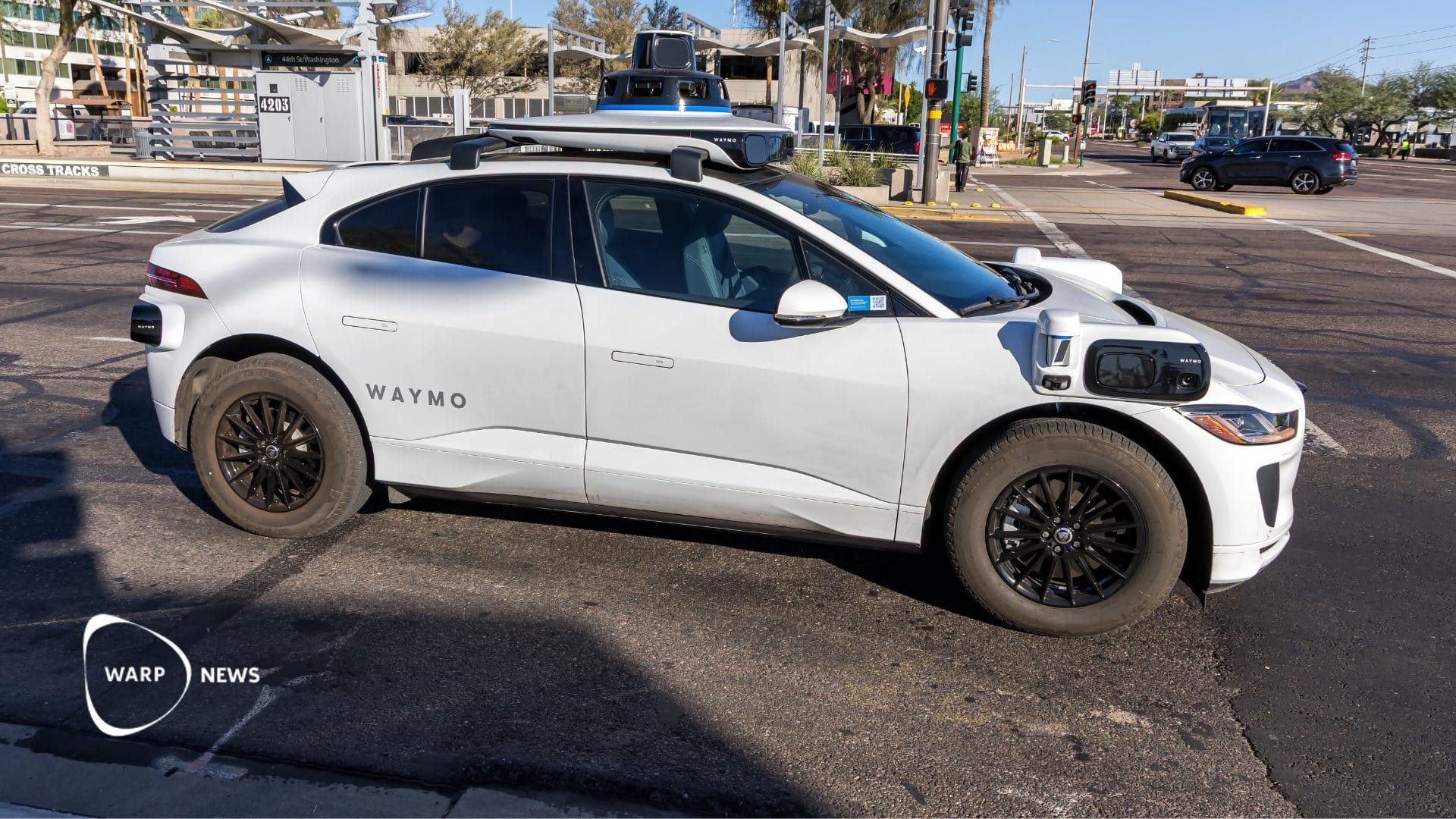
🚙 Waymo launches driverless taxi rides in four new cities and presents next-generation technology
Data from over 127 million miles driven shows that Waymo's driverless cars have ten times fewer serious crashes and twelve times fewer crashes with pedestrians compared to human drivers. The company has launched new sensor technology with the ability to drive in extreme winter weather.
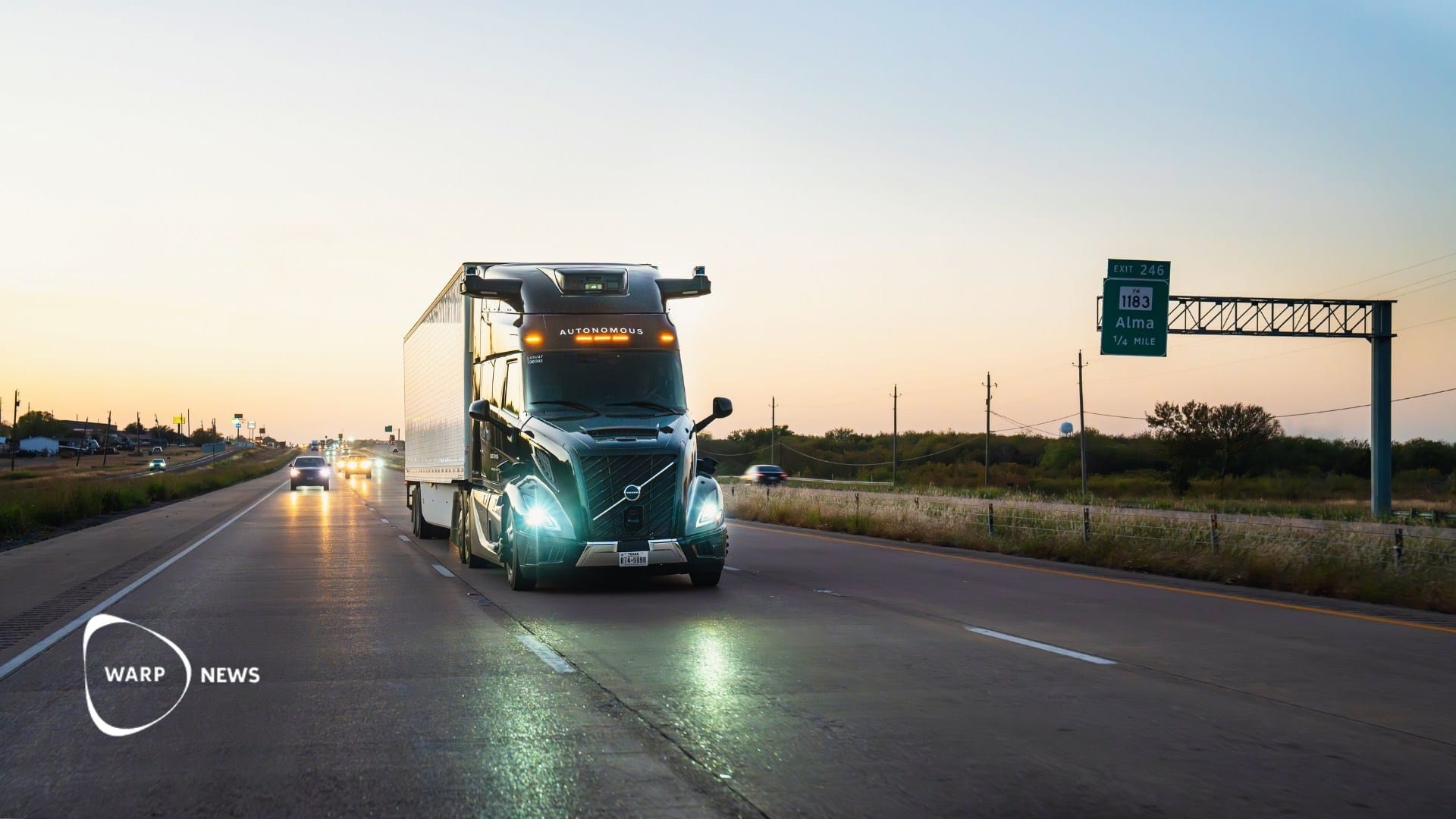
🚚 Aurora triples its driverless truck network and expands across the southern United States
Aurora has expanded its driverless network from three to ten routes. The Fort Worth–Phoenix route of approximately 1,000 miles is the first driverless freight route to exceed mandated driving time limits, nearly halving transit times.

🌉 New bridge in Sierra Leone cuts journey from half a day to five minutes
The Gendema Bridge replaces a 50-year-old hand-pulled ferry across the Sewa River. The bridge is part of a larger effort where a total of eight bridges are being built to connect farmers with markets across the country.
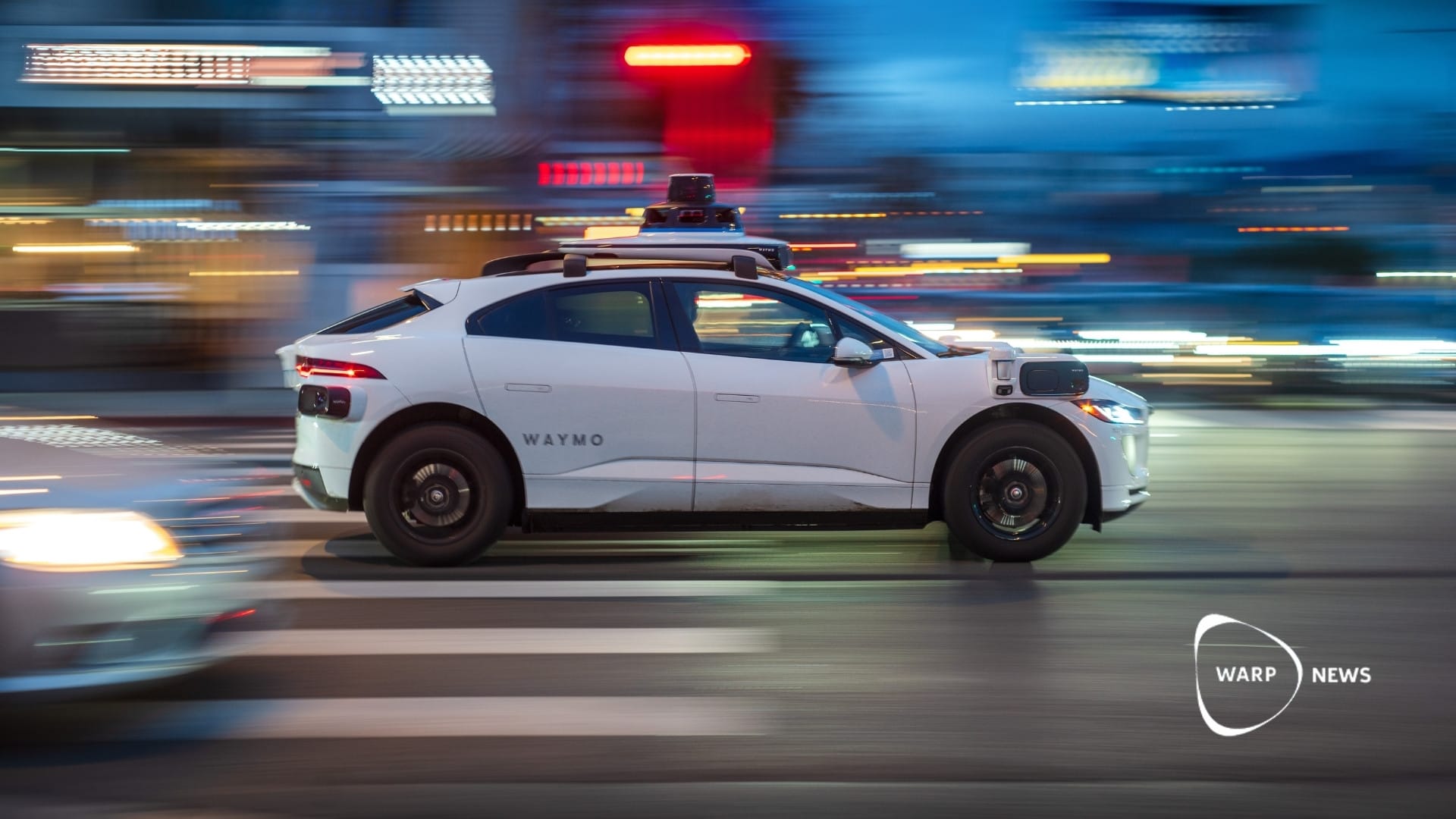
🚘 Waymo raises $16 billion to expand self-driving cars globally
Waymo has secured $16 billion in an investment round valuing the company at $126 billion. In 2025, Waymo tripled its rides to 15 million and plans to expand to over 20 new cities in 2026.
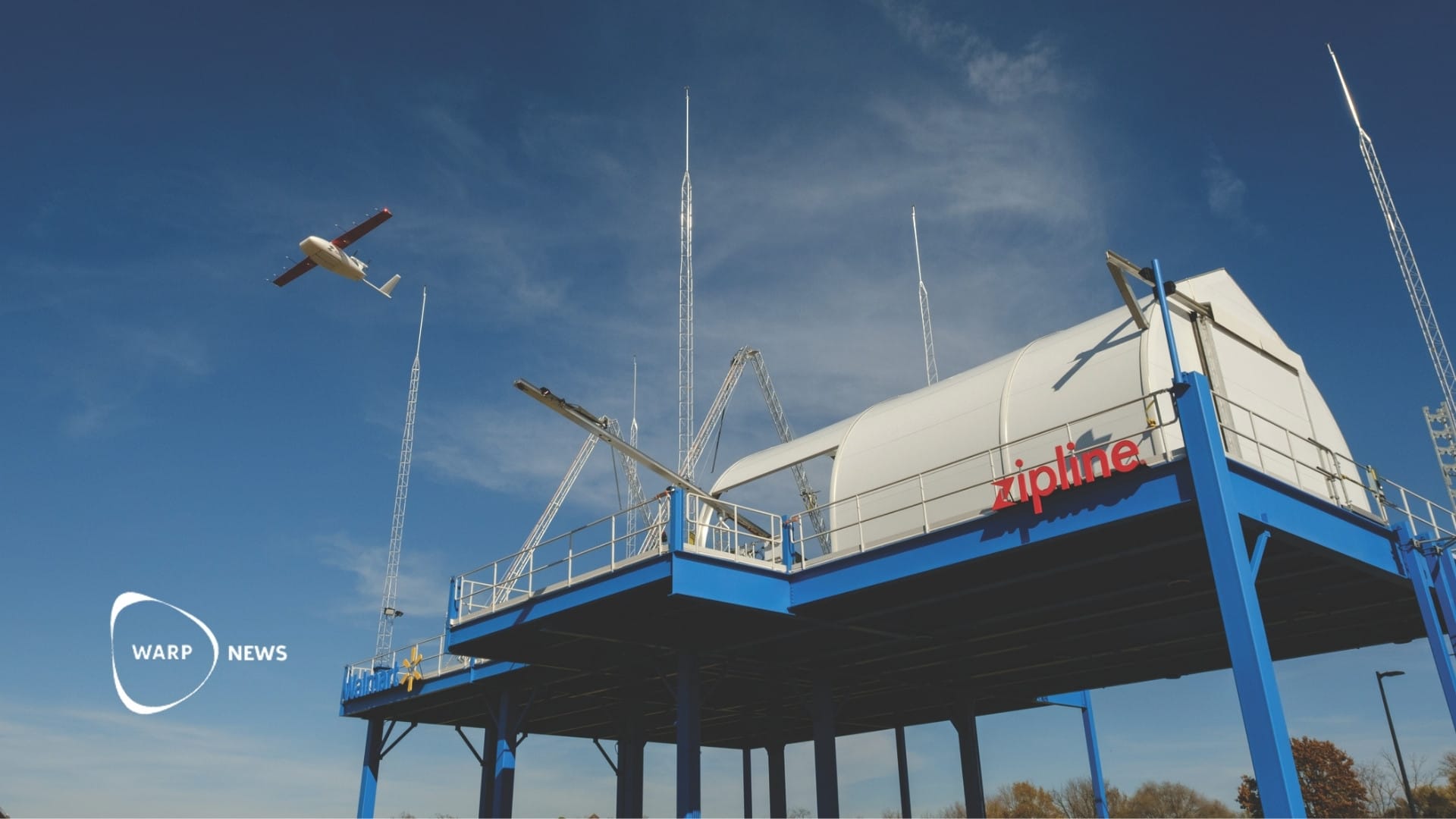
🛩️ Zipline surpasses 2 million drone deliveries and expands to new cities
Zipline has completed over 2 million commercial deliveries with autonomous drones and flown more than 125 million miles without serious injuries. Zipline started in 2016 by delivering blood and medical products in Rwanda.
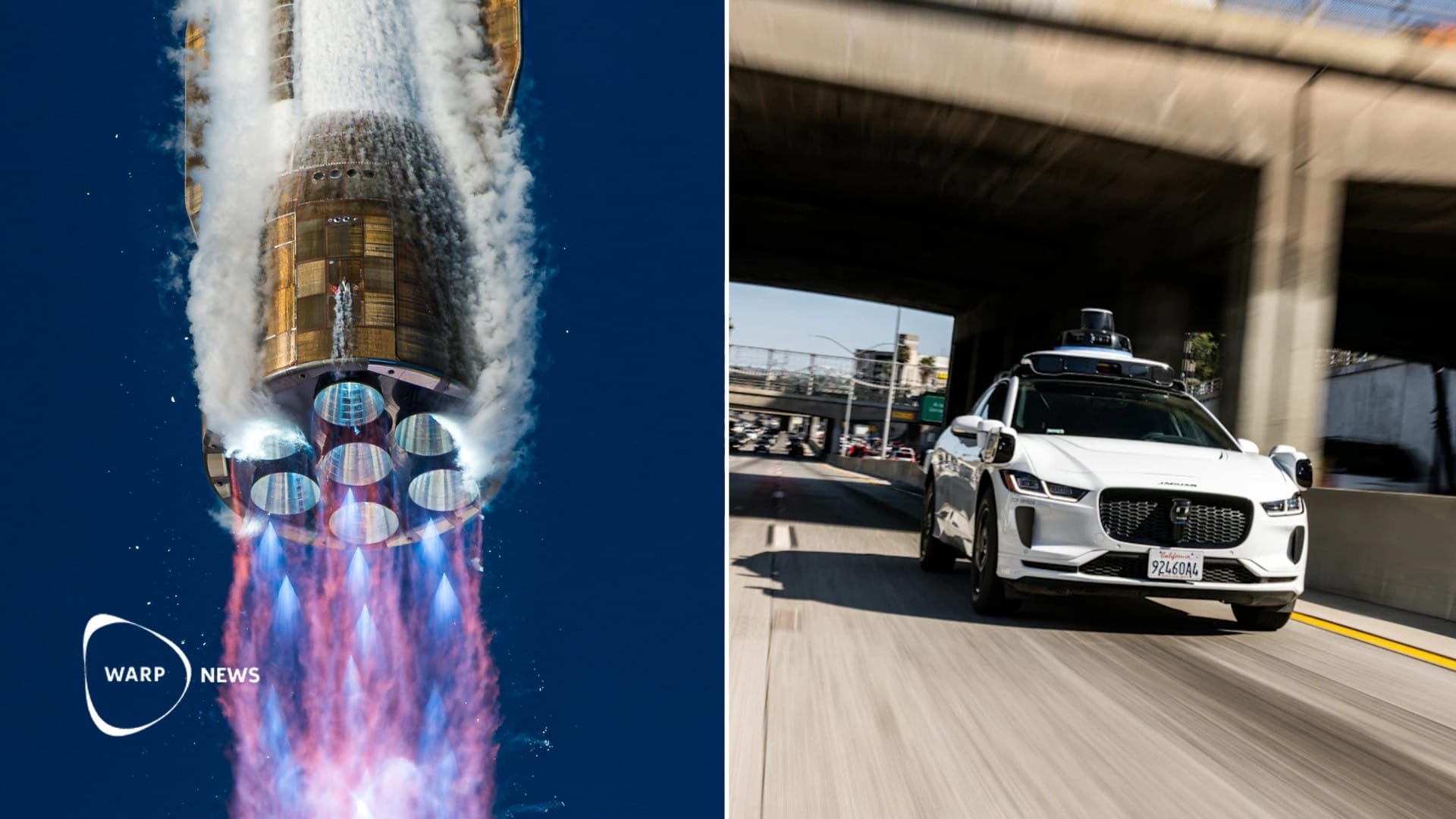
⏰ Now it’s happening – but no one notices
Last week, two things happened that mostly showed up as brief news items. Having followed both of these developments for years, I’m fascinated by how little attention they get. Each of them will, on its own, have a massive impact on our world.
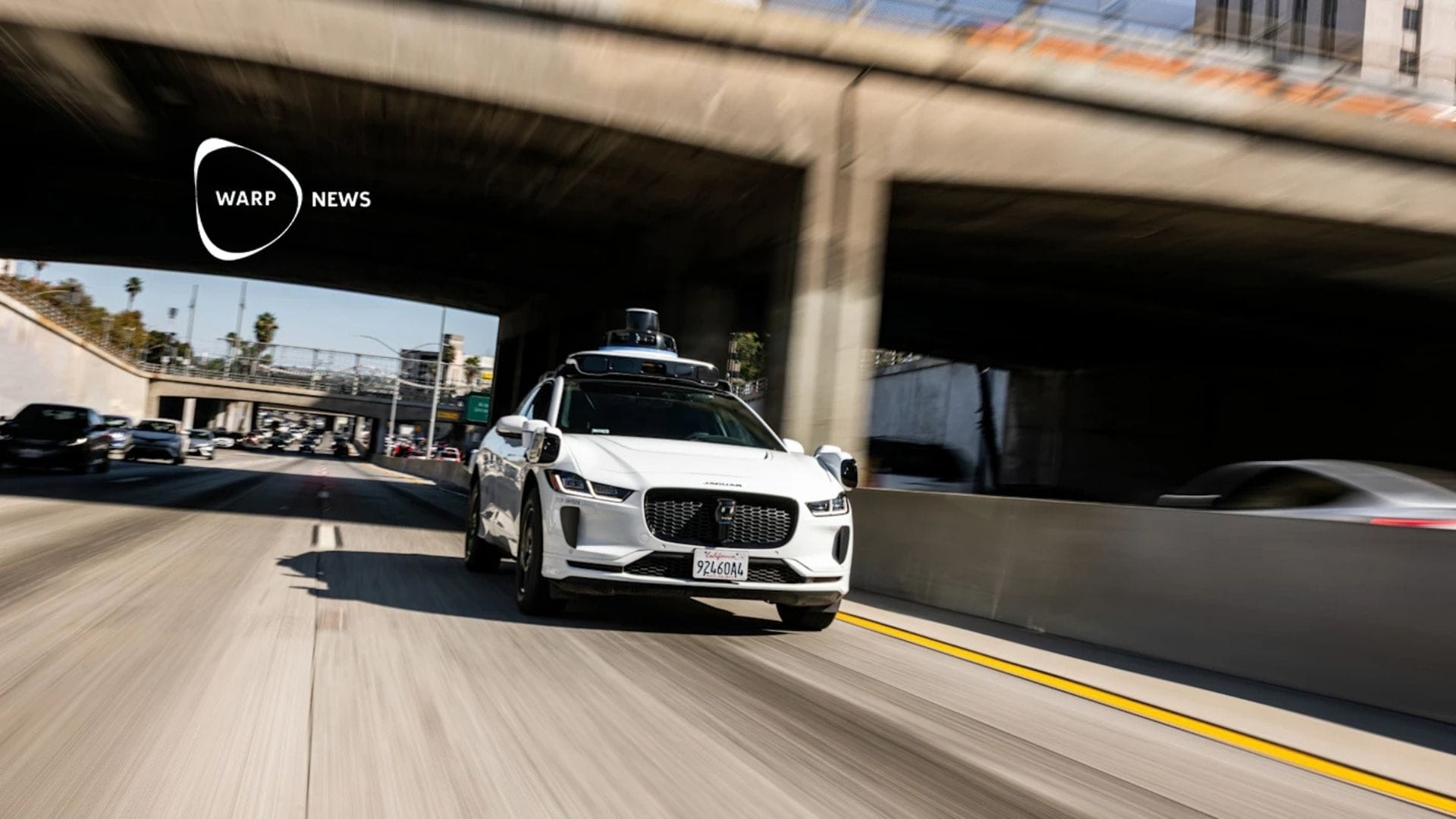
🚗 Waymo first with driverless taxi rides on highways in the US
Waymo becomes the first robotaxi company in the US to offer driverless rides on highways, available around the clock in San Francisco, Phoenix and Los Angeles. The service uses the same software and sensors as for city driving.
🚗 Battery-electric cars gain market share in the EU
Battery-electric cars increased their market share to 15.8 percent during the first eight months of 2025, compared to 12.6 percent in the same period the previous year.