
Vaccine

🤧 A single nasal spray vaccine could protect against all coughs, colds and flus
Researchers have developed a "universal vaccine" in the form of a nasal spray that in animal experiments protected against virtually all tested viruses, bacteria and even allergens. The method puts immune cells in the lungs in a heightened state of readiness.
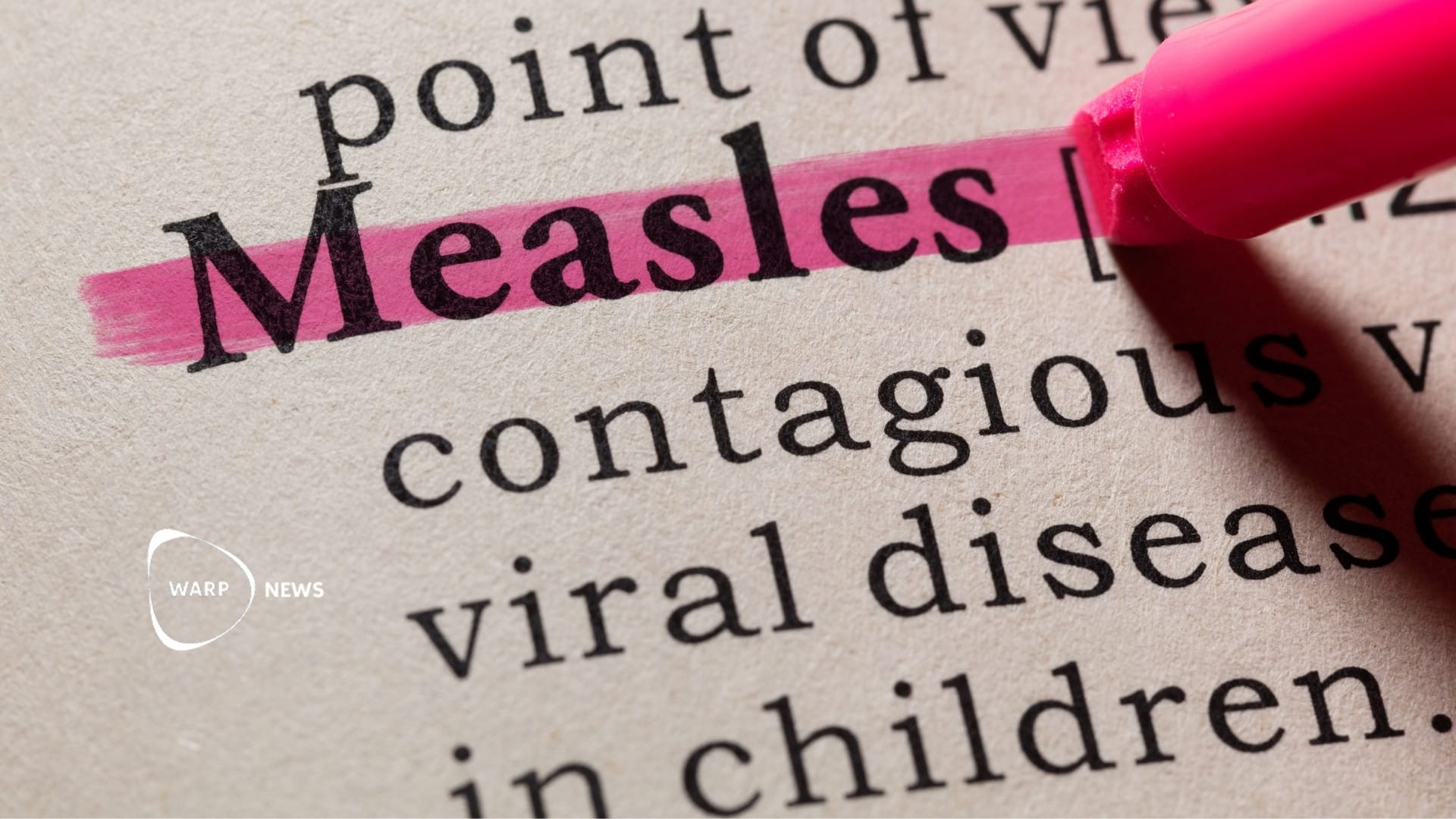
📉 Measles deaths down 88 percent since 2000
The measles vaccine has saved nearly 59 million lives since the turn of the millennium. The number of deaths in 2024 is among the lowest recorded since 2000. 96 countries have now eliminated measles, including the first three countries in Africa.
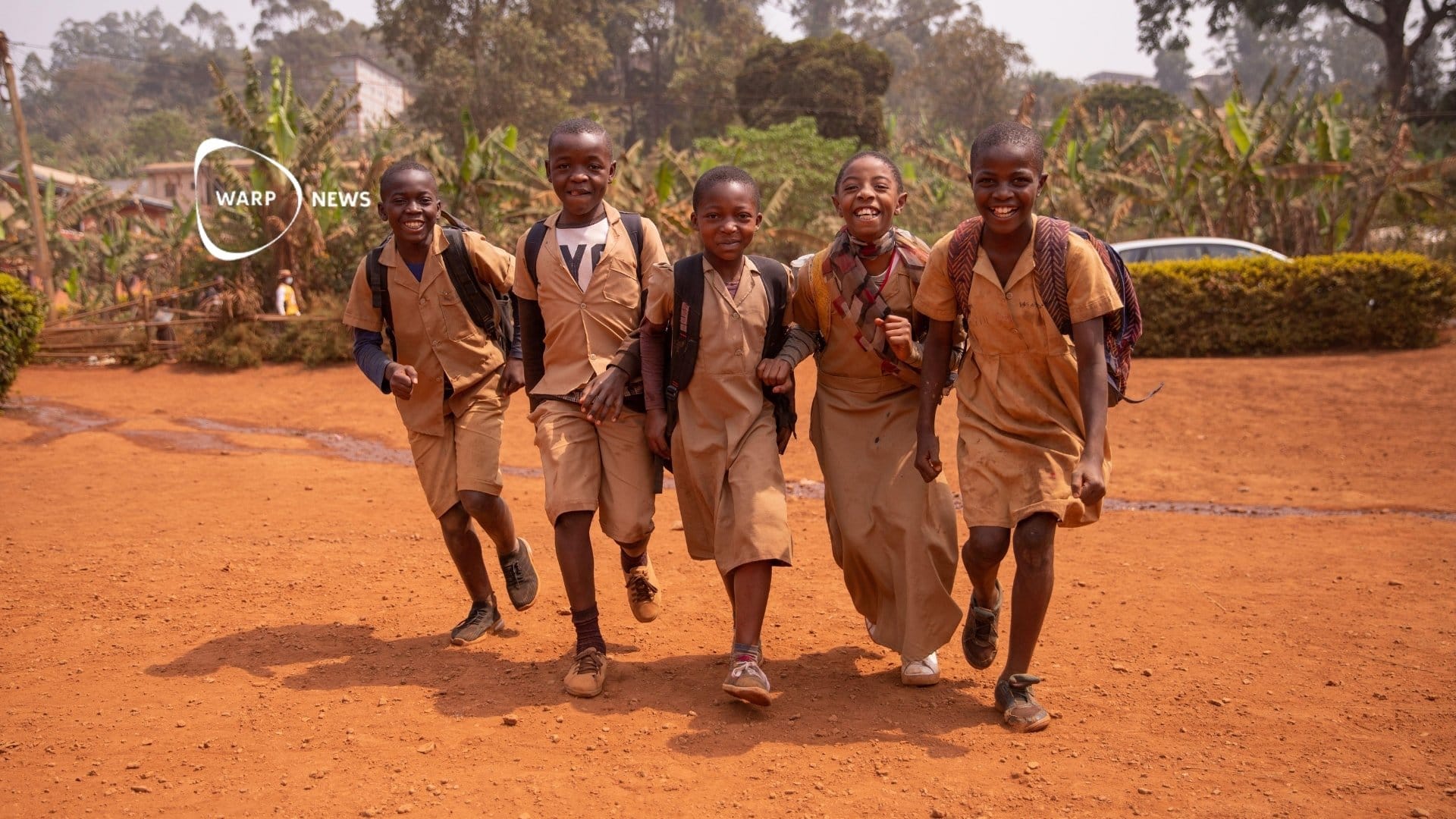
💉 DR Congo launches vaccination campaign for 62 million children
DR Congo is launching a nationwide vaccination campaign against measles and rubella that will reach 62 million children aged 6 months to 14 years. The combined vaccine replaces the previous measles vaccine in the national immunization program.
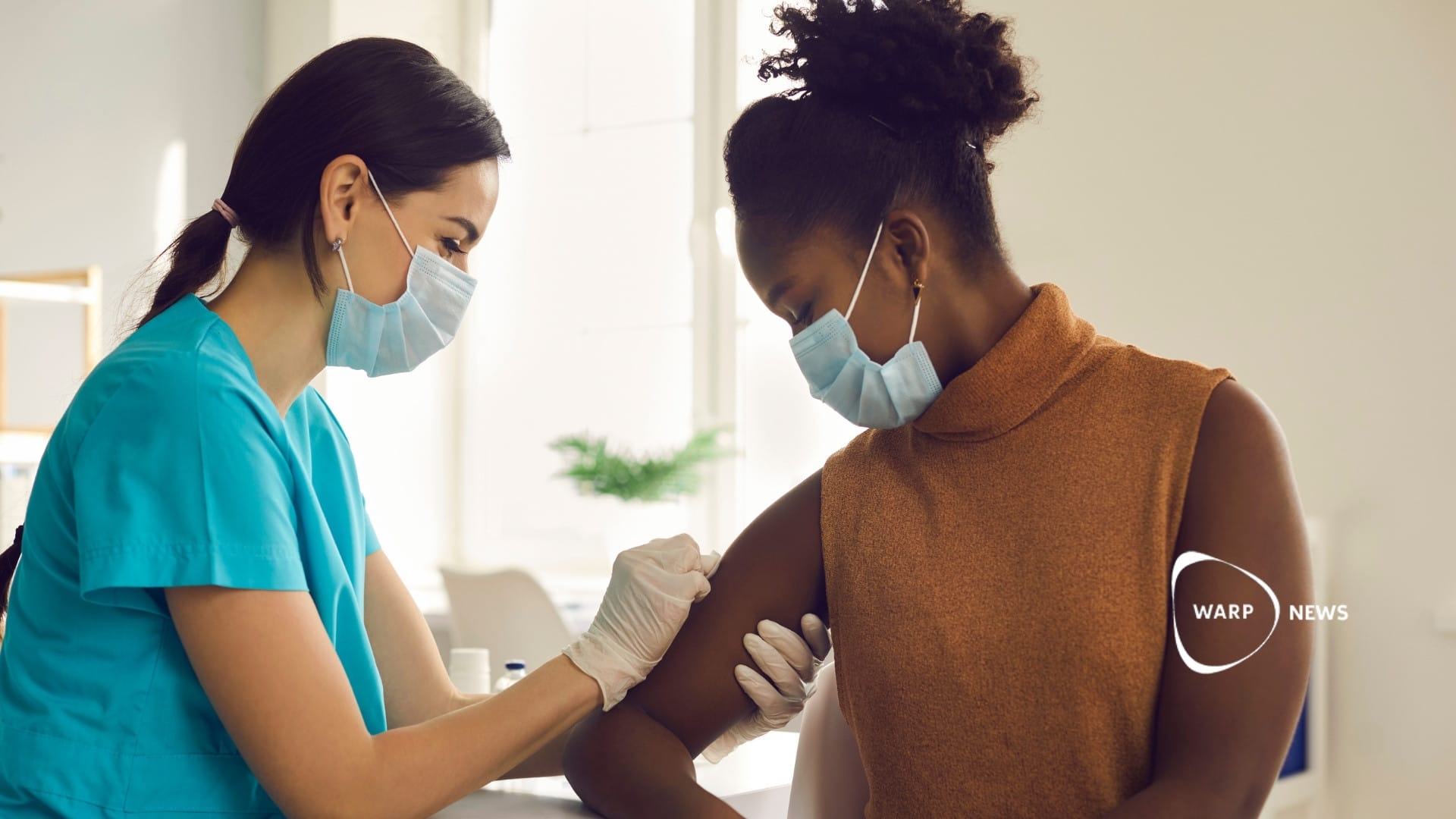
💉 New vaccine can stop meningitis in Africa
A five-in-one vaccine has begun to be used in several African countries to protect against bacterial meningitis. The vaccine costs only three dollars per dose and protects against four types of bacteria that cause almost all meningitis epidemics in the region.
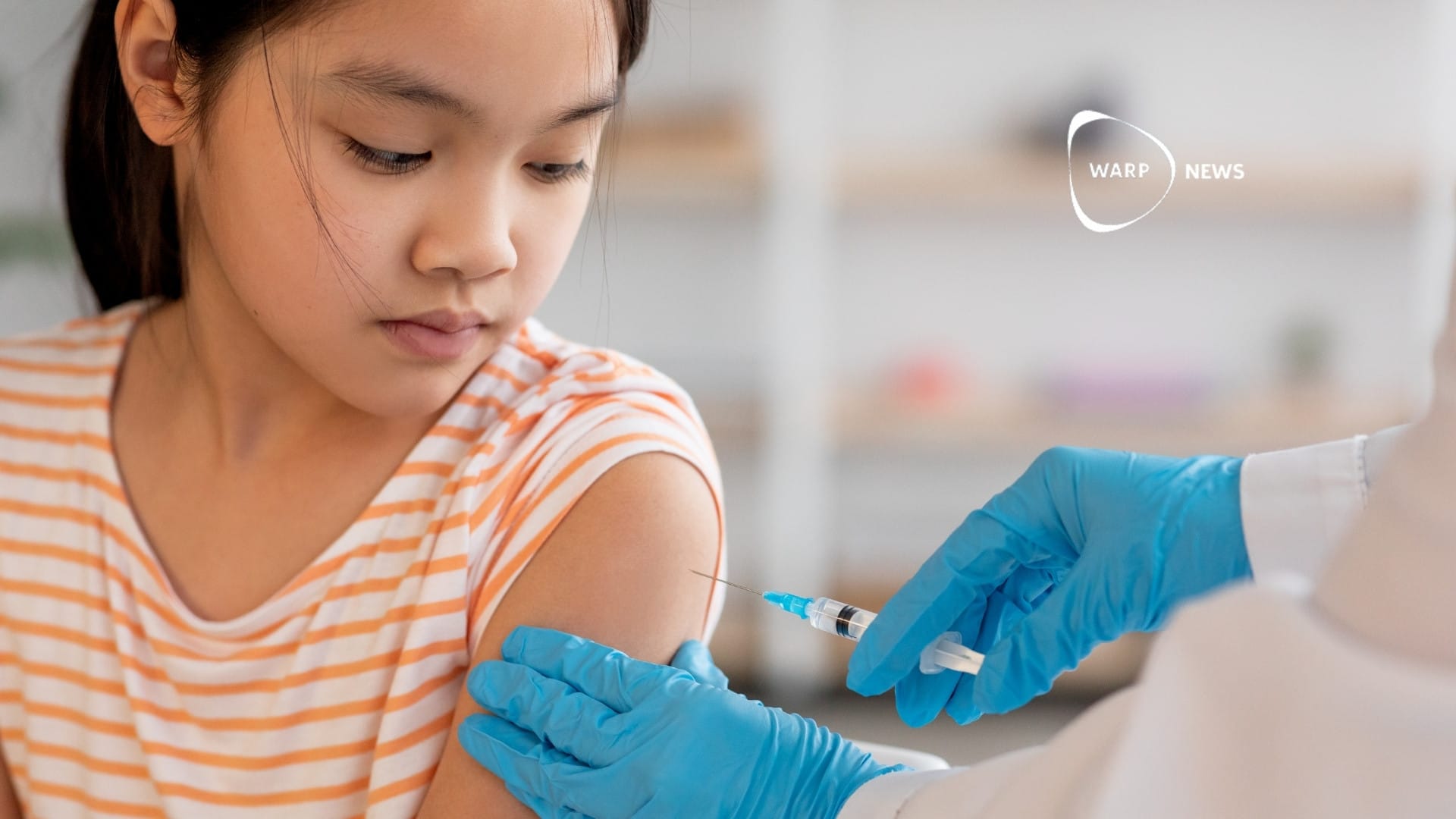
💉 Gavi's vaccines saved 1.7 million lives in 2024
Over 1.2 billion unique children have been vaccinated against a range of deadly diseases through routine vaccination since 2000.
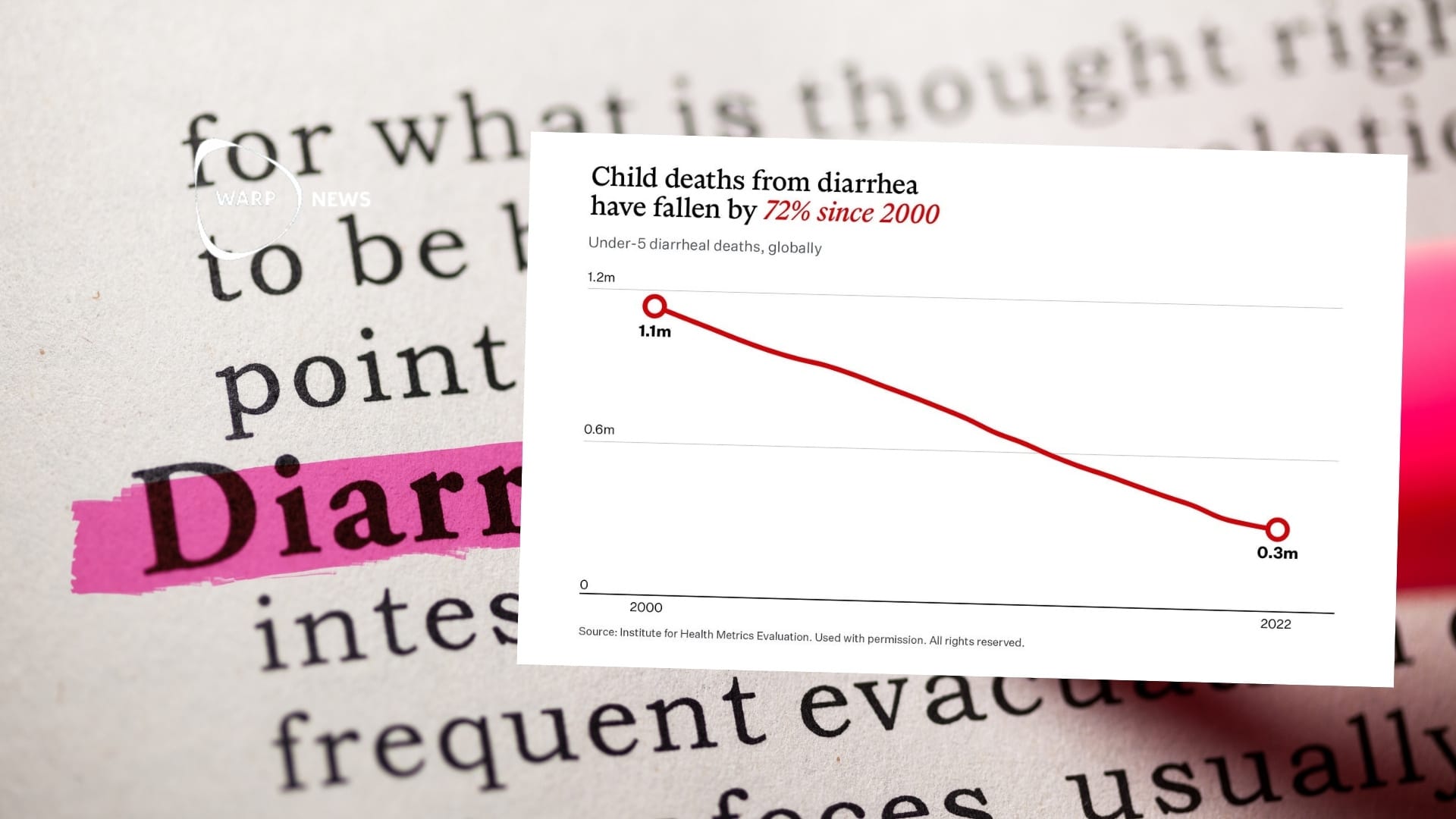
📉 Diarrhea-related deaths among children reduced by 72 percent in 25 years
Deaths from diarrhea among children under five have dropped from 3.1 million annually in 1997 to 340,000 today. Rotavirus vaccines that cost $200 per dose in the 2000s now cost about one dollar. Since 1990, 2.6 billion people have gained access to safe drinking water.
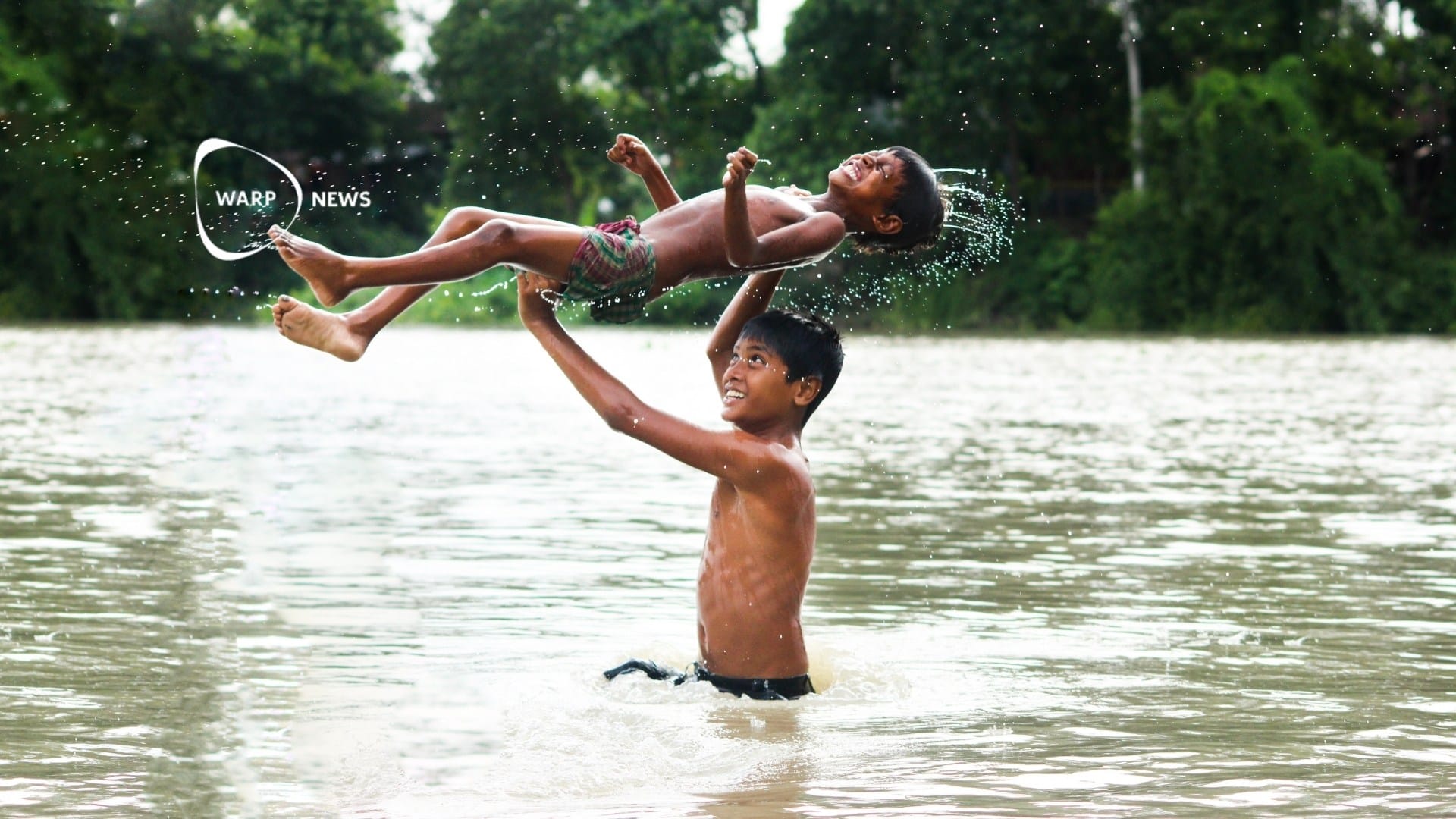
🧒 Bangladesh has reduced child mortality from 21% to 3%
Child mortality in Bangladesh has dropped from 211 per 1,000 births in 1979 to 31 per 1,000 today. Vaccination coverage has increased from 2 percent to 98 percent for basic vaccines. The country now finances 39 percent of its vaccination program and will become completely self-sufficient by 2030.
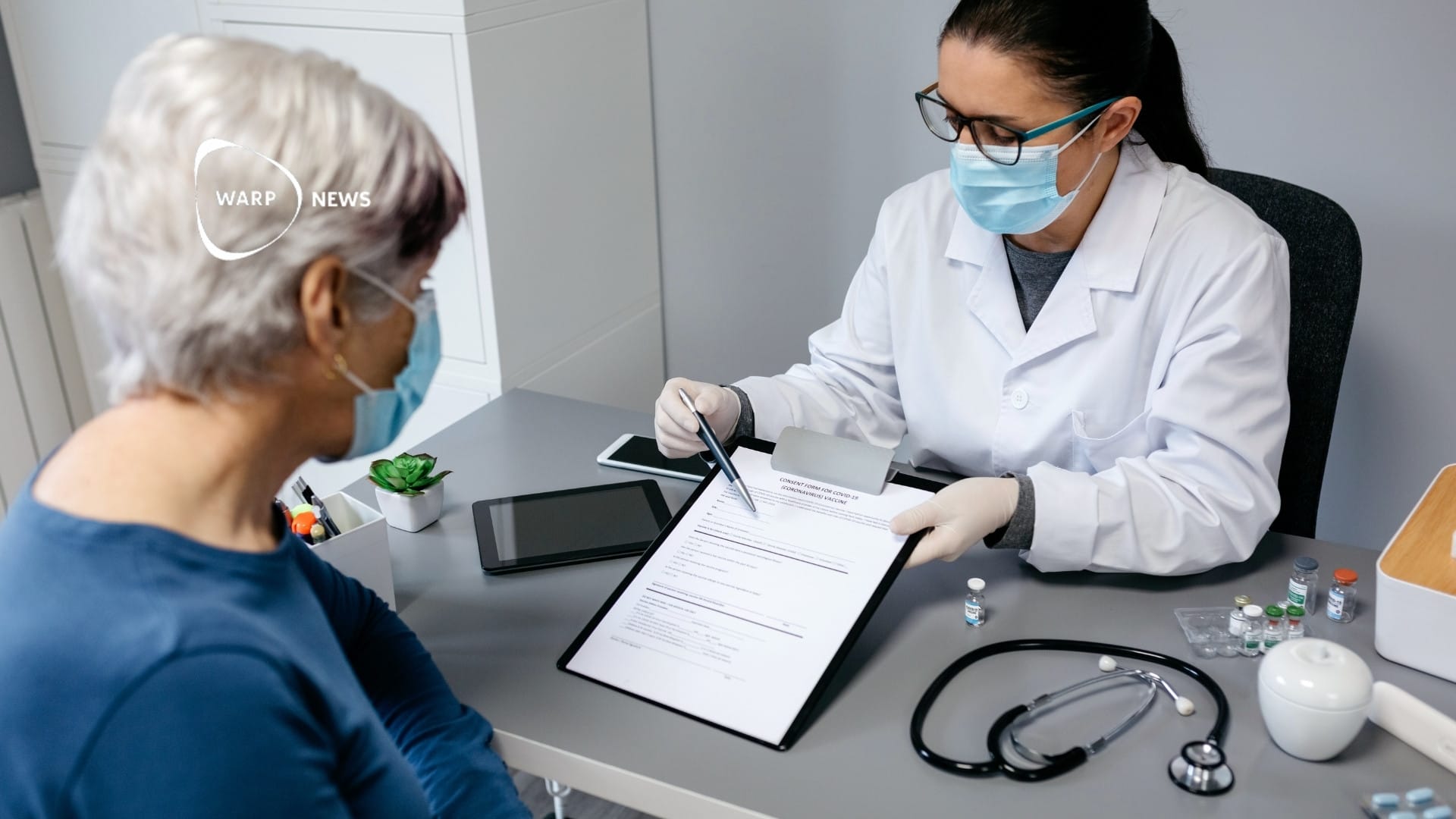
💉 Study for world's first tuberculosis vaccine in 100 years reaches recruitment target earlier than expected
The clinical trial of potentially first new tuberculosis vaccine in a century has successfully recruited all 20,000 participants several months earlier than planned. The vaccine showed 50% effectiveness in earlier phase 2 studies, which could reduce millions of tuberculosis cases globally.
💯 New drug shows one hundred percent protection against HIV infection
A clinical trial showed that the drug lenacapavir protected 100 percent of women and girls against HIV infection. The drug only needs to be injected twice a year to provide full protection. New results suggest that an annual injection may be sufficient for long-lasting protection.