
Animal species
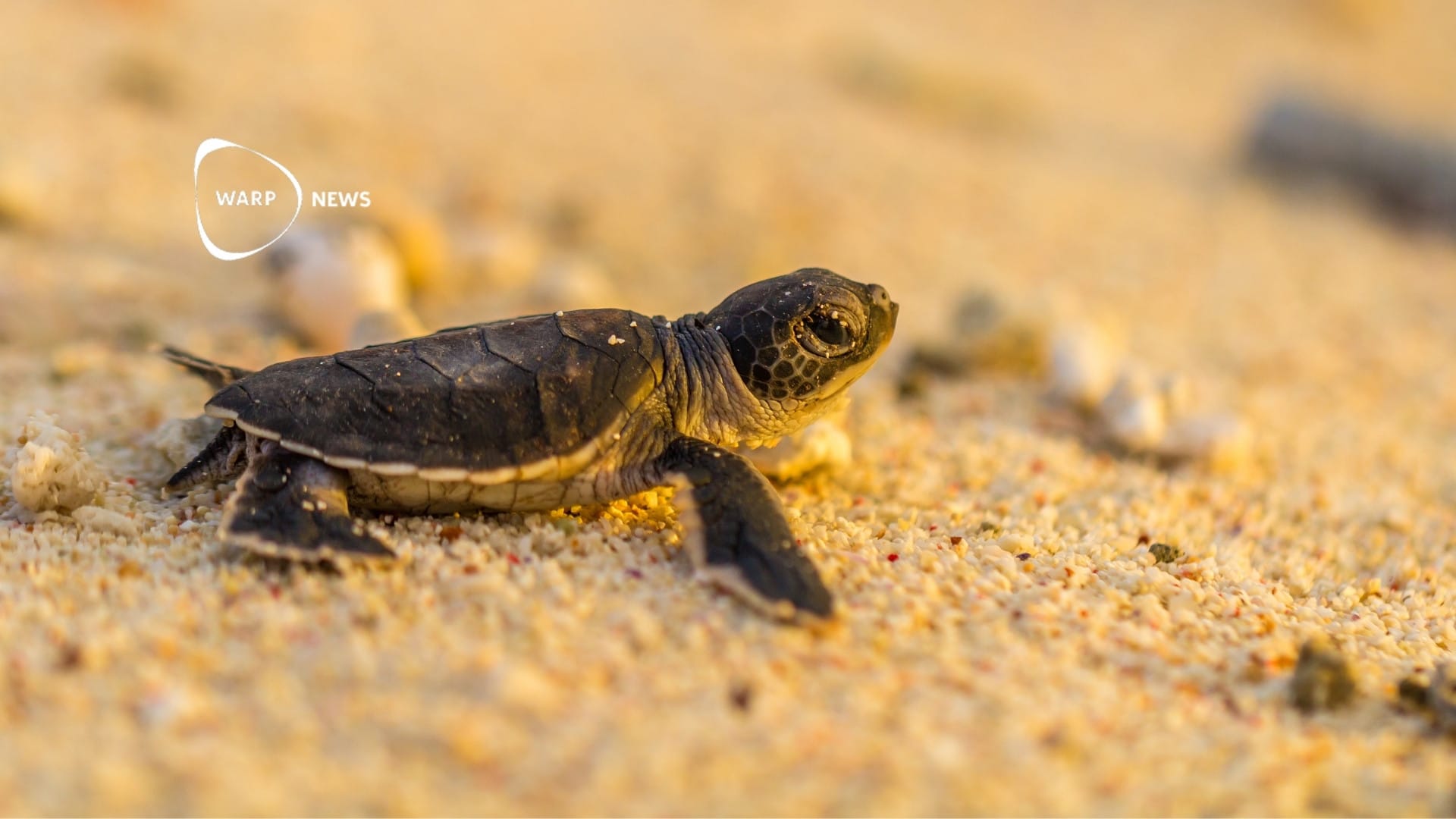
🐢 India's olive ridley turtles have recovered – 10 times as many nests now
20 years ago, researchers counted around 100,000 turtle nests in India, but during last winter's nesting season, approximately one million nests were recorded. Protection measures such as seasonal fishing bans, protected coastal zones, and ecotourism have contributed to the recovery.

🐝 Solar farms could become important refuges for bumblebees
Solar farms with wildflowers can more than double the number of bumblebees compared to parks with turf grass. The study modelled 1,042 British solar farms and their potential to support bumblebees until 2050.
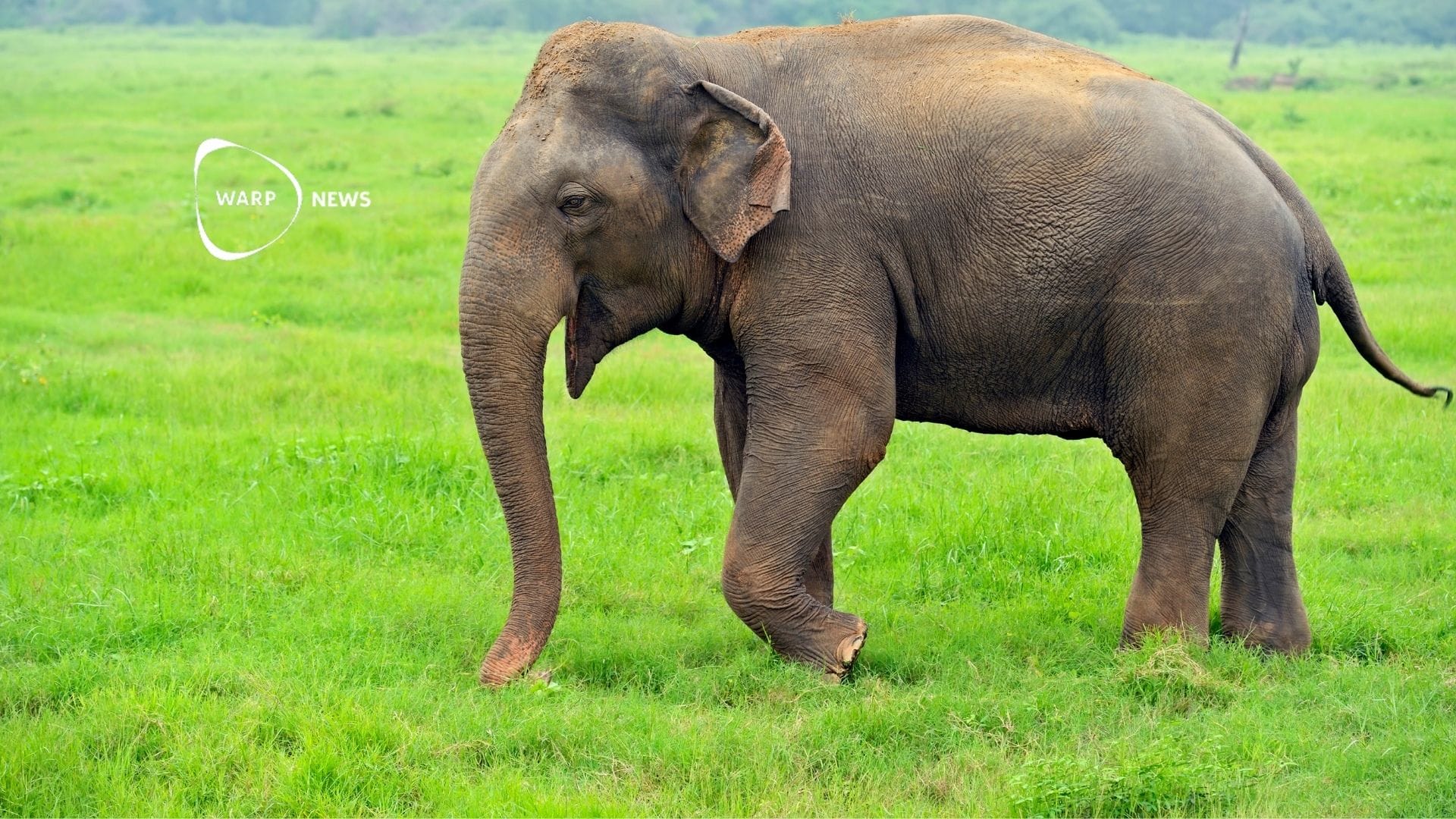
🐘 Elephant poaching decreased by 50 percent after China's ivory ban
Elephant poaching decreased by 50 percent after China implemented its total ivory ban in 2018. The number of illegal ivory seizures also declined after the ban. No "last-minute rush" in smuggling occurred before the ban took effect.
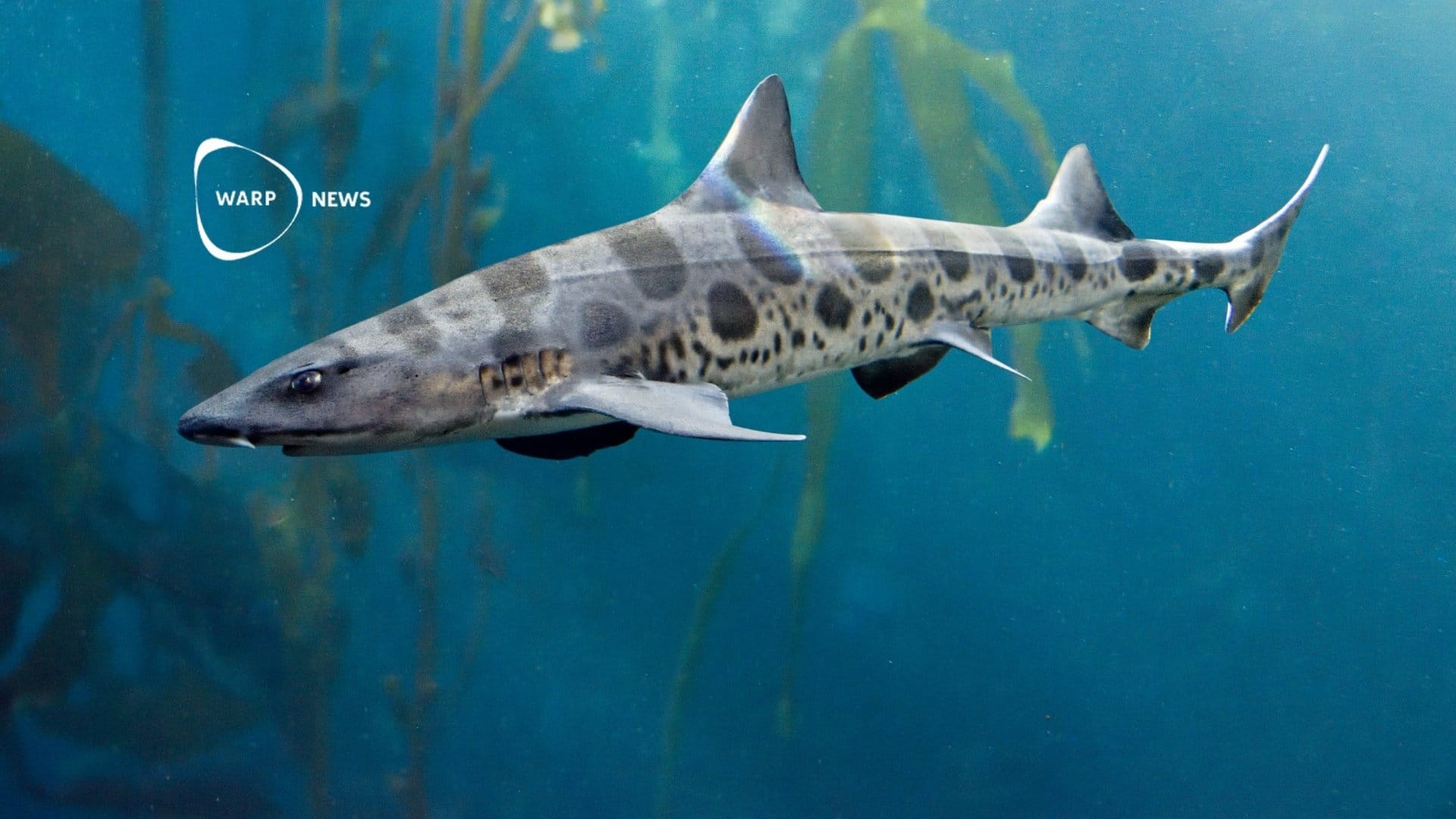
🦈 Extinct sharks to make a comeback in the ocean
ReShark is the world's first program to reintroduce sharks into nature, focusing on Indo-Pacific leopard sharks in Raja Ampat, Indonesia. The program uses surplus eggs from aquariums around the world that are transported to locally operated hatcheries in Indonesia.
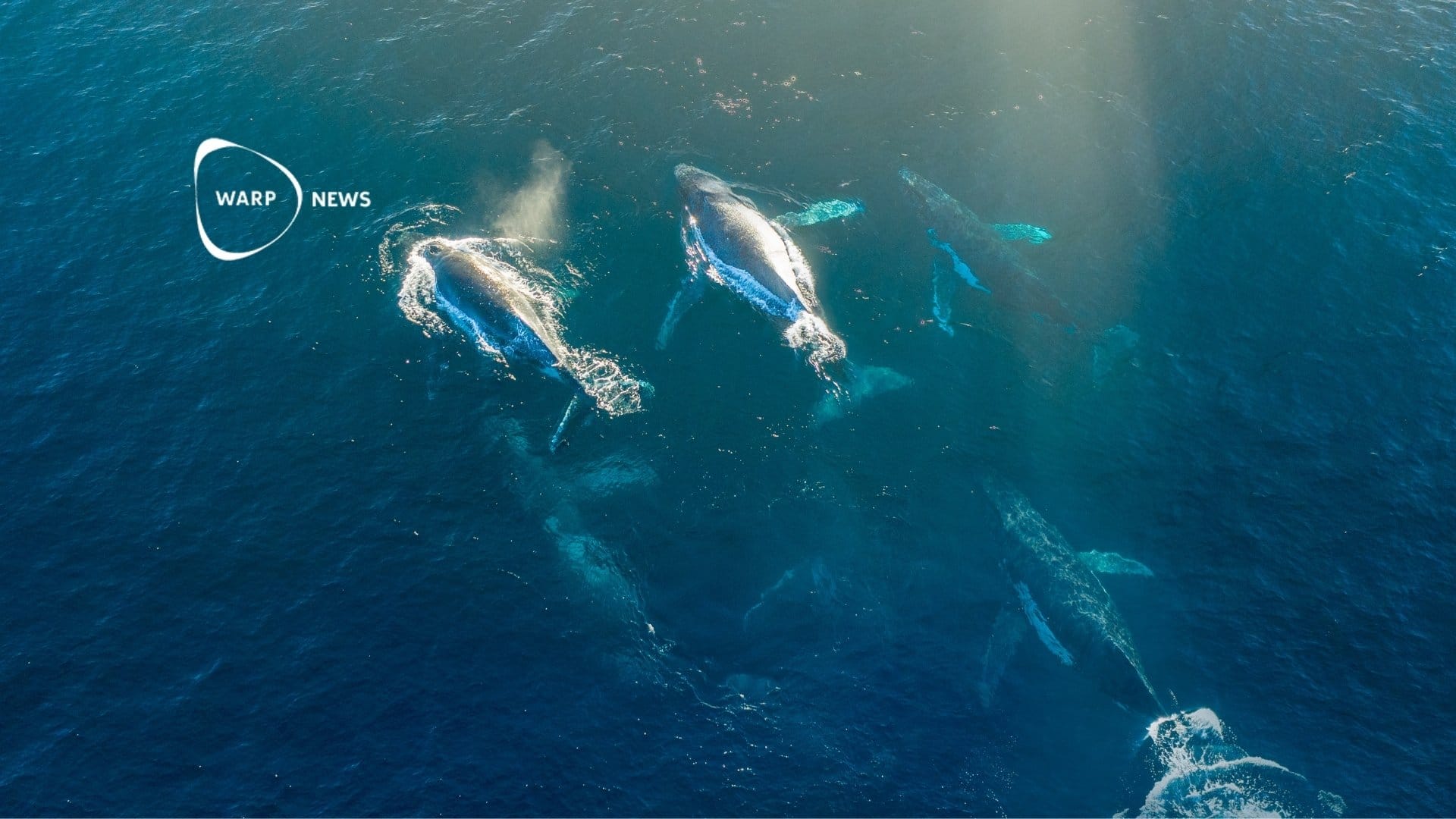
🐋 Humpback whales more numerous now than before industrial whaling began
The population of humpback whales along Australia's east coast reached over 50,000 individuals in 2024, around 20,000 more than before commercial whaling began in the early 1900s.
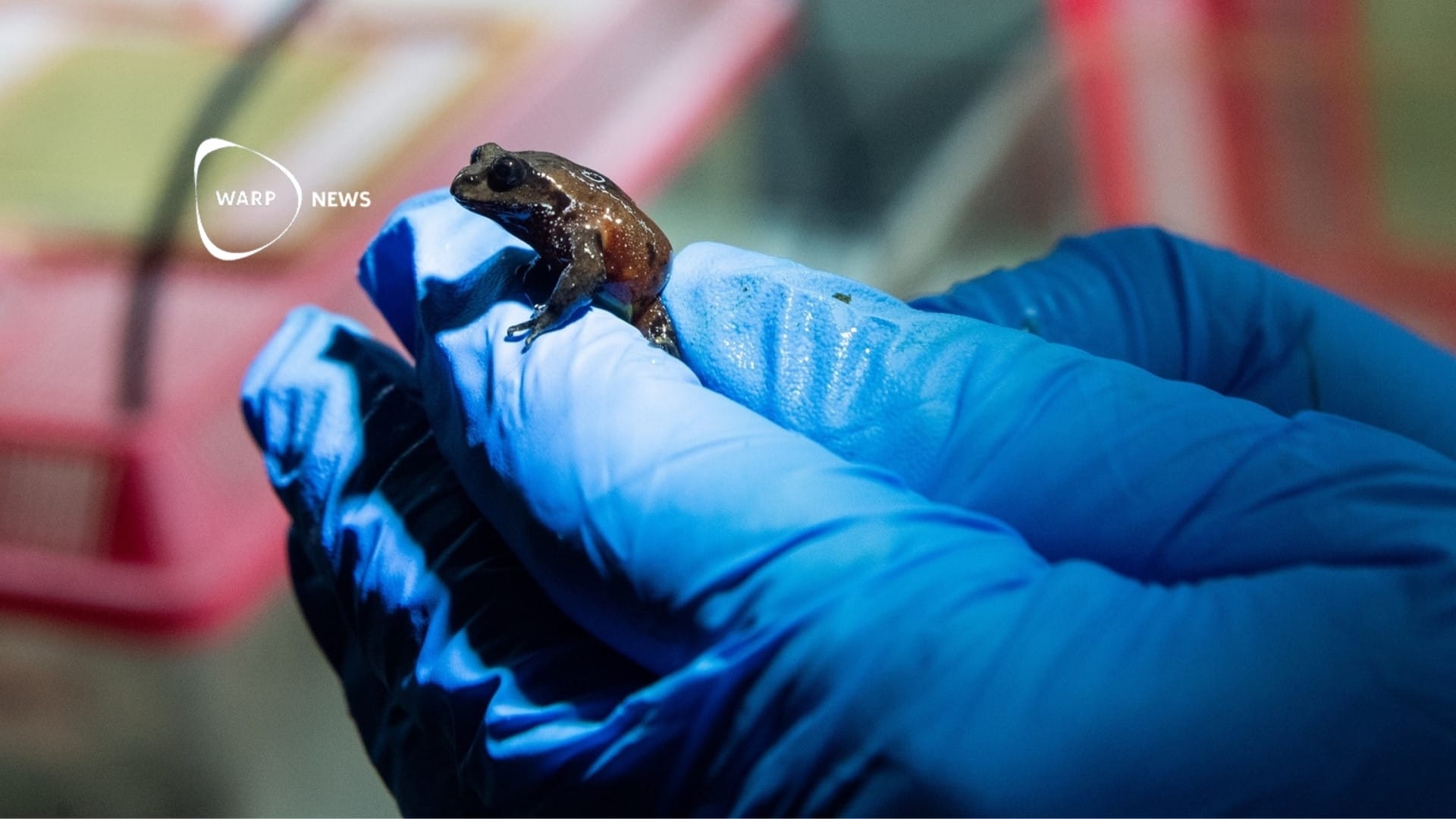
🐸 Researchers successfully breed rare mountain frogs for first time
Seven frogs have been released into the wild at Tooloom National Park as part of a conservation project. The researchers have replicated the frogs' unusual habitat with correct temperature, substrate, plants and sound to enable breeding.

🛢️ Abandoned oil refinery becomes home to 3,200 species
The site hosts almost 12 percent rare, threatened or near-threatened species out of 3,200 documented species in total.
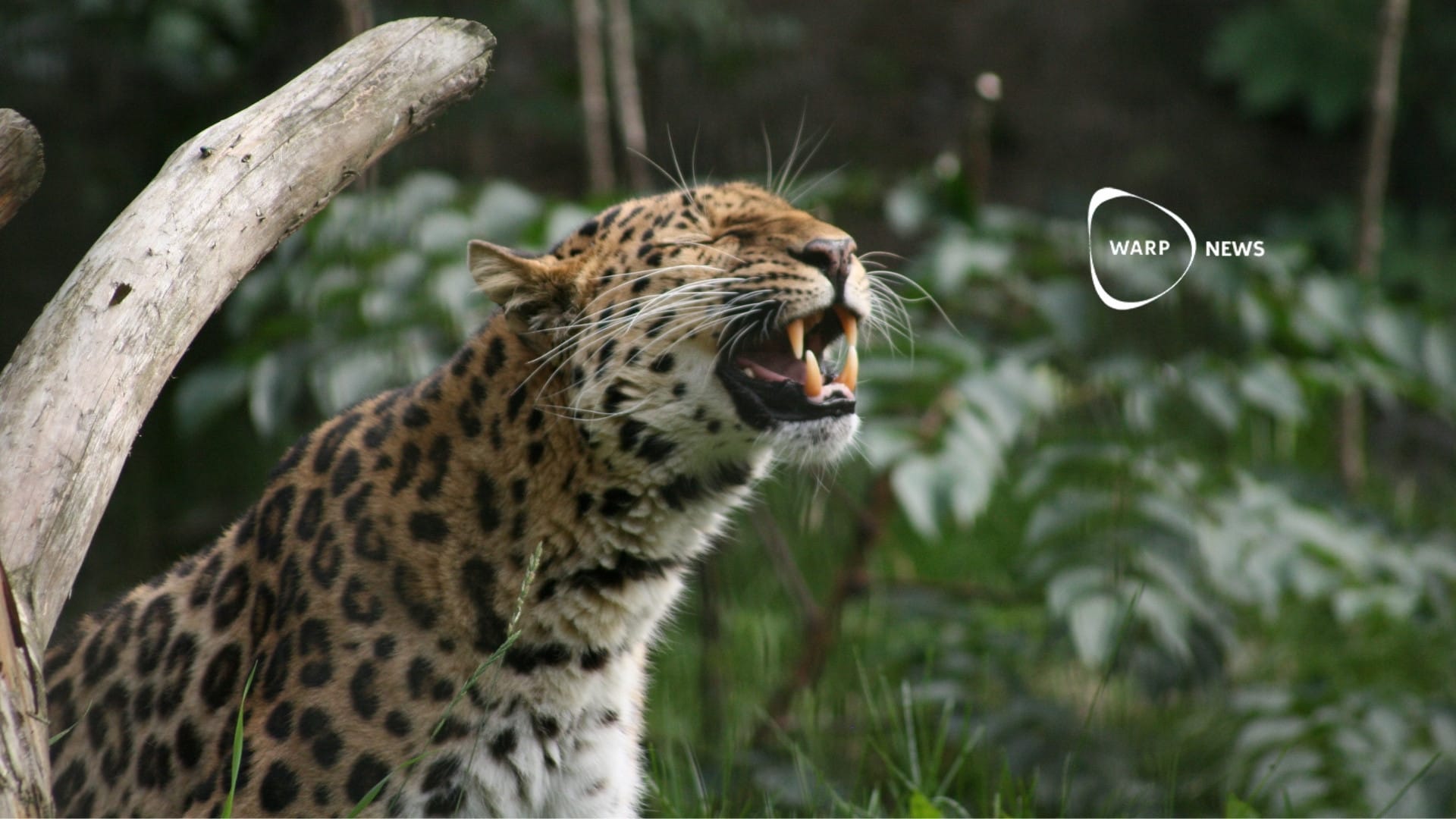
🐆 Endangered Amur leopard population increases to 130 individuals
Researchers' monitoring with over 200 camera traps shows the population is spreading across borders.
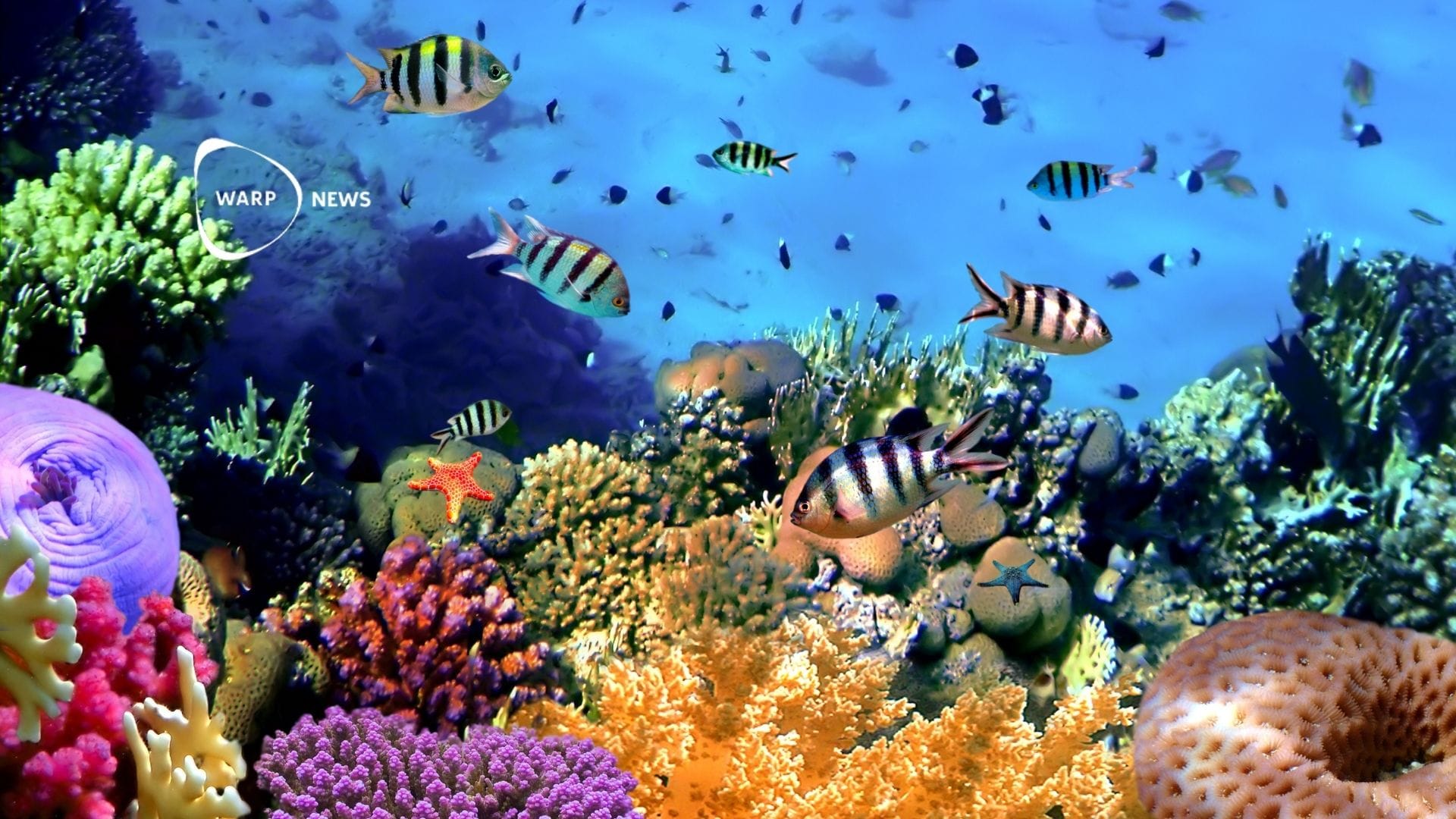
🐠 Coral believed extinct rediscovered after 24 years in Galápagos
Scientists have rediscovered over 250 healthy colonies of the coral species Rhizopsammia wellingtoni in waters around the Galápagos Islands. The coral had not been observed by researchers since 2000 and was classified as critically endangered and possibly extinct in 2007.