
🧠 Artificial Intelligence
Artificial intelligence (AI) helps doctors make better diagnoses, scientists create new materials, farmers grow crops more effectively and all of us driving cars - and millions of other applications. This topic also covers subsets of AI such as machine learning (ML), deep learning and neural networks.
🩺 AI diagnose better than doctors in test
The model performed better than hundreds of doctors in five different experiments testing medical reasoning. In an emergency room study, AI outperformed both experienced doctors and previous AI versions in diagnostics with limited information.
🦾 Google's new AI teaches itself to solve problems that humans get stuck on
Google DeepMind has used chatbot models to come up with solutions to major problems in mathematics and computer science. The system, called AlphaEvolve, combines the creativity of a large language model with algorithms that can scrutinize the model's suggestions to filter and improve solutions.
👩💻 ChatGPT uses less energy than an hour of Netflix
One hour of Netflix watching equals the energy required for between 300 and 3000 ChatGPT prompts. Ending your shower one second earlier saves enough water to compensate for 40 ChatGPT prompts.
🦾 An AI-generated scientific paper approved in peer review process
An article entirely created by the Sakana's AI Scientist has been approved in the peer review process. This is the first time a fully AI-generated scientific paper has passed the same review process that human researchers go through.
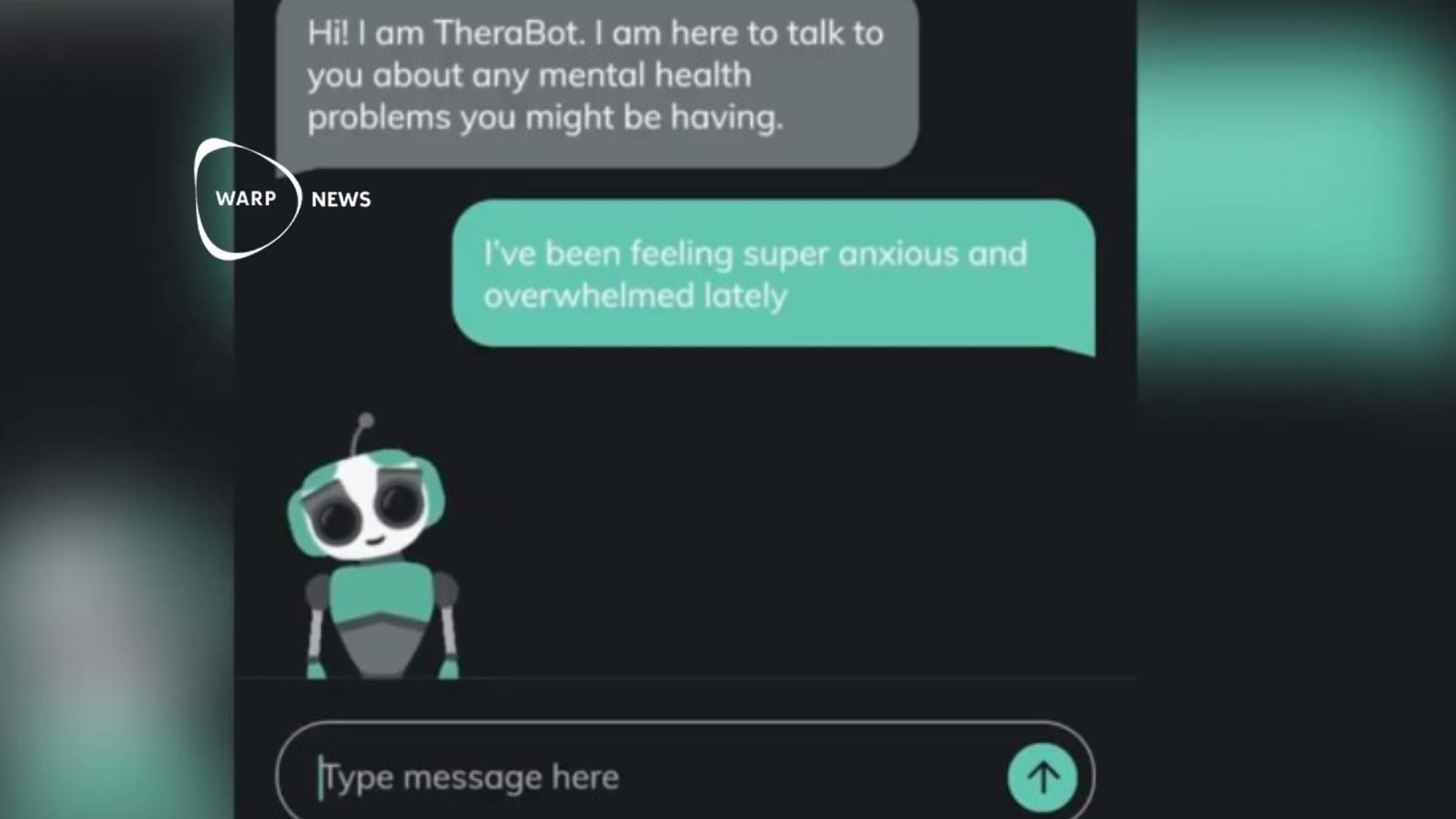
🤖 AI chatbot improves mental health according to new clinical study
Dartmouth researchers report a 51 percent reduction in depression symptoms in patients who used the AI chatbot Therabot. The study shows that patients developed trust in the chatbot comparable to relationships with human therapists.
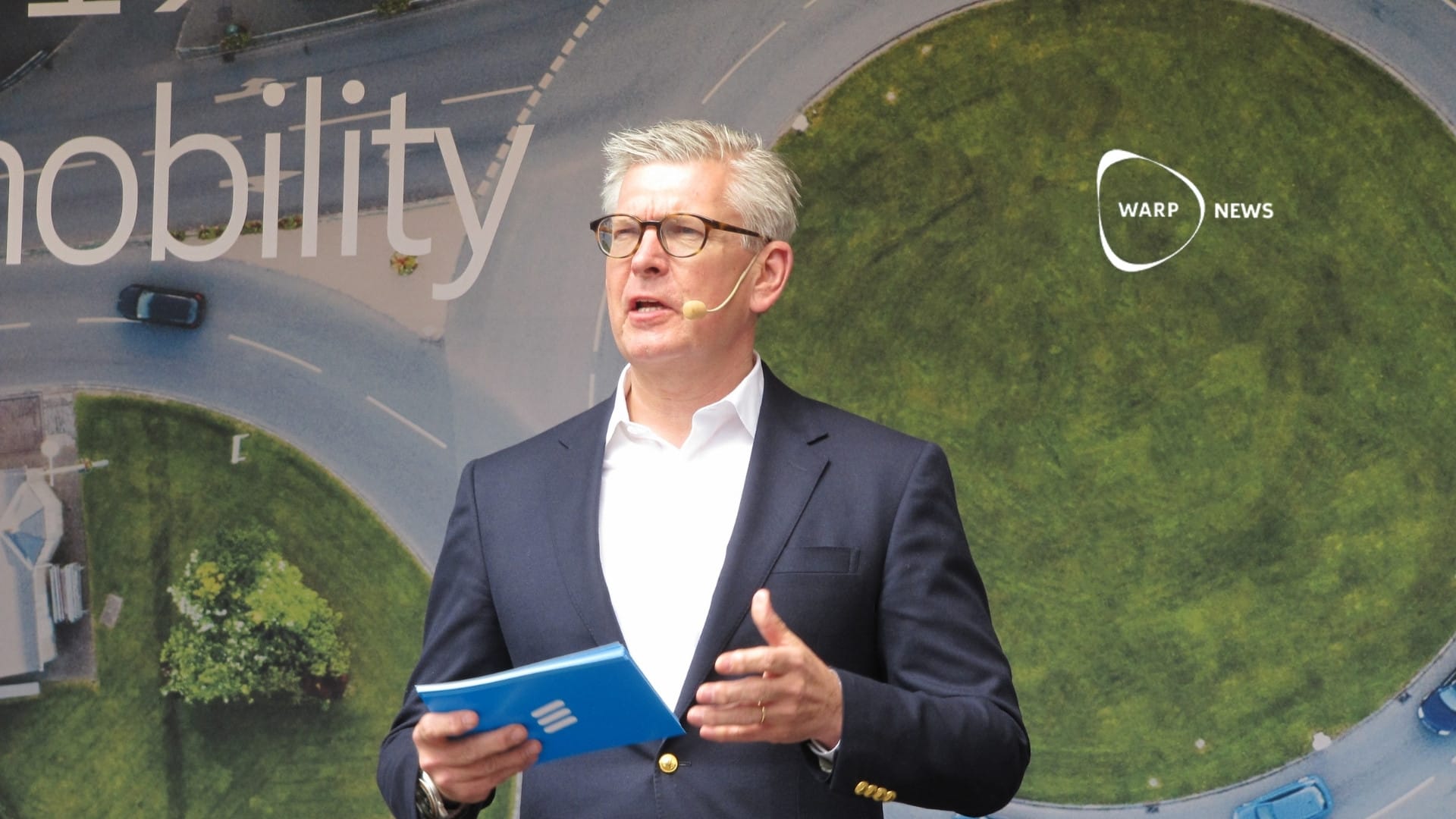
🦾 Ericsson CEO Börje Ekholm rails against AI regulations and explains why he's a tech optimist: "It has always turned out to be the right thing so far"
"If your fastest growing employee category in Europe is lawyers, then I have some serious concerns. I still don’t know a lawyer who has built a product," says Ericsson CEO Börje Ekholm about AI regulations.
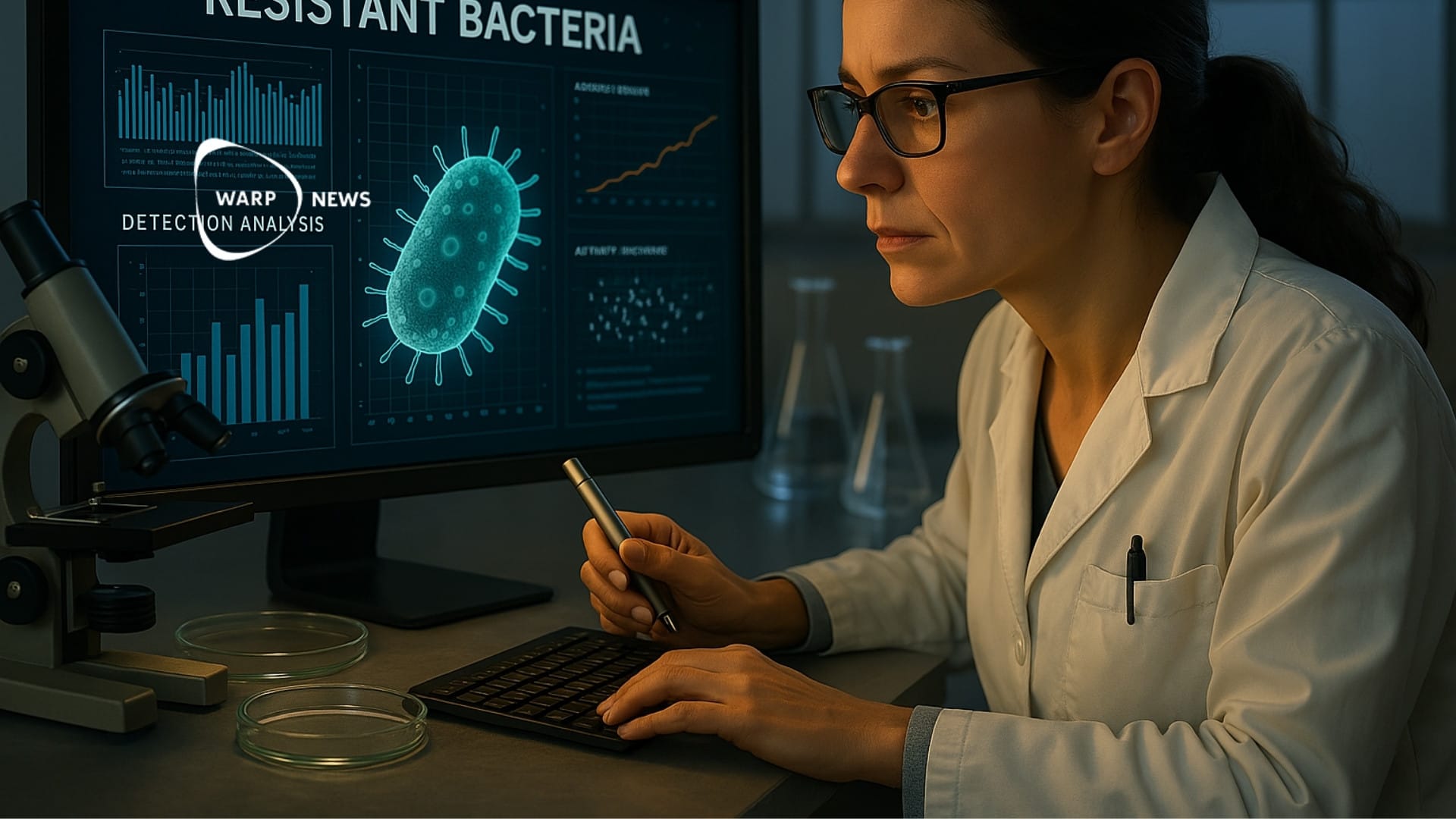
🦠 AI solved research puzzle about resistant bacteria in two days, which had taken researchers ten years
Researchers got help from Google's AI tool "co-scientist" to solve a complex problem about antibiotic resistance in just two days. The tool also provided additional hypotheses that researchers are now investigating, demonstrating its potential in scientific research.
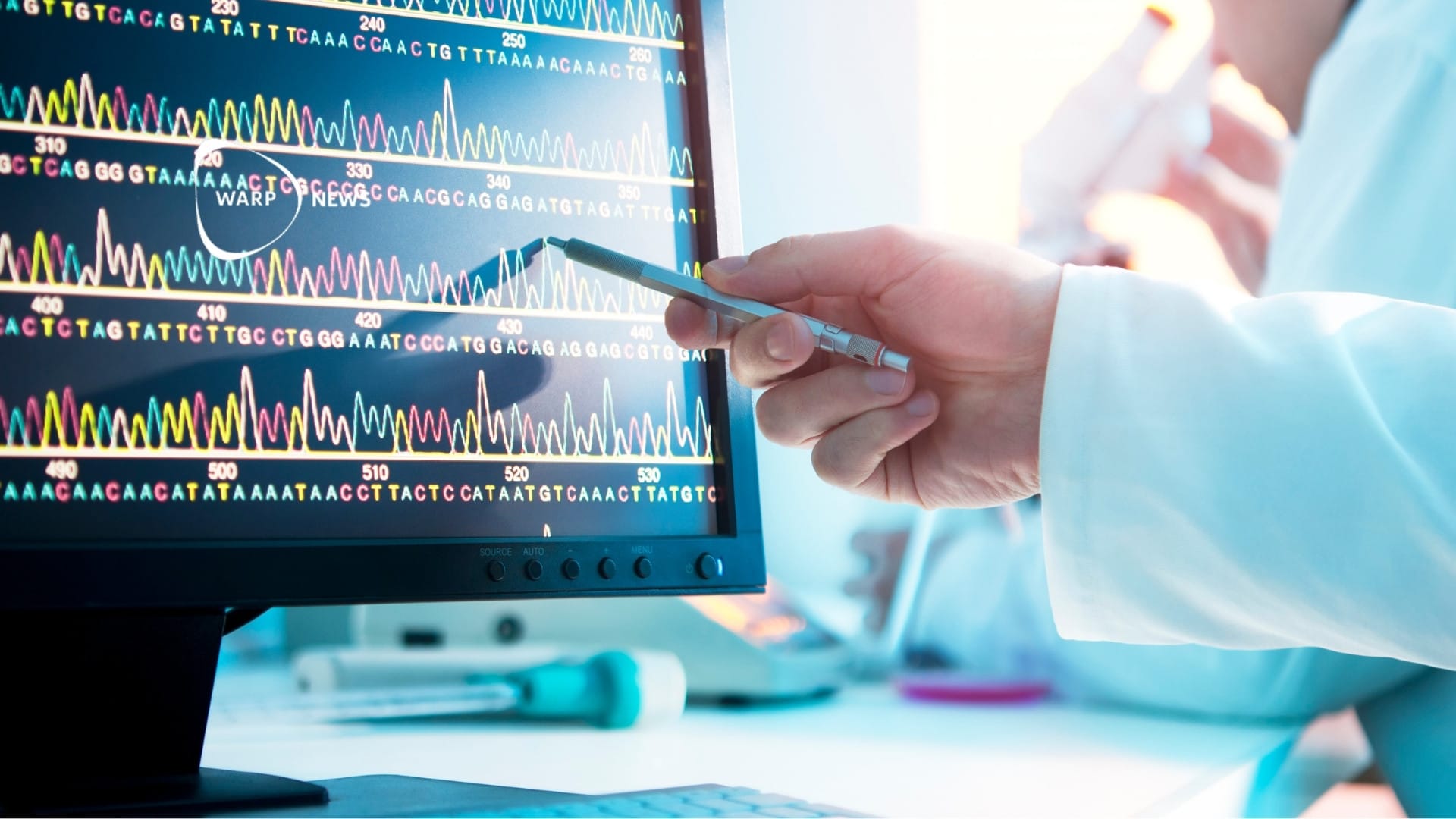
🧬 New AI tool can predict protein form and function in minutes instead of years
Evo 2 has been trained on nearly 9 trillion nucleotides from about 15,000 eukaryotes (plants and animals) as well as prokaryotes (bacteria and archaea). The tool can generate new genetic sequences that may be useful in biomedicine and biotechnological applications.
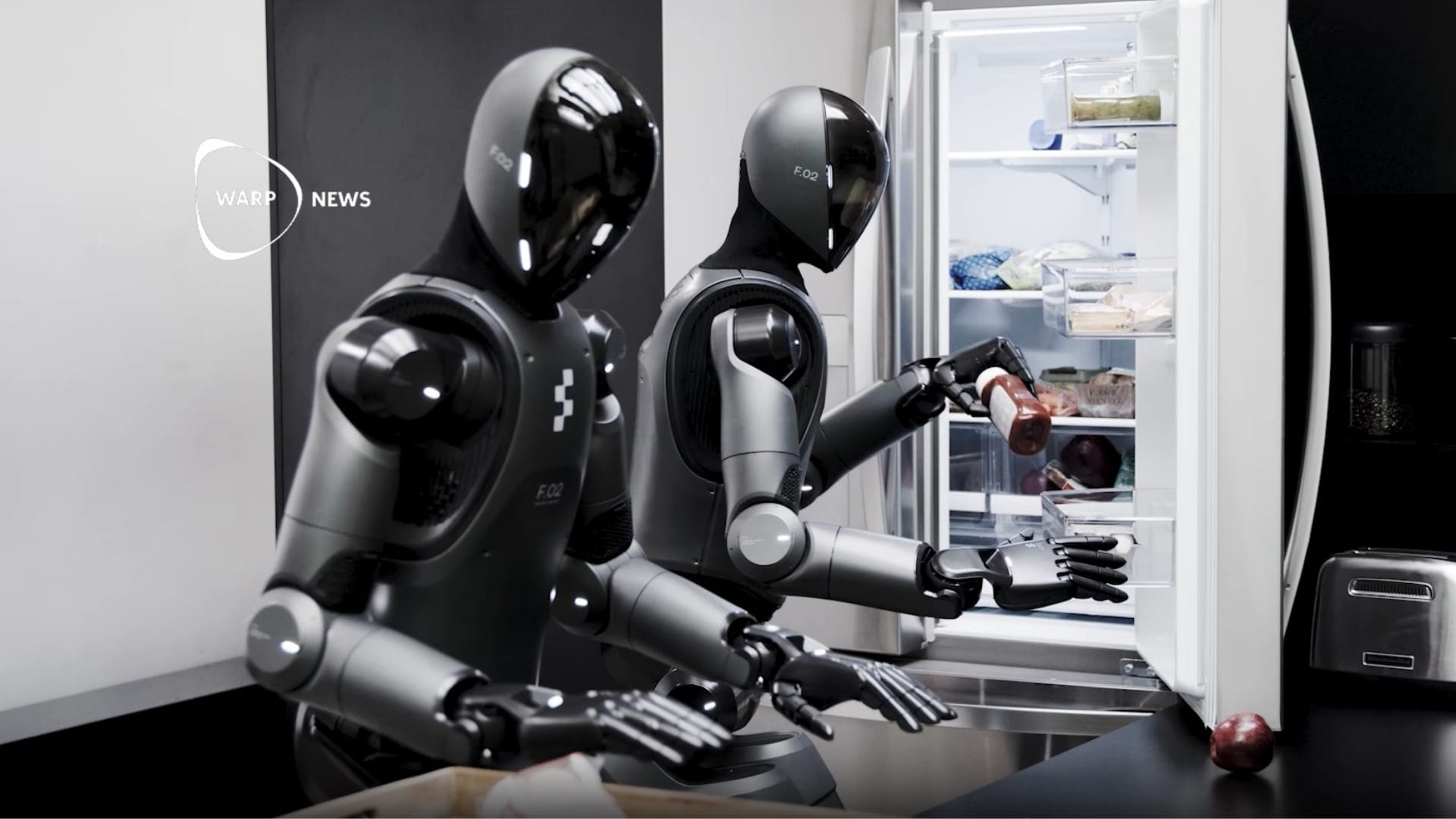
🦿 New robot model can handle unfamiliar objects with natural language
Figure robots equipped with Helix can pick up almost any small household object by following natural language commands. Helix can successfully handle thousands of new items in cluttered environments without any prior demonstrations or custom programming.