

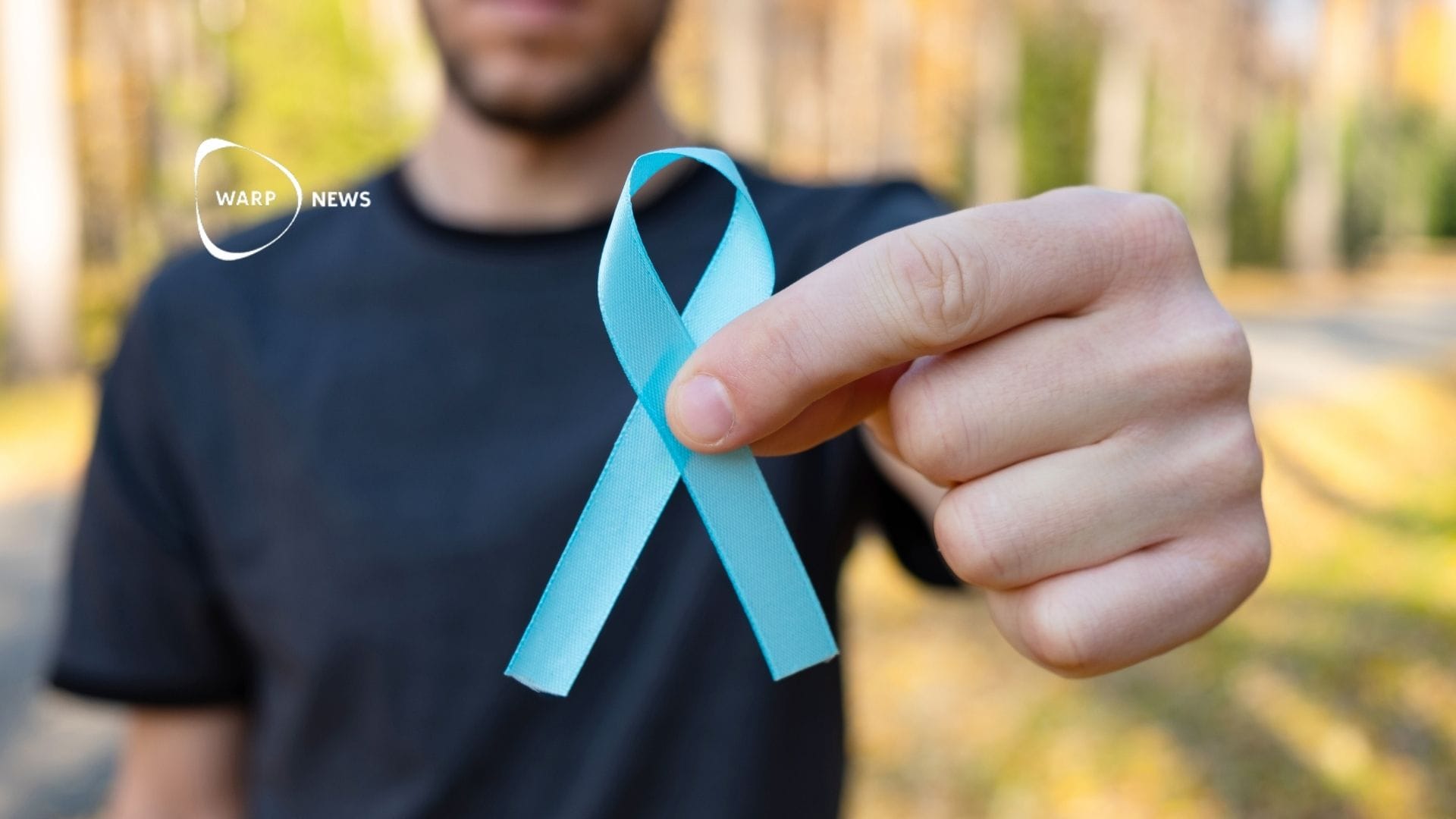
🎗️ Nearly everyone survives prostate cancer
Nearly 98 percent of patients with prostate cancer are alive at least five years after diagnosis in 2021.
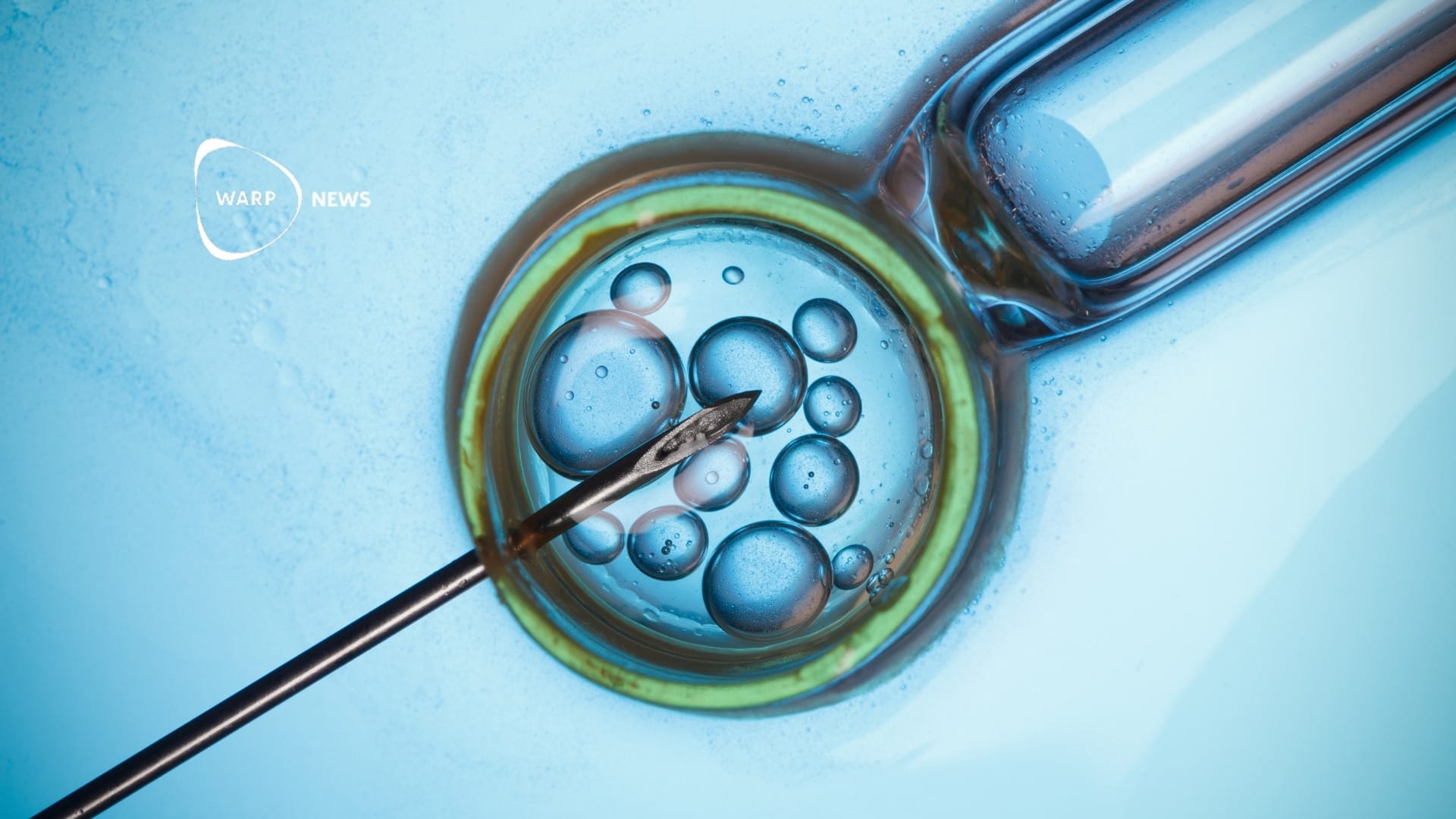
🧫 Robots and AI help couples have children through IVF
At least 20 children have already been born through clinical trials where robots and AI perform IVF treatment with minimal human intervention.

🌀 Super typhoon strikes China, worst storm of the year – you won’t believe what happened next
Super Typhoon Ragasa caused no fatalities when it reached mainland China last month.

🦾 AI finds ten times more earthquakes than previous methods
The techniques work better in noisy environments like cities and require less computing power than previous automated methods.
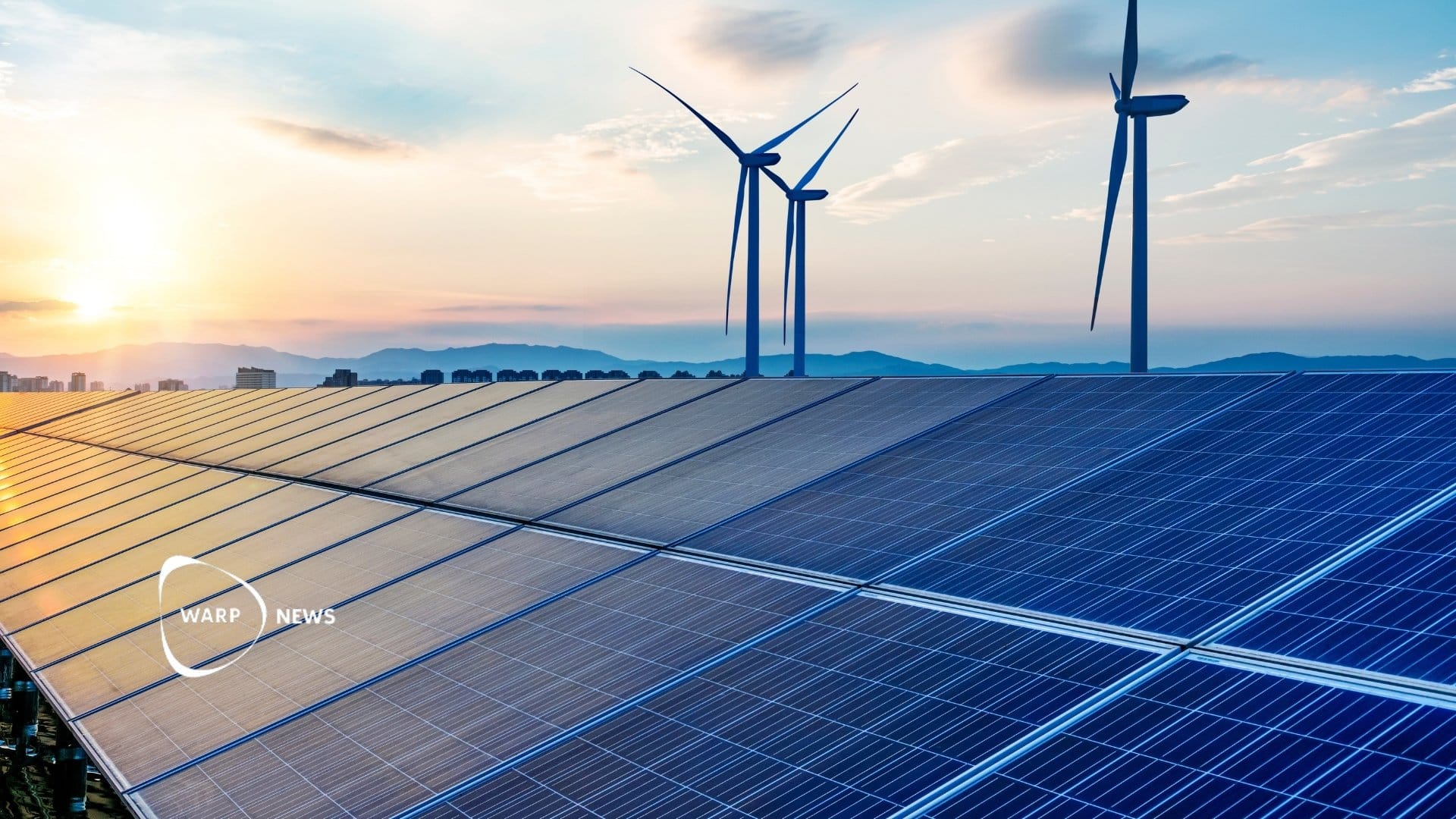
🔋 The world enters the age of electrotech
The energy system is undergoing the most extensive transformation since the transition from biomass to fossil fuels in the 18th century.

🔋 European car manufacturers on track to meet EU emission targets
European car manufacturers sold 38 percent more electric cars during the first seven months of the year.
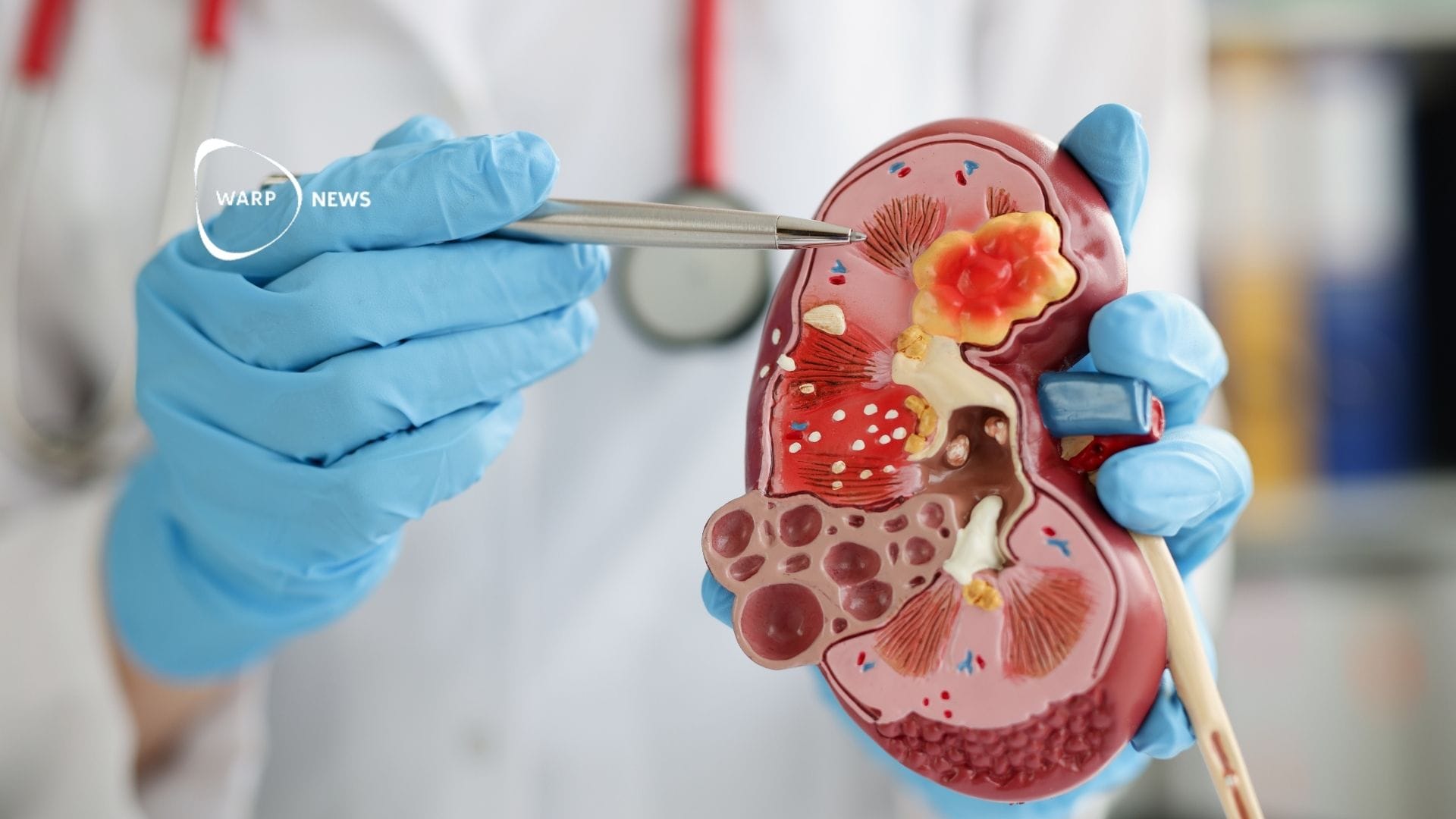
🥼 Lab-grown kidneys getting closer
Researchers have created kidney organoids that develop complex internal structure and produce urine when transplanted in mice.

📱 Headphones and smartphones become medical devices
The FDA has approved AirPods as over-the-counter hearing aids for adults with mild to moderate hearing loss.
💵 HIV medicine price drops from $28,000 to $40
The lower cost applies to 120 low- and middle-income countries and takes effect in 2027.