

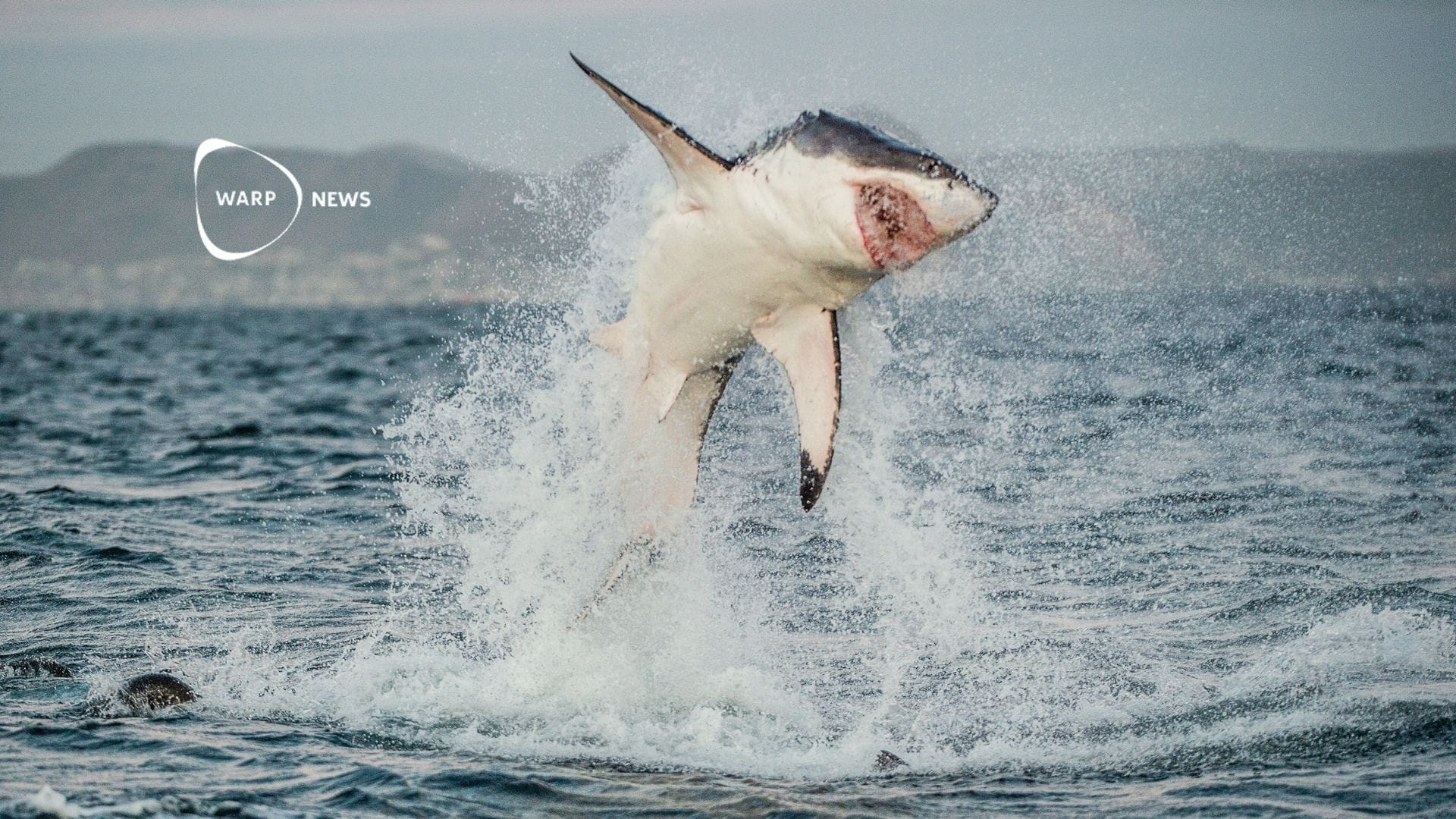
🦈 Shark attacks decreased during 2024
The number of shark attacks decreased from 69 to 47 during 2024, well below the ten-year average of 70 attacks. Four of the attacks resulted in fatalities. Bull sharks were responsible for the majority of identifiable attacks during the year.

⚕️ Nine countries eliminated diseases in 2024
Cape Verde and Egypt became malaria-free countries in 2024. Jordan became the first country ever to be certified as leprosy-free. Pakistan, Vietnam and India eliminated trachoma, a disease that causes blindness.

🌾 Record year for global food production
Global production of rice, wheat and soybeans reached new record levels during 2024. Corn production remained at high levels, comparable to the 2021 harvest. Yields per hectare for most staple crops were equal to or higher than previous years.
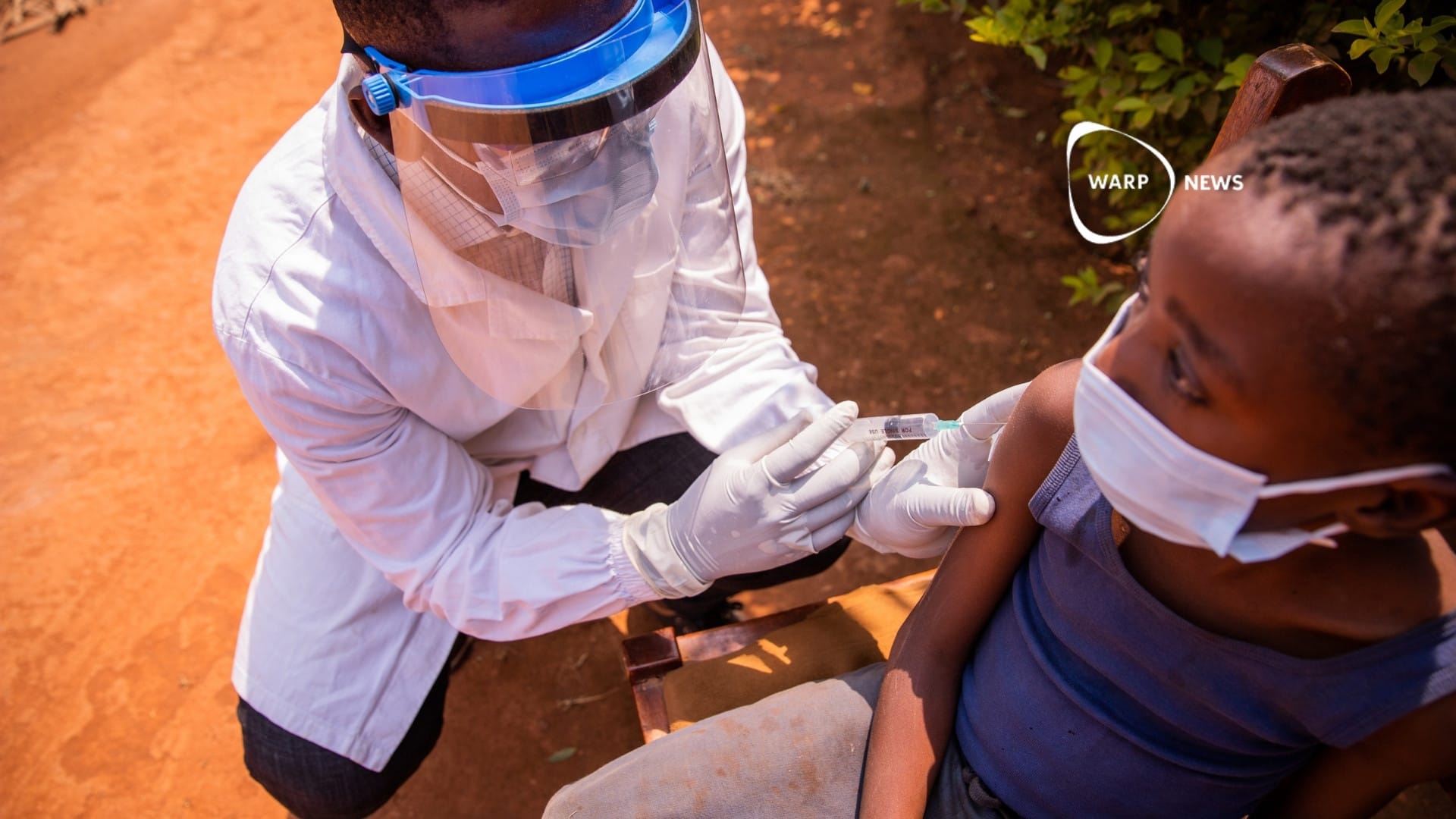
🦟 Drastic reduction in malaria deaths in Kenya
The number of malaria deaths in Kenya has decreased by 93 percent. Approximately 400,000 children in western Kenya have received the RTS,S malaria vaccine, the world's first of its kind. The country has distributed 15.3 million insecticide-treated mosquito nets.

🧒 Cancer mortality in children has decreased by 84%
Childhood cancer mortality in the US has decreased six-fold since the 1950s. Improved treatment methods for leukemia have led to significantly more children surviving the disease. Mortality has decreased significantly for all types of cancer, including lymphoma and multiple myeloma.

🔬 AI performs chemical research completely independently
A new AI system can independently plan, design and conduct chemical experiments. Coscientist has successfully optimized chemical reactions and proven its ability to work independently in six different experimental tasks.
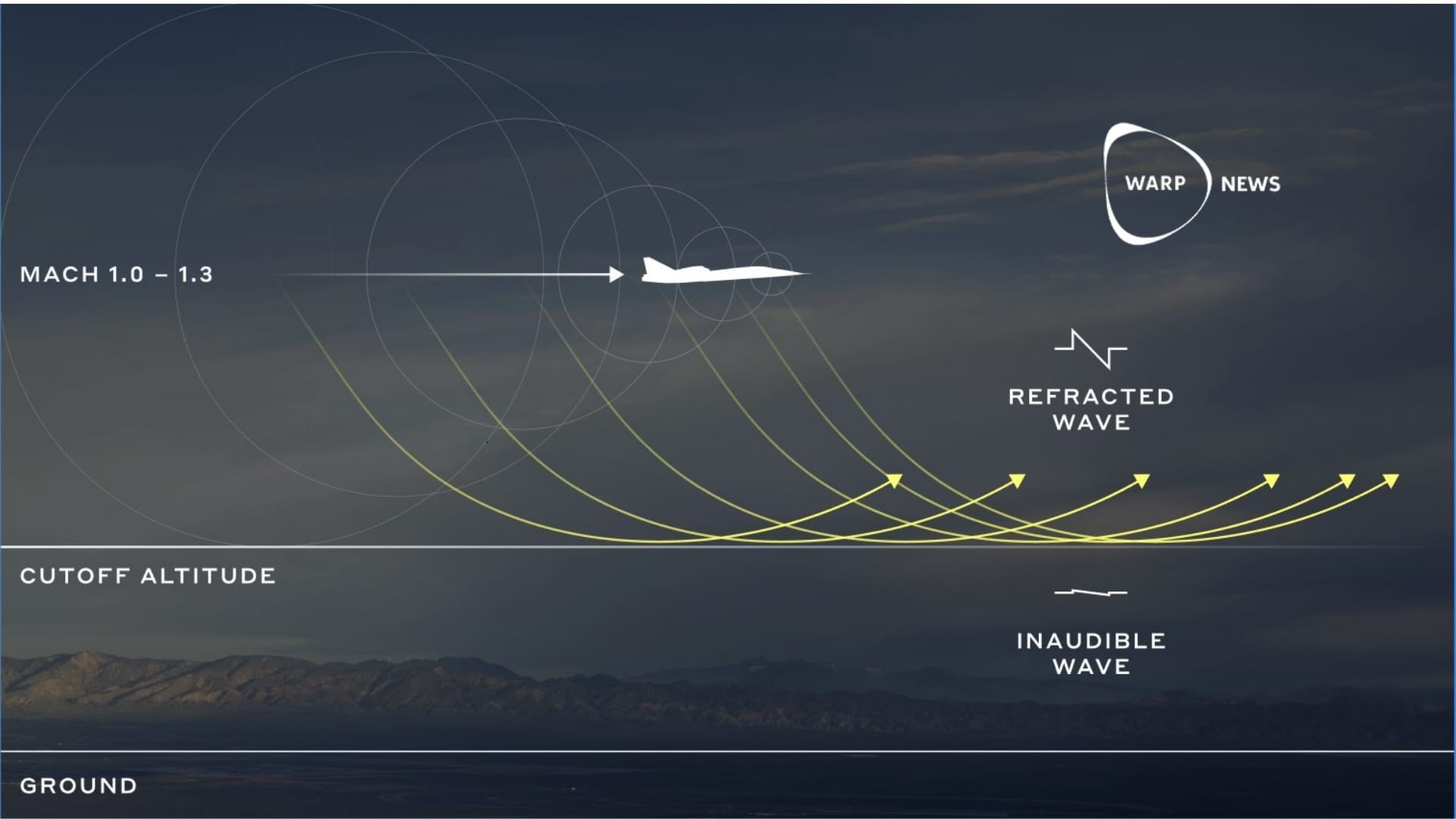
✈️ New aircraft flies at supersonic speed without sonic boom
XB-1 has completed three supersonic flights without creating an audible sonic boom on the ground. Sound waves bend when traveling through air with different temperatures. Due to the colder temperatures at high altitude, the sound waves make a U-turn in the atmosphere.

👩🏭 EU reaches lowest unemployment level in decades
EU unemployment has dropped from 11.3 percent in 2013 to 6 percent in 2023, the lowest level in several decades.
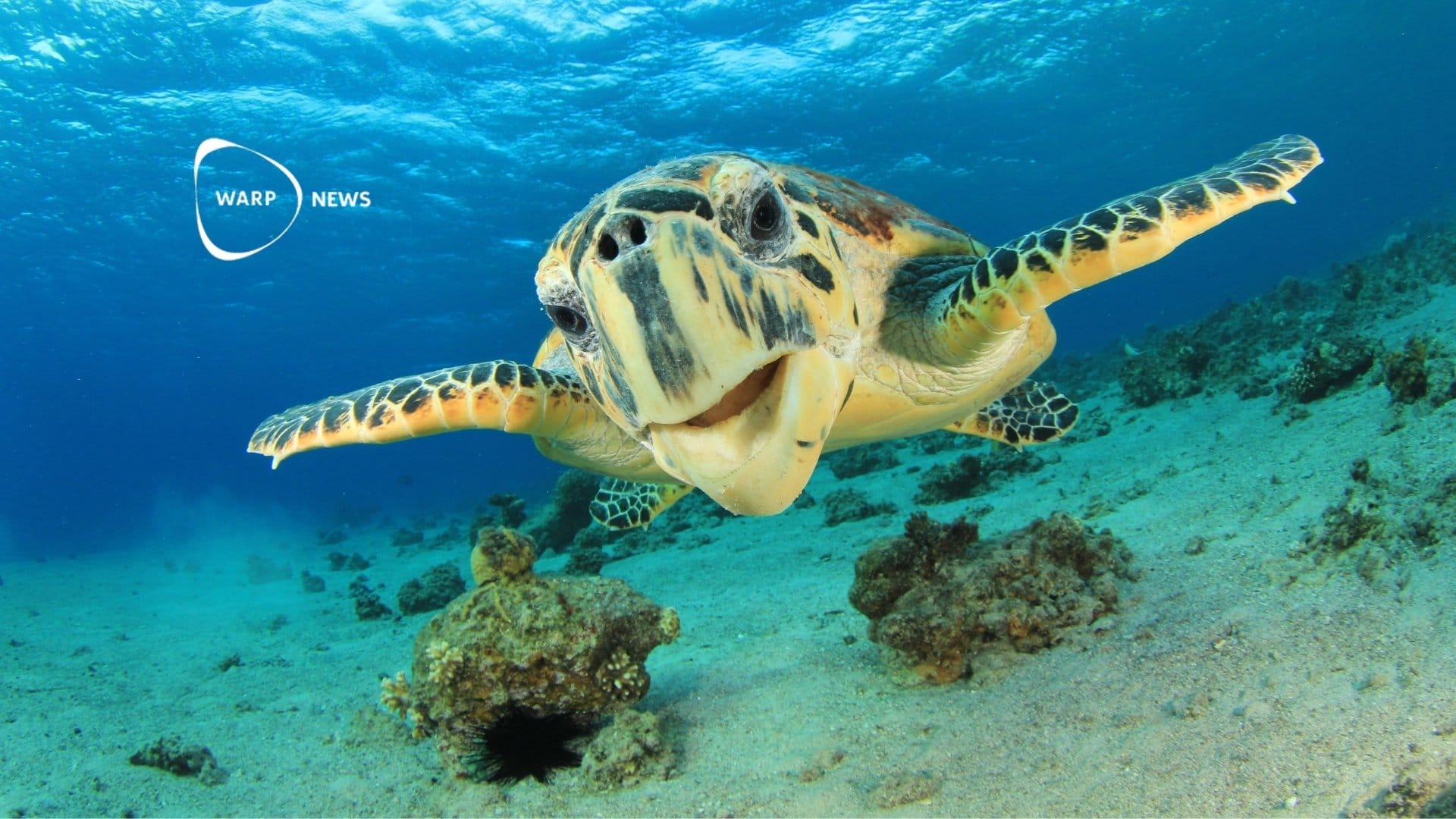
🐢 Sea turtles increase significantly in numbers
New studies show sea turtles are increasing in numbers at 28 locations worldwide. Only five sites show a decrease. On Sal Island off Africa, the number of loggerhead nests increased from 500 to 35,000 between 2008 and 2020.