

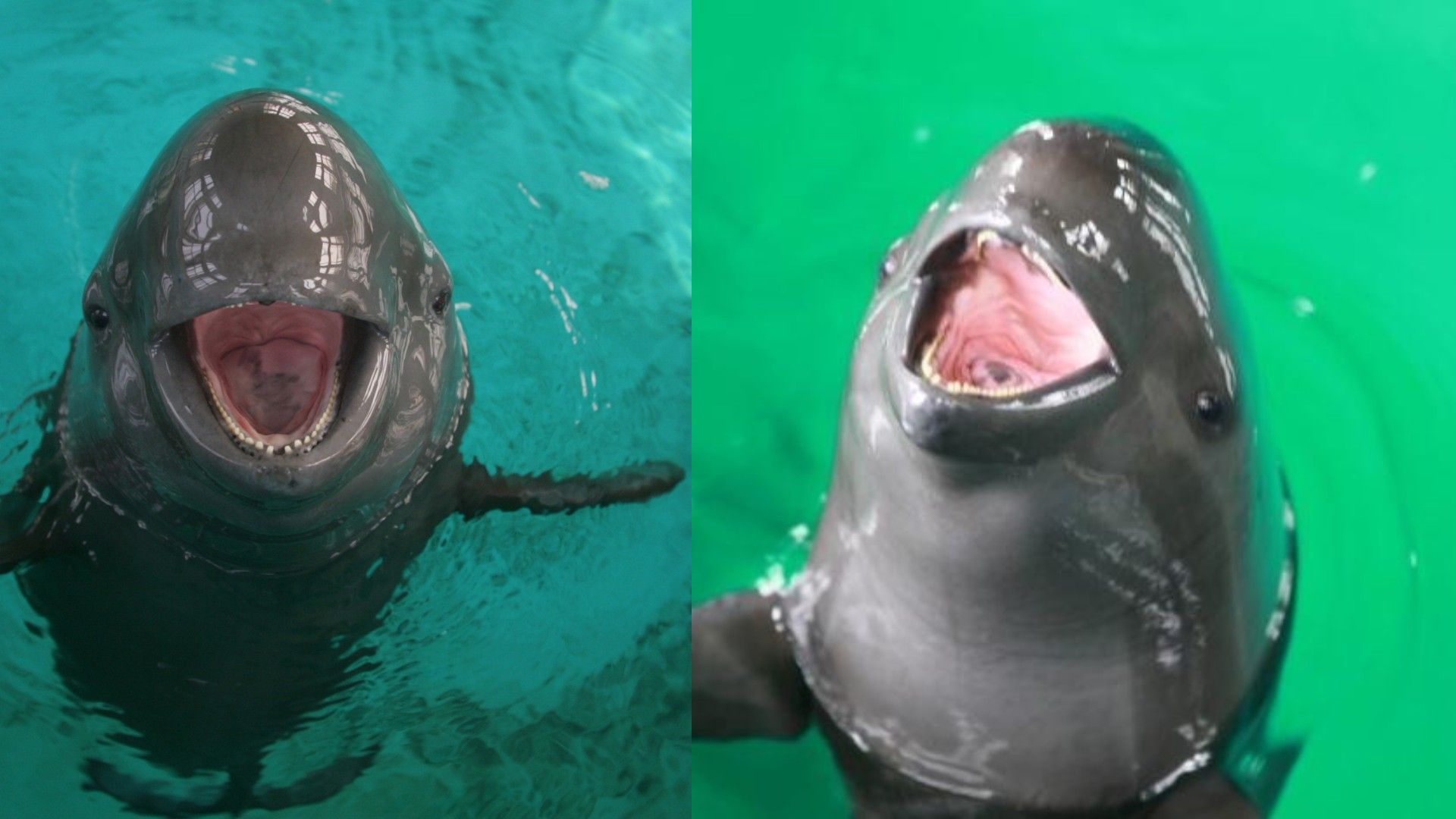
🐬 Critically endangered porpoise on the road to recovery
The population of this critically endangered cetacean has risen from 1,012 to 1,249 over the past five years, marking a 23% increase.
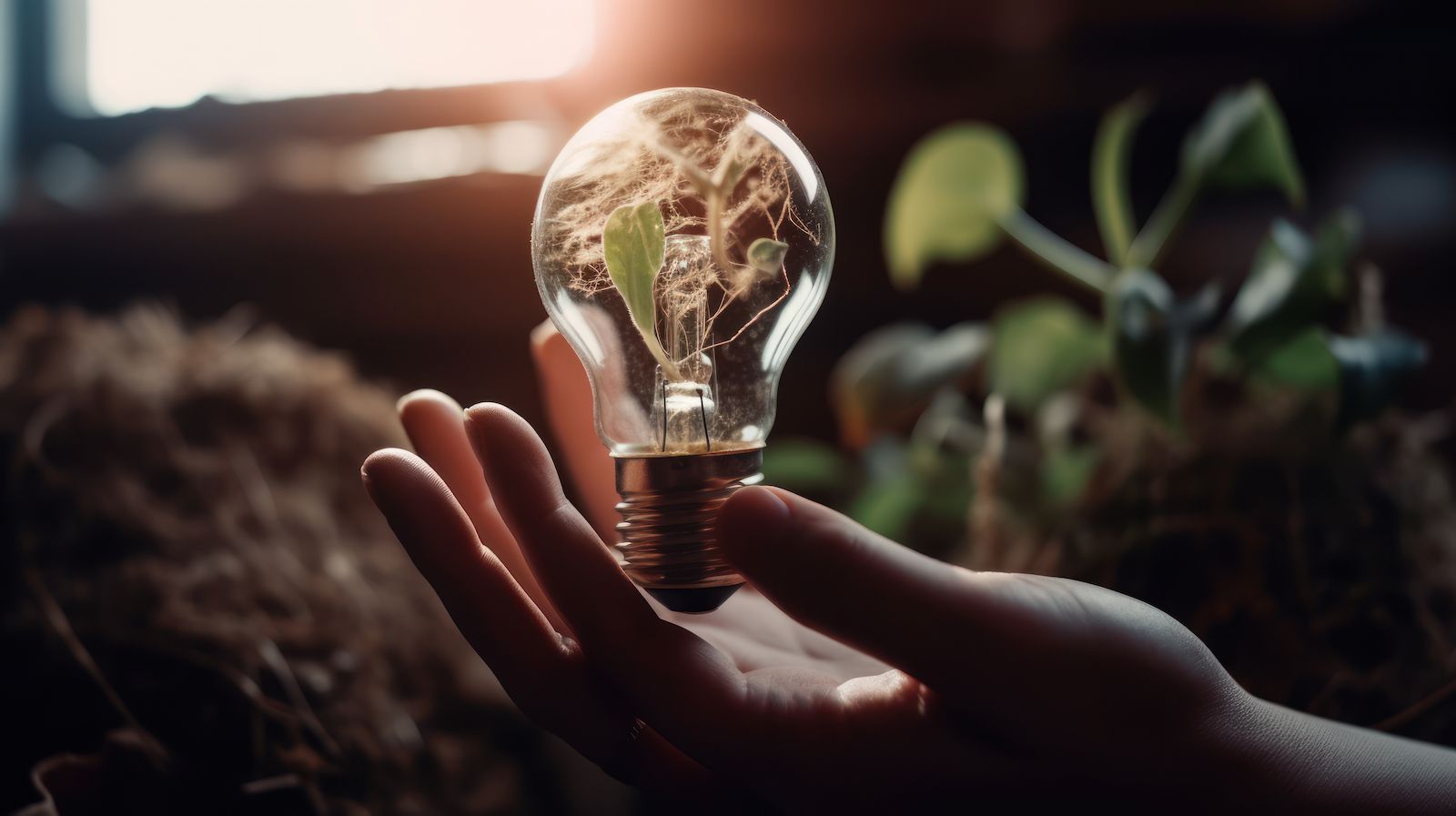
🤖 Using AI to help the environment
Saving trees with AI 'guardians' and five more ways AI can help the environment.
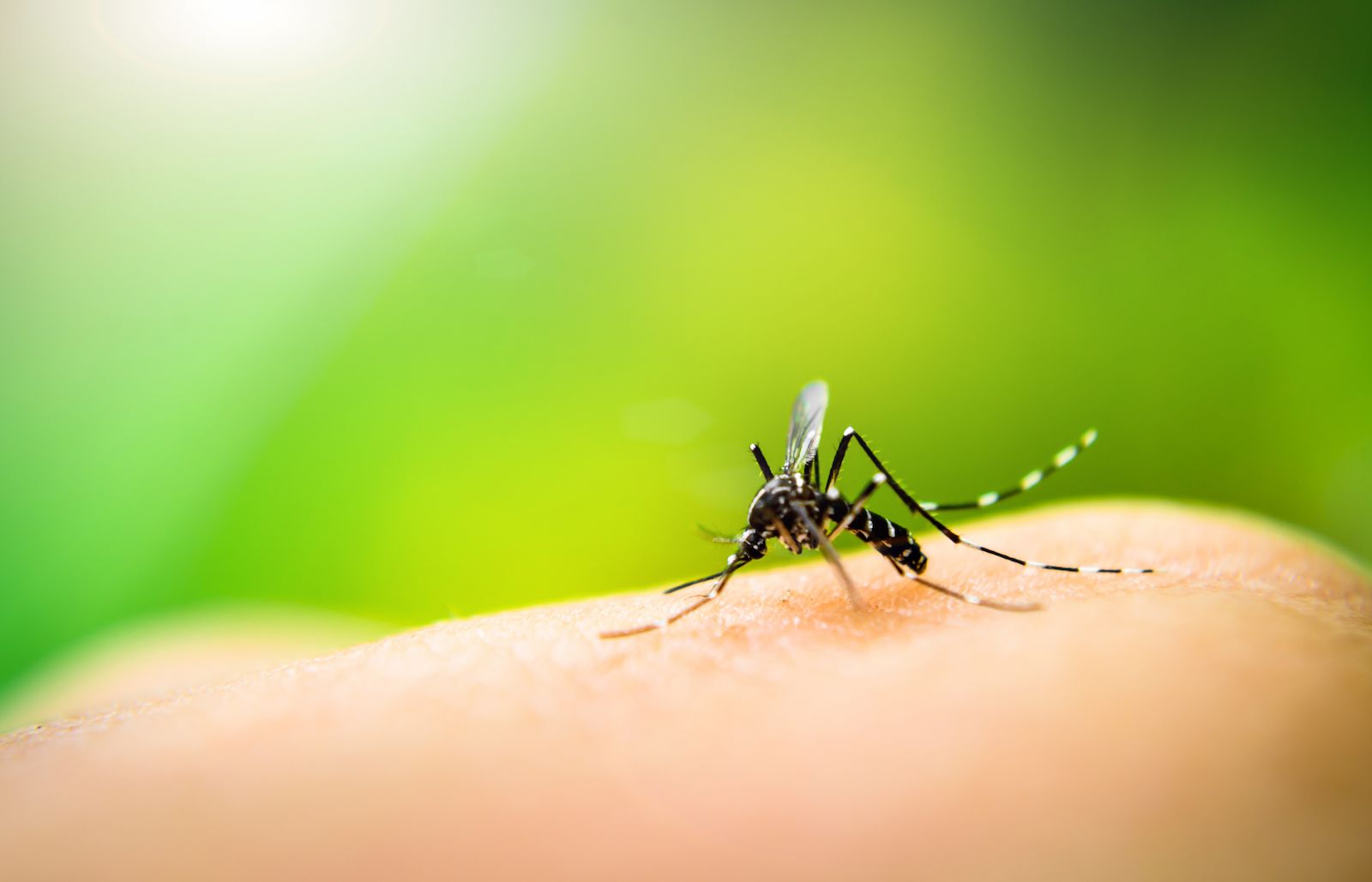
🦟 World's largest mosquito factory to fight dengue in Brazil
Massive facility to produce billions of bacteria-infected mosquitoes.
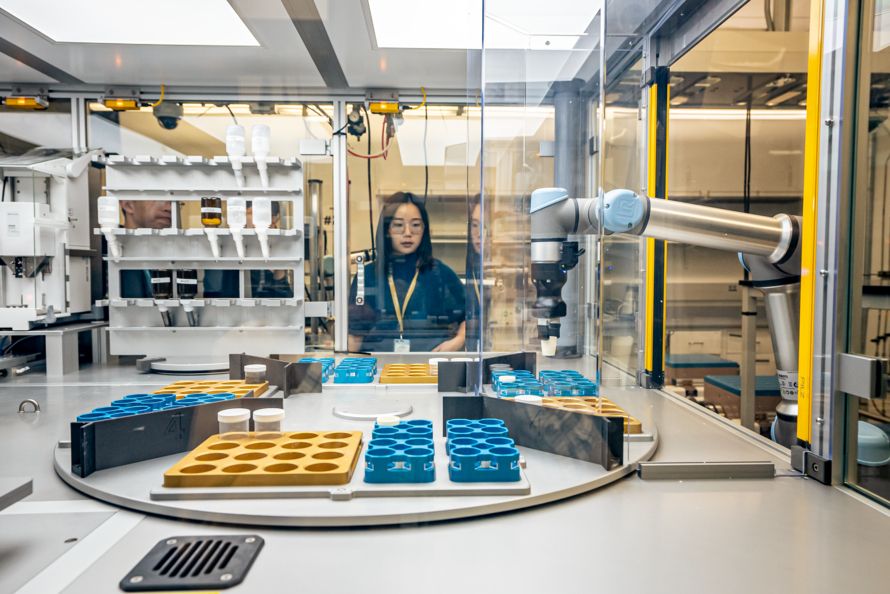
🦾 AI-driven lab search for new materials 24/7
An automated system operates continuously, day and night, to produce novel inorganic materials with the potential to enhance batteries, fuel cells, and superconductors.
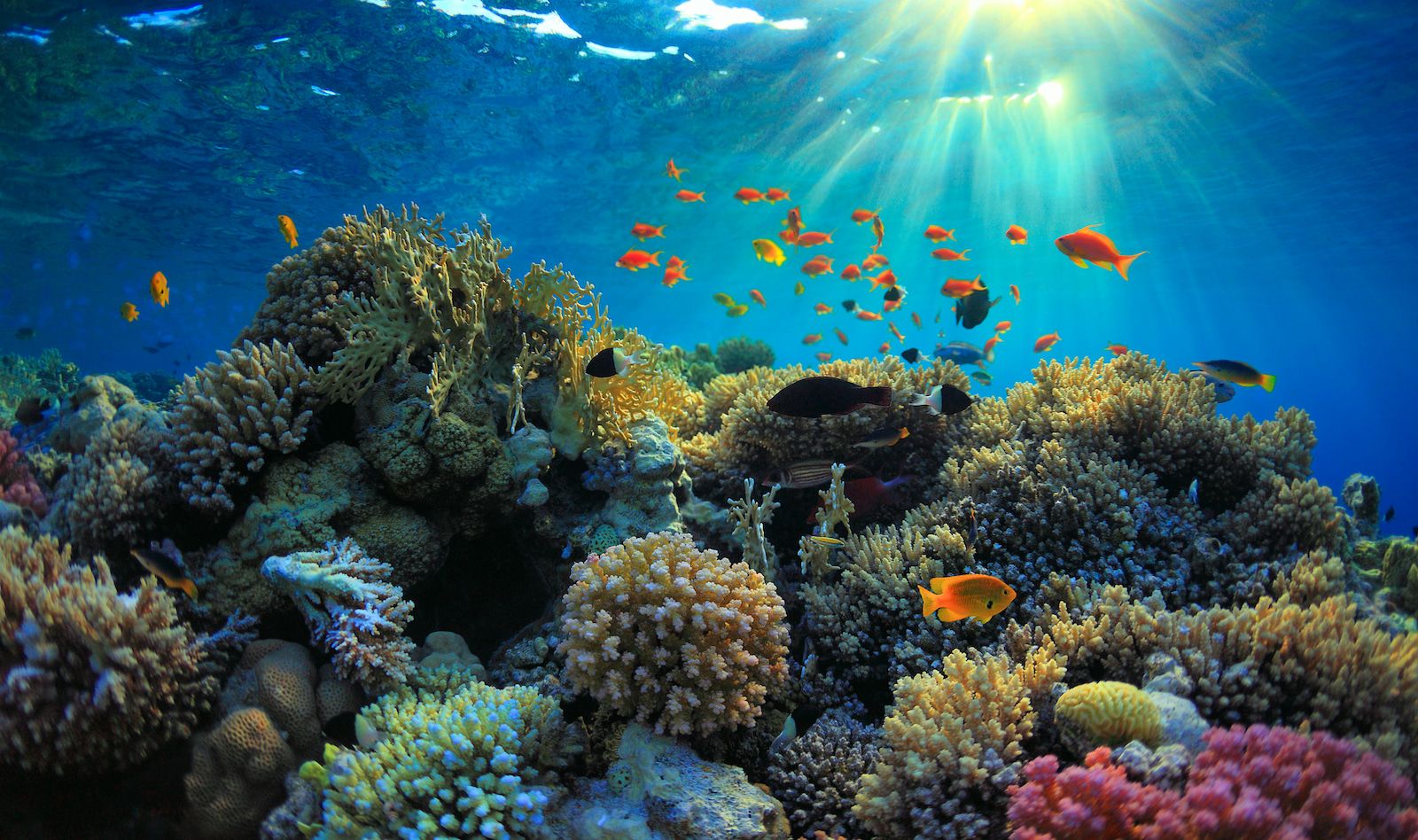
🐠 You and an AI can help save coral reefs
Listen for a few seconds, and help identify fish sounds. That will help train the AI and restore the health of the reef.
👩💻 Job: Help Speculative Technologies design new research programs
Help design a research program to unlock powerful materials or manufacturing technology.
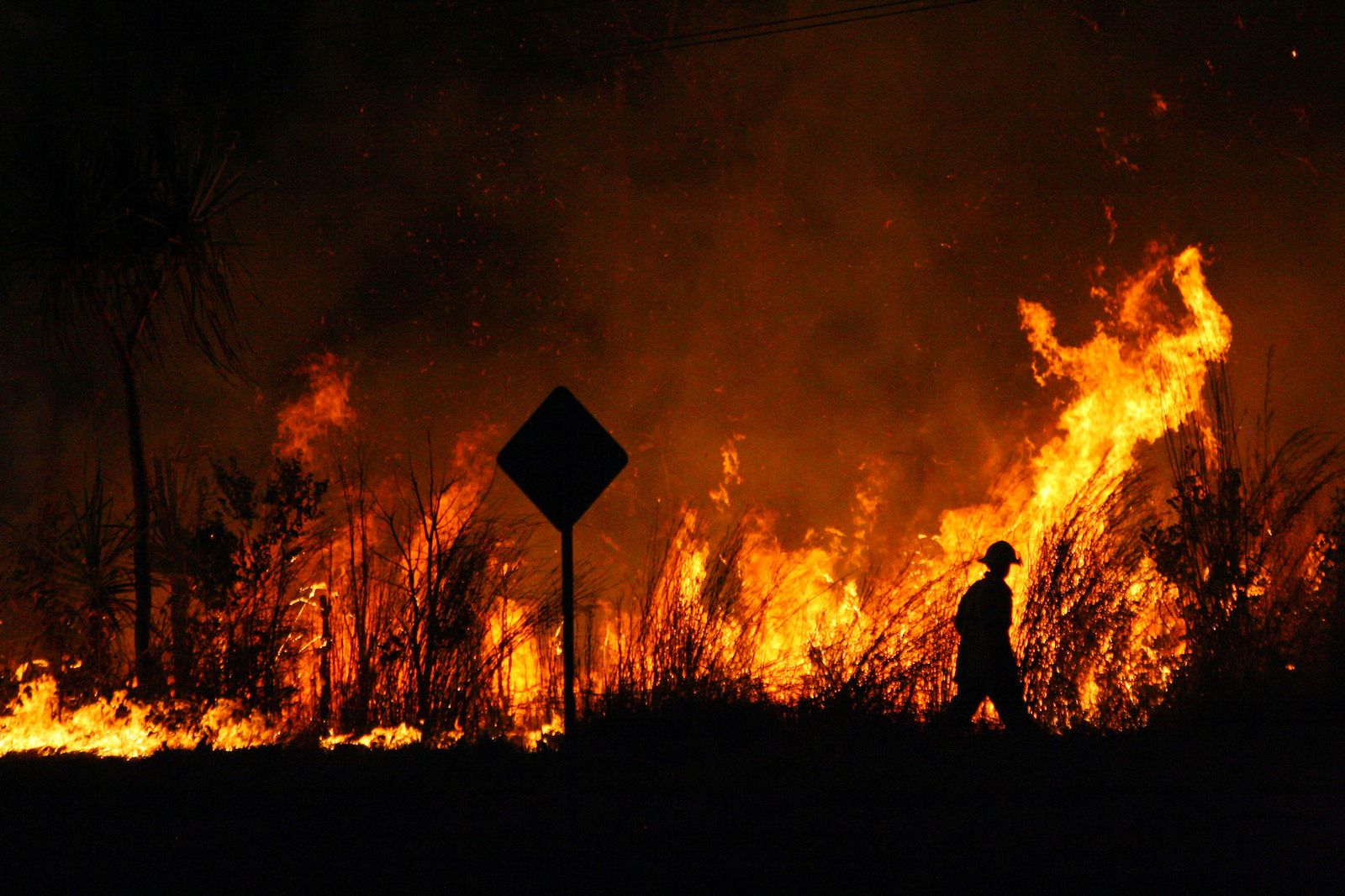
🔥 XPRIZE Wildfire: Igniting a global race to reinvent wildfire detection and response
Humanity's grand challenge of eliminating wildfires is tackled head-on by the $11 million XPRIZE Wildfire competition.
⚕️ Vaccines for cancer and heart disease by 2030: could save millions
mRNA-based vaccines for cancer, heart disease, and other conditions could become a significant medical breakthrough.
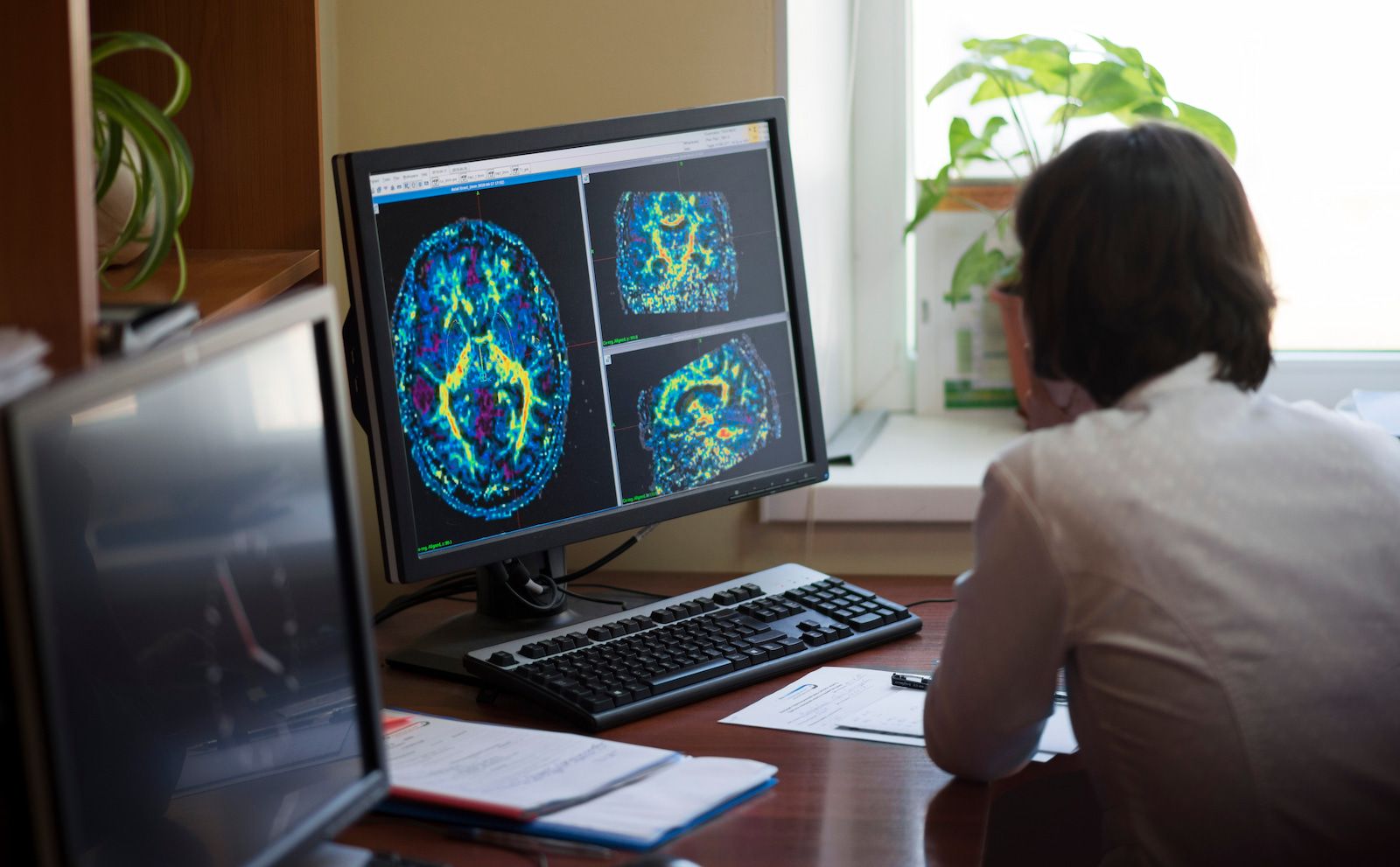
🧠 Sharpest image ever of a brain
64 billion times sharper: Research at Duke University has resulted in the sharpest image ever of a mouse brain through improved MRI technology. The new resolution can help researchers better understand how the brain changes through aging, diet, and diseases such as Alzheimer's.