

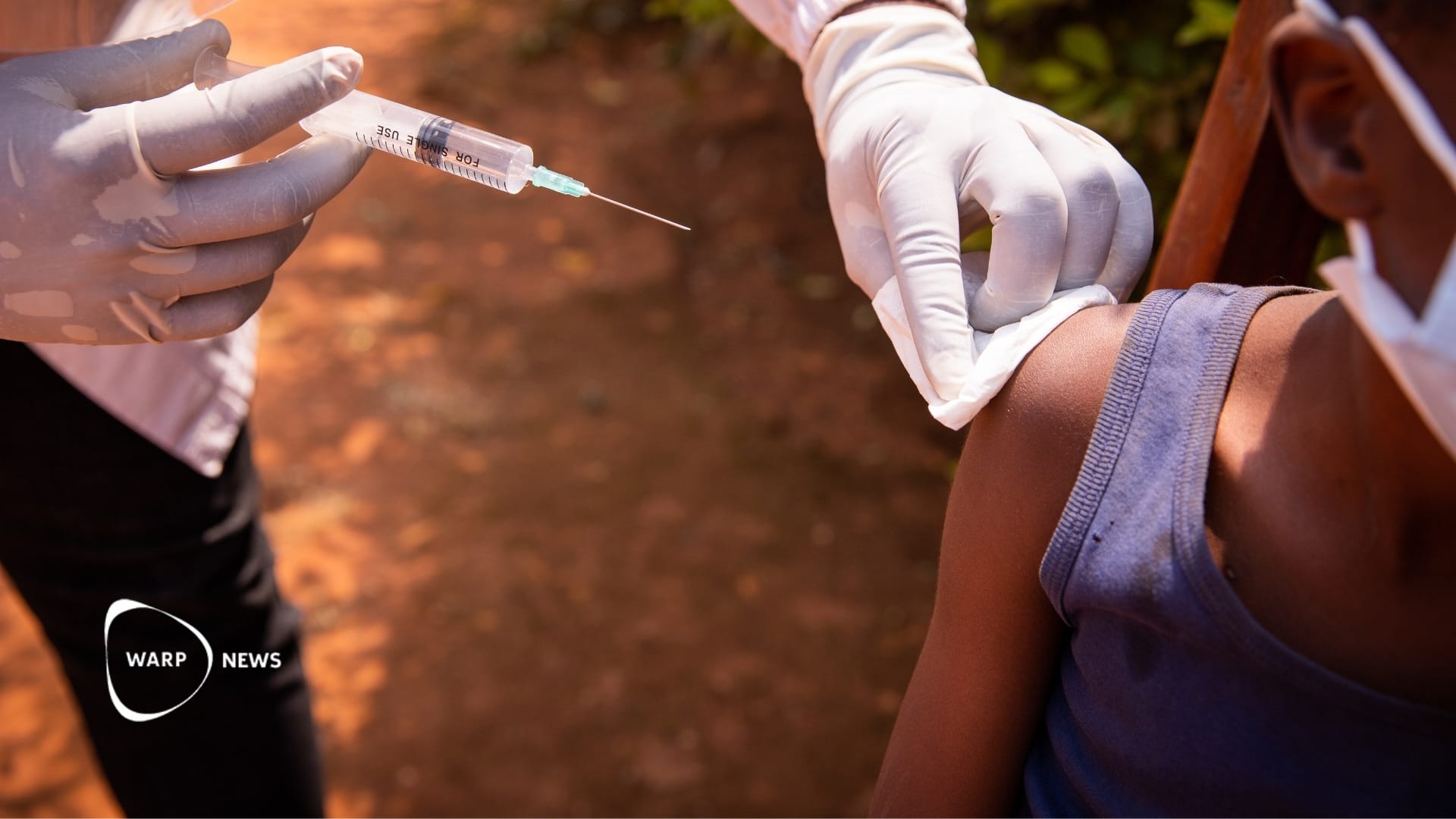
👩💻 Open source helps reach millions of unvaccinated children
Many countries have long collected vaccination data on paper or in Excel, causing delays and gaps. Now the University of Oslo and Gavi have built digital systems in 40 low- and middle-income countries. The result: hundreds of thousands of children vaccinated – in Mozambique and Kenya alone.

👍 New rule of thumb for AI energy use: One prompt = one second in the microwave
A simple AI query uses about 0.3 watt-hours of electricity. A microwave at around 1,000 watts uses about 0.28 watt-hours per second. So a simple AI query corresponds to roughly one second in the microwave.
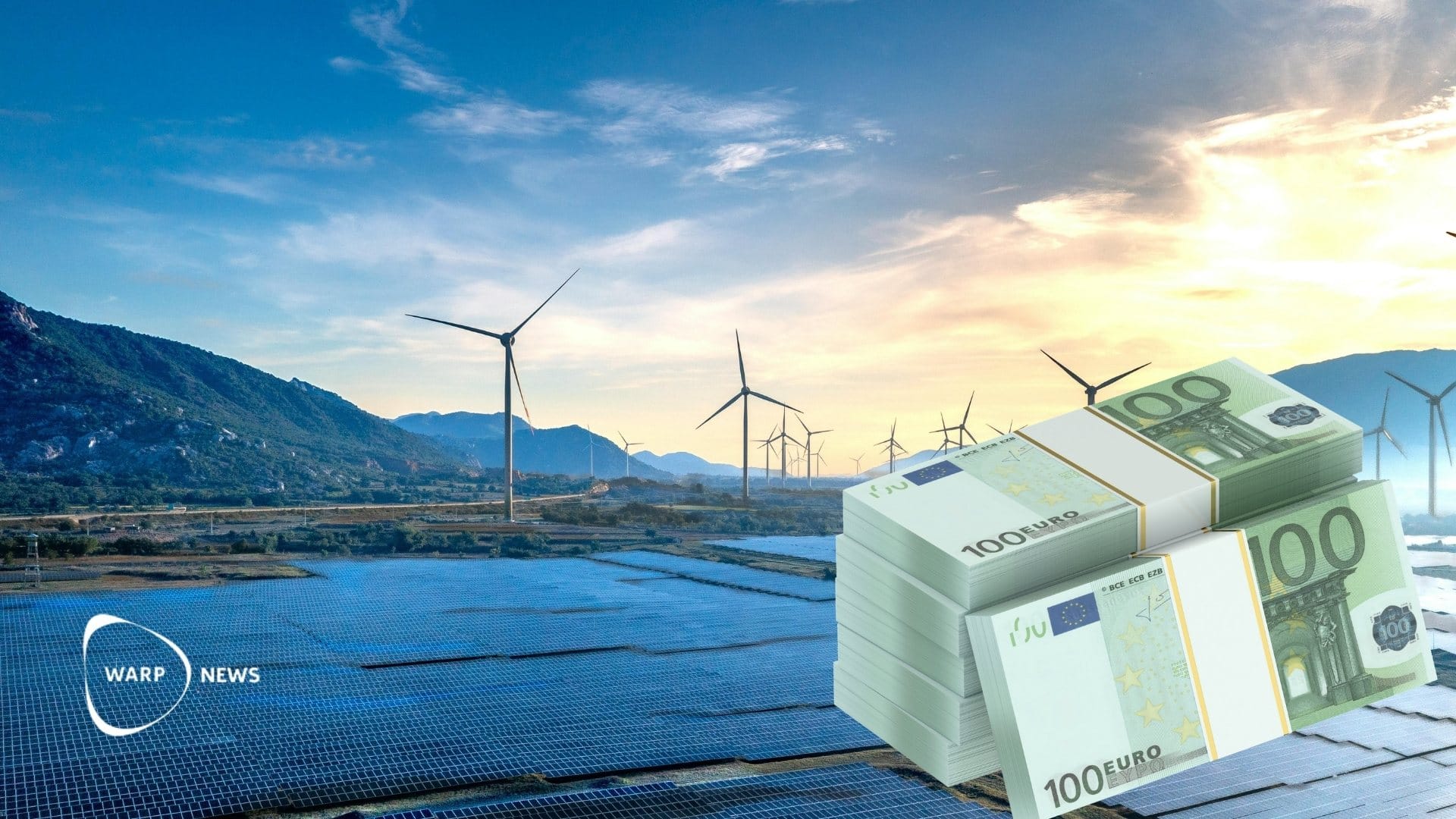
💶 Solar power has saved Europe more than €100 million per day since March
Solar energy has saved Europe more than €100 million per day since 1 March, totaling more than €3 billion. Wind and solar power have reduced electricity prices by an average of 24% between 2023 and 2025. If gas prices remain high, total savings in 2026 could reach €67.5 billion.
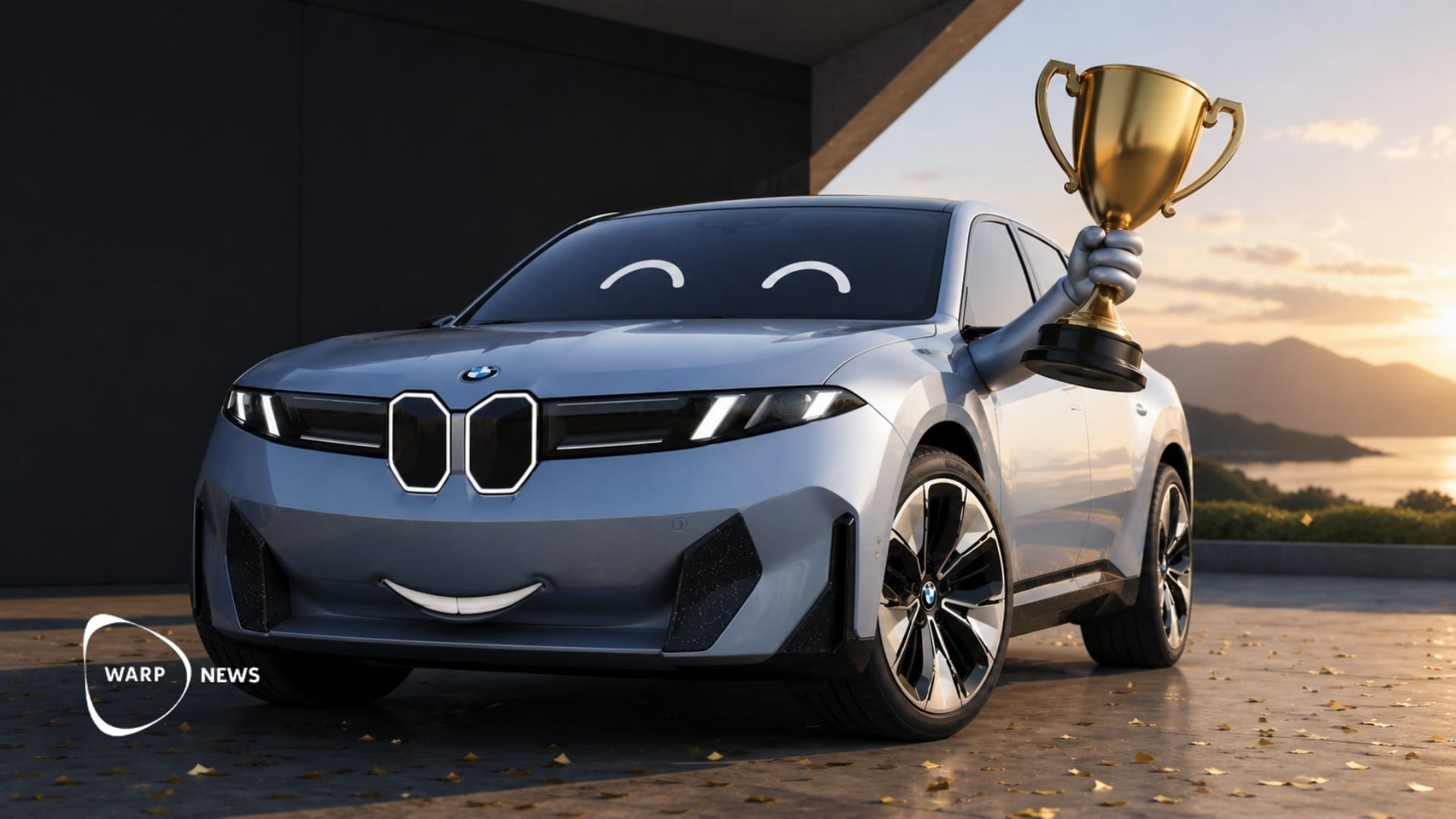
🚗 Electric vehicles outclass fossil fuel cars – sweep all categories at the 2026 World Car Awards
Consumers rank affordability, efficiency, quality, and safety as the most important factors in a car in 2026, areas where electric vehicles perform strongly. The BMW iX3 Neue Klasse won both Electric Vehicle of the Year and the Car of the Year award.
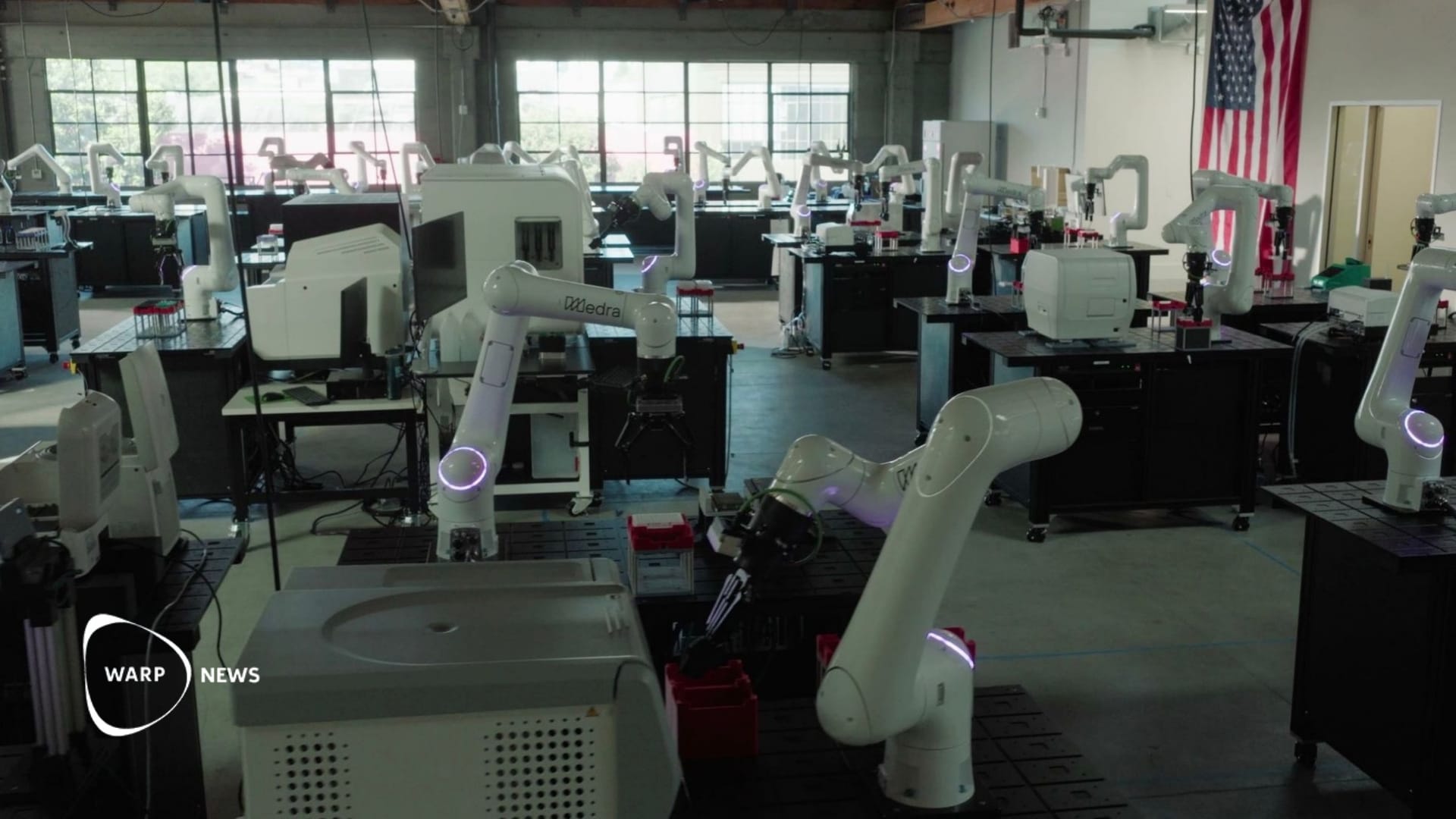
🦾 Medra builds autonomous lab, robots controlled with everyday language
Medra has raised $52 million to build a 38,000-square-foot autonomous robot lab in the Bay Area. Scientists can direct the robots with everyday language, much like writing to ChatGPT. The robots work around the clock on drug research for partners such as Genentech and Addition Therapeutics.

💵 Study: Every generation has had higher income than the previous one
Every generation over the past six decades has had higher income than the previous one. American millennials aged 36–40 had a median household income 20 percent higher than Generation X. The increase happened without more work hours – earlier generations' growth was partly driven by increased work.
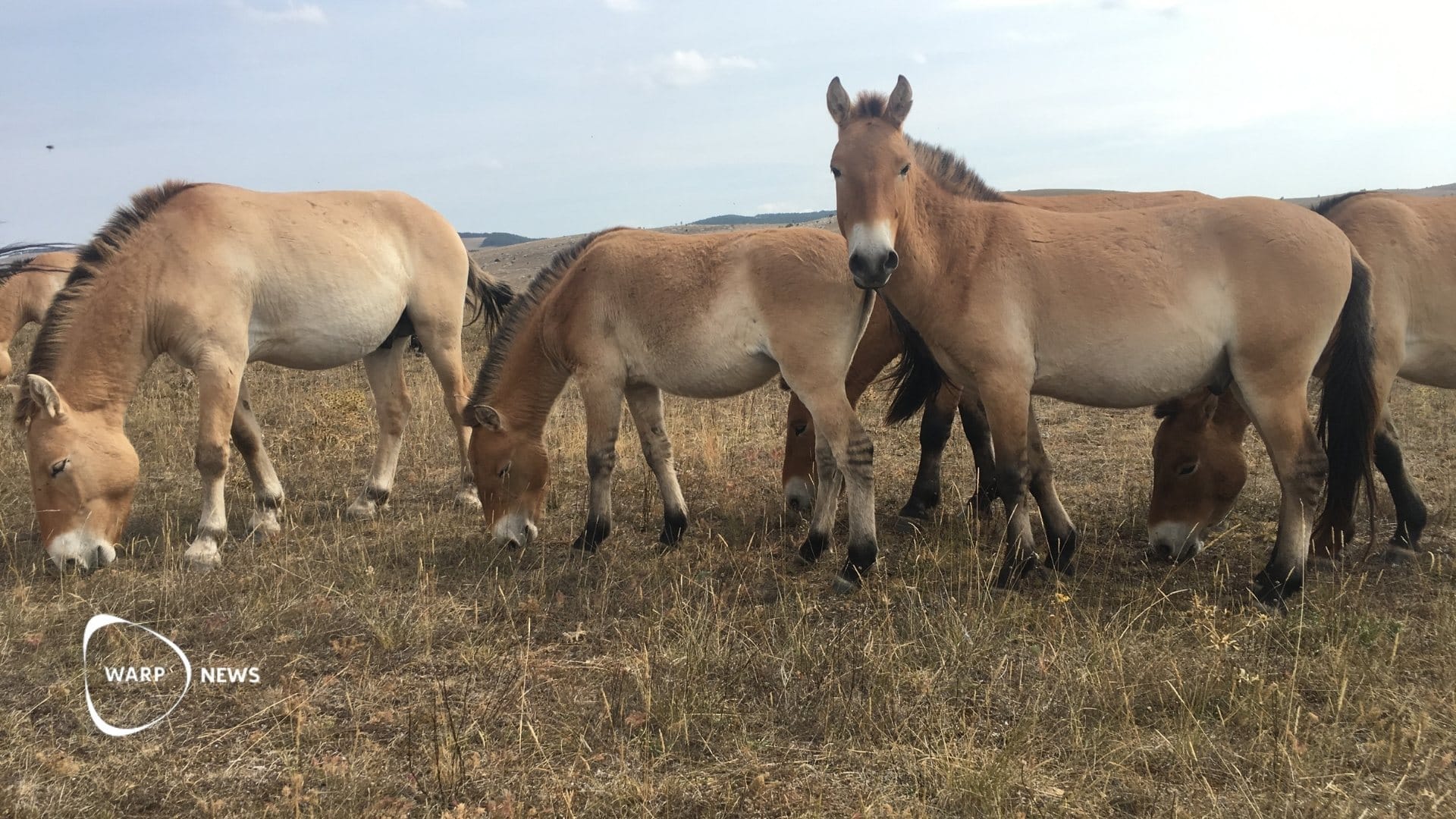
🐴 World's only surviving wild horse species back from the brink of extinction
The Przewalski's horse was declared extinct in the wild during the 1970s and has been reintroduced through a conservation program launched in 1985. Przewalski's horse is the world's only surviving wild horse species and has an evolutionary history of 60 million years.

🚰 Desalinated seawater could ease pressure on the Colorado River
San Diego is negotiating with Arizona and Nevada to sell water from North America's largest desalination plant. The agreement could supply roughly 500,000 people with drinking water annually. San Diego has reduced its water imports from 95 percent to 10 percent over three decades.
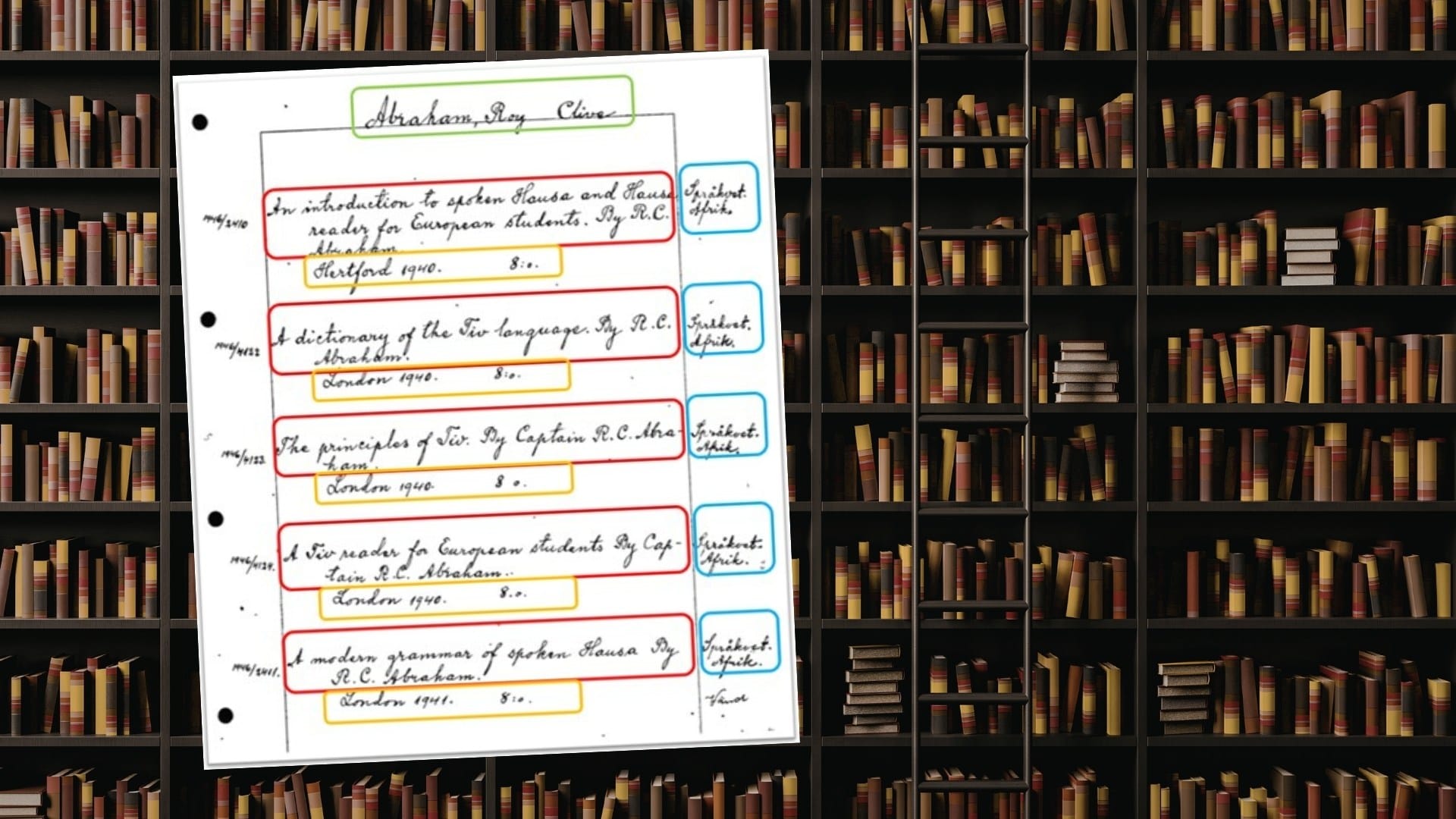
📚 AI deciphers handwriting and makes 350,000 hidden books searchable – saves ten years of work
Uppsala University Library has used AI to digitize a handwritten book catalog. The work corresponds to more than ten years of manual labor and has been completed in a much shorter time. The material is now easier to find and use for researchers and the general public.