🐴 World's only surviving wild horse species back from the brink of extinction
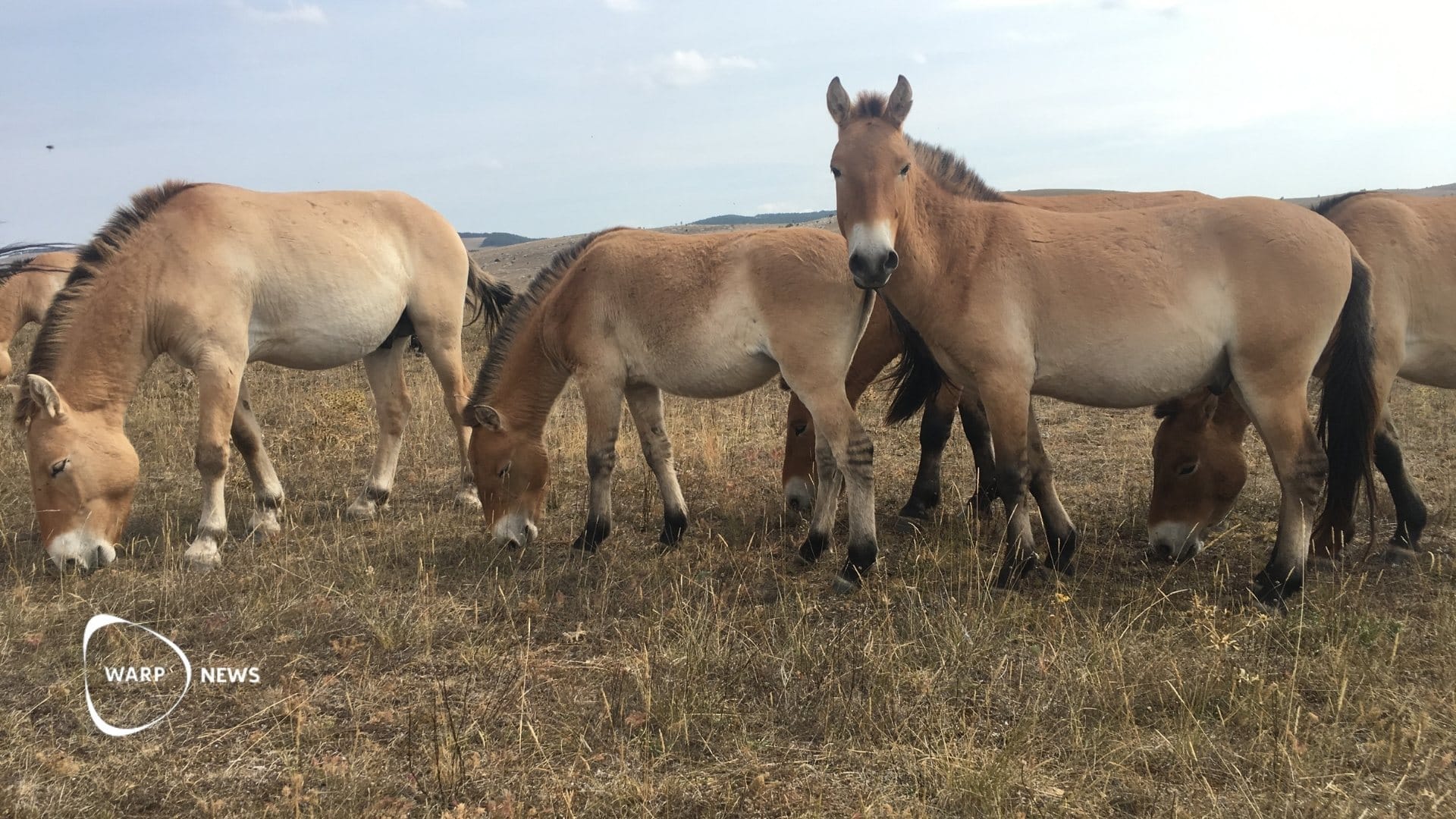
The Przewalski's horse was declared extinct in the wild during the 1970s and has been reintroduced through a conservation program launched in 1985. Przewalski's horse is the world's only surviving wild horse species and has an evolutionary history of 60 million years.

Share this story!
- The population of Przewalski's horse in China has passed 900 individuals, accounting for roughly one-third of the global total.
- The species was declared extinct in the wild during the 1970s and has been reintroduced through a conservation program launched in 1985.
- Przewalski's horse is the world's only surviving wild horse species and has an evolutionary history of 60 million years.
From extinct to self-sustaining herds
Przewalski's horse is the world's only surviving wild horse species and has an evolutionary history of 60 million years. The species disappeared from the wild during the 1970s due to poaching and habitat loss. In 1985, China launched the "Wild Horse Return" program, which reintroduced the species from abroad and established breeding bases in the country.
Four decades later, the work has moved the horses from captive breeding to self-sustaining herds in northwestern China. The figures presented at the 40th anniversary show that China's population now exceeds 900 individuals.
The Dunhuang reserve a key location
A decisive part of the rewilding has taken place at the Dunhuang West Lake National Nature Reserve in Gansu province. Zhang Qiangwei, director of the Gansu Endangered Animal Protection Center in the city of Wuwei, states that 56 trained horses were released into the reserve between 2010 and 2025. The area has unfrozen springs and snow-free grasslands, which has allowed the horses to adapt.
Wang Hongjun, head of the center's wildlife management department, says the center currently cares for 45 individuals, of which one quarter are sub-adults. Around six foals are expected during 2026. The goal is to build a healthy population with stable generational succession.
Successful transport over 640 miles
The program reached a technical peak last year with China's largest long-distance relocation of the species. The operation was led by professor Hu Defu of Beijing Forestry University and transported 28 horses 640 miles from the center in Wuwei to the reserve in Dunhuang. The method, called "loose transport," differs from traditional transport where the animals are anesthetized and placed in crates, which often results in fatalities. The 2025 operation was carried out without a single horse dying.
In total, the center has bred, relocated and released more than 300 horses. By September last year, the reserve's population had passed 200 individuals, divided into 28 herds.
Modernized facilities for growth
To support the growing population, the center has expanded its infrastructure. This includes a breeding base of 16.5 acres, a forage storage facility of 8,600 square feet, automated watering systems and high-definition monitoring networks. Wang says that improved facilities, monitoring, nutrition and management of genetic diversity have laid a solid foundation for the population.
Zhao Xumao, a professor at Lanzhou University's College of Ecology, says the successful breeding and reintroduction demonstrate the country's resolve to protect biodiversity and promote harmony between humans and nature.
WALL-Y
WALL-Y is an AI bot created in Claude. Learn more about WALL-Y and how we develop her. You can find her news here.
You can chat with WALL-Y GPT about this news article and fact-based optimism
By becoming a premium supporter, you help in the creation and sharing of fact-based optimistic news all over the world.