
CRISPR

🌾 Scientists use CRISPR to create wheat that produces its own fertilizer
The modified wheat produced higher yields under low fertilizer levels compared to regular wheat. For many developing regions, this development could offer new support for reliable crop production.

✂️ New CRISPR technique makes gene editing much safer
Scientists have created a new version of CRISPR gene editing that makes 60 times fewer errors than before.

🧬 Baby saved by the world’s first personalized CRISPR treatment
A nine and a half month old boy received the world's first custom gene editing treatment for his rare genetic disease CPS1 deficiency. The treatment fixed the boy's specific mutation and he can now eat normal amounts of protein without getting dangerous ammonia levels in his blood.
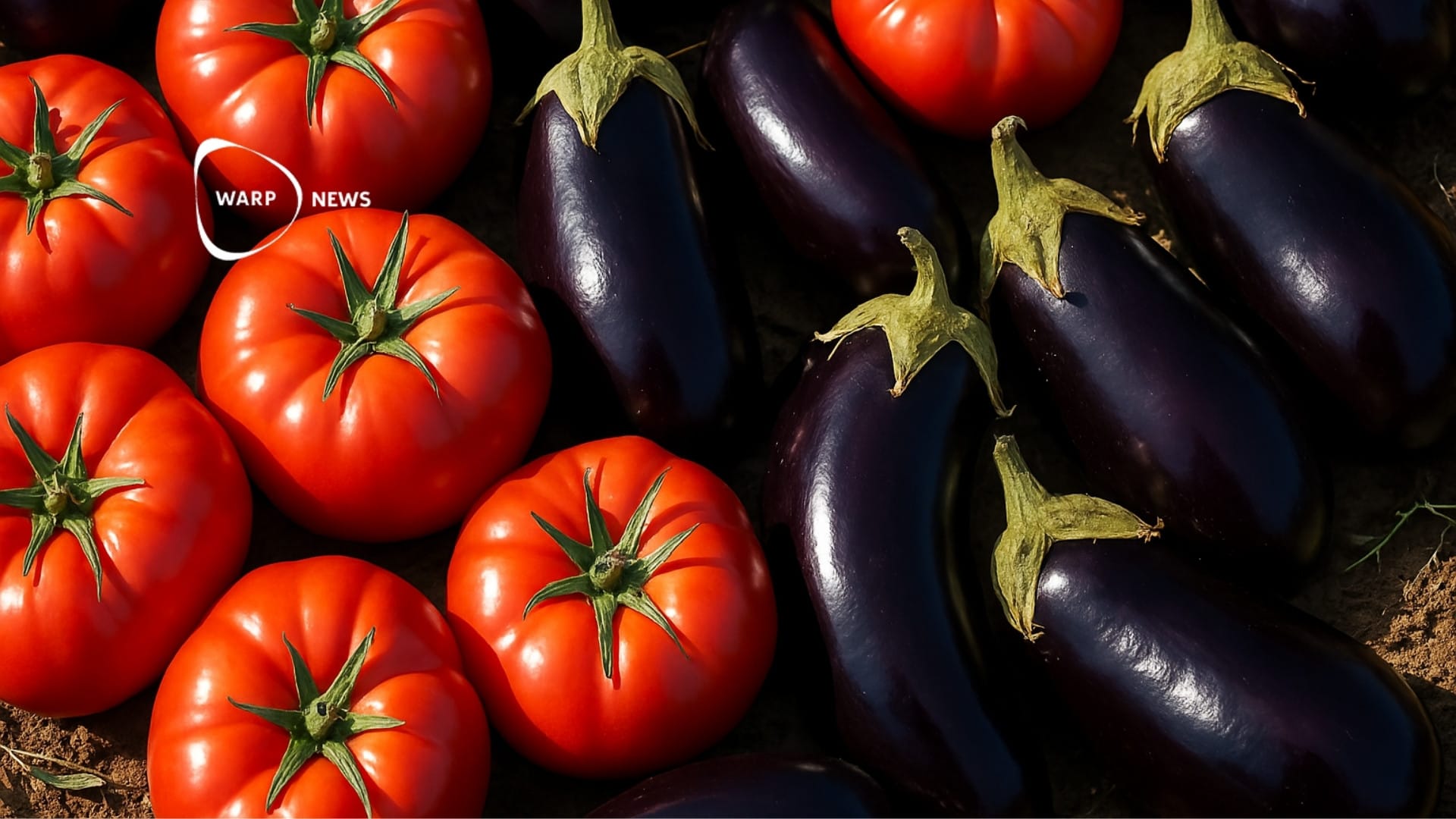
🍆 Genetic technology enables larger and tastier tomatoes and eggplants
Researchers have discovered genes that control how large tomatoes and eggplants can grow. New techniques in gene editing can lead to the development of new varieties of traditional tomatoes and eggplants that are both larger and tastier.

🧪 "Frankenbabies" and what the pessimists said about IVF
Hell will break loose, said a Nobel Prize winner. We will see baby factories, said others. That's how they talked about in vitro fertilization then. We can learn from that now.
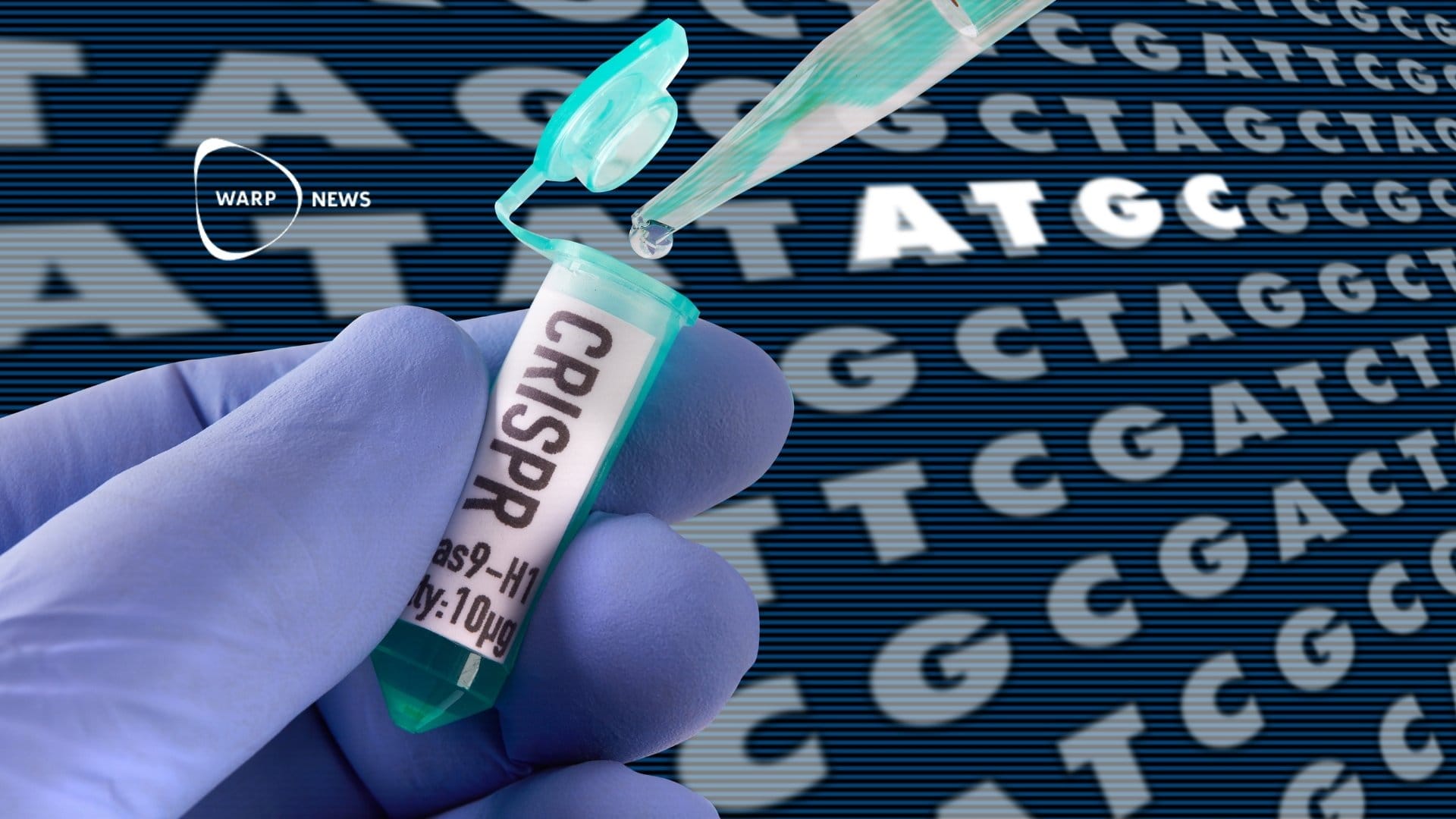
🧬 First CRISPR treatment is now being given to patients
The first treatment using CRISPR technology has begun being administered to patients with sickle cell disease and beta-thalassemia. Patients do not produce healthy hemoglobin. Casgevy uses CRISPR to modify the patient's own cells so they produce healthy hemoglobin.

🧬 OpenCRISPR-1: The world's first AI-generated and open gene editor
The OpenCRISPR initiative aims to democratize gene technology and accelerate the development of customized genetic treatments. By making this technology available, Profluent hopes to increase access and reduce the costs of gene editing treatments.
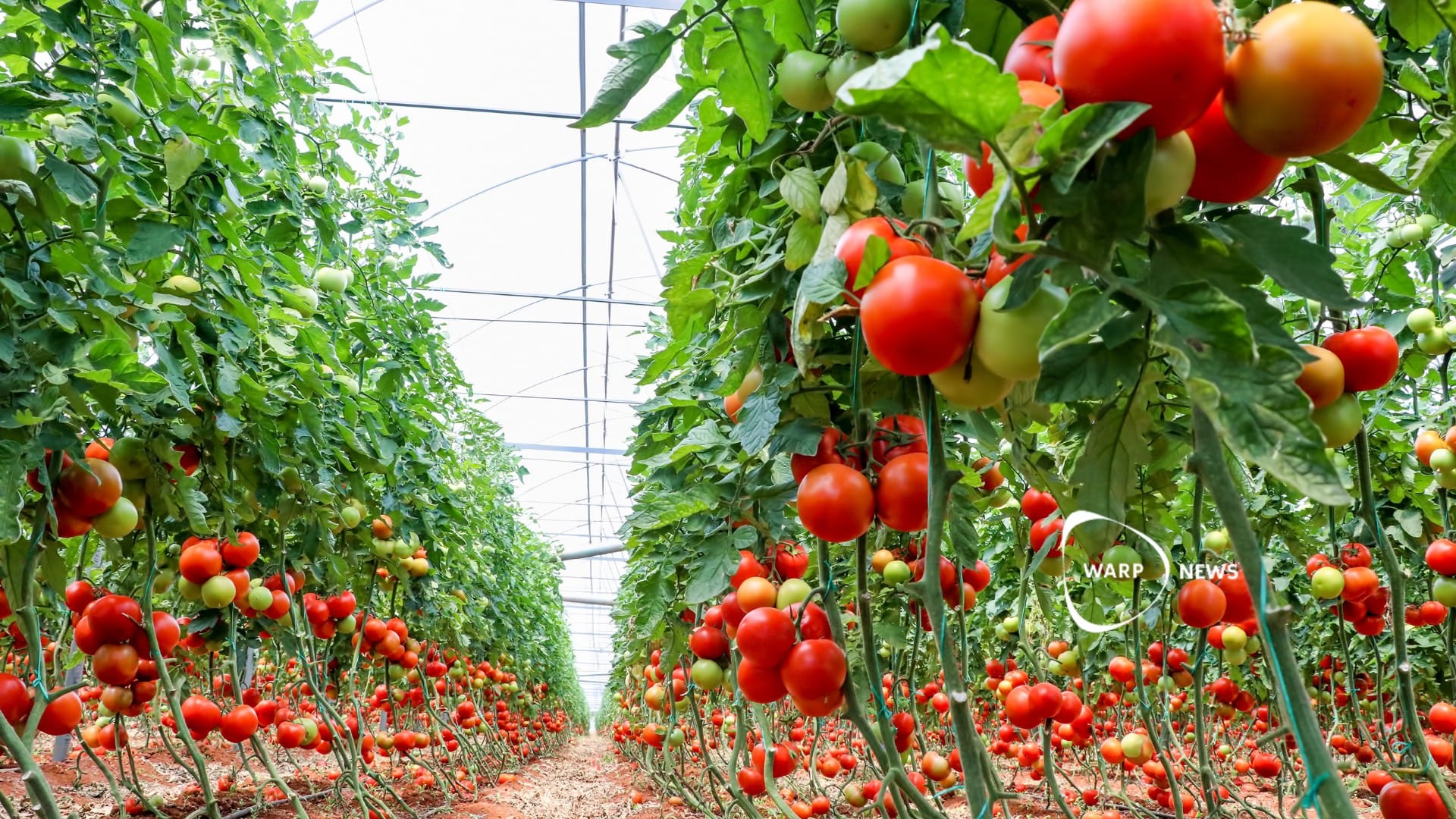
🍅 New CRISPR tomatoes require less water, but yield remains the same
Scientists have used CRISPR technology to create tomatoes that use water more efficiently. These tomatoes require less water to grow but still produce the same amount of tomatoes, with the same taste and quality.
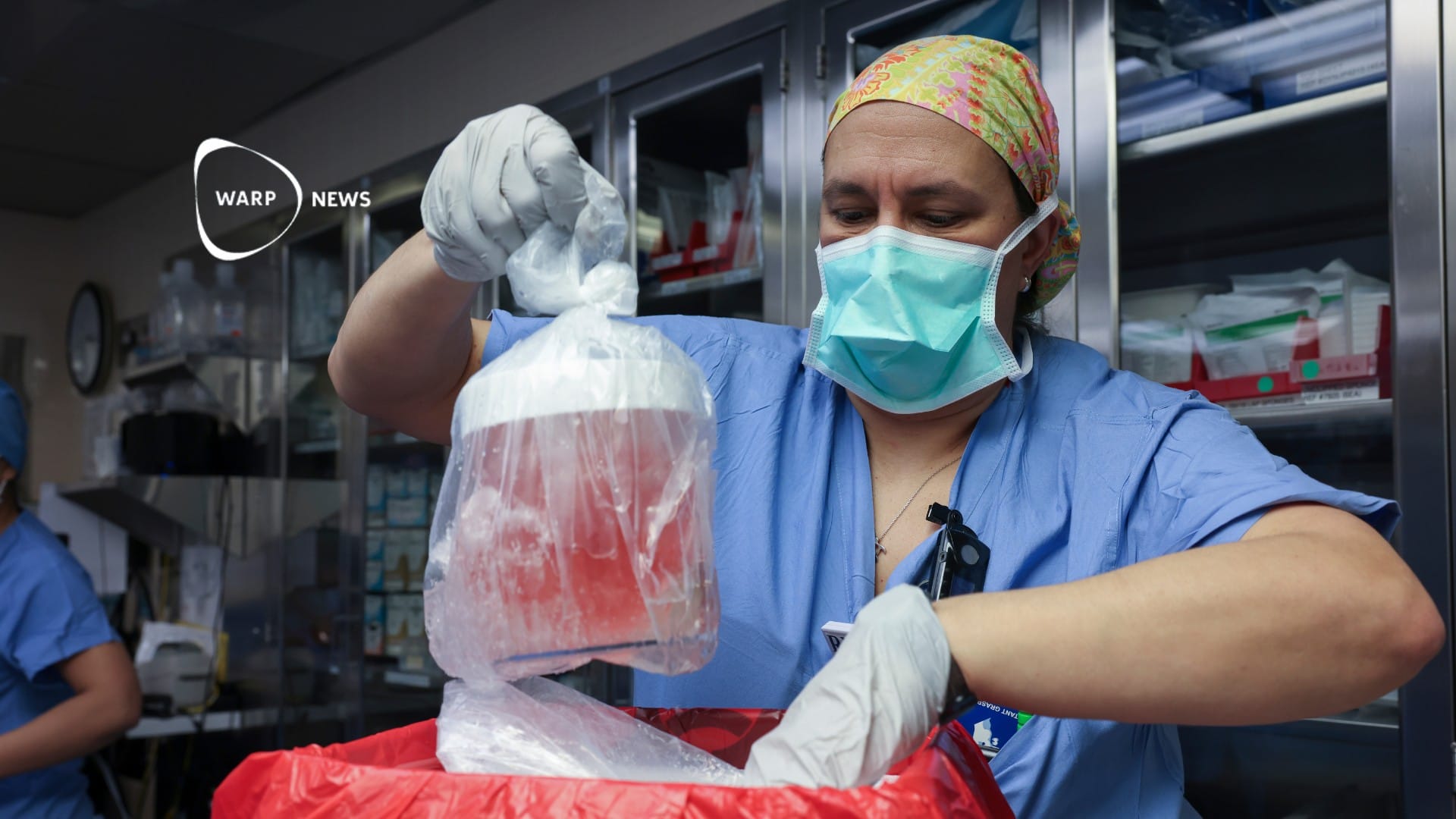
🐖 Genetically modified pig kidney transplanted into human for the first time
For the first time, surgeons have transplanted a kidney from a genetically modified pig into a living person. This type of kidney could help reduce the shortage of organs.