
Deforestation
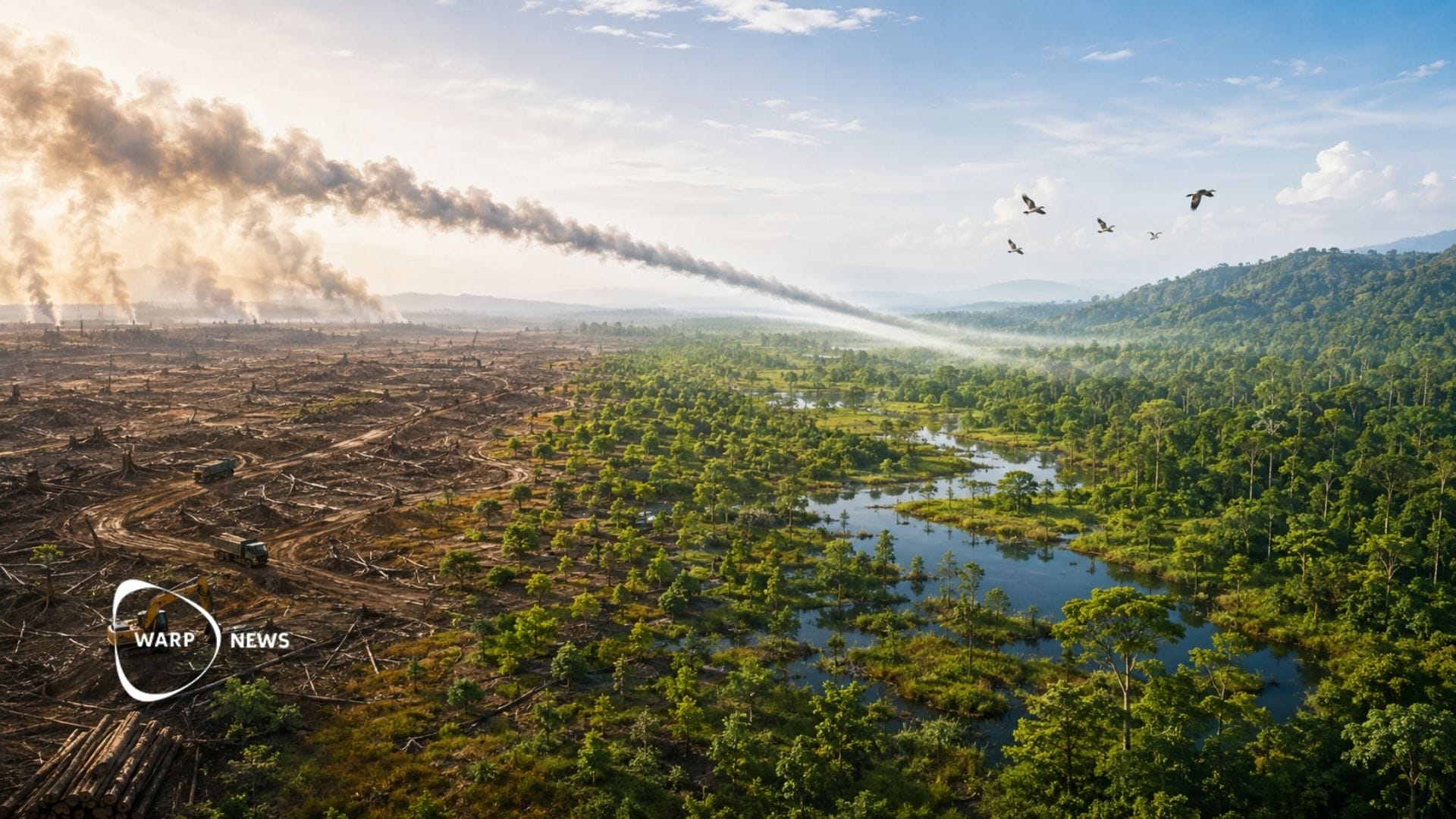
📉 Emissions from deforestation and land use have fallen 32 percent since the 2000s
Until 1999, emissions held steady at around 6.6 billion tonnes of carbon dioxide per year. Between 2015 and 2024 they averaged 5 billion tonnes, and in 2025 they fell to 4.1 billion tonnes. The main reasons are that permanent deforestation has decreased and that new forest absorbs carbon dioxide.
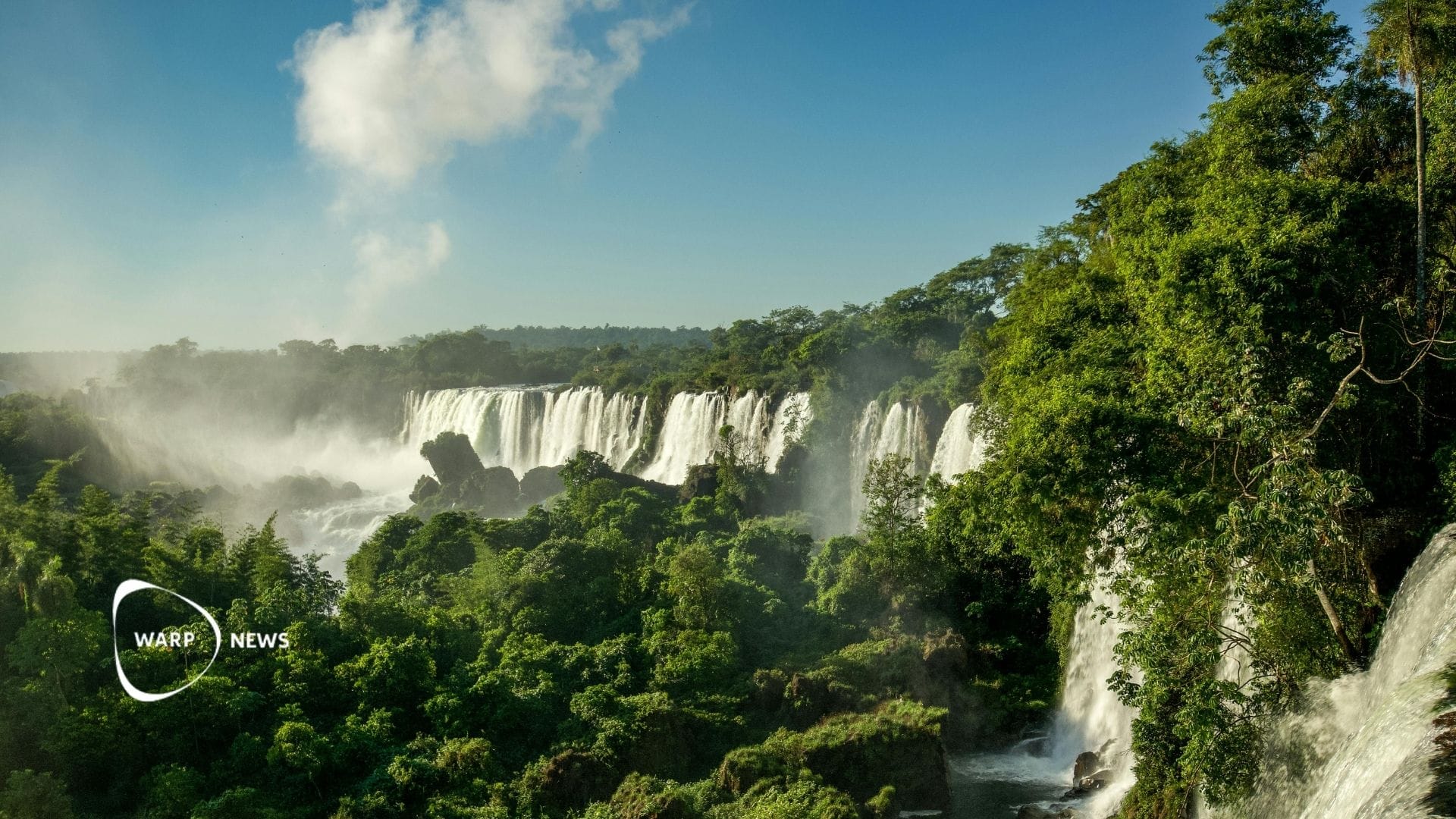
🌳 Amazon deforestation lowest in 13 years
Deforestation fell 36 percent from the previous year and was 55.6 percent below the average of the past ten years. That is according to new satellite data from Brazil's National Institute for Space Research, INPE. The decline has continued since 2023.

🌳 Mangrove forests declined until 2010, but have grown substantially since
The regrowth in recent years has almost entirely offset the earlier losses. The total area is now only 0.5 percent smaller than in the 1980s. After decades of decline, the area of mangrove forests shifted from net loss to net gain around 2010.
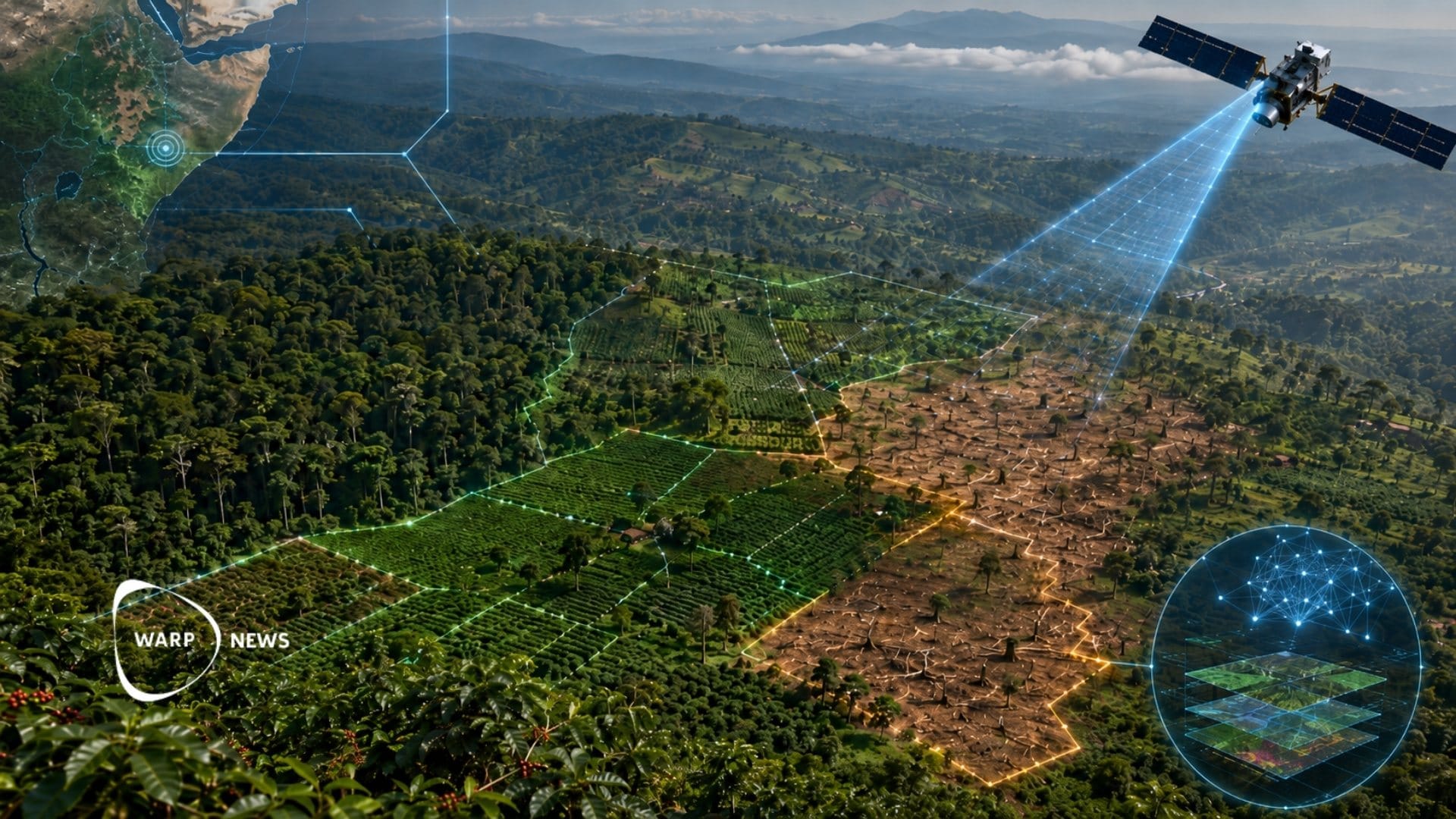
🛰️ Coffee companies launch satellite program to map deforestation
Several major coffee companies and coffee traders have joined forces to map coffee farms and deforestation using satellite imagery and AI models. The initiative will protect millions of smallholder farmers from being wrongly excluded from the EU market due to inaccurate maps.
🌲 Europe's forests are growing faster than they are harvested
Forest growth exceeded harvesting in 23 EU countries with available data in 2023. Romania had the largest surplus with nearly 40 million cubic metres more growth than harvesting. Sweden had the second largest surplus in the EU with 26.4 million cubic metres of net growth.
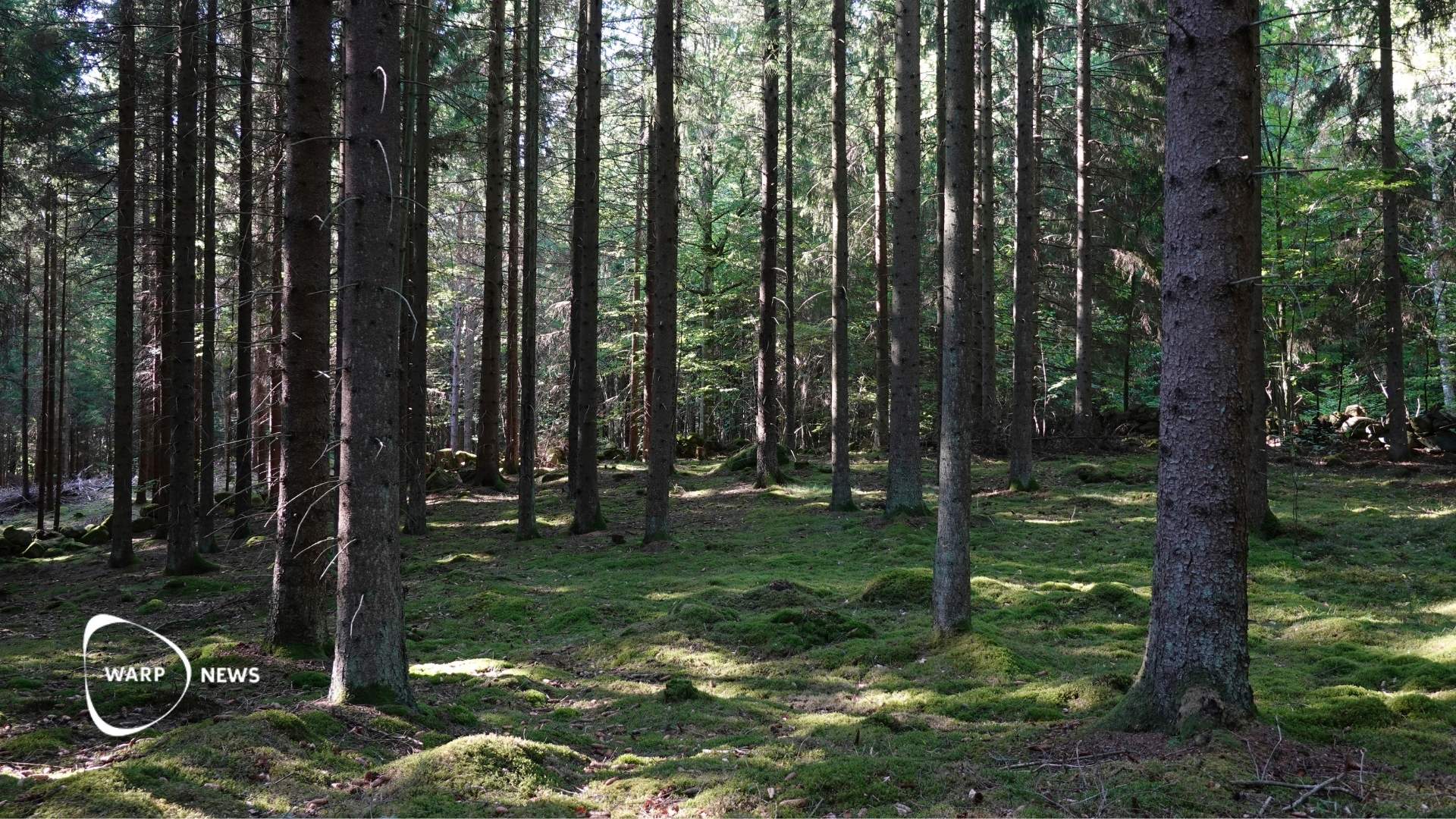
🌲 Sweden's forests are growing – every harvested tree is replaced with two to three new seedlings
Sweden has twice as much old-growth forest compared to 30 years ago, according to the National Forest Inventory. The timber volume in Swedish forests has doubled since the 1920s.
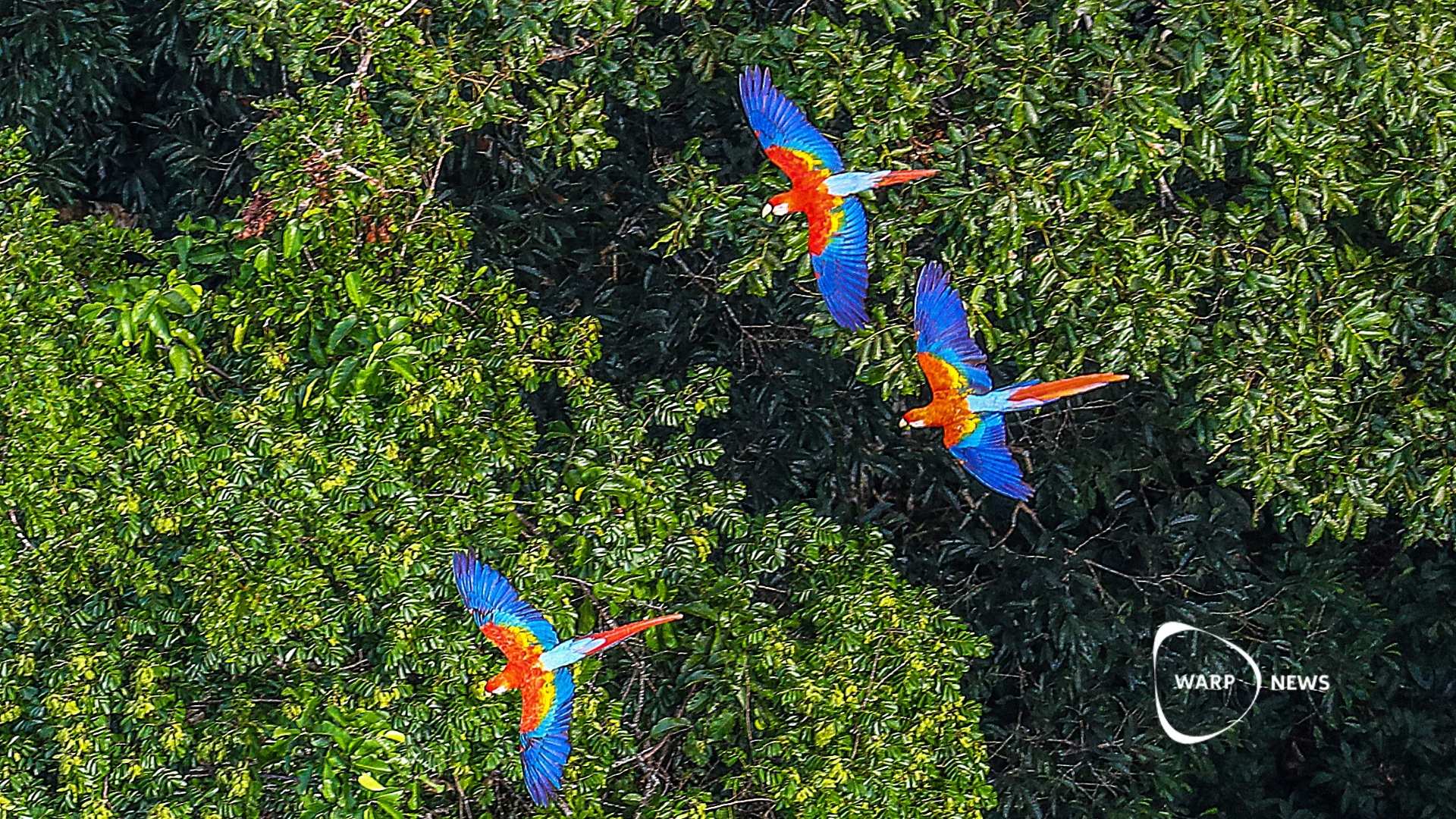
🌳 Amazon deforestation continues to decline – lowest level since 2014
Satellite data shows that deforestation in the Amazon between August 2025 and January 2026 dropped to 1,325 square kilometers, the lowest level for the period since 2014. Total deforestation over the past twelve months decreased to 3,770 square kilometers, also the lowest figure since 2014.
🌳 Amazon deforestation reaches lowest level in a decade
Deforestation in the Brazilian Amazon fell by 11 percent between August 2024 and July 2025, the lowest level in nearly a decade. Authorities conducted 9,540 inspections during the year, an increase of 38 percent, and issued environmental fines totaling 520 million dollars.
🌲 Forest cover increases in several regions – FAO report shows reduced deforestation globally
Deforestation continues to decline, and net forest loss is less than half of what it was in the 1990s. Net loss of forest has decreased by 61 percent since the 1990s.