
Education
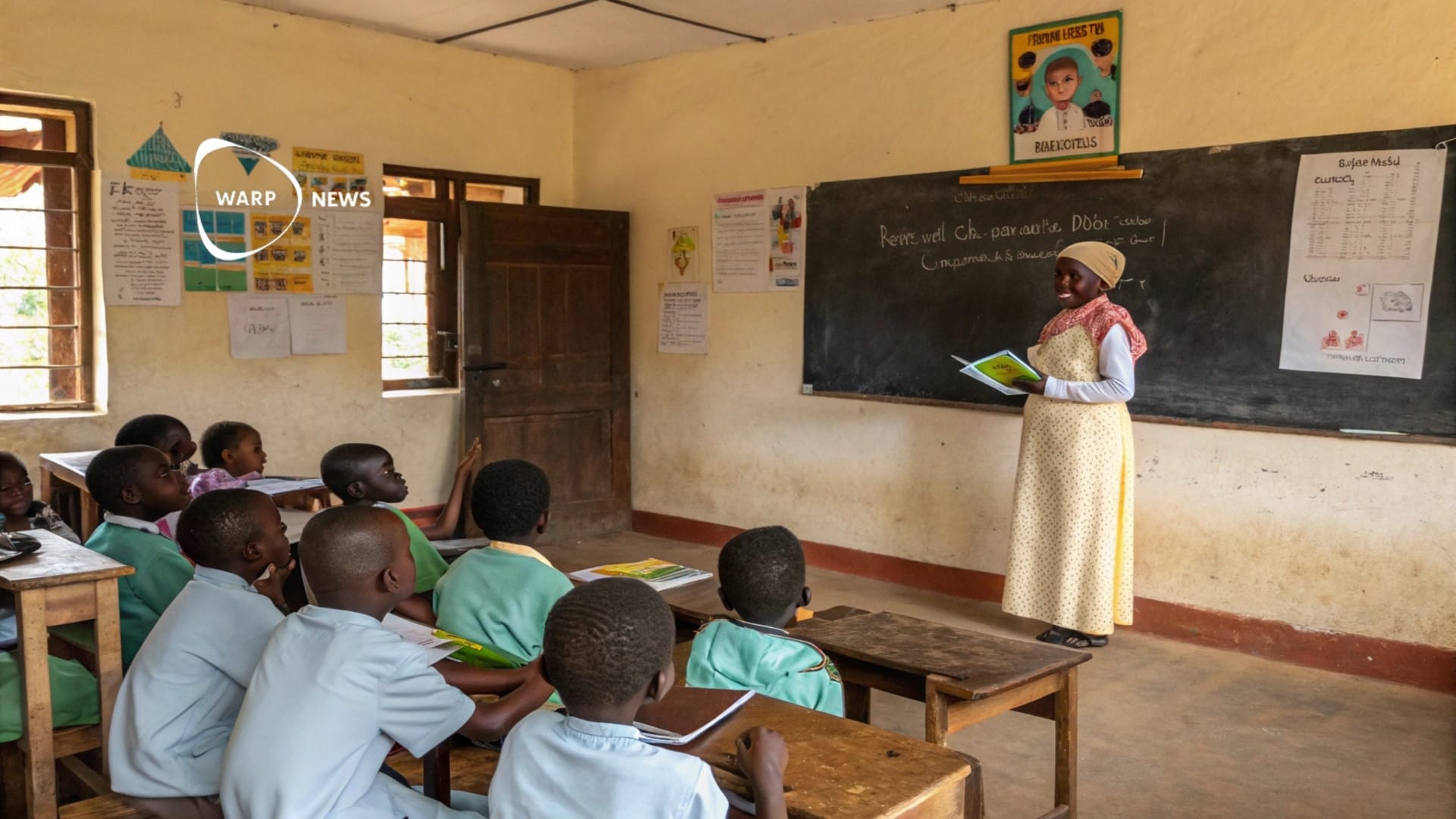
👩🏫 Nine out of ten children in the world now attend primary school
In 1900, only 31% of boys and 23% of girls of primary school age attended school globally. In 2023, 91% of boys and 89% of girls are enrolled in primary school. The gender gap in school enrollment has decreased from 8 percentage points to 2 percentage points in just over a hundred years.
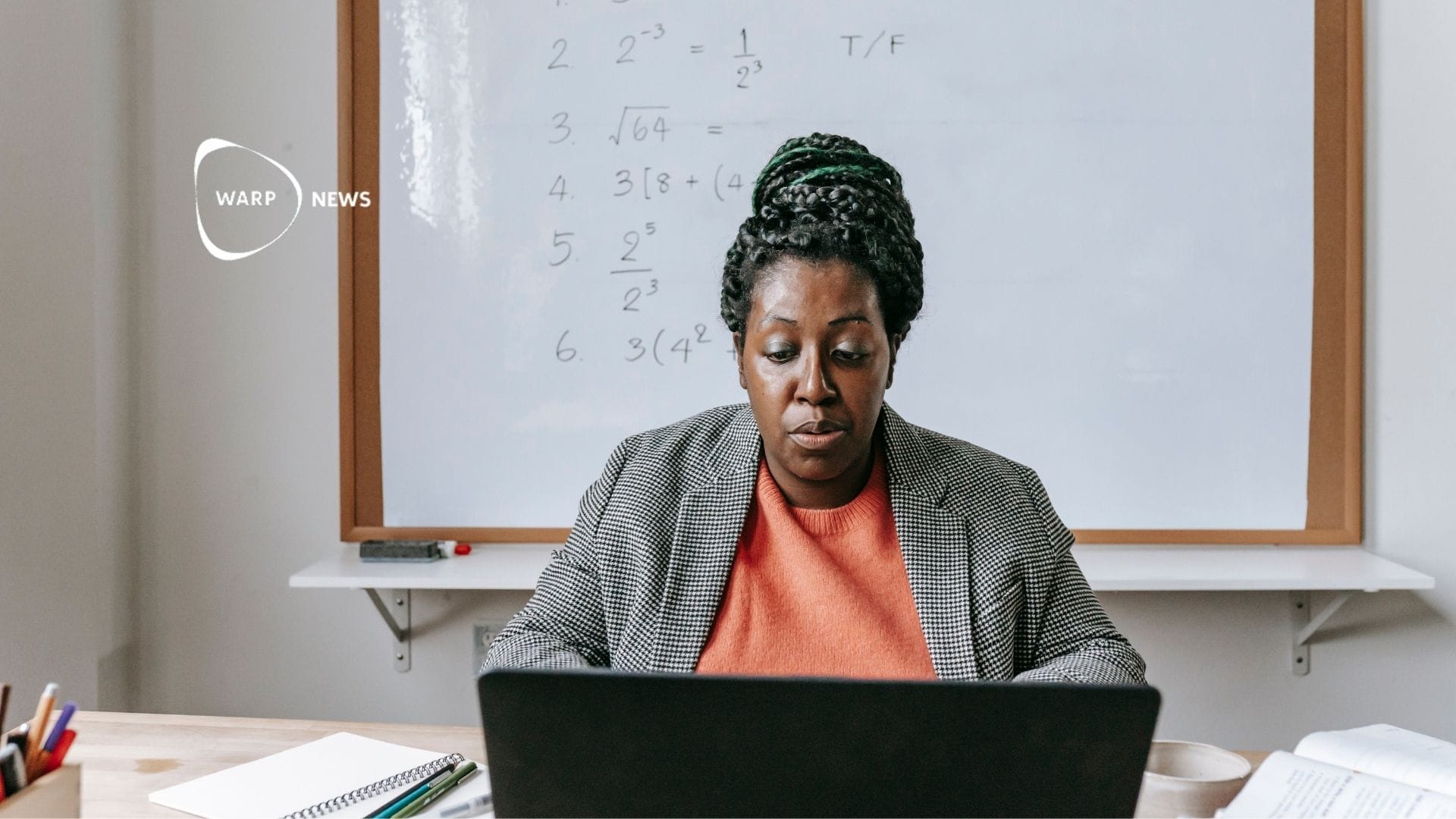
👩🏫 AI tools give teachers six weeks of extra time per year
Teachers who use AI weekly save 5.9 hours per week, equivalent to six weeks per school year. Most teachers who use AI tools say the tools improve the quality of their classroom work.
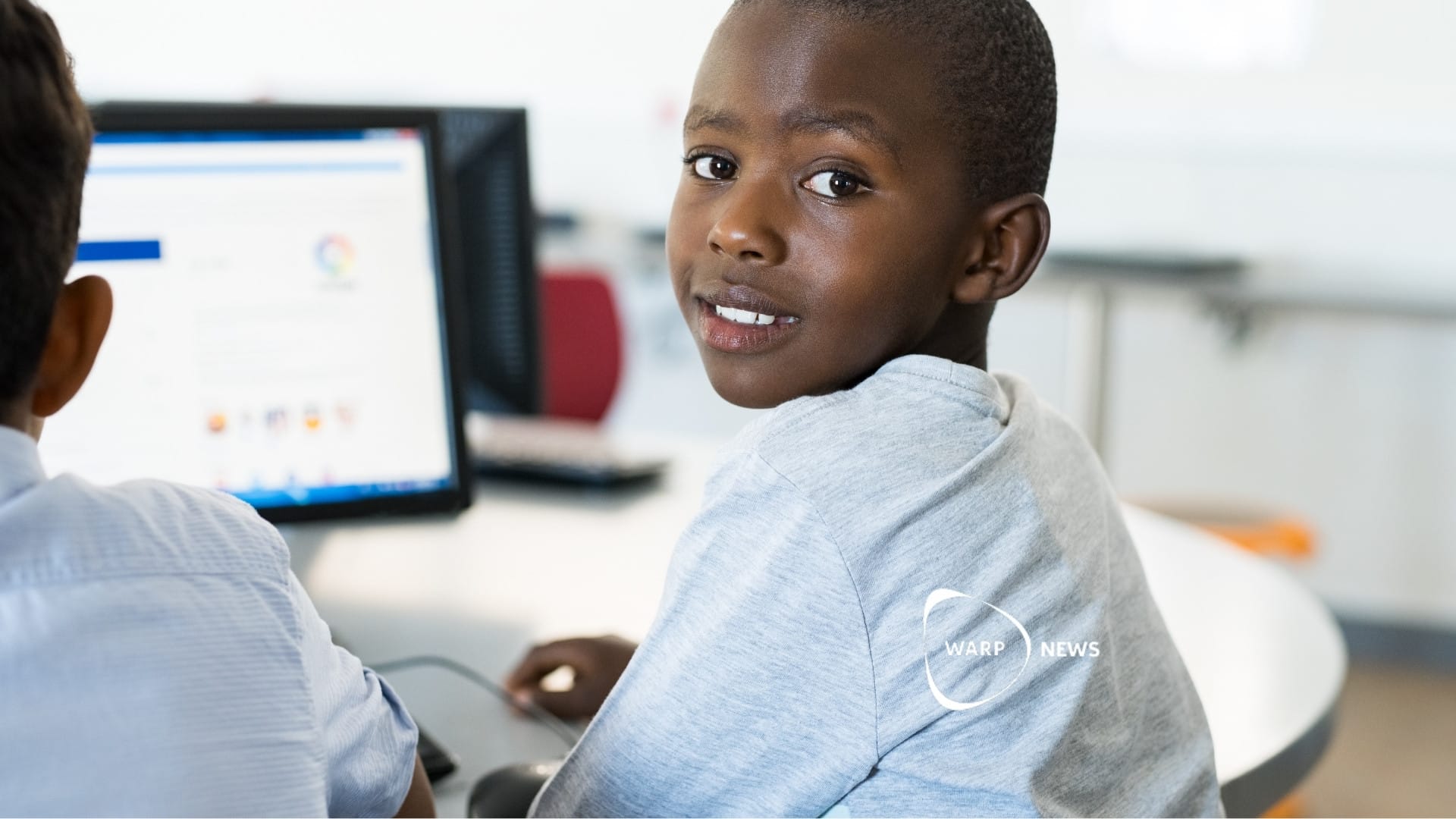
👩🏫 AI teachers provide major academic progress in Nigeria
Students who used the AI teacher ChatGPT-4 improved their test results by 0.31 standard deviations, equivalent to 1.5 to 2 years of regular schooling. The program cost only $48 per student for six weeks and proved to be highly cost-effective compared to other educational interventions.
👩🏫 Estonia first in the world to integrate ChatGPT into the school system
OpenAI is collaborating with Estonia's government to provide all high school students and teachers access to ChatGPT Edu starting September 2025. Estonia already ranks among the top 15 countries globally for ChatGPT usage with one active ChatGPT account for every four citizens.

👨💻 AI tutoring twice as effective as active classroom learning
Students using AI tutors learn more than twice as much in less time compared to traditional active classroom teaching. AI tutoring resulted in higher engagement and motivation among students.
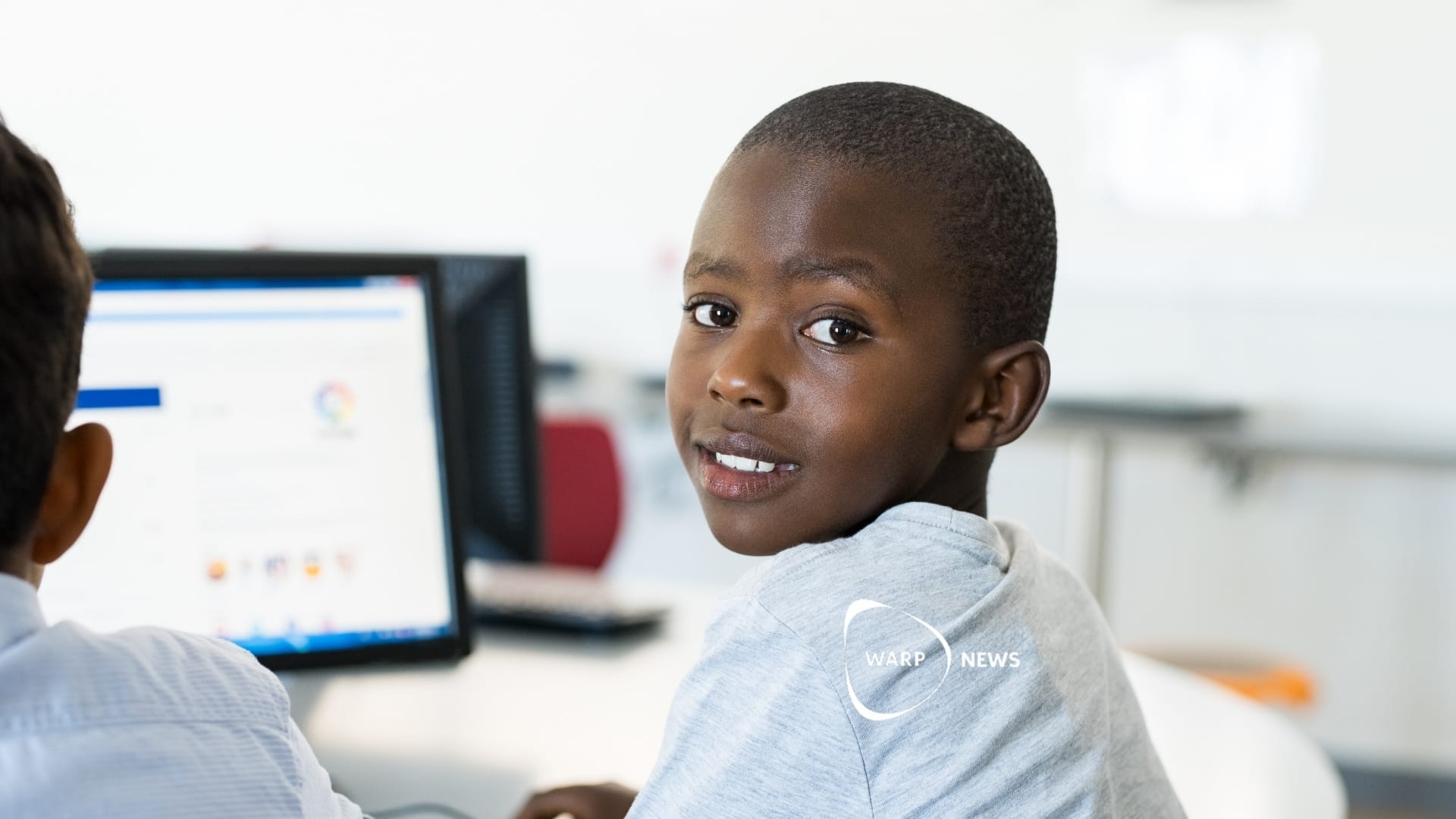
👩🏿💻 AI-based teaching delivered two years of learning in six weeks
In a pilot project in Nigeria, students got to use AI as a virtual teacher. They performed significantly better than other students in all tested areas.
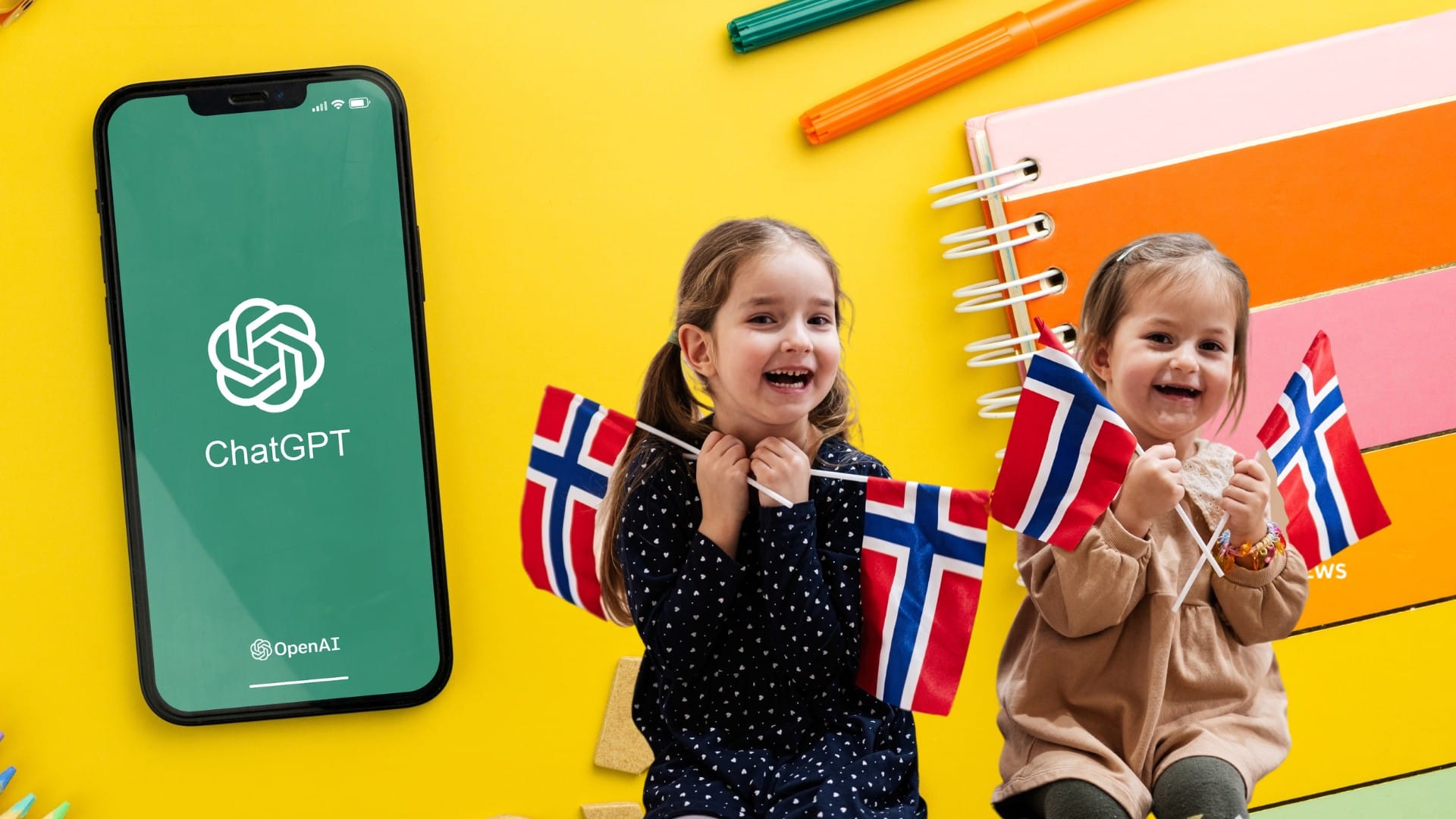
🦾 Oslo buys ChatGPT for 110,000 students and teachers
The introduction of ChatGPT in schools can be compared to the introduction of the textbook, says Trond Ingebretsen, division director in the Education Agency.
👩🏫 Towards the centaur school - part 2
The journey to develop AI services for school and education continues. This time I visit a class, which gave me both déjà vu and an aha experience.
👩🏫 Towards the centaur school - part 1
I found myself sitting there again. In a teacher's room. Almost 20 years since last time. Back then as a student teacher, this time as an AI developer. Now begins a journey towards developing AI services for education.