
✍🏼 Essays
Every week you get a thought-provoking essay on how you can understand and create the future.
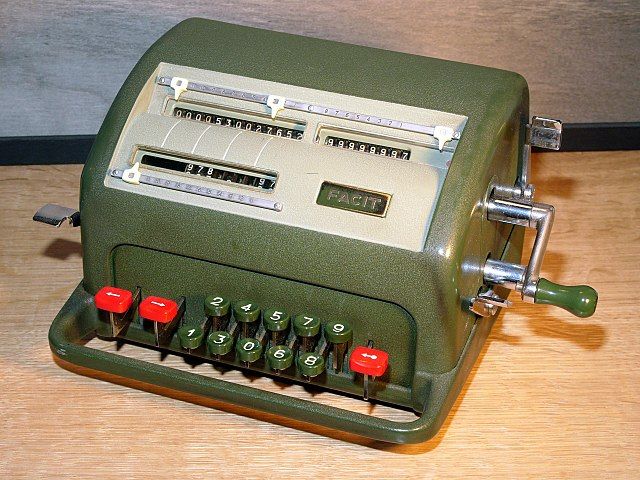
🧮 Facit and the peril of not understanding the future
In 1966 Pelé walked the streets of tiny Swedish town Åtvidaberg, as part of a global marketing campaign for the local multinational company Facit. But just six years later Facit was no more, swept away by a disruption in the market: electronic pocket calculators. How could they have missed this?

🖥️ Gordon Moore foresaw the future - and created it
With Moore's law you can predict what computers can do and help create the future.
📸 6D explains what happens to a product that is digitized
A physical product that becomes digital end up so cheap and accessible in its final stages that it becomes democratized.

☀️ Are we about to cure cancer?
Less than a hundred years ago, cancer could not be treated. Many died without even understanding the seriousness of their diagnosis. A lot has happened since then. Are we even on the verge of curing cancer, asks Magnus Aschan.
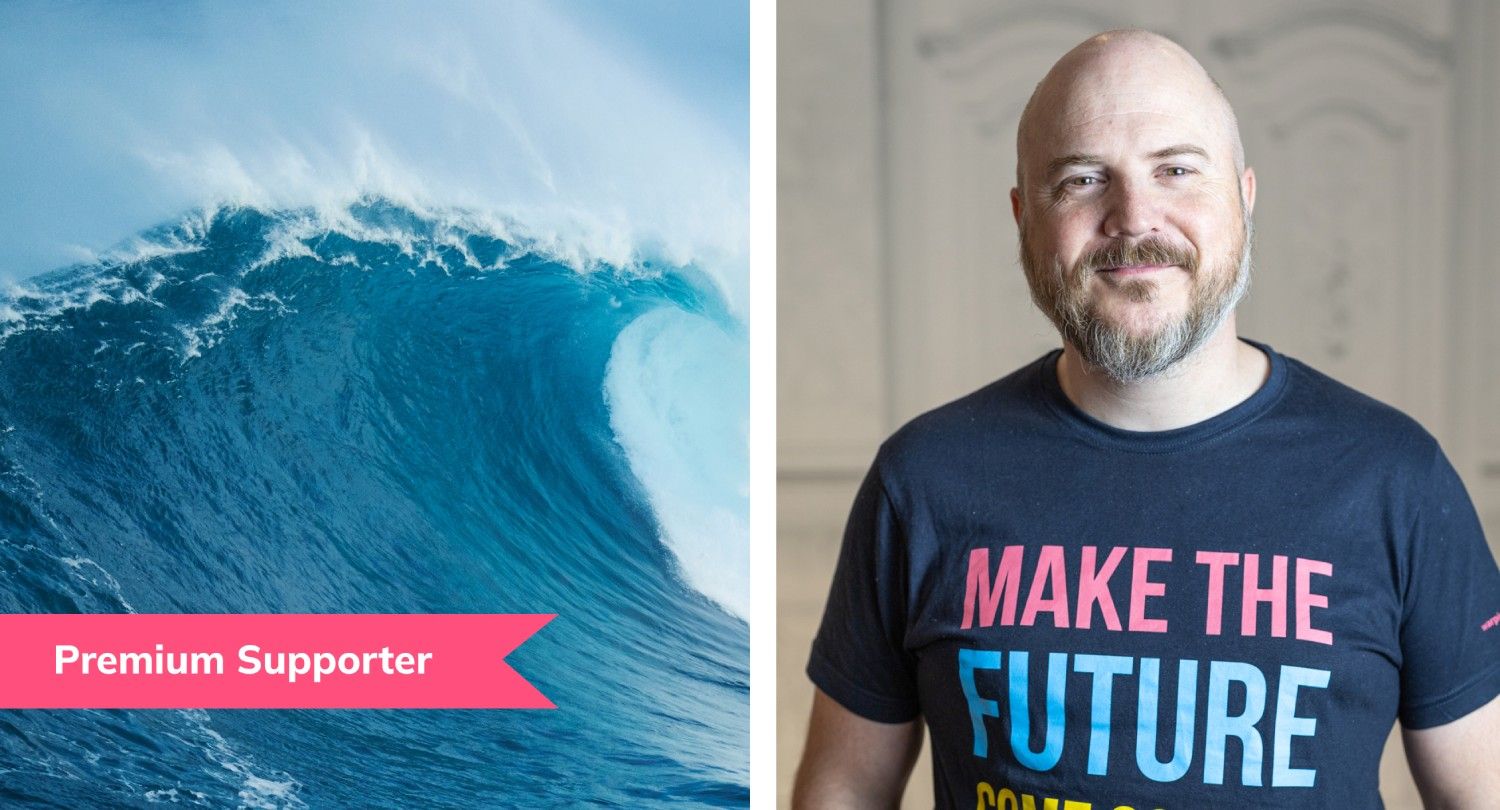
🌊 A tsunami of climate solutions is on its way
At times it feels like very little progress is made to reduce climate change. Things have to be done faster. However, we will probably be surprised in 2035 how incredibly far we have come in reducing emissions. This is because a tsunami of climate solutions is on its way.

🤔 Watch out for the undercover pessimist - also known as the realist
"I am neither an optimist nor a pessimist, I am a realist." Does this sound familiar? Do not let yourself be fooled. So-called realists are pessimists in sheep's clothing.

🕊️ Peace on Earth?
A world with only democracies would be a peaceful world without wars.
💡 The secret to happiness
What makes us happy? Kelly Odell takes you on a journey from the old Greeks to the body's self-produced cannabis to find out.
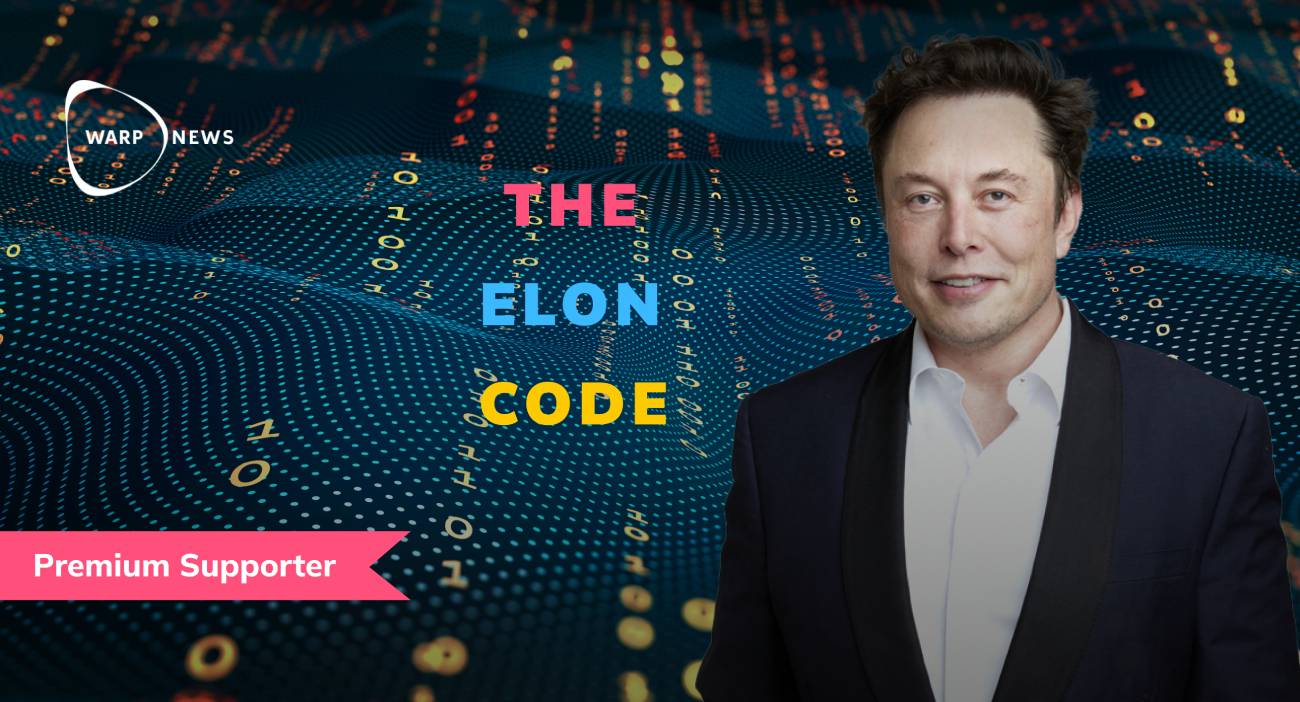
🧬 The Elon Code - how to understand Musk
Much has been said and written about how Elon Musk thinks and operates, but despite that, a key part has been neglected. There are two parts to The Elon Code, but only one part has gotten most of the attention. Here we dive into the second part.