
🍔 Food Tech
A lot of innovation is going on in food tech, making food cheaper, more nutritious, better tasting and with less emissions during production. Here you'll find articles about AI, sensors and IoT, big data, digital biology, precision farming, cell-grown meat, GMO and automation.
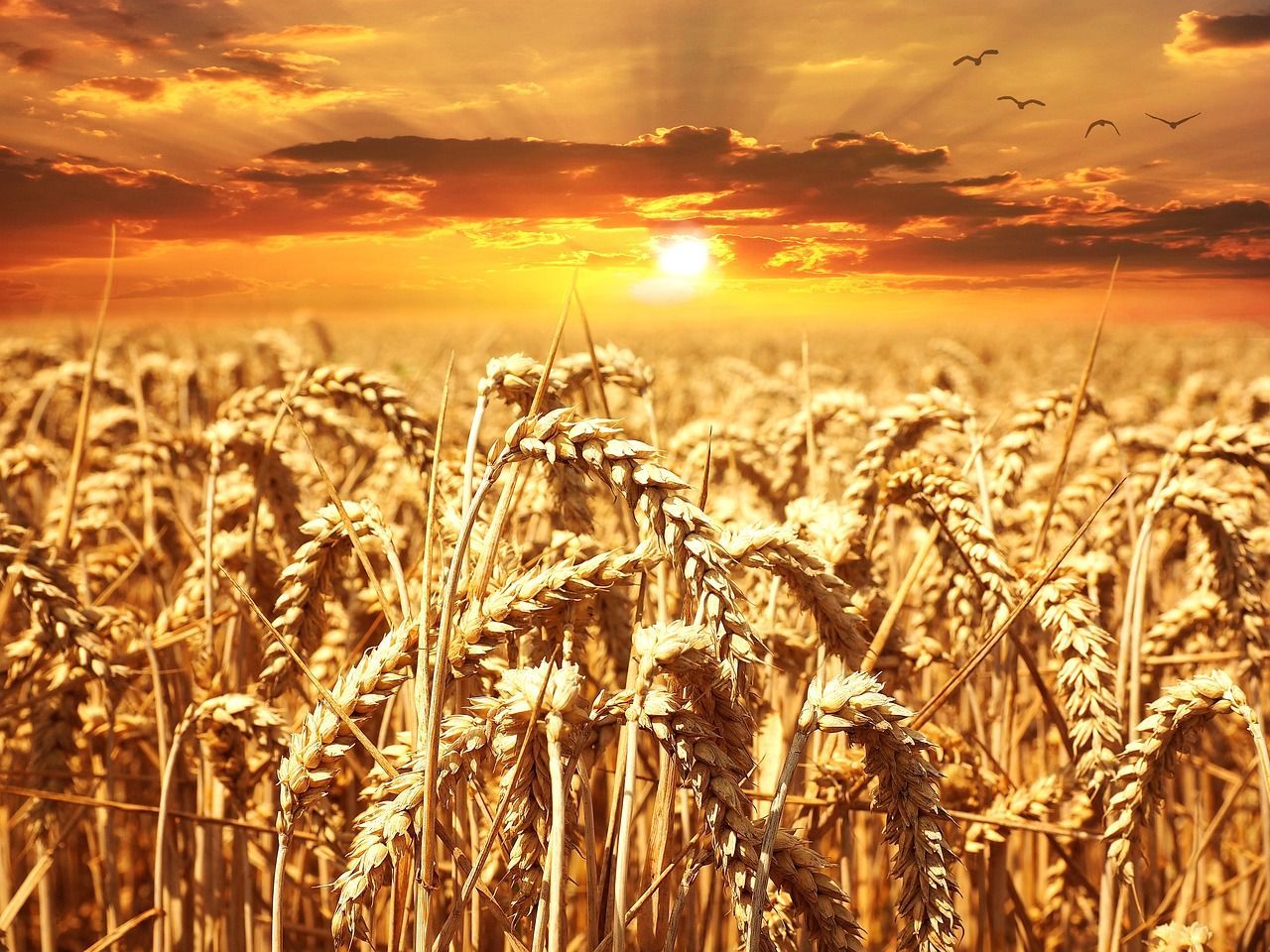
🌾 New variety of wheat can withstand extreme heat and drought
A cross between common durum wheat and a relative of the plant has produced a new variety that can withstand conditions that outlast today's variety of durum wheat.
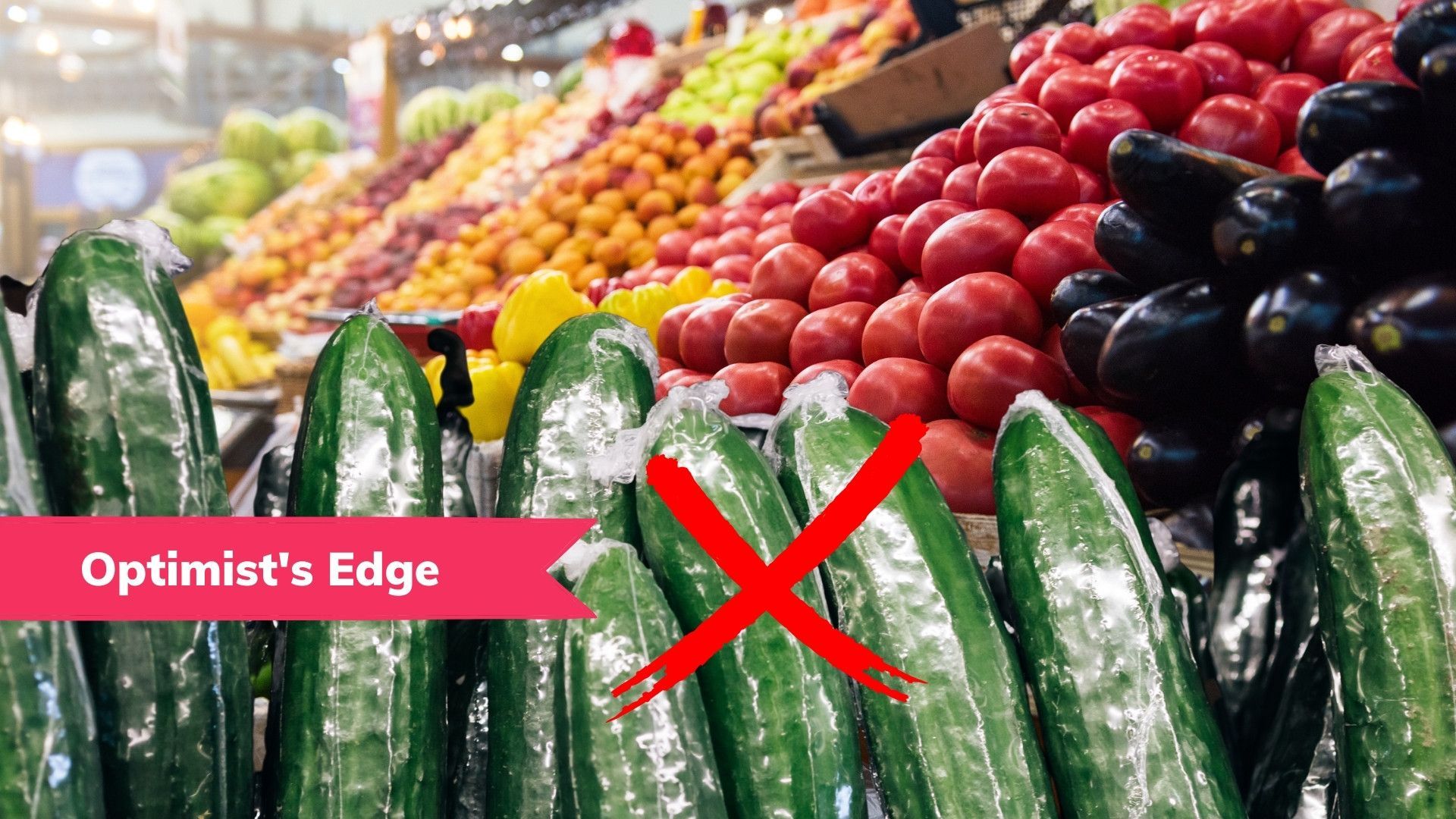
💡 Optimist's Edge: Fruit and vegetables without plastic
When it comes to the handling of fruit and vegetables, the food industry has long had to choose between plastic packaging and food waste - two of the major climate culprits of our time. Now the food tech companies are working hard to find better solutions.
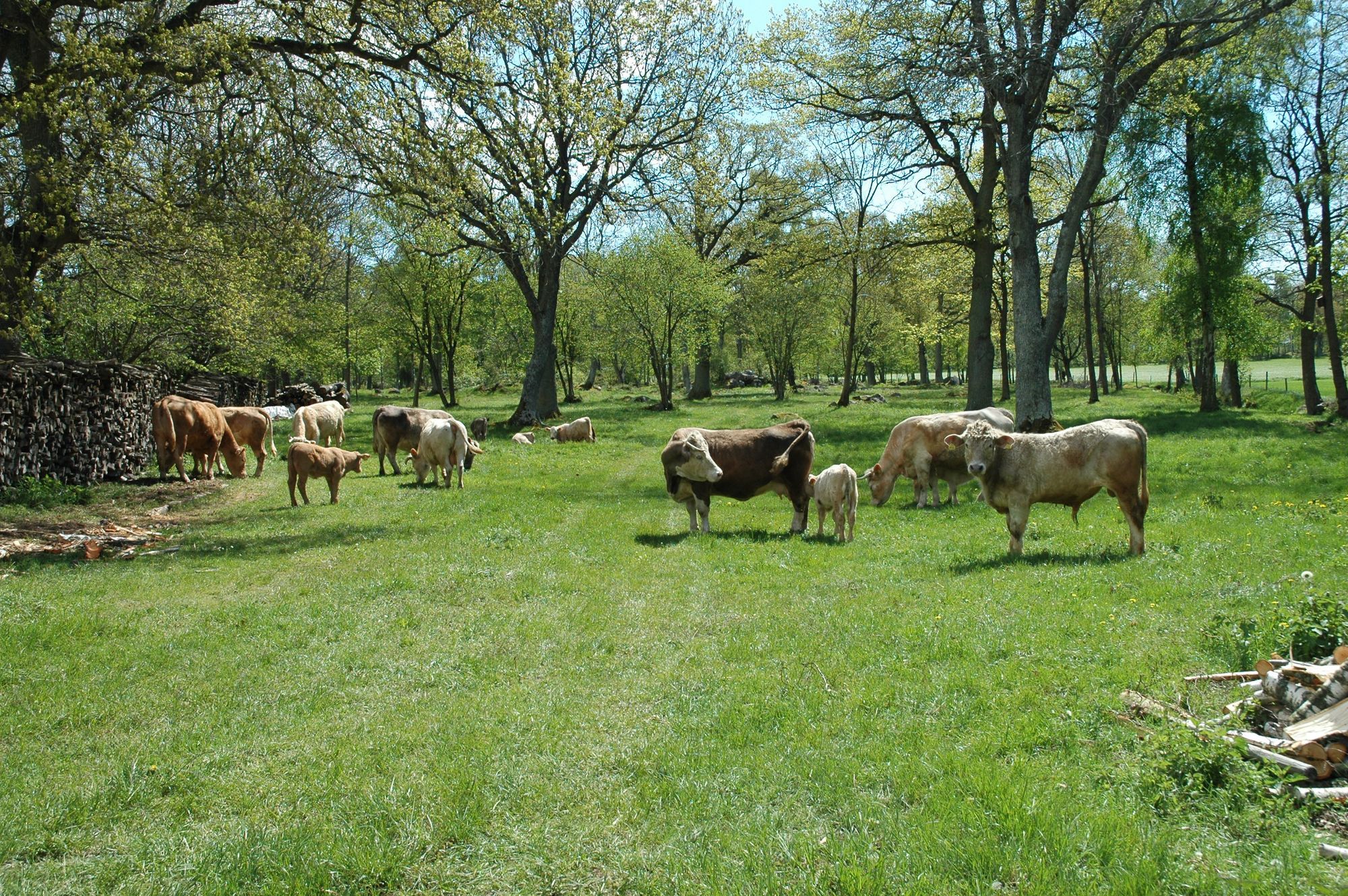
🐄 Agricultural rewilding is good for everyone involved
Rewilding of natural areas in combination with agriculture creates a "win-win situation" by improving ecological diversity while providing higher quality meat.

🧀 The world's most ambitious cheese
One kilogram of cheese accounts for between six and 13 kilograms of carbon dioxide emissions. The solution is not to stop eating cheese, but to produce cheese with less climate impact. That's what Stockeld Dreamery does and recently Warp Premium Supporters visited the company.
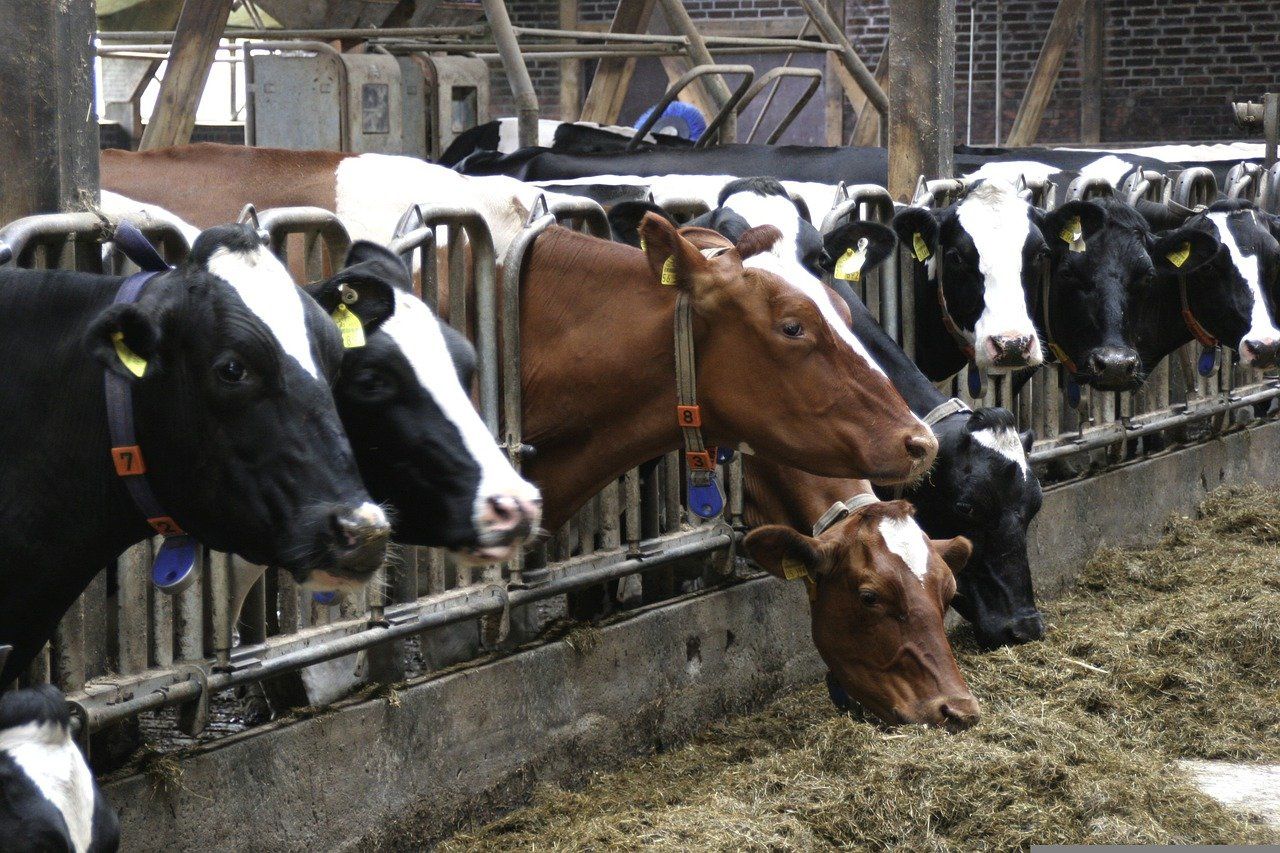
🌾 Changes to animal feed production could provide food for a billion people
By allowing animals to eat harvest residues and by-products of food production instead of grain, many more people can have access to food.
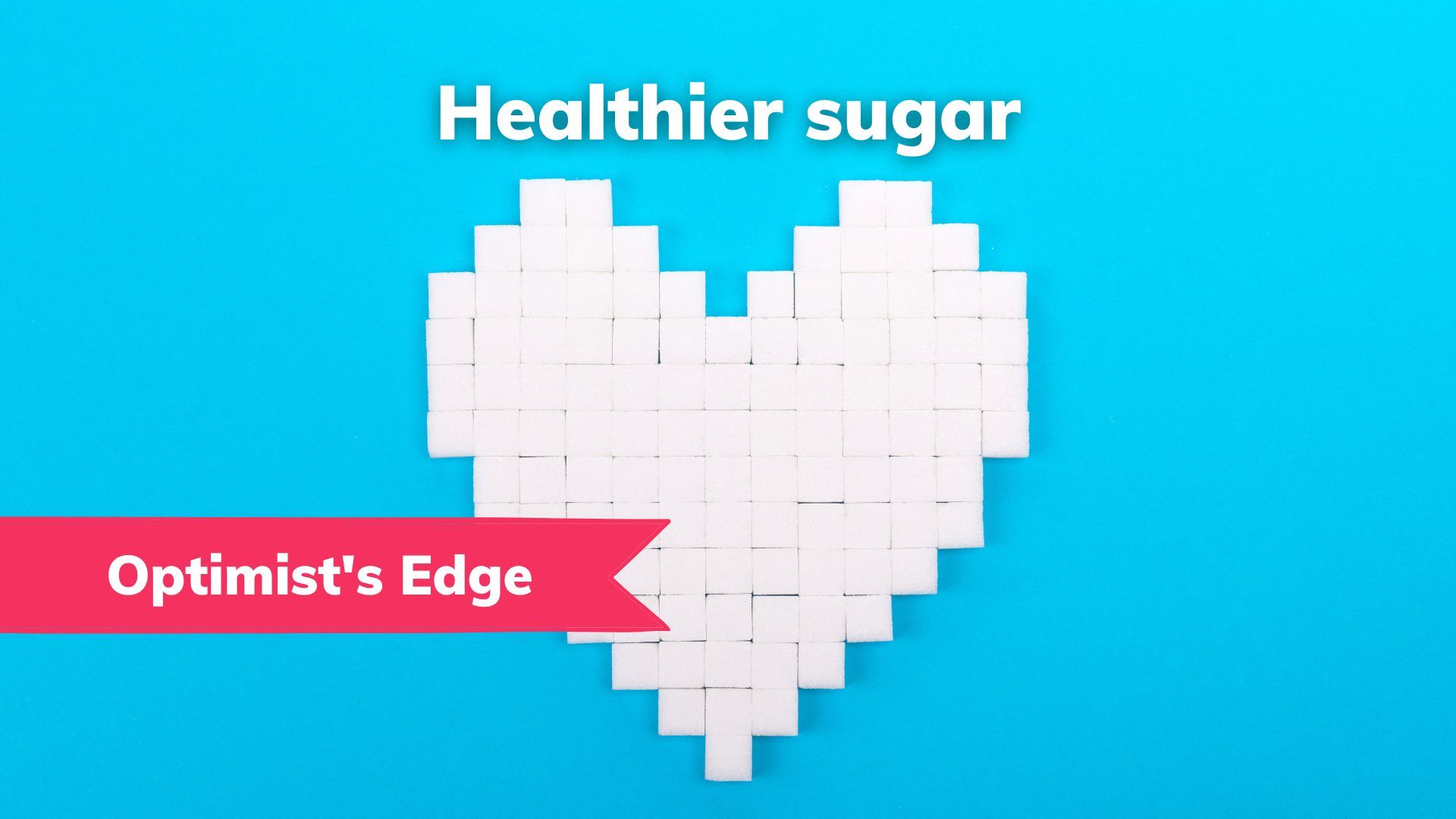
💡 Optimist's Edge: Sweeter future with less sugar
New, healthier sugar means that we can continue to enjoy the excellent taste, without deteriorating our health.
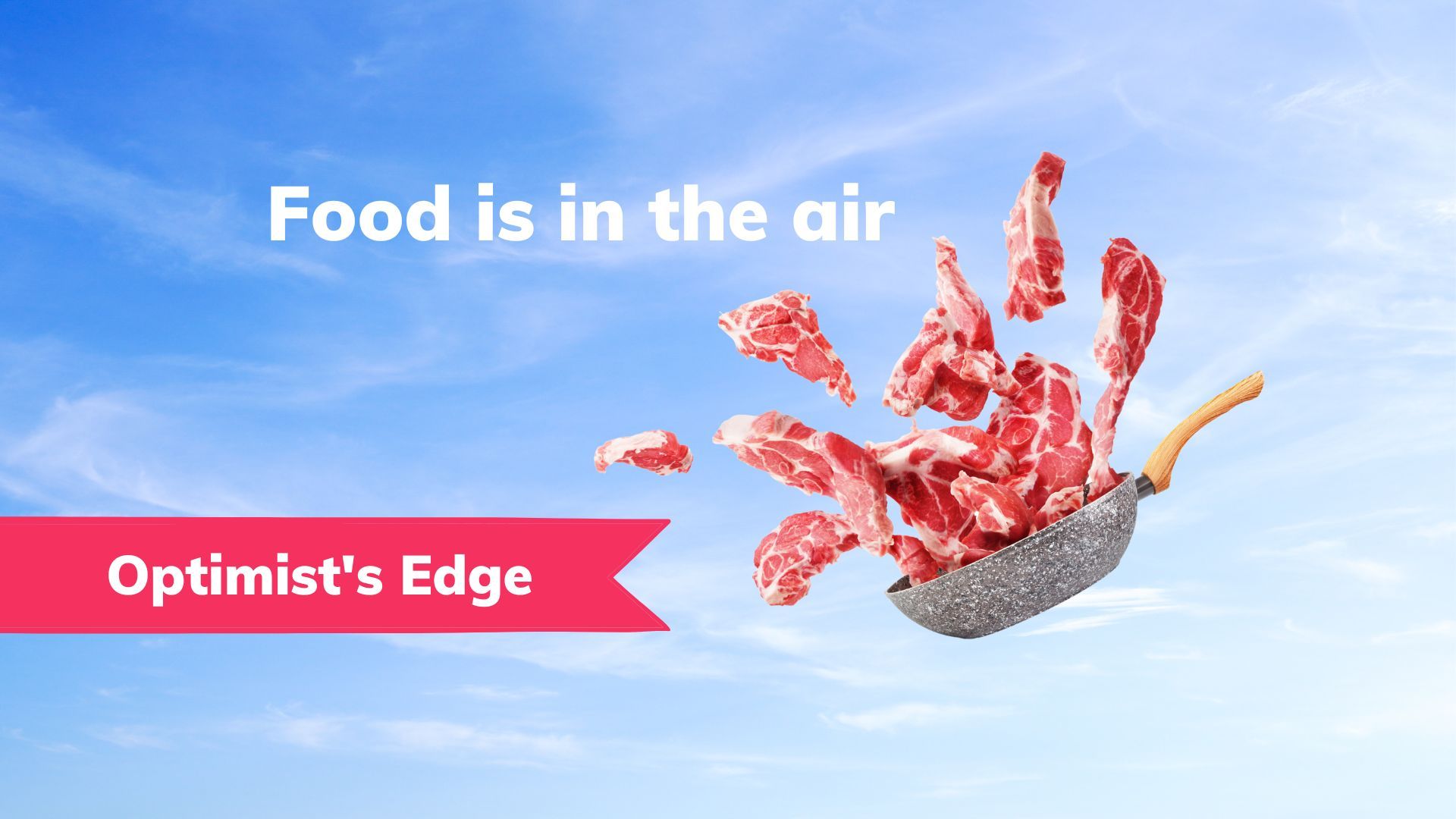
💡 Optimist's Edge: Food from air
Your next-generation steak saves both cows and the planet. The main ingredient? Carbon dioxide.
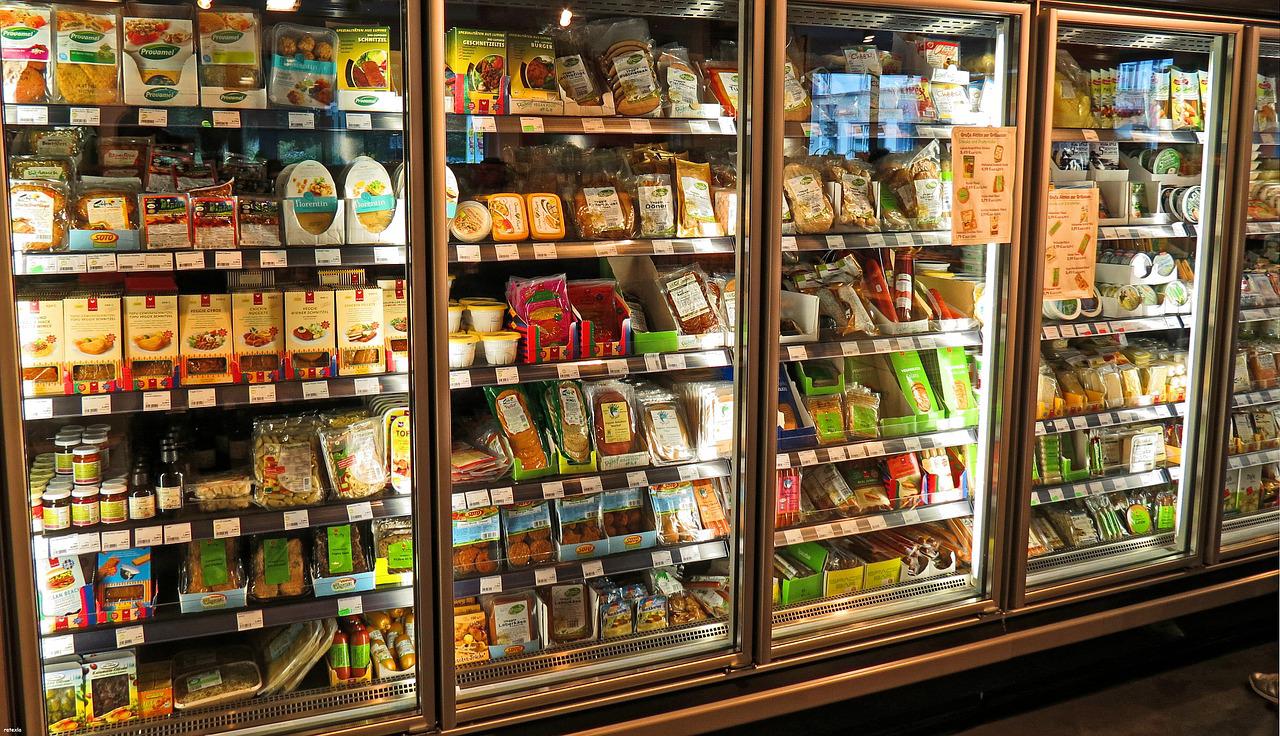
🥓 Researchers have analyzed the environmental impact of 57,000 different foods
An analysis of 57,000 foods shows that it is possible to significantly reduce our environmental impact by choosing the right food in the store.

🍚 Super rice gives 40 percent greater harvests
By copying a single gene in a rice plant, it is possible to increase yields and significantly reduce the need for artificial fertilizers.