🔋 Australia's battery capacity has doubled – cutting reliance on gas
Battery capacity in Australia has more than doubled between March 2025 and March 2026. Gas-fired generation has fallen 24 percent and is at its lowest level since 1999. Average wholesale electricity prices have dropped 12 percent.

Share this story!
- Battery capacity in Australia has more than doubled between March 2025 and March 2026.
- Gas-fired generation has fallen 24 percent and is at its lowest level since 1999.
- Average wholesale electricity prices have dropped 12 percent.
Batteries set the price more often than any other power source
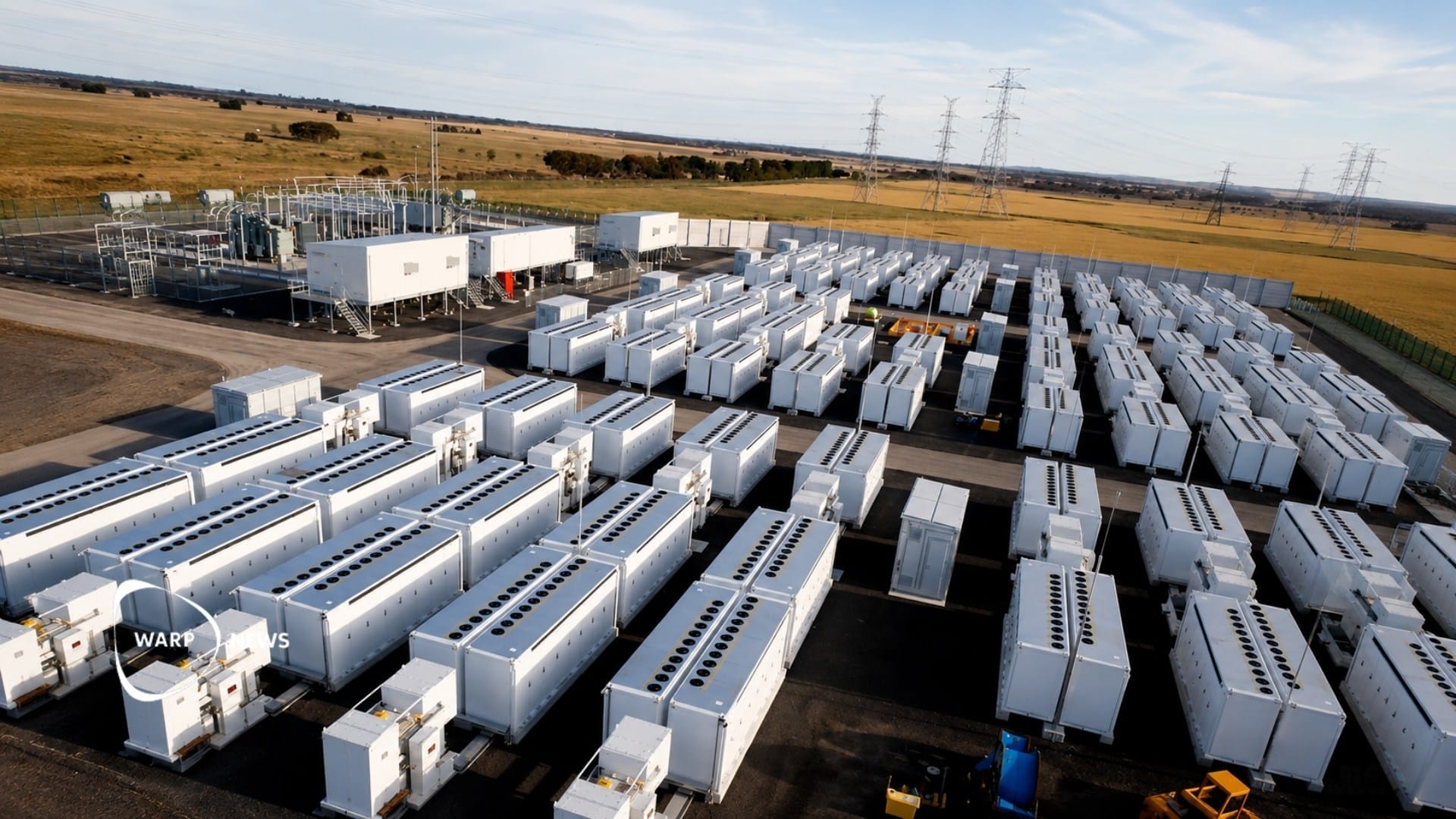
Batteries are cutting Australia's reliance on natural gas and lowering electricity costs, according to the country's main grid operator. This is shown in the Australian Energy Market Operator's (AEMO) Quarterly Energy Dynamics report.
During the first quarter of 2026, batteries set the price in more than a third of trading intervals. It is the first time batteries have been the most frequent price-setter on the market.
Gas is being used less and less
In Australia, coal remains the largest source of electricity, and gas is used to fill the gap when cheaper electricity from solar and wind is not enough to meet demand, especially during peak evening hours. Because gas is often the last and most expensive energy source, it typically sets the wholesale price of electricity in Australia's main market.
The doubled battery capacity has reduced the need for gas and hydro during evening demand peaks and contributed to lower wholesale electricity prices across most regions. Gas-fired generation fell 24 percent compared to the previous year, to its lowest level since 1999. At the same time, average wholesale electricity prices dropped 12 percent.
Batteries shift solar power to the evening
Grid-scale batteries are increasingly absorbing excess renewable energy during the day and sending it out to the market during evening peaks, moderating prices during periods of high demand, according to Violette Mouchaileh, executive general manager for policy and corporate affairs at AEMO.
The federal government's Cheaper Home Battery program has led to the installation of more than 350,000 household batteries and contributed to the increased uptake of batteries, according to Energy Minister Chris Bowen. He says Australia has the best sun and wind in the world and is using its own renewable resources to shield the grid from global energy volatility.
During the first quarter, 11 large-scale data center projects in the states of Victoria and New South Wales were connected to the transmission grid, representing 5.4 gigawatts of maximum demand.
By becoming a premium supporter, you help in the creation and sharing of fact-based optimistic news all over the world.