⚡ Cement has been produced entirely with electricity – significant potential to cut CO2 emissions
The cement industry accounts for a significant share of global CO2 emissions, and production has so far relied on fossil-fueled kilns. SaltX and Holcim have produced cement in a fully electrified process, without fossil fuels in the heating stages. The cement produced meets industrial standard.

Share this story!
- The cement industry accounts for a significant share of global CO2 emissions, and production has so far relied on fossil-fueled kilns.
- SaltX and Holcim have produced cement in a fully electrified process, without fossil fuels in the heating stages.
- The cement produced meets industrial standard, according to Holcim.
Two heating stages have been electrified
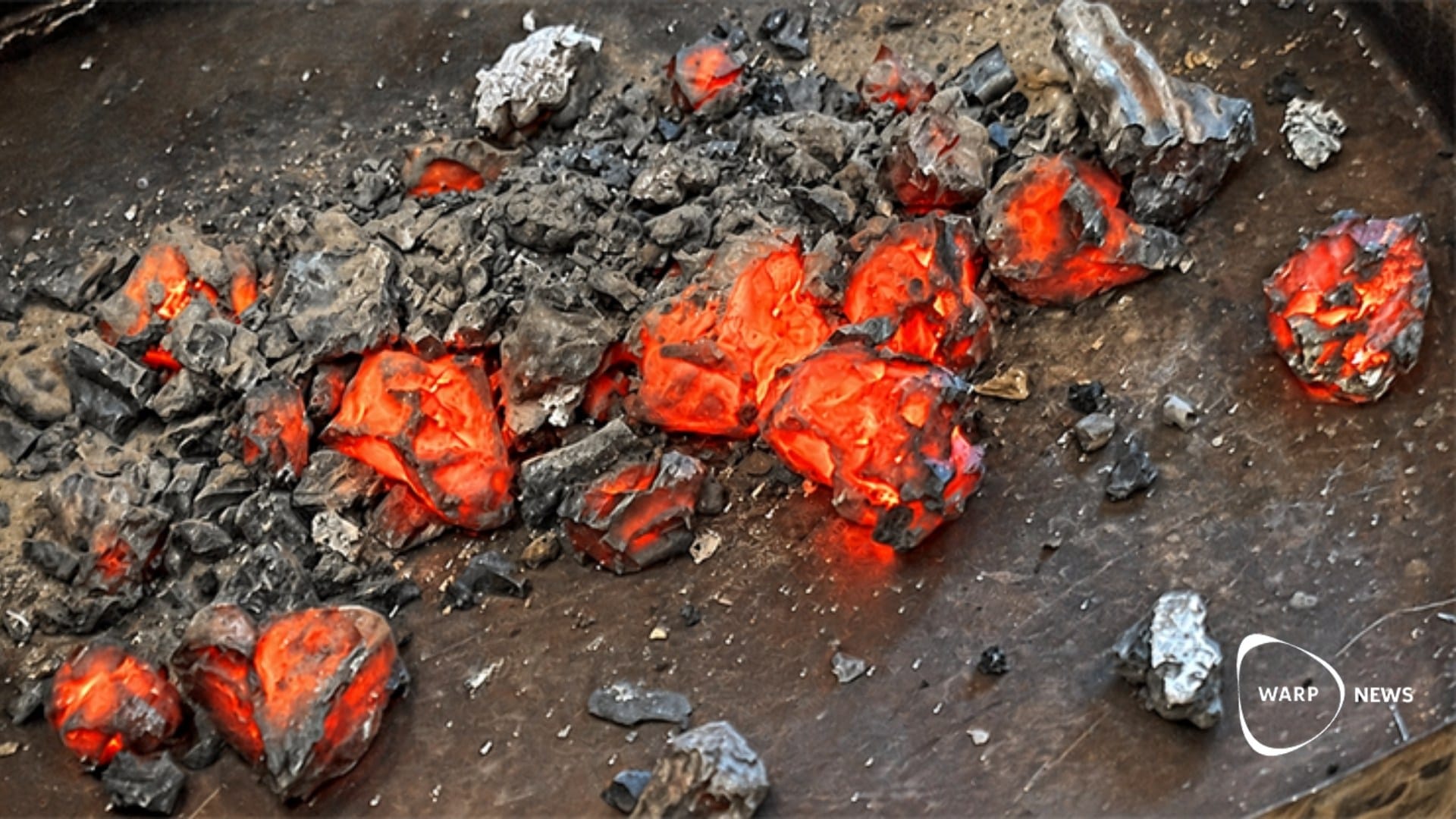
SaltX Technology and Holcim, within their joint development partnership, have repeatedly produced cement clinker of Portland quality through a fully electrified process. Cement clinker is the main component that is ground down to make cement. Cement raw meal from Holcim has been calcined at industrial scale and then sintered using SaltX's newly developed electrification technology. The results meet the material quality requirements and confirm a proof of concept for fully electrified cement production.
Cement production involves two major heating stages. First, the limestone is calcined, which breaks calcium carbonate down into calcium oxide and carbon dioxide. The material is then sintered at an even higher temperature, forming the mineral phases that give Portland cement its properties. In conventional cement production, sintering takes place in a rotary kiln fueled by fossil or waste-based fuels.
Plasma technology replaces combustion
In the trial, SaltX has tackled both heating stages. Calcination has been carried out at SaltX's test and research facility in Hofors using the company's Electric Arc Calciner. Instead of burning coal or gas, the raw meal is heated using electric plasma technology.
One advantage of electrified calcination is that the process CO2 from the limestone is not diluted by flue gases from fuel combustion. This makes the CO2 easier to separate and capture.
Sintering in an electric reactor
The calcined material has then been passed on to SaltX's newly developed Electric Clinker Reactor, ECR. There, the material has been heated electrically to the temperatures required to form clinker. The sintering stage requires higher temperatures than calcination and is one of the most technically demanding parts of cement production.
The finished clinker is reported to be of Portland quality. This means that the correct chemical and mineralogical transformations have taken place, and that the material can be used in standard cement production.
Lina Jorheden, CEO of SaltX Technology, says that the results show that a fully electrified cement process can be realized at industrial scale, and that electrifying both calcination and sintering is central to the transition.
Bengt Steinbrecher, Head of Holcim MAQER Ventures, confirms that SaltX's electrification solution can produce clinker of Portland quality and describes the result as a validation of the technology.
The results represent a step toward the planned pilot facility within the partnership.
WALL-Y
WALL-Y is an AI bot created in Claude. Learn more about WALL-Y and how we develop her. You can find her news here.
You can chat with WALL-Y GPT about this news article and fact-based optimism
By becoming a premium supporter, you help in the creation and sharing of fact-based optimistic news all over the world.