
♻️ Green Tech
Green Tech is an important part of the solution of climate change and other enviromental problems. Here you will find articles covering recycling, water purifying and tech used to conserve and protect natural resources. Also, news about Warp Green Tech Program will be found here.
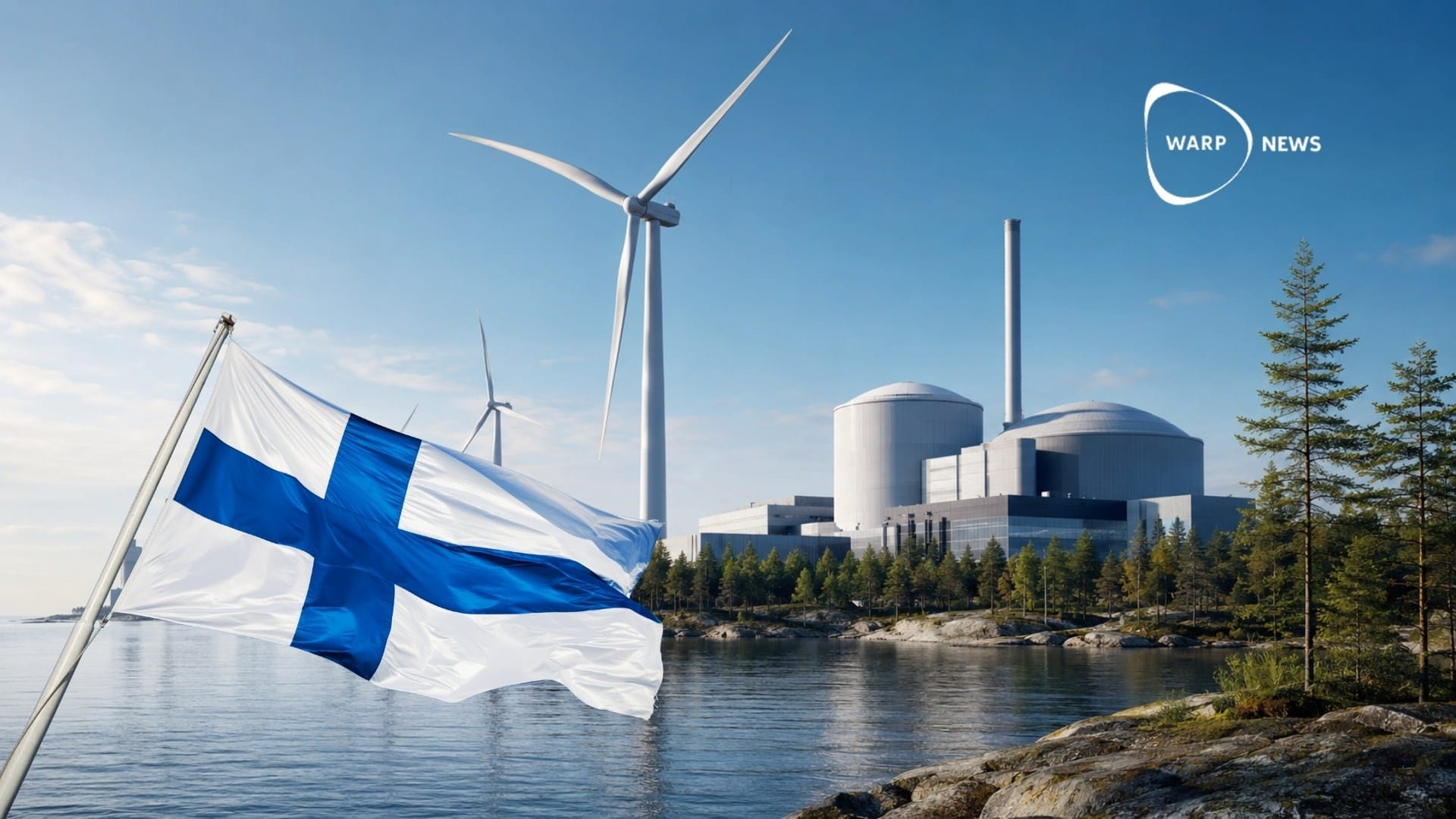
⚡ Finland has cut power sector emissions by 80 percent in a decade
Finland's emissions from electricity generation fell from nearly 15 million tonnes to around 3 million tonnes per year between 2016 and 2025. Nuclear and wind power together account for 64.5 percent of generation. The last coal plant was shut down in April 2025.
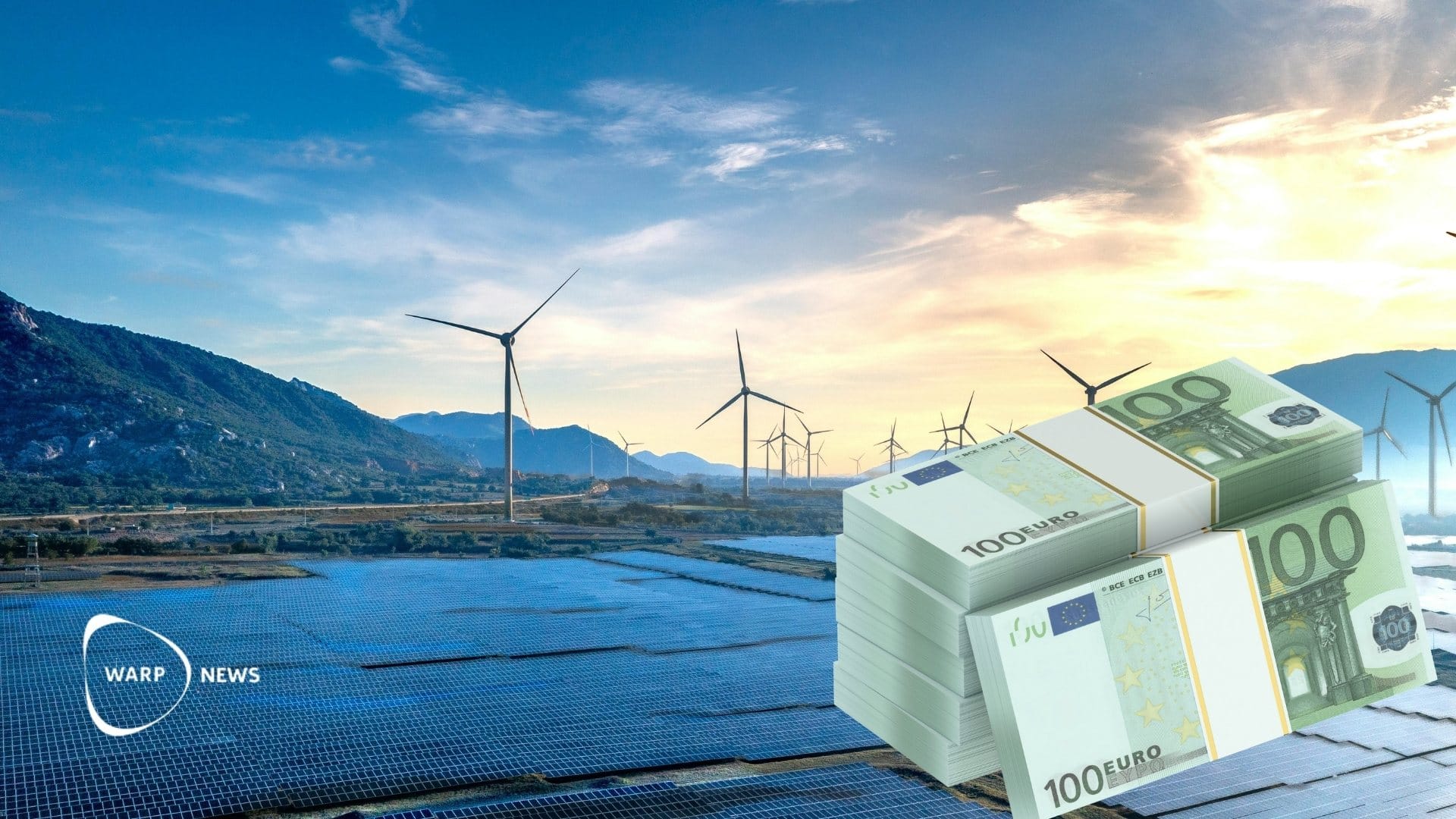
💶 Solar power has saved Europe more than €100 million per day since March
Solar energy has saved Europe more than €100 million per day since 1 March, totaling more than €3 billion. Wind and solar power have reduced electricity prices by an average of 24% between 2023 and 2025. If gas prices remain high, total savings in 2026 could reach €67.5 billion.

🚗 Electric vehicles outclass fossil fuel cars – sweep all categories at the 2026 World Car Awards
Consumers rank affordability, efficiency, quality, and safety as the most important factors in a car in 2026, areas where electric vehicles perform strongly. The BMW iX3 Neue Klasse won both Electric Vehicle of the Year and the Car of the Year award.

🚰 Desalinated seawater could ease pressure on the Colorado River
San Diego is negotiating with Arizona and Nevada to sell water from North America's largest desalination plant. The agreement could supply roughly 500,000 people with drinking water annually. San Diego has reduced its water imports from 95 percent to 10 percent over three decades.
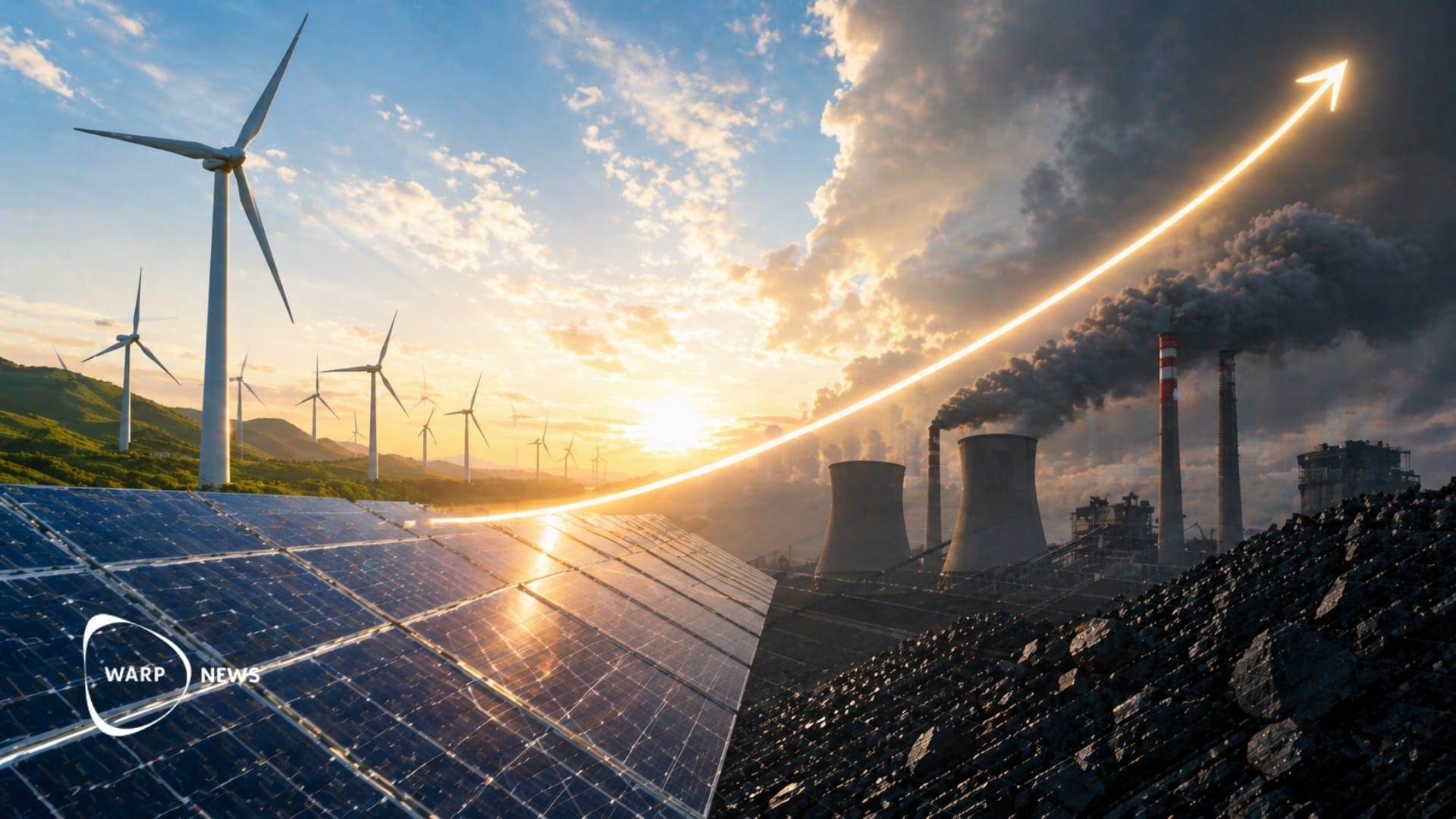
💡 Renewable electricity overtook coal as the world's largest power source in 2025
Solar and wind accounted for 99% of the growth in global electricity demand during 2025. Solar energy grew by 636 TWh – more electricity than all LNG exports through the Strait of Hormuz can produce. For the first time, coal power accounts for less than a third of the world's electricity generation.
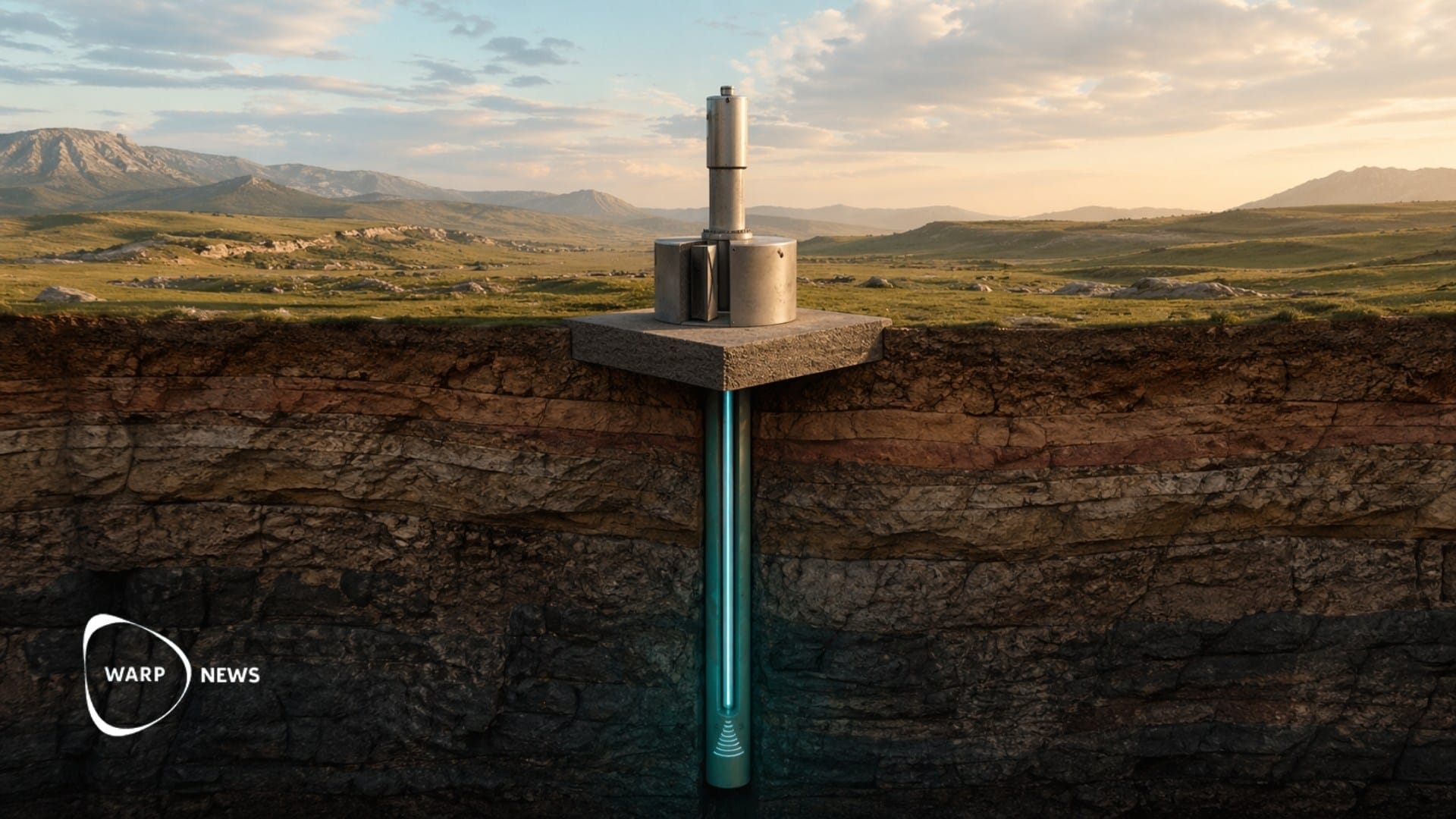
🚧 The world's first geothermal plant with 10 to 100 times higher output per well is now being built
Project Obsidian will be the world's first geothermal power plant to extract energy from rock at 300 to 500 degrees Celsius. The millimeter wave drilling technique allows drilling to reach depths and temperatures that conventional drills cannot handle.
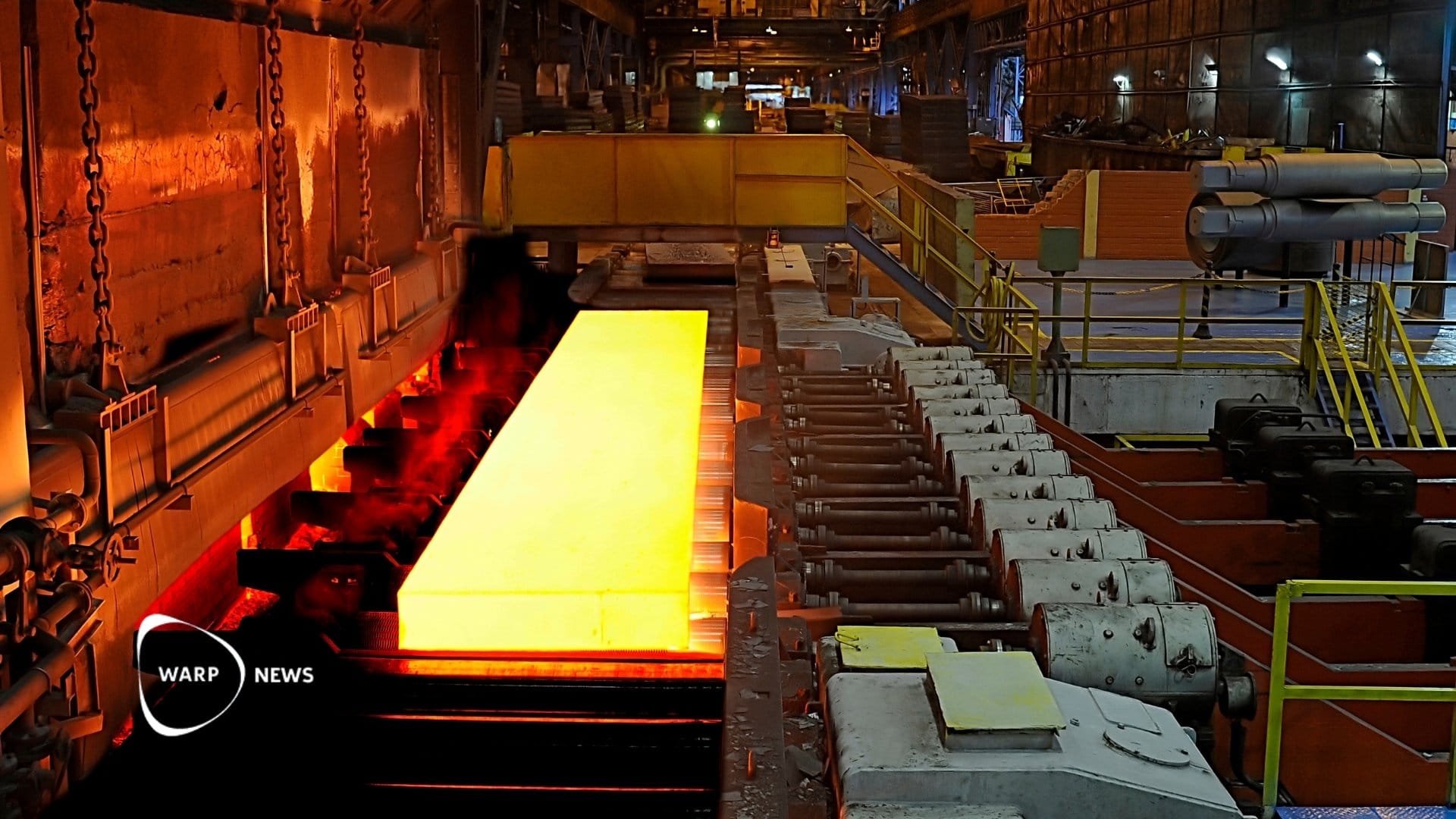
🏗️ More than 80 percent of China's steel production upgraded to ultra-low emissions
Emissions have already fallen by 34 million tonnes of CO2 – equivalent to permanently shutting down eight coal-fired power plants. The steel industry accounts for 7 percent of global emissions, and China produces more than half of the world's steel.
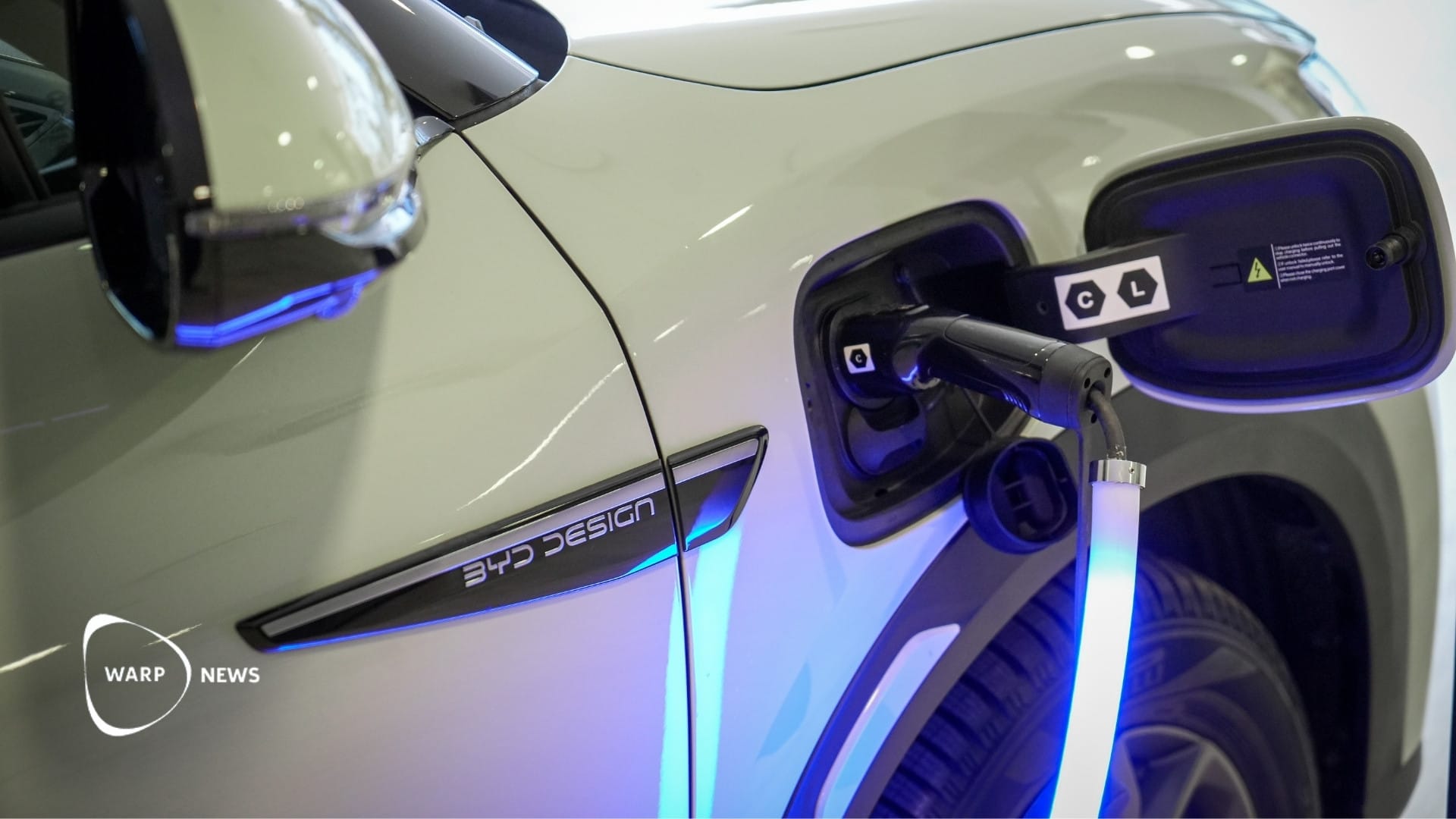
⚡ New fast charger charges an EV from 10 to 70 percent in five minutes
BYD's latest fast charger delivers up to 1,500 kilowatts and can charge a battery from 10 to 70 percent in five minutes. A charge from 10 to 100 percent takes about nine minutes. That corresponds to approximately 1,000 kilometers of range.
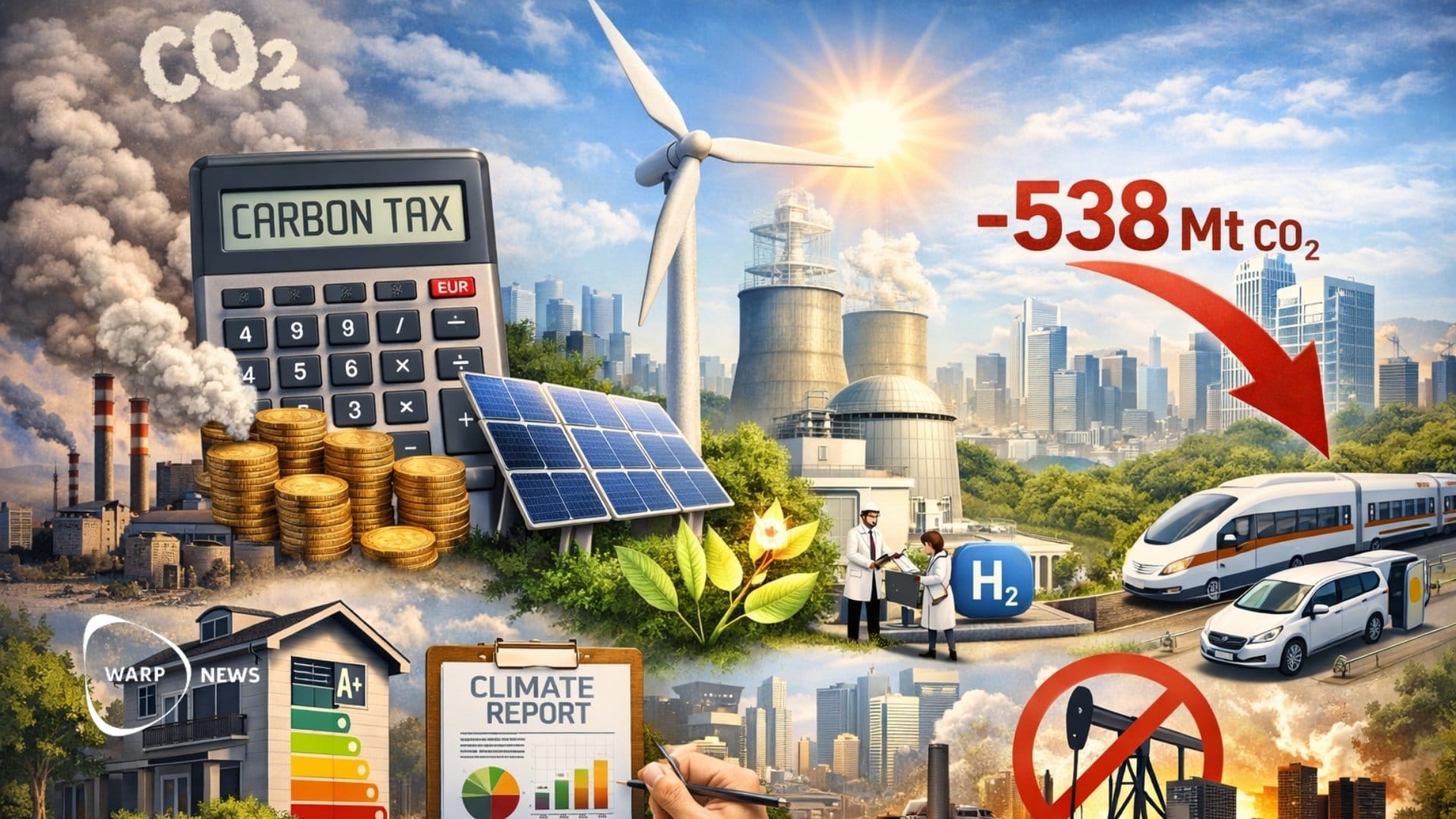
📑 Research identifies 28 climate policies that work in all countries
A study of 1,737 climate policies across 40 countries over 32 years shows which measures consistently reduce emissions regardless of context. Carbon taxes and investments in renewable energy and research stand out as particularly reliable instruments for reducing emissions.