
♻️ Green Tech
Green Tech is an important part of the solution of climate change and other enviromental problems. Here you will find articles covering recycling, water purifying and tech used to conserve and protect natural resources. Also, news about Warp Green Tech Program will be found here.

🌊 Minesto delivers ocean energy to the grid with tidal kites
Minesto's tidal kites have been generating electricity to the grid for three months. They generate electricity from ocean currents using a method similar to a kite flying in the wind. Test data shows that the technology is ready for commercial production.
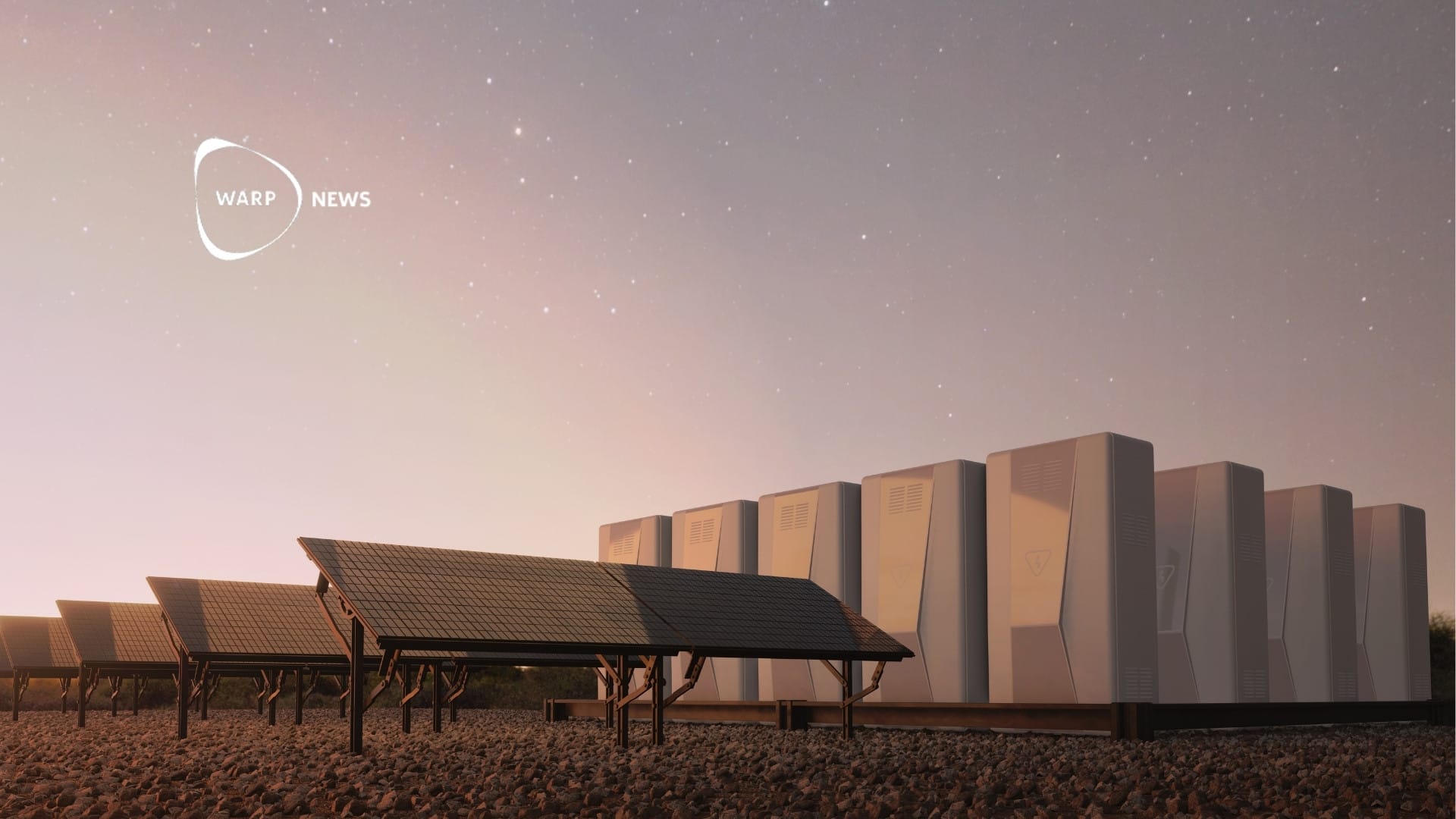
🔋 New battery technologies expand possibilities for renewable energy
Several new types of batteries are in development. Zinc-bromine flow batteries offer a safe and sustainable solution for energy storage. Organic flow batteries with solid materials increase storage capacity compared to conventional flow batteries.

🌊 Breakthrough: Seawater becomes fuel without hazardous substances
The company Equatic has created a technology that extracts hydrogen from seawater without producing harmful chlorine. The method can simultaneously remove carbon dioxide from the atmosphere and store it in the ocean.

🧊 They are developing a technology to restore sea ice in the Arctic
The company Real Ice is developing a technology to preserve and restore sea ice in the Arctic. The method uses renewable energy to pump seawater onto the ice and create extra ice layers. Testing of the technology in Arctic conditions will soon begin.
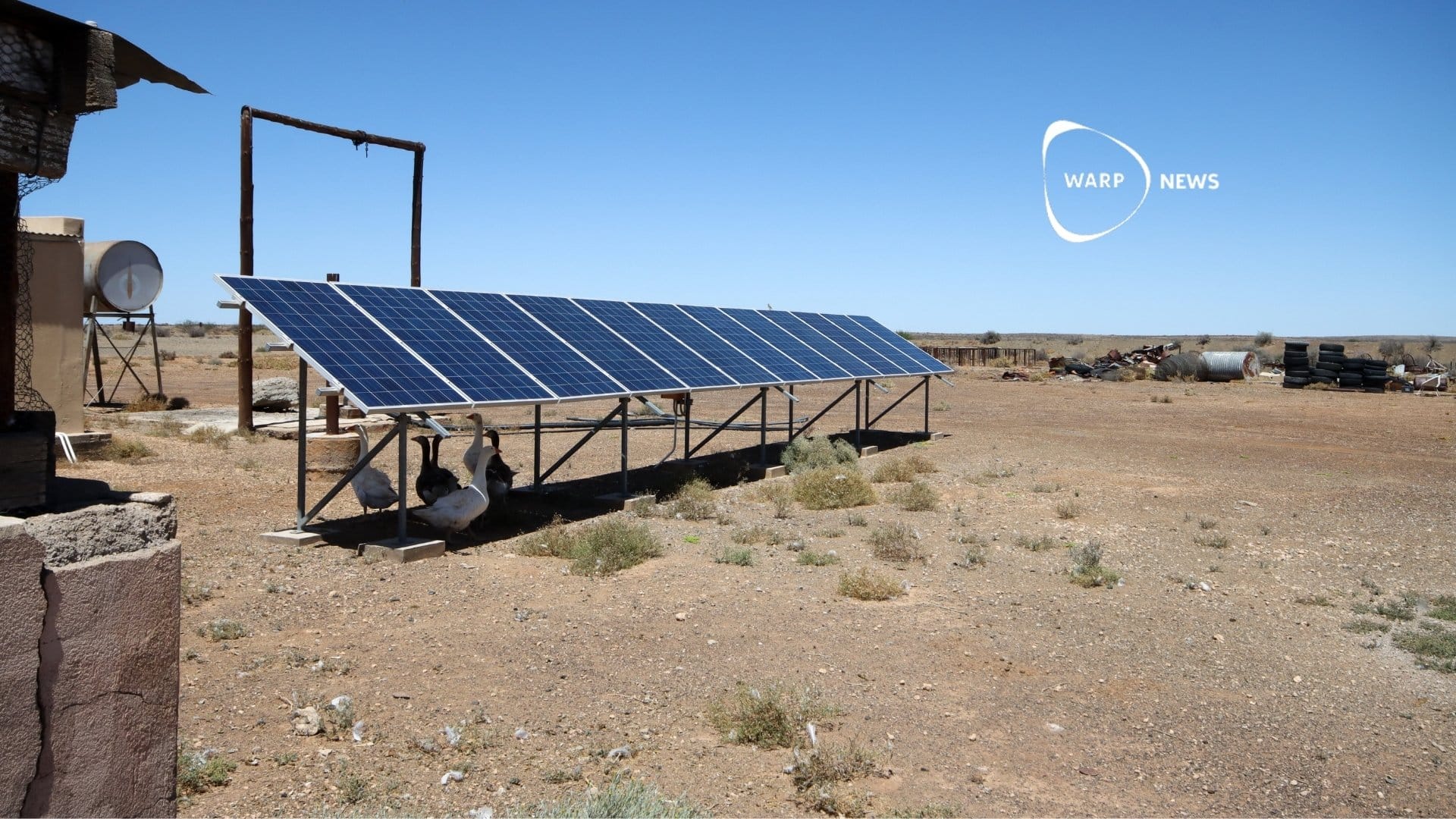
🌍 Plan to provide 300 million Africans with access to electricity
Mission 300 is the name of the plan to provide 300 million Africans with access to electricity by the end of 2030. A total of 90 billion dollars is needed to succeed. The World Bank and African Development Bank are contributing 30 billion dollars.

⚡ Complaining about new technologies' energy use is starting at the wrong end
Instead of complaining about the energy consumption of new technologies, like AI, we should start at the other end and make old technologies more efficient.
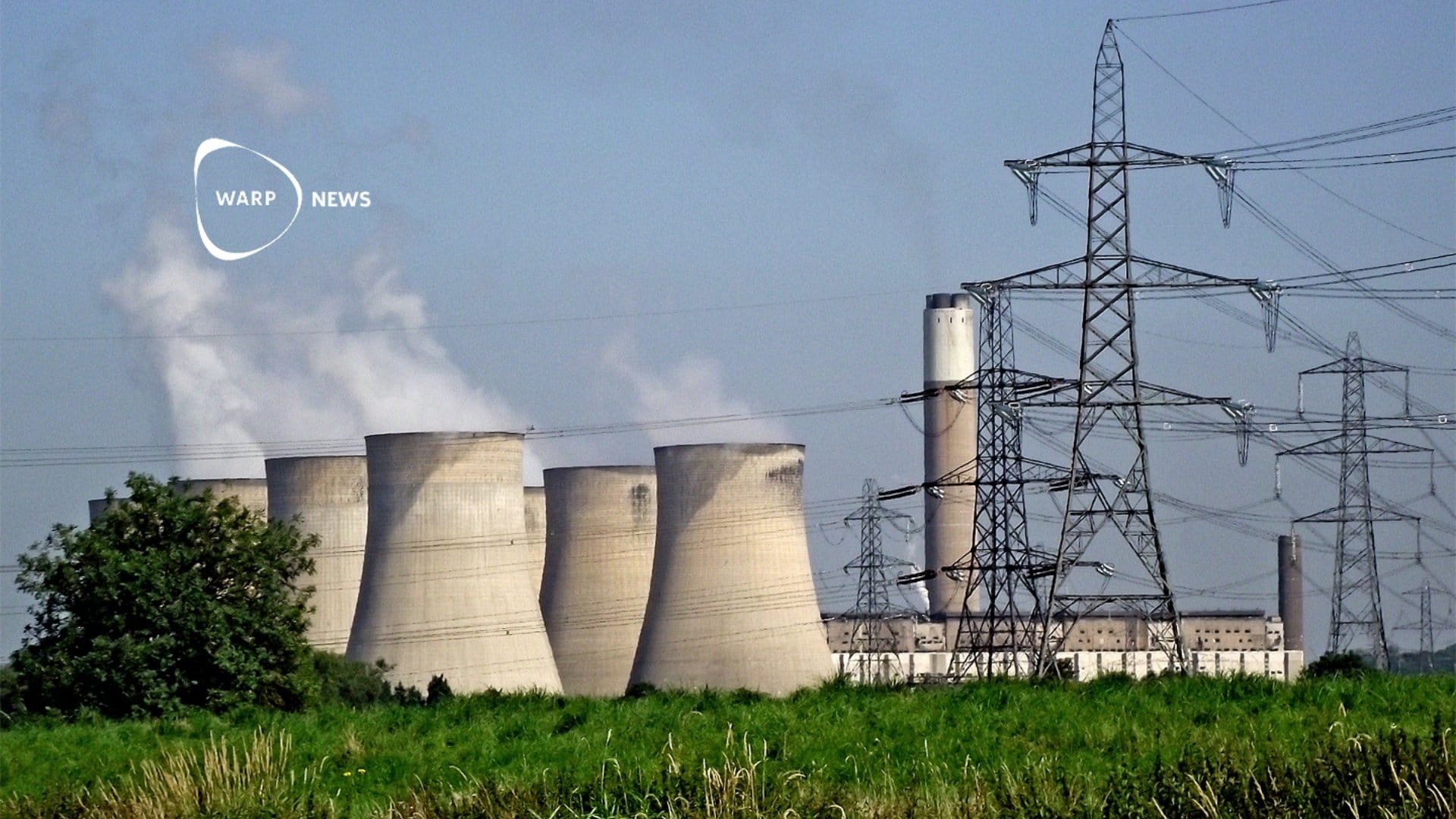
❌ UK closes last coal power plant - end of a 142-year era
The UK will close its last coal power plant in October 2024, marking the end of a 142-year era. Coal's share of electricity production has decreased from 40% in 2012 to zero in 2024, one of the fastest energy transitions in the world.
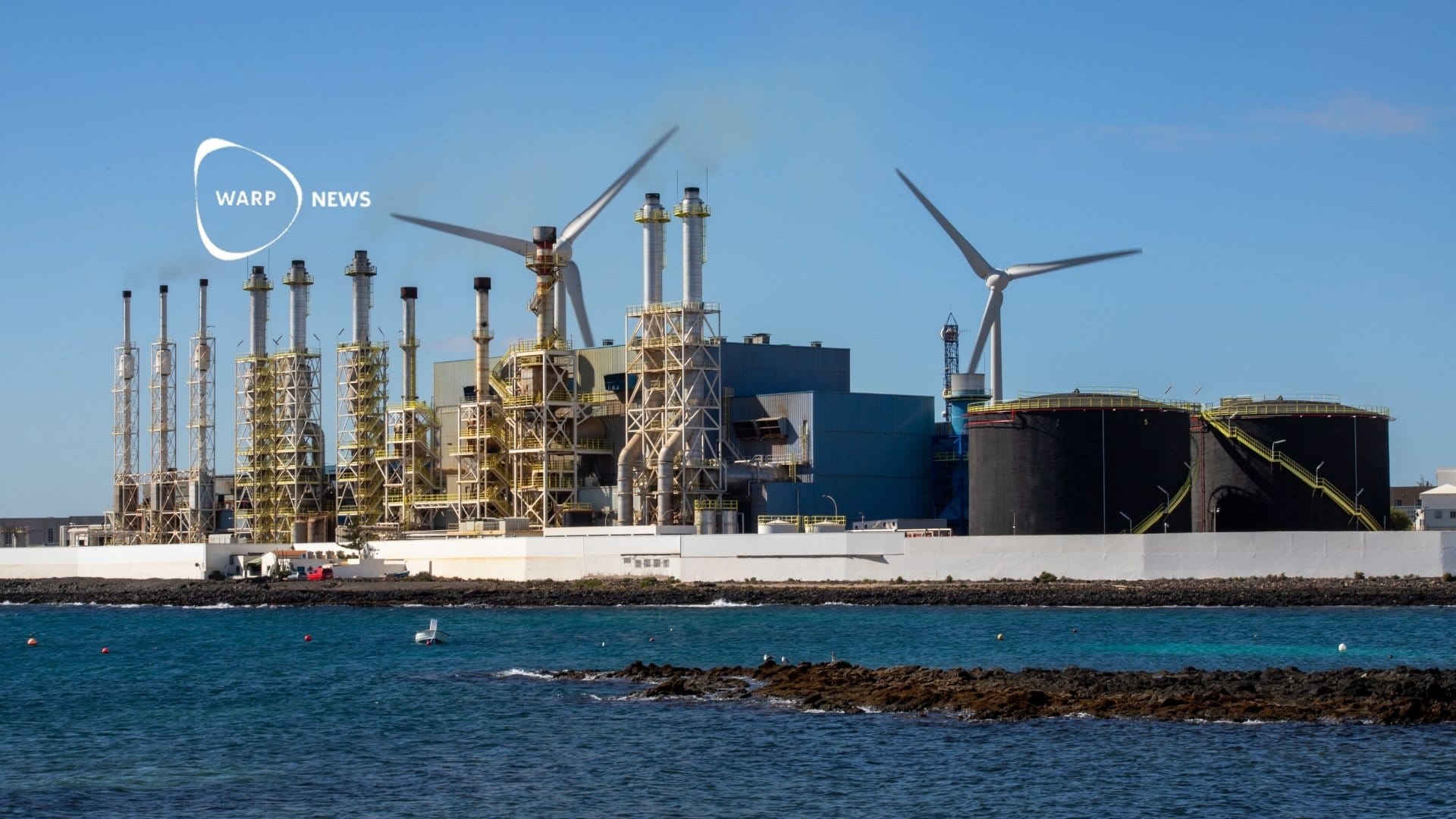
🚰 Energy consumption for desalinating water has decreased by 85 percent
Energy consumption for desalination has decreased from 20 kWh per cubic meter in the 1970s to 2.5-3.5 kWh today. Producing enough drinking water for one person - about 3 liters per day - through desalination would cost only $2.30 for an entire year.

🙉 Don't get swept away by short-sighted pessimism
Many opinions are based on the tree one is staring at. Instead, take a step back and see the forest. In space, AI, and batteries, I zoom out from the chatter and try to see what's actually happening.