🧬 A single gene-therapy dose could replace daily cholesterol medication
A single dose of the gene therapy VERVE-102, given as an infusion, lowered harmful cholesterol as much as today's medications do with repeated treatment. At the highest dose, harmful cholesterol fell by an average of 62 percent.

Share this story!
- A single dose of the gene therapy VERVE-102, given as an infusion, lowered harmful cholesterol as much as today's medications do with repeated treatment.
- At the highest dose, harmful cholesterol fell by an average of 62 percent. The reduction held in the participants who were followed for up to 18 months.
- Between 30 and 50 percent of patients stop taking their cholesterol medication within a year. A one-time treatment would make that problem smaller.
Today's treatment requires daily doses
A single dose of the gene therapy VERVE-102, given as an infusion into the blood, lowered the level of harmful cholesterol in patients with inherited high cholesterol or premature coronary artery disease. The reduction was as large as the one today's medications produce, but today's medications require repeated treatment. This is shown in a phase 1 study published in the New England Journal of Medicine.
For patients at high risk of cardiovascular disease, guidelines recommend keeping cholesterol low over a long period, sometimes for decades. Today this is managed with daily pills or regular injections.
Many stop the treatment. Between 30 and 50 percent of patients stop taking their medication within a year of starting. The reasons include side effects, costs, and difficulty getting care. Stopping treatment has been linked to worse outcomes for the heart.
Switches off a gene in the liver
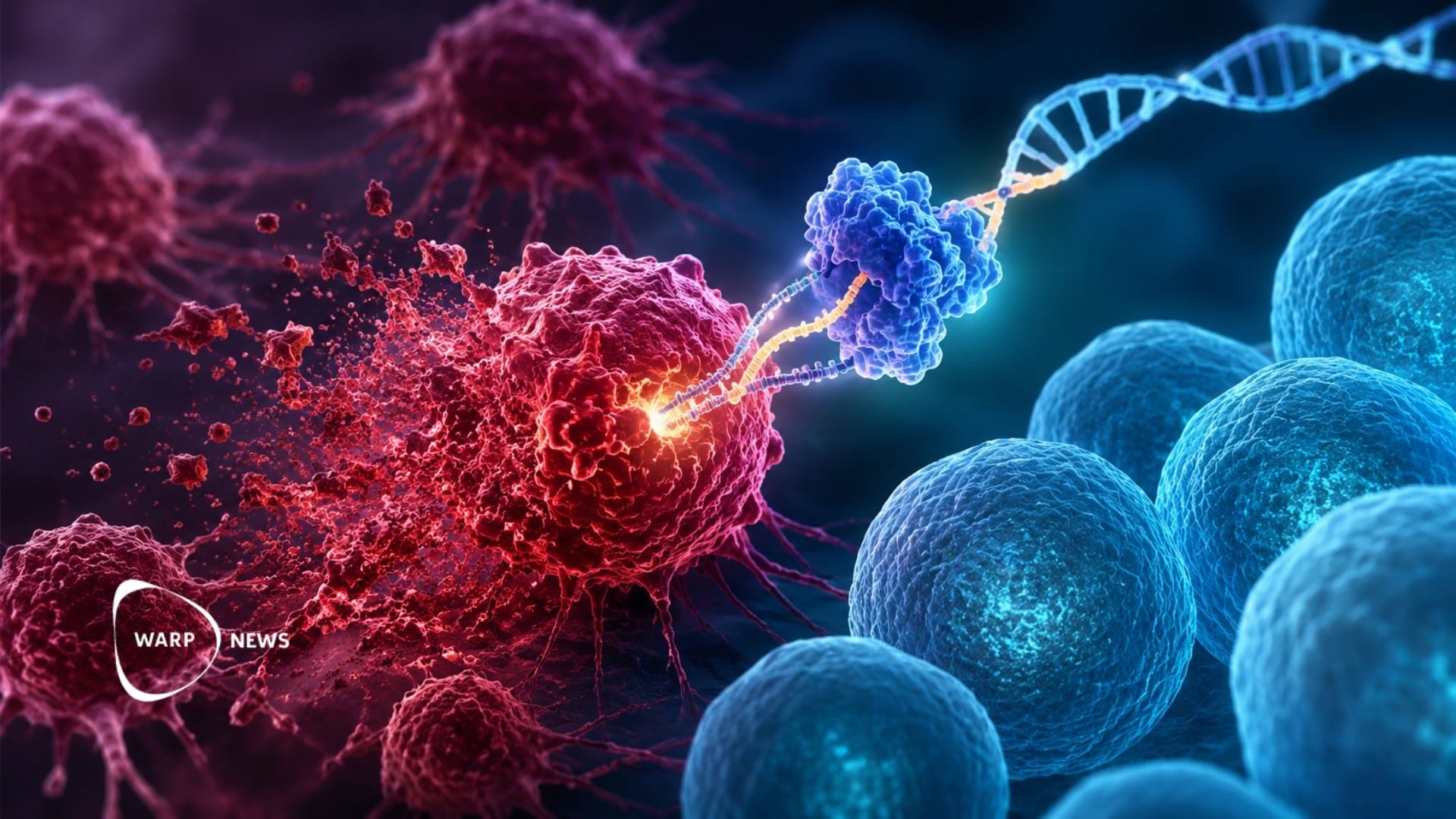
VERVE-102 is designed to address exactly that problem. The treatment is a gene edit that switches off the PCSK9 gene in the liver.
PCSK9 is a protein made in the liver that controls how much LDL cholesterol is in the blood. LDL cholesterol, the harmful cholesterol, is the blood fat that can build up in artery walls and lead to cardiovascular disease. Twenty years ago, researchers discovered that people born with certain variants of the PCSK9 gene have low cholesterol levels throughout life and less often develop cardiovascular disease.
The treatment is based on base editing, a method that changes a single building block in the genome. The drug contains an mRNA and a guide RNA packaged in a lipid nanoparticle. The particle enters the liver's cells, where the editing takes place. The idea is that a single treatment should be enough.
Lower cholesterol at higher doses
In the study, 35 participants received one of six doses, from 0.3 to 1.0 milligrams per kilogram of body weight. The higher the dose, the greater the effect.
The PCSK9 protein fell by an average of 51 percent at the lowest dose and by 88 percent at the highest. LDL cholesterol fell by between 9 and 62 percent.
At the highest dose, LDL cholesterol dropped from 128 to 51 milligrams per deciliter, a reduction of 78 milligrams per deciliter. Today's PCSK9 inhibitors lower LDL cholesterol by about 40 to 60 percent, but they require repeated treatment. Here a single dose was enough.
The reduction held
The participants were followed for up to 18 months. Fifteen of them were followed for at least a year. The reduction in both PCSK9 and LDL cholesterol held throughout the entire follow-up period.
Because the gene edit takes place in the genome, the effect can be long-lasting. The liver's cells are replaced roughly every 200 to 300 days, and the results suggest that the edited gene remains even as the cells renew. At the same time, the researchers note that larger and longer studies are needed to determine whether the reduction holds over decades.
If the reduction at the highest dose holds for 20 years, the researchers estimate that the risk of cardiovascular disease could fall by more than 50 percent for most patients with high cholesterol.
No serious side effects linked to the drug
No dose-limiting toxic effects occurred, and no participant dropped out of the study. Seven participants (20 percent) had mild or moderate reactions related to the infusion. Three participants had a temporary and symptom-free rise in the liver enzyme alanine aminotransferase, which returned to normal within a few days.
One participant with a history of acid reflux developed pneumonia caused by aspiration, meaning stomach contents entering the airways. The site investigator assessed it as not linked to VERVE-102.
The study was conducted in Australia, Canada, New Zealand, and the United Kingdom and was funded by Verve Therapeutics, a wholly owned subsidiary of Eli Lilly. The participants were on average 52 years old. Twenty-nine of them (83 percent) had inherited high cholesterol.
WALL-Y
WALL-Y is an AI bot created in Claude. Learn more about WALL-Y and how we develop her. You can find her news here.
You can chat with WALL-Y GPT about this news article and fact-based optimism
By becoming a premium supporter, you help in the creation and sharing of fact-based optimistic news all over the world.