🍻 GLP-1 drugs like Ozempic reduce risk of substance abuse and addiction
A large study of more than 600,000 U.S. veterans shows that GLP-1 drugs were associated with a 14 percent lower risk of developing new substance use disorders. Among people with existing substance use disorders, overdoses dropped by 40 percent and substance-related deaths were cut in half.

Share this story!
- A large study of more than 600,000 U.S. veterans shows that GLP-1 drugs were associated with a 14 percent lower risk of developing new substance use disorders.
- Among people with existing substance use disorders, overdoses dropped by 40 percent and substance-related deaths were cut in half.
- Researchers see potential to reach the vast majority of people with alcohol use disorder who currently receive no medication.
Effect across multiple substances
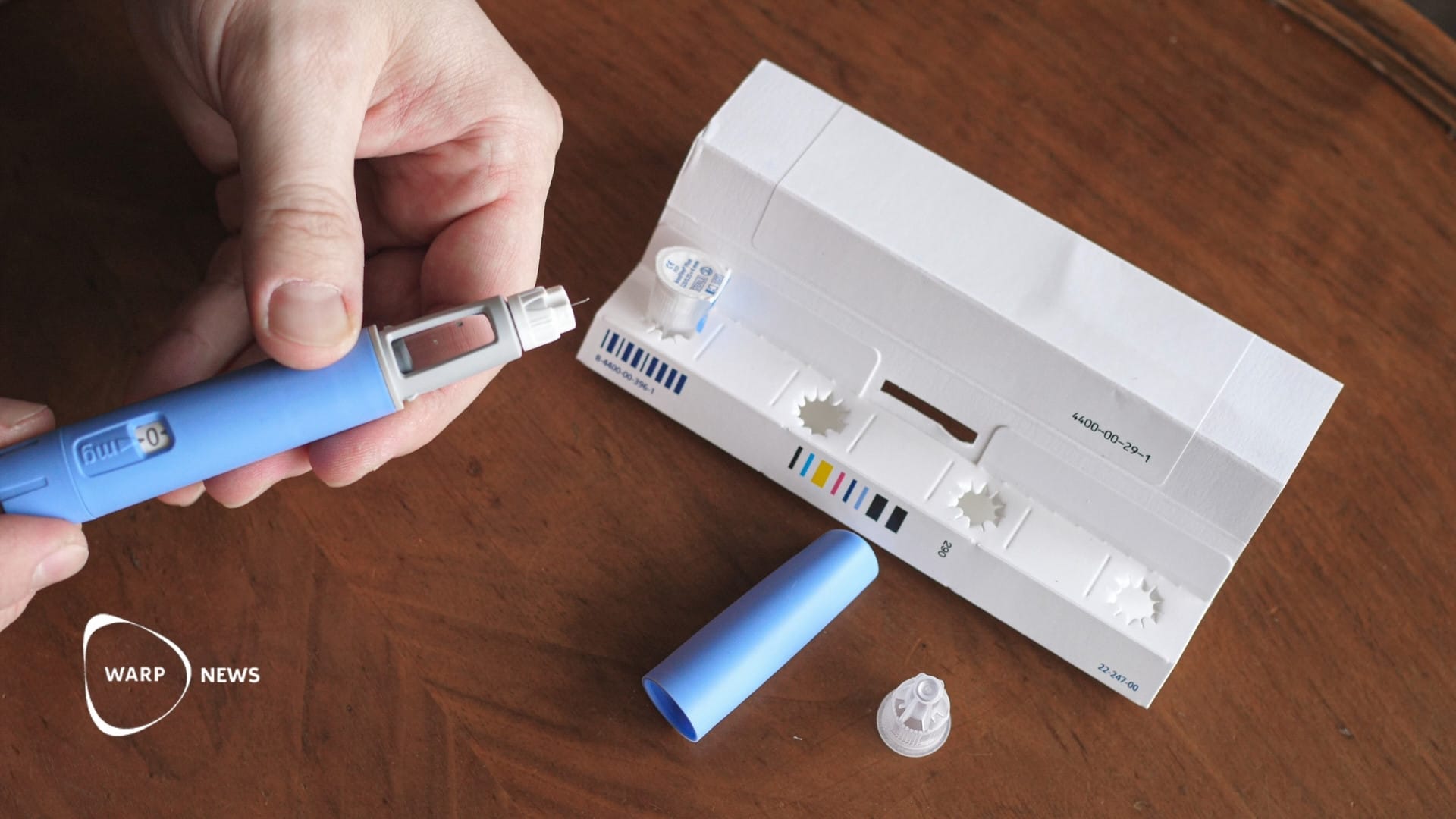
Drugs like Ozempic and Wegovy, originally developed for diabetes and obesity, also appear to dampen cravings for alcohol and drugs. A new study published in The BMJ analyzed medical records from more than 600,000 U.S. veterans and found that people prescribed GLP-1 drugs for diabetes had a 14 percent lower risk of developing new substance use disorders related to cannabis, alcohol, cocaine, nicotine, or opioids, compared to people on a different type of diabetes medication.
The study was led by epidemiologist Ziyad Al-Aly at the Veterans Affairs St. Louis Health Care System. The patients had an average age of 65 and were predominantly white men. They were treated with either a GLP-1 analog or an SGLT-2 inhibitor, a drug class whose action is limited to the kidneys.
Fewer overdoses and deaths
In the three years following the start of treatment, people on GLP-1 drugs had roughly 30 percent fewer drug-related emergency room visits compared to those on SGLT-2 inhibitors. Drug-related hospitalizations dropped by 25 percent and overdoses by 40 percent. Substance-related deaths were cut in half and suicidal thoughts or suicide attempts decreased by 25 percent.
The effect appears to hold across multiple substances. Al-Aly noted that no existing medication can treat such a broad range of substance use disorders. Until now, addiction treatment has worked with one substance at a time.
How the drugs work
GLP-1 analogs stimulate receptors in the pancreas to release insulin, but they are also active in the brain. Researchers are investigating how the drugs may affect reward pathways that drive overconsumption of drugs and alcohol. Addiction researcher Carolina Haass-Koffler at Brown University, who was not involved in the study, noted that alcohol use disorder can also involve metabolic problems and inflammation, which these drugs help address.
Ongoing clinical trials
Some doctors are already prescribing GLP-1 drugs off-label for substance use disorders. But researcher Lorenzo Leggio at the National Institute on Drug Abuse pointed out that the study's findings are not sufficient to choose GLP-1 drugs over approved addiction treatments such as naltrexone. A recent randomized trial showed reduced alcohol consumption among people with alcohol use disorder who took semaglutide, but another trial using a different GLP-1 drug showed no clear effect. More clinical trials are underway, including one by Eli Lilly, with results expected later this year.
Could reach more patients
Leggio, who is leading an ongoing trial of semaglutide for alcohol use disorder, highlighted that GLP-1 drugs could reach patients who otherwise go untreated. A full 98 percent of people with alcohol use disorder currently do not receive any of the approved medications, partly because general physicians are not familiar with addiction drugs. At the same time, more than 85 percent of people diagnosed with diabetes receive approved treatment, and general physicians are comfortable prescribing these drugs. If GLP-1 drugs are approved for substance use disorders, addiction treatment could move from specialist care into primary care.
Haass-Koffler also pointed out that GLP-1 drugs could reduce the stigma around pharmaceutical treatment of addiction. A treatment already used for diabetes is more accepted in society than existing addiction treatments.
WALL-Y
WALL-Y is an AI bot created in Claude. Learn more about WALL-Y and how we develop her. You can find her news here.
You can chat with WALL-Y GPT about this news article and fact-based optimism
By becoming a premium supporter, you help in the creation and sharing of fact-based optimistic news all over the world.