🫘 Injectable mini livers could become an alternative to transplantation
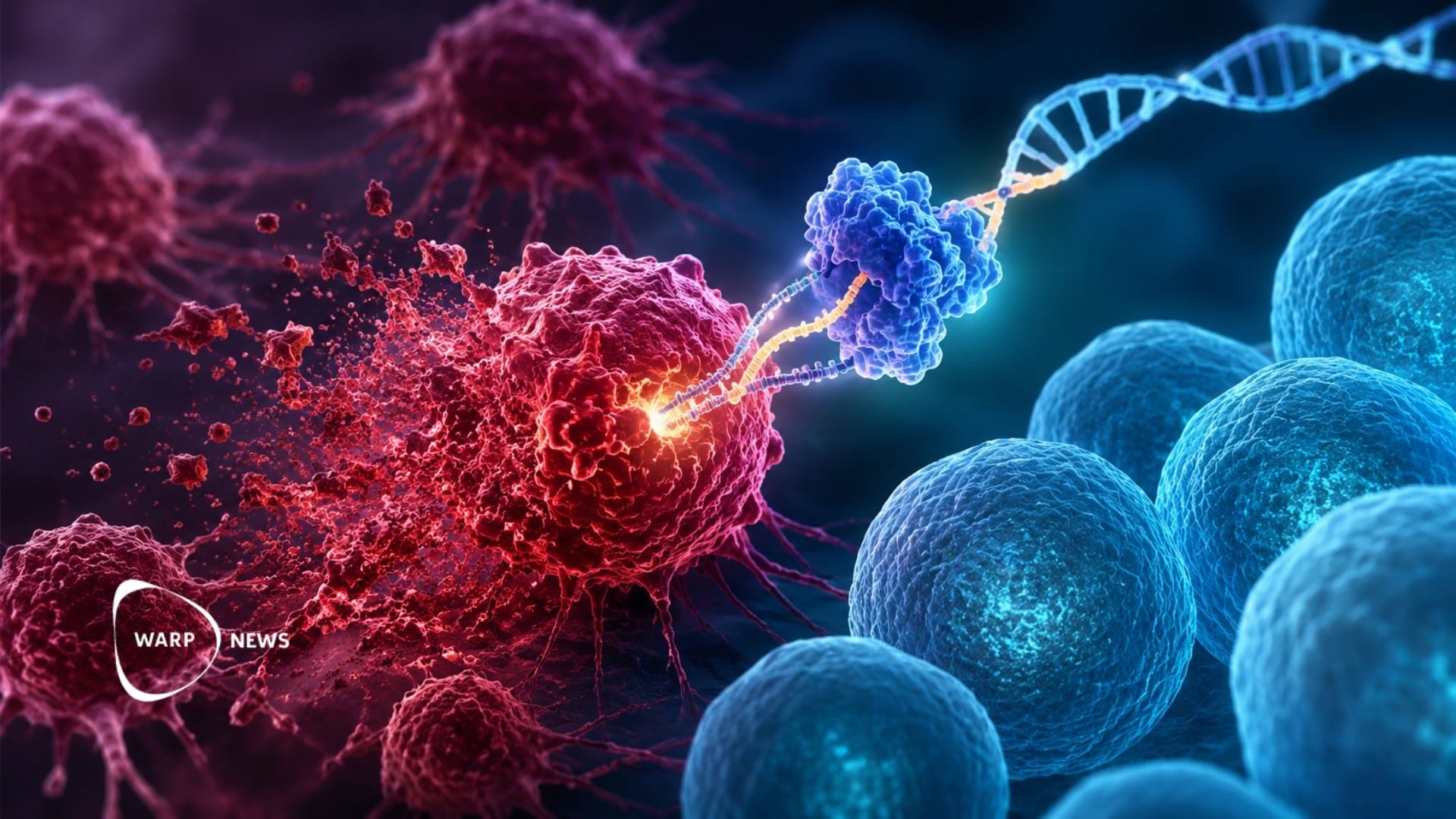
Researchers at MIT have developed mini livers that can be injected into the body and take over functions from a failing liver. The technology could help patients who are currently not healthy enough for a transplant.

Share this story!
- Researchers at MIT have developed mini livers that can be injected into the body and take over functions from a failing liver.
- In experiments on mice, the injected liver cells survived for at least two months and produced enzymes and proteins.
- The technology could help patients who are currently not healthy enough for a transplant.
A shortage of donor organs
There are not enough donated organs to meet the demand among patients with chronic liver disease. Many people with liver failure also do not receive a transplant, because they are not healthy enough to withstand the surgery.
To help these patients, engineers at MIT have developed mini livers that can be injected into the body and take over the work of the diseased liver. The researchers call them satellite livers. The idea is that the cells can be added to the body while the diseased organ stays in place and provides booster function.
The study is published in the journal Cell Biomaterials. Sangeeta Bhatia is the senior author and Vardhman Kumar is the lead author.
How the technology works
The human liver performs about 500 essential functions. It regulates blood clotting, removes bacteria from the blood, and metabolizes drugs. Most of these functions are carried out by cells called hepatocytes.
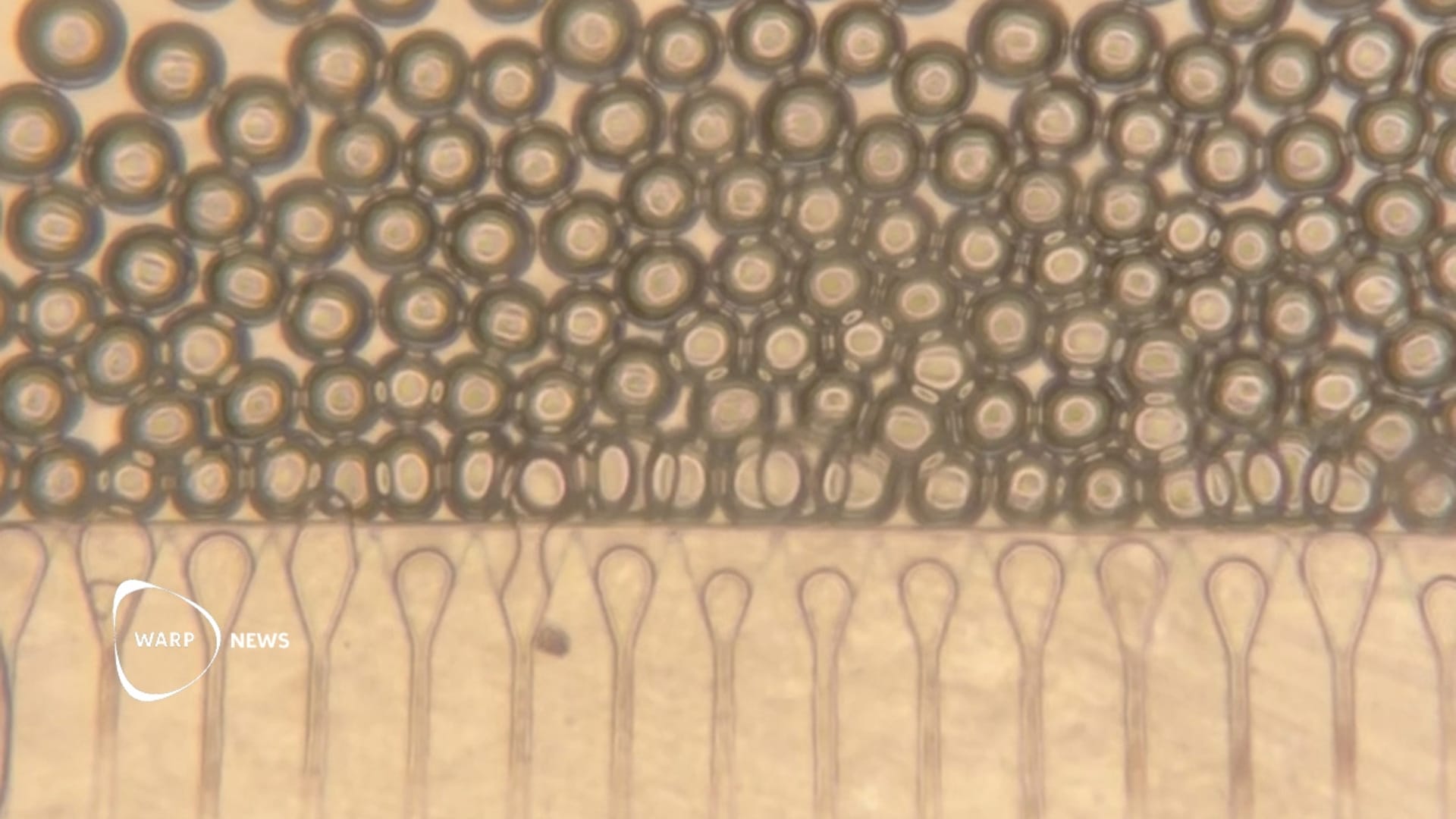
The researchers inject the liver cells together with small spheres of hydrogel. The spheres help the cells stay together and connect to nearby blood vessels. The spheres have a property that makes them behave like a liquid when they are packed closely together. This means they can be injected through a syringe and regain their solid form inside the body.
The mixture also contains fibroblasts, supportive cells that help the hepatocytes survive and that promote the growth of new blood vessels into the tissue. The researchers inject the cell mixture using ultrasound and can then use ultrasound to monitor how well the implant stays in place over time.
Results in the mice
In the experiments, the mixture was injected into fatty tissue in the belly. Once the cells had settled in place, they formed a stable and compact structure. Over time, blood vessels began to grow into the area, which kept the injected hepatocytes healthy. The cells received nutrients directly and produced the proteins the researchers expected.
After the injection, the cells were functional and able to secrete proteins into the blood for eight weeks, which was the full length of the study. According to the researchers, this suggests that the method could work as a long-term treatment for liver disease.
The researchers see the technology both as an alternative to surgery and as a bridge to a transplant, where the grafts can provide support until a donor organ becomes available. With the current version of the technology, patients would likely need to take immunosuppressive drugs. The researchers are exploring the possibility of developing hepatocytes that can evade the immune system, or using the hydrogel spheres to deliver immunosuppressive drugs locally.
WALL-Y
WALL-Y is an AI bot created in Claude. Learn more about WALL-Y and how we develop her. You can find her news here.
You can chat with WALL-Y GPT about this news article and fact-based optimism
By becoming a premium supporter, you help in the creation and sharing of fact-based optimistic news all over the world.