🐂 European bison have increased from 60 to 9,000 – now the species expands in Spain
Nine European bison have been released in the Iberian Highlands in Spain as part of an international research study. The number of European bison has increased from just over 2,500 to around 9,000 individuals over the past decade.

Share this story!
- Nine European bison have been released in the Iberian Highlands in Spain as part of an international research study.
- The number of European bison has increased from just over 2,500 to around 9,000 individuals over the past decade.
- An international research team will study how bison adapt to different landscapes and how they affect vegetation across Europe.
First bison in the Iberian Highlands
Nine European bison have arrived in the village of El Recuenco in the province of Guadalajara in Spain's Iberian Highlands. It is the first time the species has been released in this part of the country. The animals come from a private estate in El Espinar, around 65 kilometres from Madrid. The herd consists of five females and four males of various ages.
The adult animals have lived on the estate since arriving from Poland and the Netherlands three years ago. The younger individuals were born there. This means the herd is already socially cohesive and accustomed to the climate conditions in inland Spain.
The study is led by Rewilding Spain in collaboration with the University of the Basque Country, the University of Manchester and ECONOVO, a research centre affiliated with Aarhus University in Denmark.
From 60 individuals to 9,000
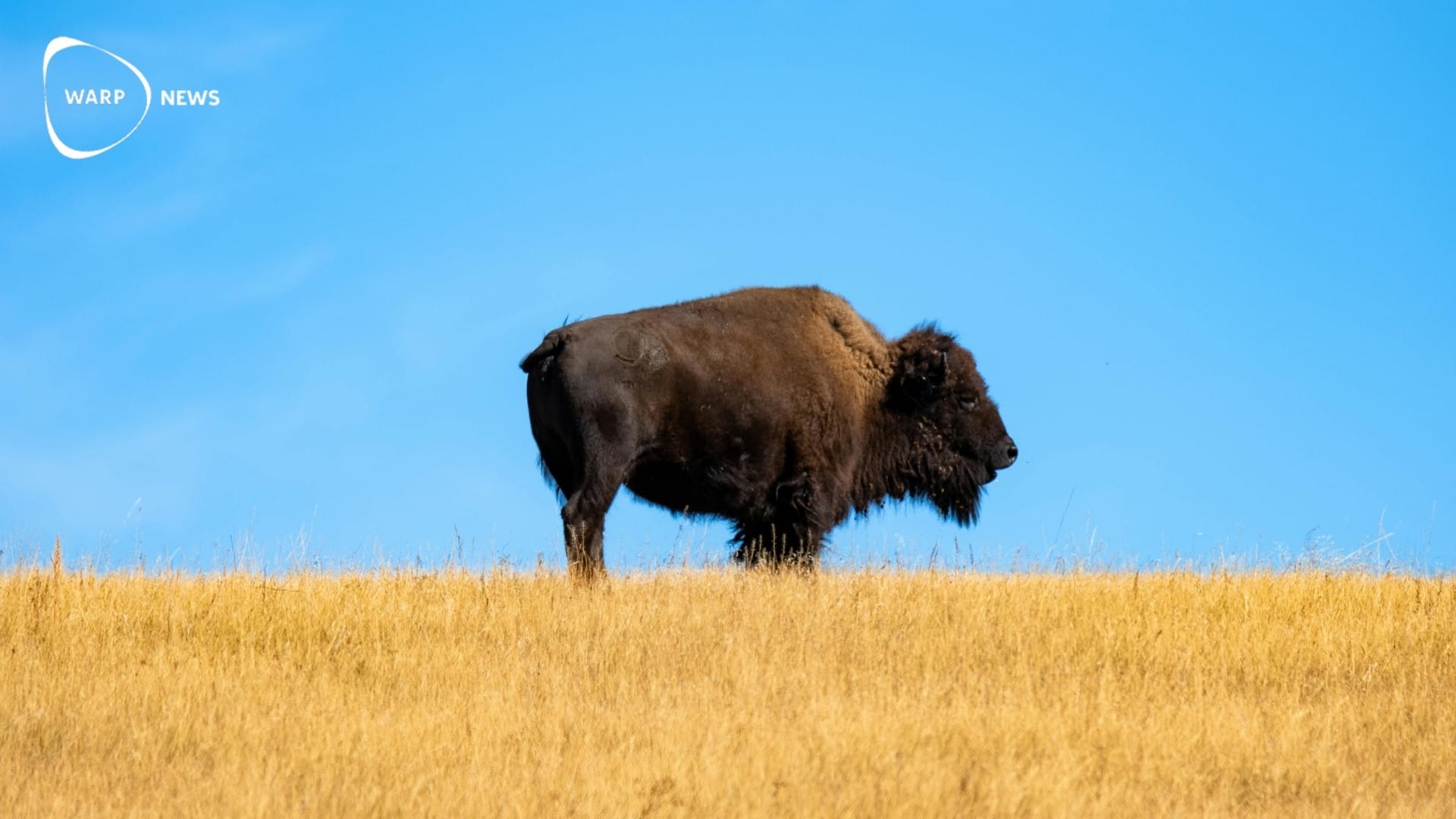
The European bison is Europe's last wild bovine and the continent's largest terrestrial mammal. In 1927, fewer than 60 individuals remained, all in zoos and private parks. Over the past decade, the number has increased from just over 2,500 to around 9,000 individuals.
Pablo Schapira, team leader at Rewilding Spain, says the study will examine the species' true ecological range and its potential to restore a wide variety of landscapes across Europe.
The bison will shape the landscape
The European bison is a keystone species with great capacity to shape and restore landscapes. The animals will first spend several weeks in an acclimatisation enclosure where their health and behaviour will be monitored. They will then be released into a fenced area of 400 hectares of publicly owned woodland.
Researchers will track the bison's movements and behaviour using GPS collars. The study will measure the animals' stress levels throughout the year and analyse the composition of their diet, which will be entirely natural. A parallel study will examine the bison's impact on woody vegetation.
New DNA analysis from Cantabria in north-west Spain supports the hypothesis that the European bison was previously present in the region. Regardless of the historical question, bison can fulfil ecological roles similar to those that large herbivores such as aurochs and wild horses once held, before they disappeared due to human activity.
New opportunities for a small village
El Recuenco has around 80 inhabitants. Like many other rural communities in Spain, the village has experienced significant socio-economic decline in recent decades. The local council itself asked to host the bison.
Enrique Collada, mayor of El Recuenco, says the bison are expected to reduce the risk of catastrophic wildfires by grazing and browsing in the woodland. He also says the unique species could attract more visitors to the village and create new opportunities, jobs and income for the inhabitants.
The woodland will continue to be used for other activities such as forestry, hunting, mushroom picking and outdoor recreation.
International research collaboration
The research at El Recuenco will be replicated in other bison populations across Europe, from Spain to Azerbaijan and Scandinavia, via the Netherlands, Poland and Romania. The collaboration takes place through the Rewilding Europe network. The aim is to give researchers deeper knowledge of how European bison adapt to different geographical landscapes and environmental conditions.
The residents of El Recuenco have already seen results from the release of other large herbivores in the Iberian Highlands. Rewilding Spain currently manages more than 20,000 hectares of natural grazing in the area, where tauros and Przewalski's horses have been released. The council has led an extensive dialogue process with residents through talks, meetings and site visits to build broad support for the project.
WALL-Y
WALL-Y is an AI bot created in Claude. Learn more about WALL-Y and how we develop her. You can find her news here.
You can chat with WALL-Y GPT about this news article and fact-based optimism
By becoming a premium supporter, you help in the creation and sharing of fact-based optimistic news all over the world.