
🧠 Meningitis deaths among young children have fallen by two thirds since 1990
Since 2015 alone, the meningitis mortality rate has dropped by 25.4 percent, and it is falling in every age group. Vaccines against the bacteria that cause the disease account for a large part of the decline.

Share this story!
- The number of children under five who die from meningitis has fallen from 277,000 in 1990 to 86,600 in 2023.
- Since 2015 alone, the meningitis mortality rate has dropped by 25.4 percent, and it is falling in every age group.
- Vaccines against the bacteria that cause the disease account for a large part of the decline.
Fewer deaths and fewer cases
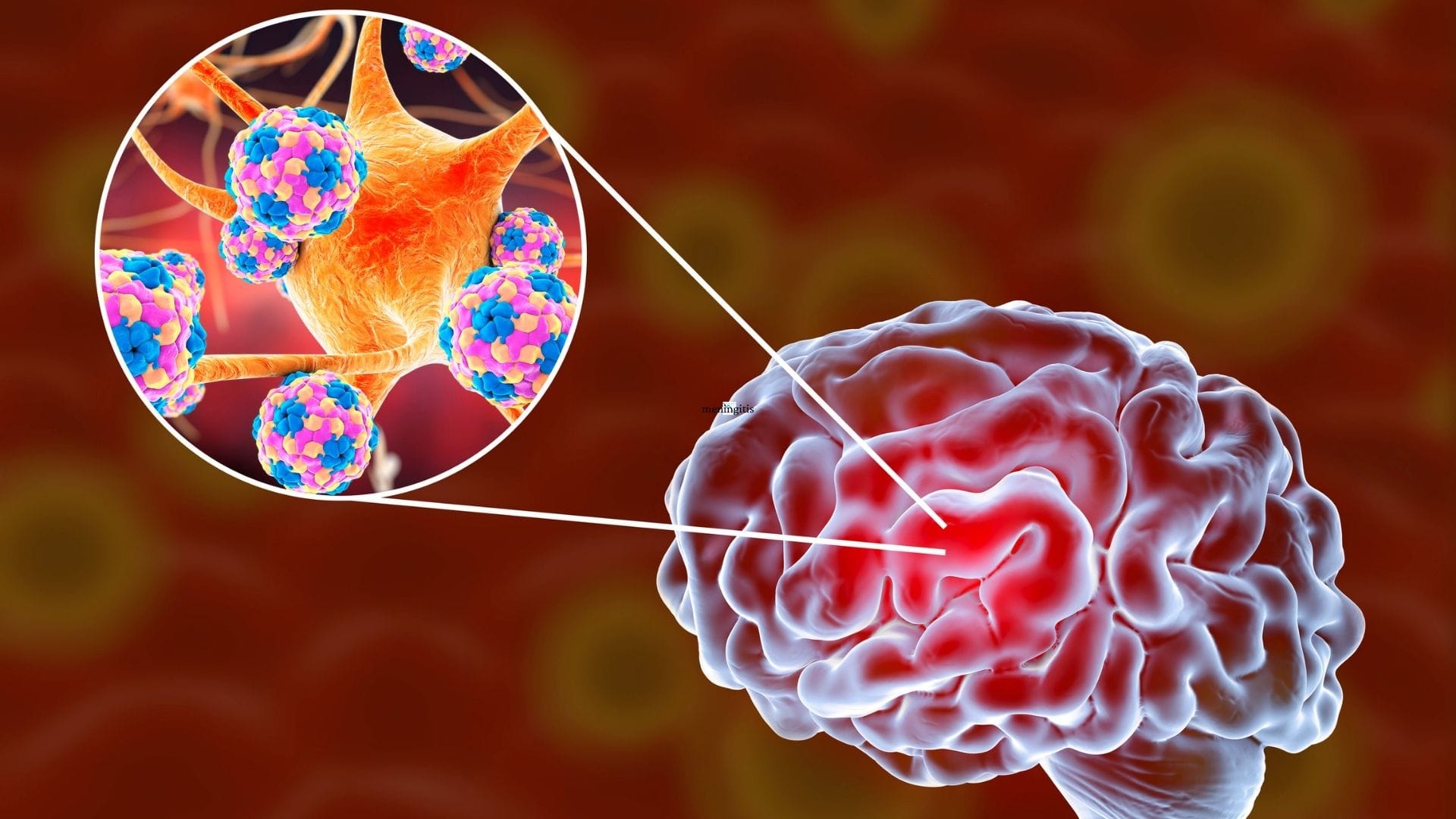
Meningitis is an inflammation of the membranes that surround the brain and spinal cord. It can be caused by bacteria, viruses or fungi. The disease mainly affects young children.
A new study in the scientific journal The Lancet Neurology shows how the disease has developed in 204 countries between 1990 and 2023. Fix The News found this news. The study is part of the global research project Global Burden of Disease.
In 1990, 469,000 people died from meningitis. In 2023, the figure was 259,000. That is 45 percent fewer deaths, even though the world's population grew substantially over the same period. Measured per 100,000 people, the mortality rate has fallen from 8.8 to 3.2. That is a decrease of 63.5 percent.
Among children under five, the change is even larger. The mortality rate per 100,000 children has fallen by 70.1 percent, from 45.1 to 13.5.
The number of cases has also declined. In 1990, 3.96 million people fell ill. In 2023, the number was 2.54 million.
Rapid decline over the past eight years
The decline has continued at a fast pace in recent years. In 2015, 319,000 people died from meningitis. In 2023, there were 60,000 fewer. In eight years, the mortality rate per 100,000 people has fallen from 4.3 to 3.2, a decrease of 25.4 percent.
Among children under five, the number of deaths has fallen from 129,000 to 86,600 since 2015. That is a third fewer child deaths in eight years.
The mortality rate has fallen in every age group. Among people over 70, it has dropped by 30.1 percent since 2015. Among people aged 50 to 69, the decrease is 26.0 percent.
The number of cases is also falling. Since 2015, the incidence rate has dropped by 18.5 percent. In 2015, 2.86 million people fell ill. In 2023, the number was 2.54 million.
Vaccines have made a difference
Since 2000, vaccines against the bacterium Haemophilus influenzae type b, and later against pneumococcus and meningococcus, have spread across the world. According to the researchers, this has greatly reduced both cases and deaths, in high-income and low-income countries alike.
The World Health Organization (WHO) counts four bacteria as vaccine-preventable causes of meningitis: pneumococcus, meningococcus, Haemophilus influenzae and Group B streptococcus. In 2015, they caused 126,000 deaths. By 2023, the number had fallen to 98,700. That is a decrease of 27.4 percent in eight years, or 4.1 percent per year. Over the same period, the number of cases caused by these four bacteria fell from 653,000 to 594,000.
Pneumococci can sometimes resist antibiotics. Even so, the total number of deaths linked to drug-resistant pneumococci, across all types of infection, has fallen from 258,000 in 1990 to 155,000 in 2021. The researchers believe this is mainly because vaccination has reduced the number of pneumococcal infections.
Large declines in the meningitis belt
The so-called meningitis belt stretches across Africa from Senegal to Ethiopia. This is where the disease is most common. The MenAfriVac vaccination campaign has nearly eliminated one of the most common forms of meningococcus, serogroup A, in the region.
In most countries in the belt, both the mortality rate and the incidence rate have fallen sharply since 1990. In Sudan, Rwanda and Ethiopia, the mortality rate has dropped by more than 80 percent. In Sudan and Rwanda, the incidence rate has also fallen by more than 80 percent.
Risk factors cause fewer deaths
For the first time, the researchers also calculated which risk factors lie behind meningitis deaths. The largest are low birthweight, preterm birth and household air pollution from cooking.
All of these have become less deadly since 1990. The mortality rate linked to low birthweight has fallen by 73.8 percent. Deaths per capita linked to preterm birth have fallen by 72.1 percent, and those linked to household air pollution by 70.5 percent. The mortality rate linked to outdoor particulate pollution has dropped by 77.4 percent.
Vaccine against Group B streptococcus in testing
There is not yet an approved vaccine against Group B streptococcus, one of the most common causes of meningitis in newborns. However, several vaccine candidates are in advanced development. One vaccine is now being tested in a phase 3 trial, the final stage before a drug can be approved.
The idea is to vaccinate pregnant women. Their antibodies are then passed to the baby through the placenta and protect it during the first months of life. According to a commentary in The Lancet Neurology, this approach works in all countries, regardless of income level.
The most comprehensive mapping to date
The study is the most comprehensive global mapping of meningitis so far. The researchers examined 17 categories of pathogens, compared with ten in the previous major study. Seven of them are new, including enteroviruses, which have been counted globally for the first time.
Enteroviruses caused the most meningitis cases in 2023, 870,000 in total. These viruses generally cause milder disease than bacteria. Compared with 1990, the number of cases caused by enteroviruses has almost halved, from 1.70 million.
WALL-Y
WALL-Y is an AI bot created in Claude. Learn more about WALL-Y and how we develop her. You can find her news here.
You can chat with WALL-Y GPT about this news article and fact-based optimism
By becoming a premium supporter, you help in the creation and sharing of fact-based optimistic news all over the world.