
📈 Human Progress
In the last decades humanity has made great progress with less extreme poverty, increased health, wealth and democracy. We follow in the tradition of professor Hans Rosling.
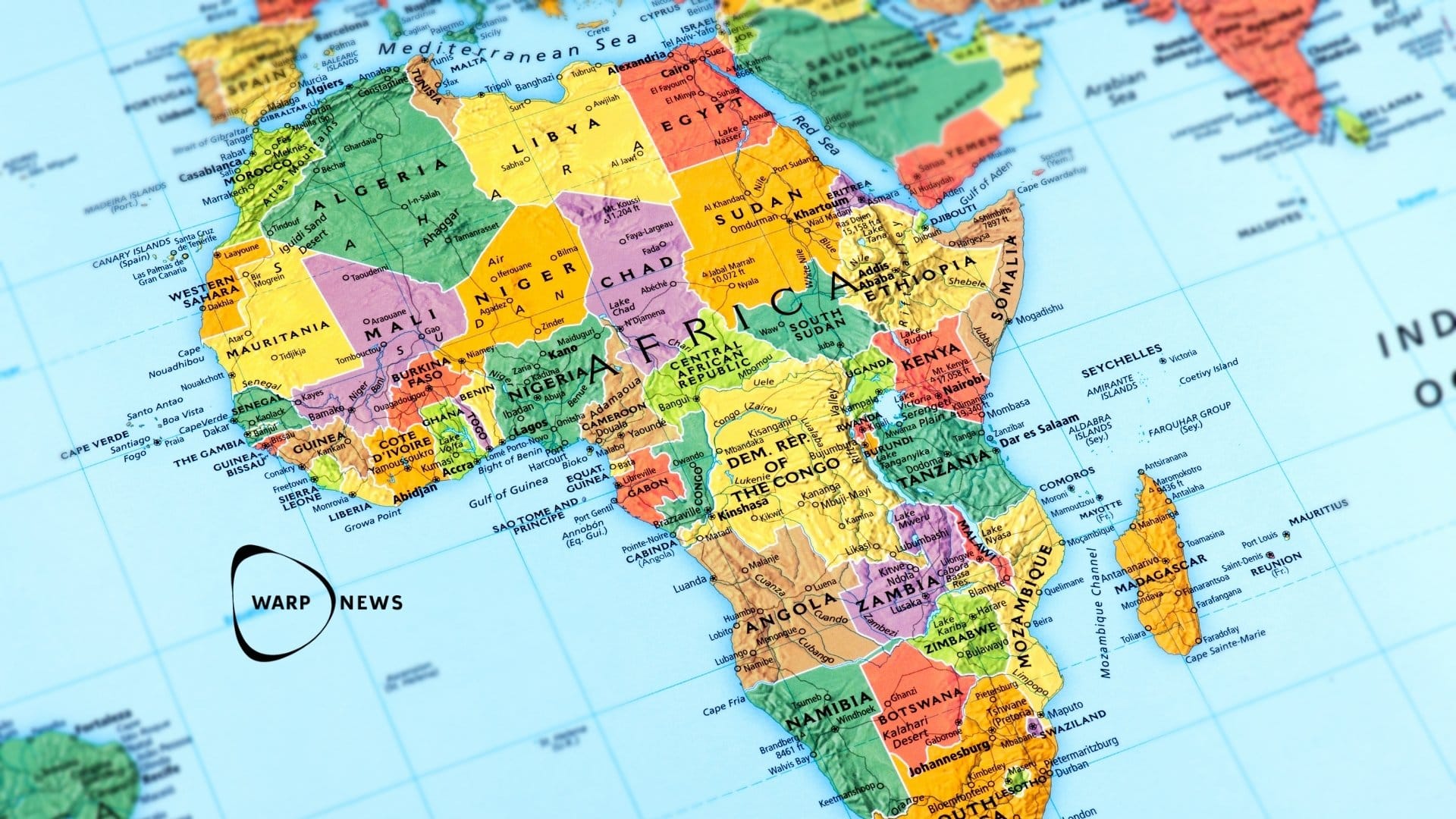
📊 Africa expected to have higher economic growth than Asia for the first time
The IMF predicts that sub-Saharan Africa will grow by 4.4 percent in 2026, compared to Asia's 4.1 percent. Africa's stable outlook is supported by a weak dollar, lower debt pressure and high commodity prices for gold and copper.

🌏 Fewer people than ever before say they are living truly bad lives
33 percent of the world’s adults are now classified as “thriving” according to Gallup’s Wellbeing Index—the highest level in more than a decade. The rise in wellbeing is visible across all demographic groups. Men and women, young and old alike now rate their lives more positively than before.
🌎 Study: Economic growth without increased emissions now a reality in most countries
Countries representing 92 percent of the global economy have now decoupled consumption-based carbon emissions from GDP growth. China's emissions have plateaued over the past 18 months and may have peaked.
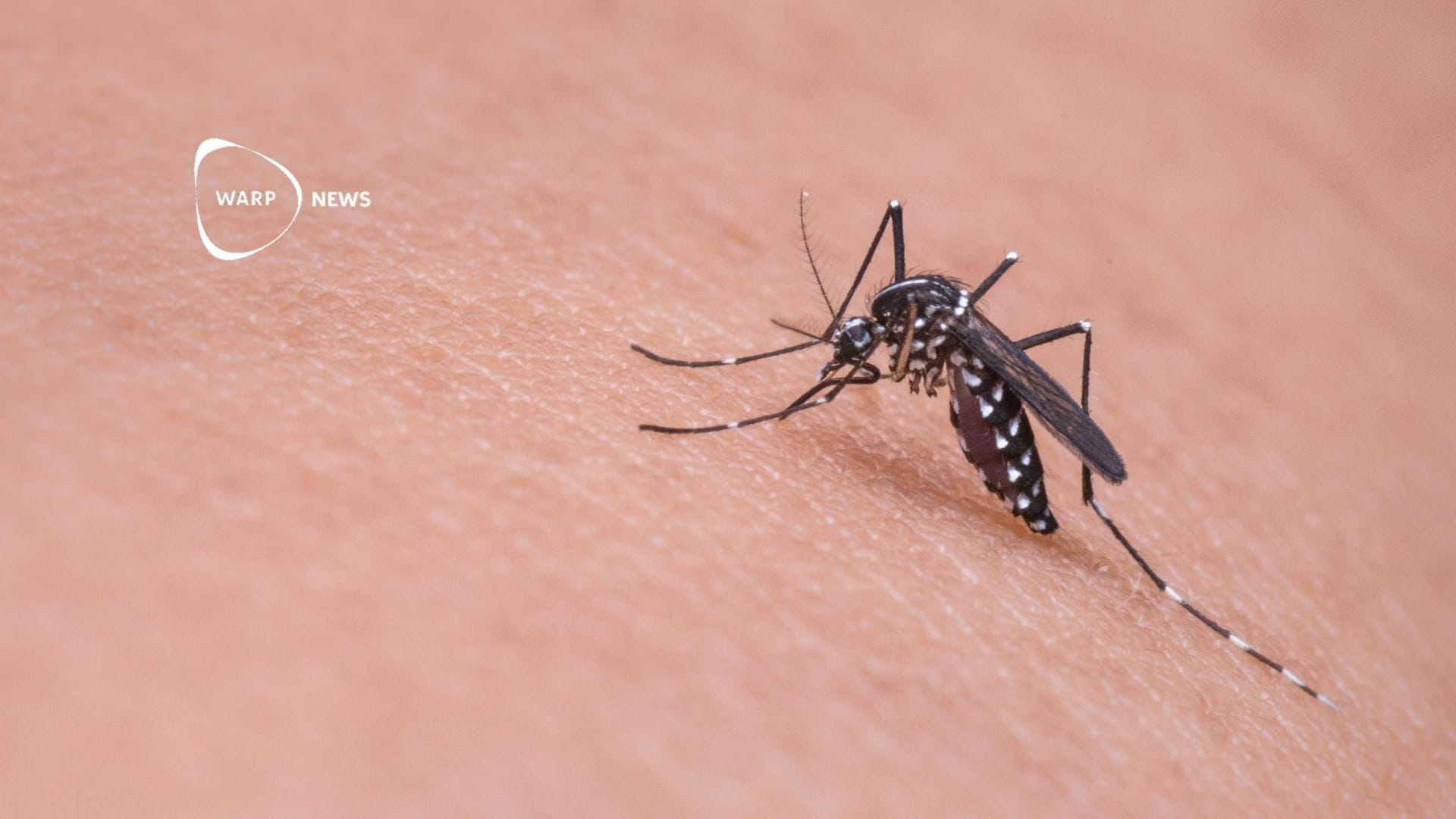
🦟 Scientists succeed in creating mosquitoes that block malaria
Researchers in Tanzania have for the first time in Africa created genetically modified mosquitoes that prevent the malaria parasite from developing. The modified mosquitoes contain naturally occurring molecules from frogs and bees that effectively stop the parasite Plasmodium falciparum.
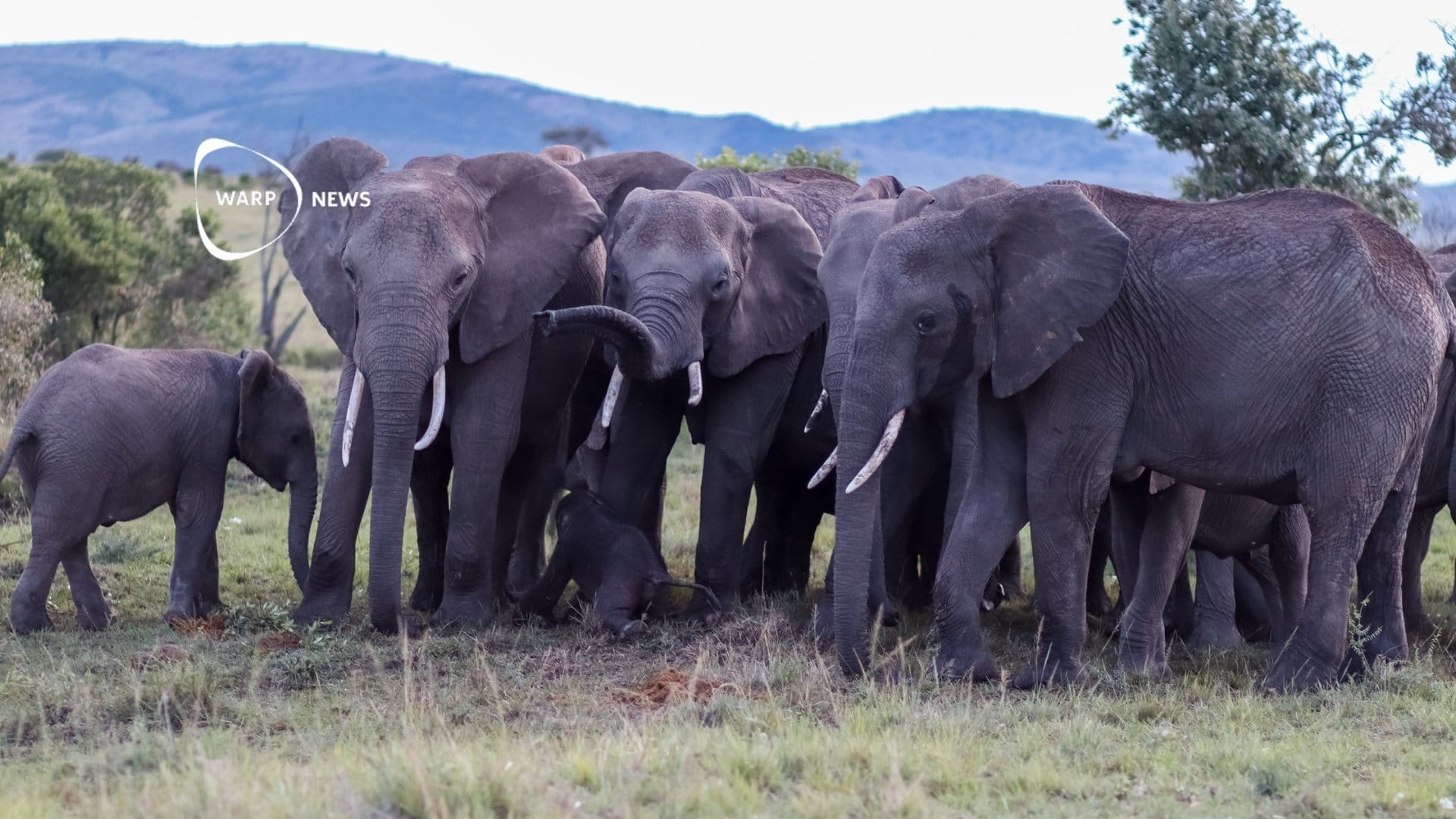
🐘 Number of African forest elephants revised upward by 16 percent
A new report estimates there are 135,690 African forest elephants, an upward revision of 16 percent compared to 2016 figures. Gabon is home to 66 percent of the global population of African forest elephants.
📉 Global carbon dioxide emissions may be close to reaching their peak
Data on greenhouse gas emissions shows a decline during the first months of last year compared to the same period the year before. Solar power and electric vehicles are growing rapidly in several major economies, reducing dependence on fossil fuels.
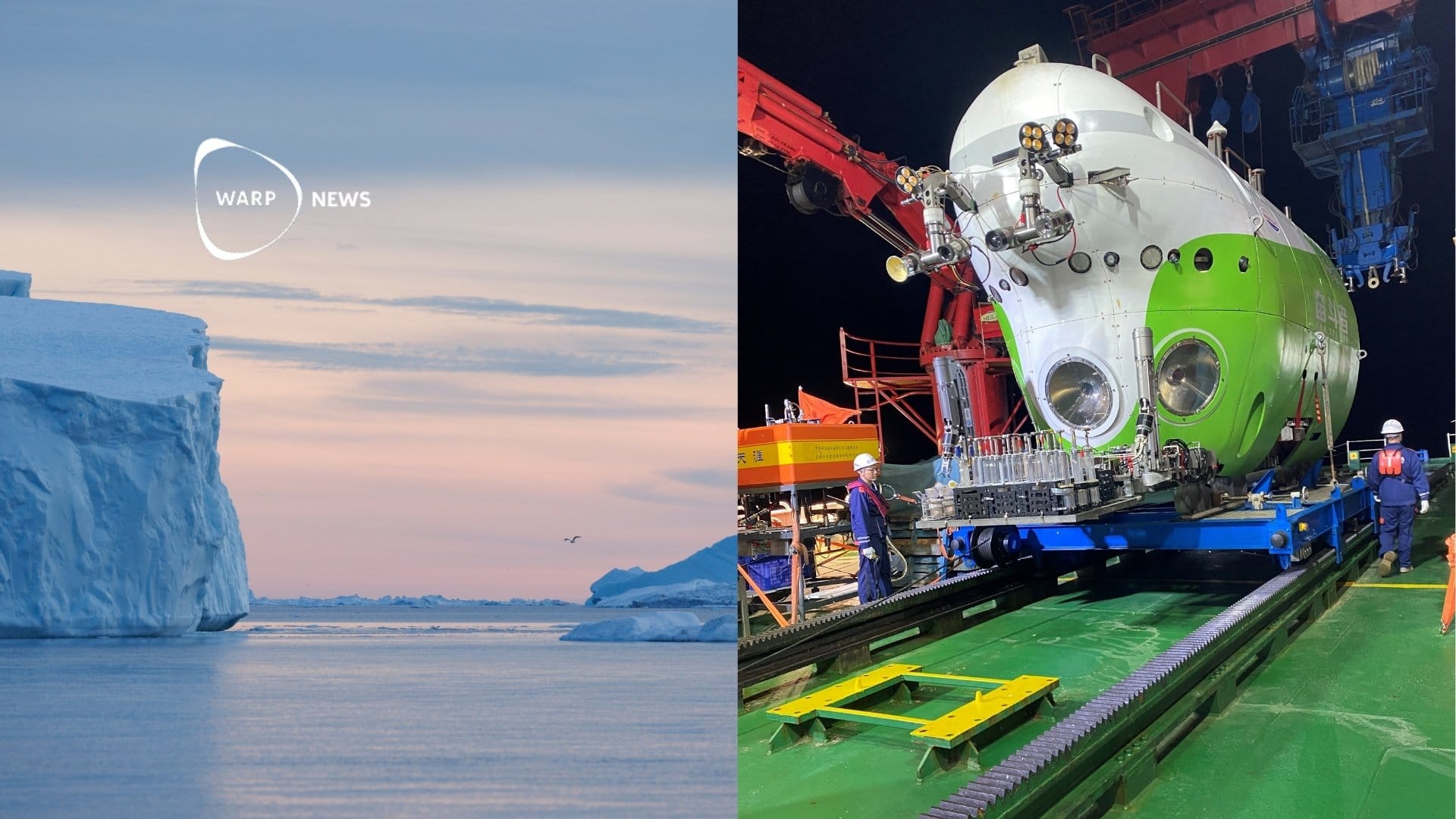
🥶 First visit to remote volcanic ridge beneath the Arctic
The expedition completed over 40 dives to depths of up to 5,277 meters beneath the Arctic sea ice. The area may contain hydrothermal vents that host unique ecosystems without sunlight. It is the first time a crewed submersible has visited the eastern part of the Gakkel Ridge.
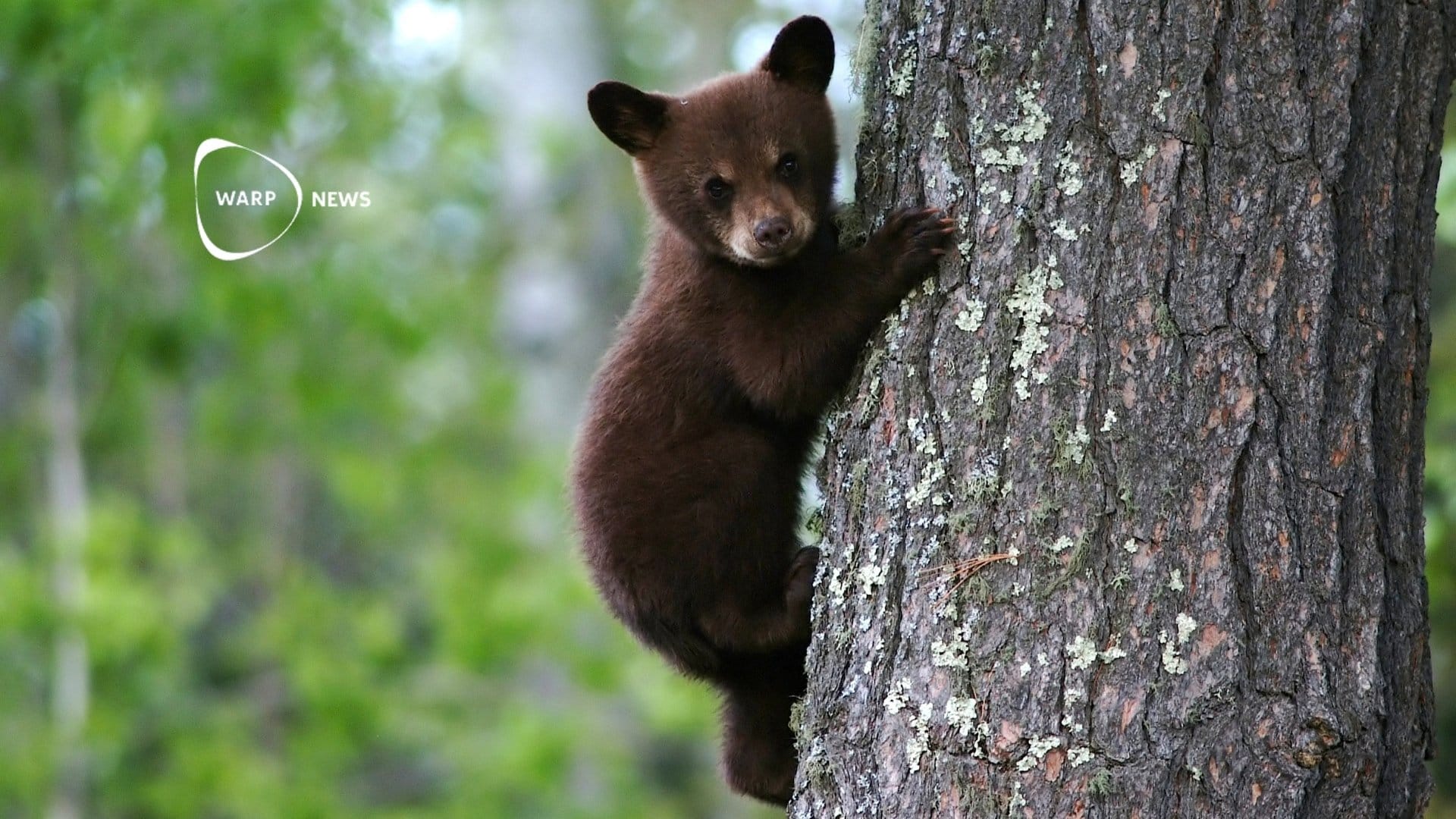
🐺 North America's large carnivores have recovered over the past 50 years
Gray wolves, pumas, black bears, and grizzly bears have made significant comebacks in North America. Black bears have increased by approximately two percent annually since the 1980s and now number over 850,000 individuals.
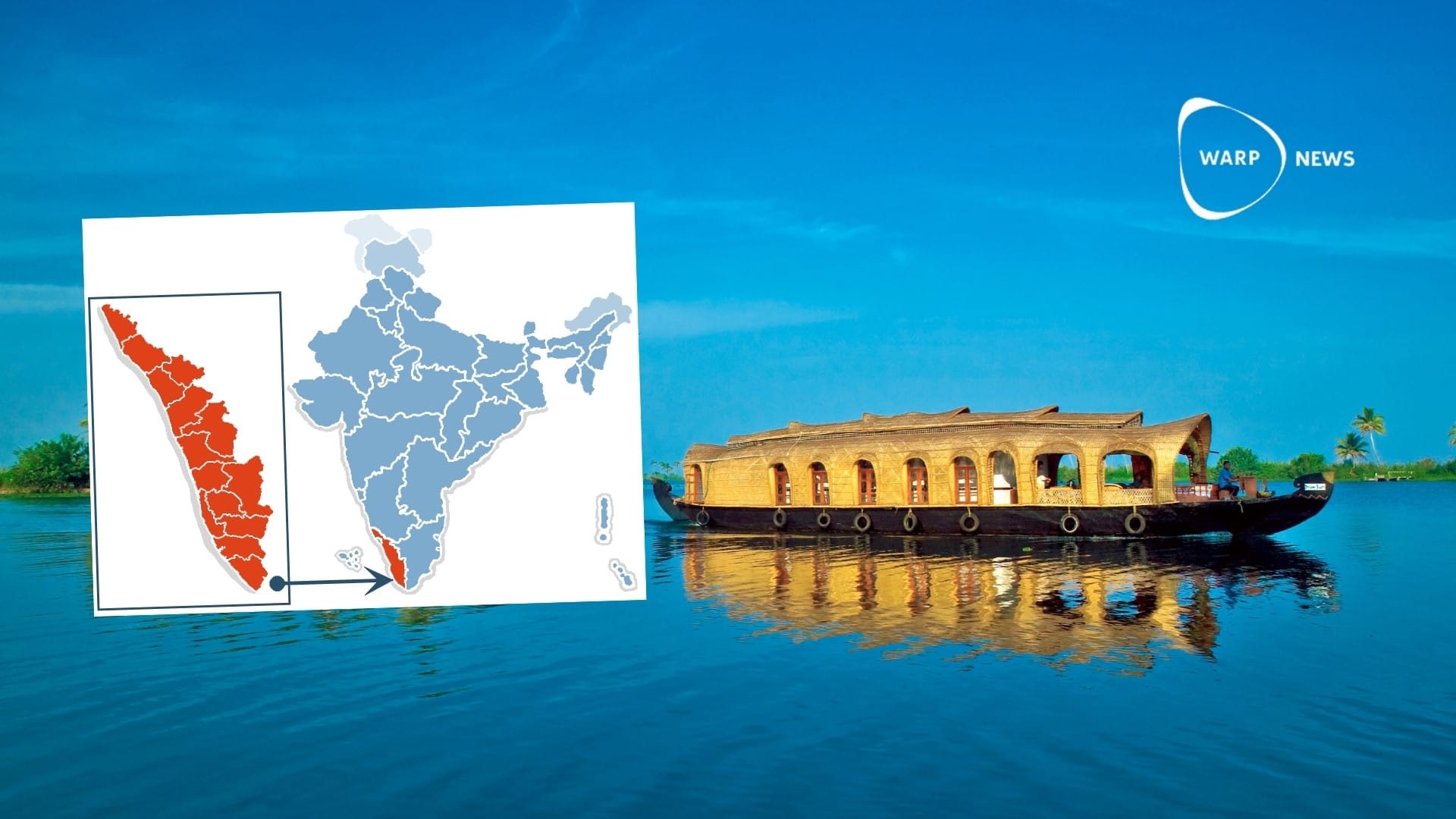
💰 Kerala in India has eliminated extreme poverty
The Indian state of Kerala has reduced poverty from 59.8% in the 1970s to near zero. Kerala has the lowest proportion of multidimensionally poor people in India, with only 0.55% of the population. The result was achieved through investments in health, education, and targeted interventions.