
📈 Human Progress
In the last decades humanity has made great progress with less extreme poverty, increased health, wealth and democracy. We follow in the tradition of professor Hans Rosling.

🛫 More and more Africans are traveling within Africa - the fastest tourism growth in the world
Economic growth and rising prosperity in Africa are enabling more and more Africans to travel within their own continent. The number of tourists visiting African countries grew by almost 8 percent last year, the fastest growth in the world.
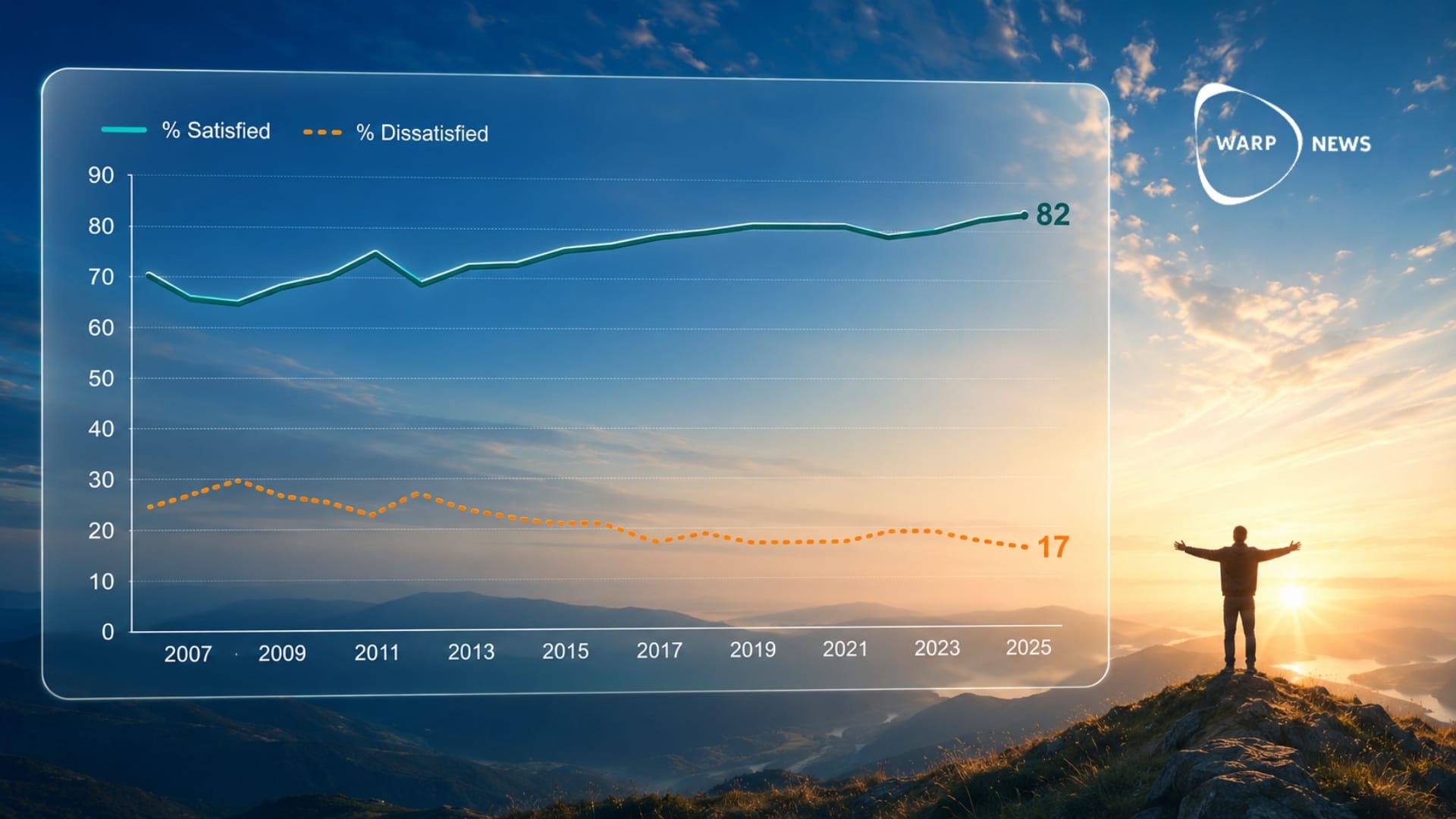
🌏 Globally a record number of people are satisfied with the freedom to shape their lives
82% of adults across 138 countries are satisfied with their freedom to choose what they do with their lives, up from 71% two decades ago. The largest gains are in the Balkans, the Caucasus, and Eastern and Central Europe, where the share of satisfied adults has risen from 49% in 2009 to 82% in 2025.
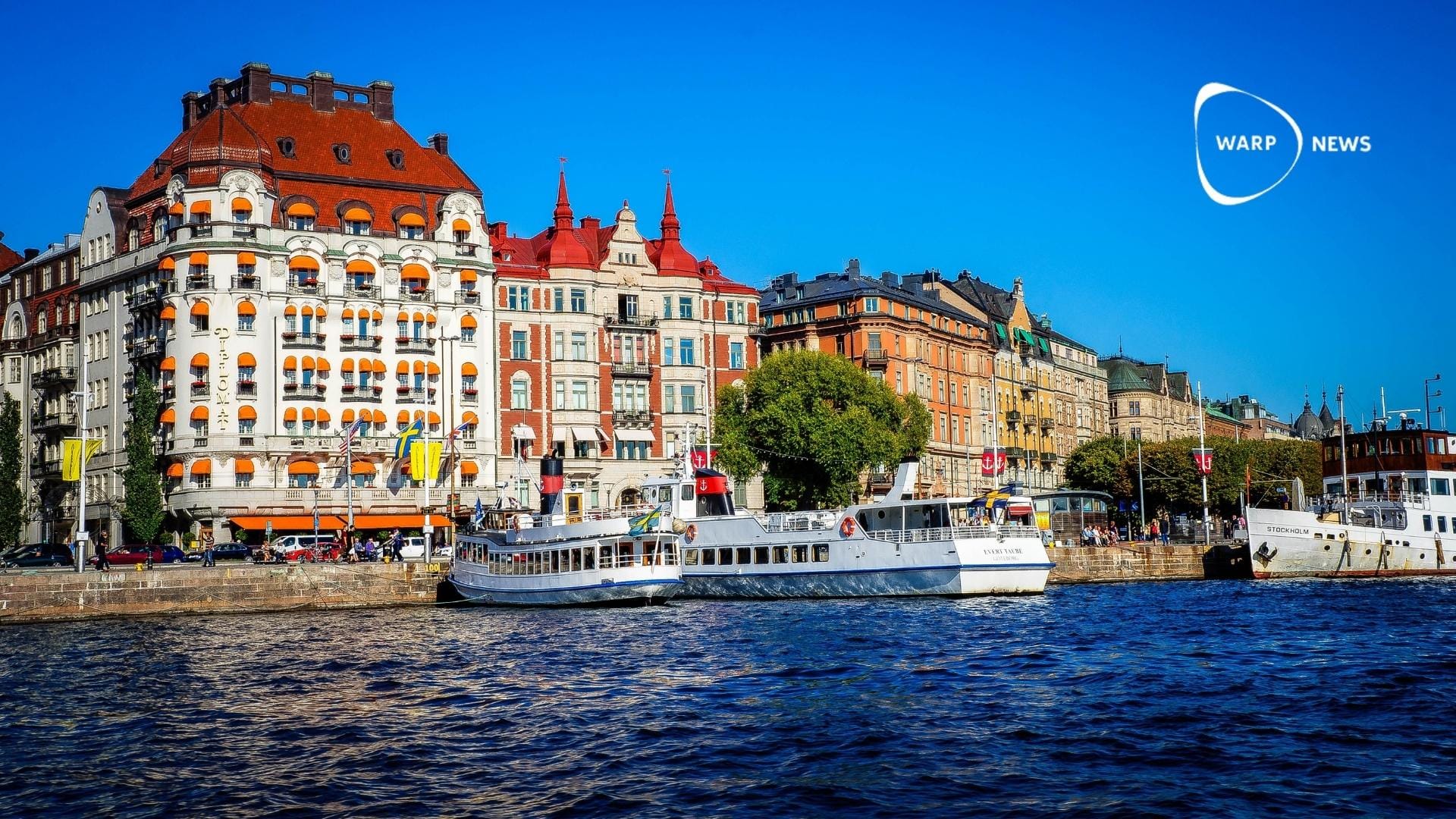
🤑 Swedes have become three times wealthier and also more equal in the 21st century
Median wealth rose by nearly 400 percent between 1999 and 2020. The richest 10 percent reduced their share of total wealth from 67 to 57 percent. The share of adults with no net wealth fell from 21 to 16 percent.

🌐 Present at the Re-creation
Extraordinary times require extraordinary efforts from ordinary people.

🦟 Malaria vaccine has reduced child mortality by 13% in three African countries
A study confirms that the RTS,S vaccine has reduced overall child mortality by 13 percent in Ghana, Kenya and Malawi. The effect was achieved even though only 71 percent of children received three doses and 40 percent received the fourth dose.

🌡️ Research committee that provides input to the IPCC drops the worst climate scenarios
The research committee ScenarioMIP, which develops the climate scenarios that form the basis for the IPCC's reports, has officially classified the previous worst-case scenarios RCP8.5, SSP5-8.5 and SSP3-7.0 as implausible.
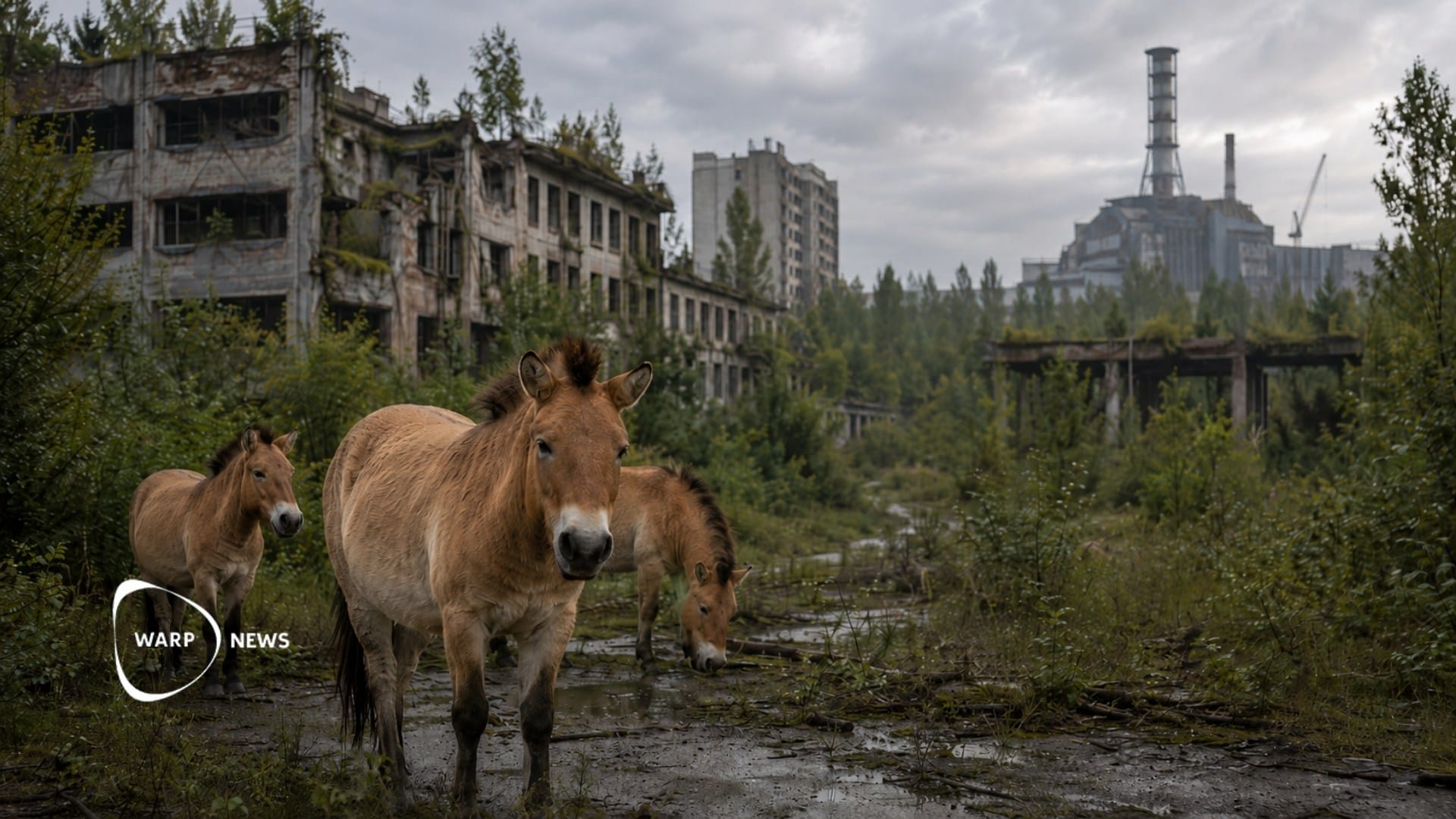
☢️ Forty years after the disaster, Chernobyl teems with wildlife
Forty years after the accident at the nuclear power plant, the area around Chernobyl remains too dangerous for human habitation. But the wildlife has moved back in. Przewalski's horses, wolves, bears, lynx, moose, and red deer roam freely in the Chernobyl zone.

📉 WeightWatchers filed for bankruptcy because people lost too much weight
WeightWatchers did not fail because people stopped wanting to lose weight. It failed because they did lose weight, but in a different way. A way that points to a coming health revolution.

🤰 Teenage pregnancy rates have fallen sharply across the world
Globally, the number of births among teenage girls has fallen by over one-third since 2000. In Central and South Asia, the figure has dropped by over three-quarters during the same period. The decline is seen across all regions of the world, according to data from the UN.