
📈 Human Progress
In the last decades humanity has made great progress with less extreme poverty, increased health, wealth and democracy. We follow in the tradition of professor Hans Rosling.
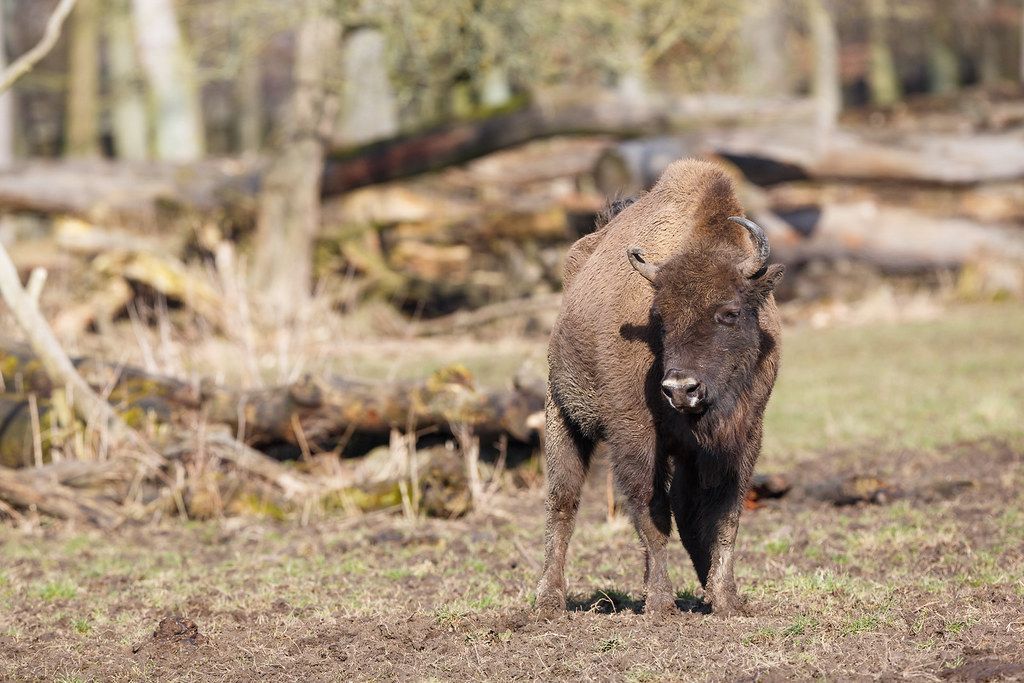
🦬 Wild bison reintroduced in England - after thousands of years
European bison, closely related to the American bison, have been nearly eradicated in Europe. Now a small herd of oxen is being reintroduced into the English wilderness, and the idea is that they will transform the heavily commercialized forest into a vibrant forest landscape.
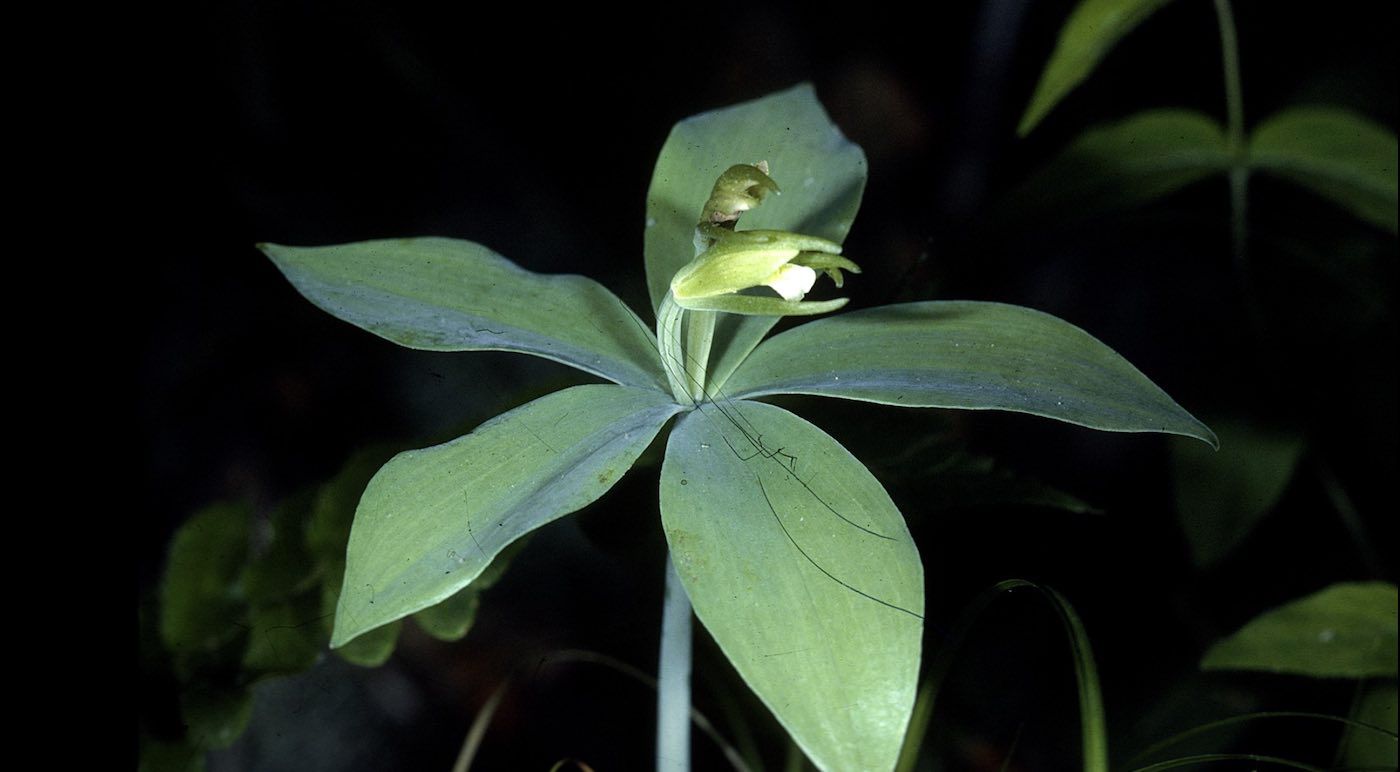
🌸 Rare orchid thought to be extinct is rediscovered
Since 1902, a rare orchid has been thought to be extinct but now, botanists in Vermont have rediscovered a population of the flower.
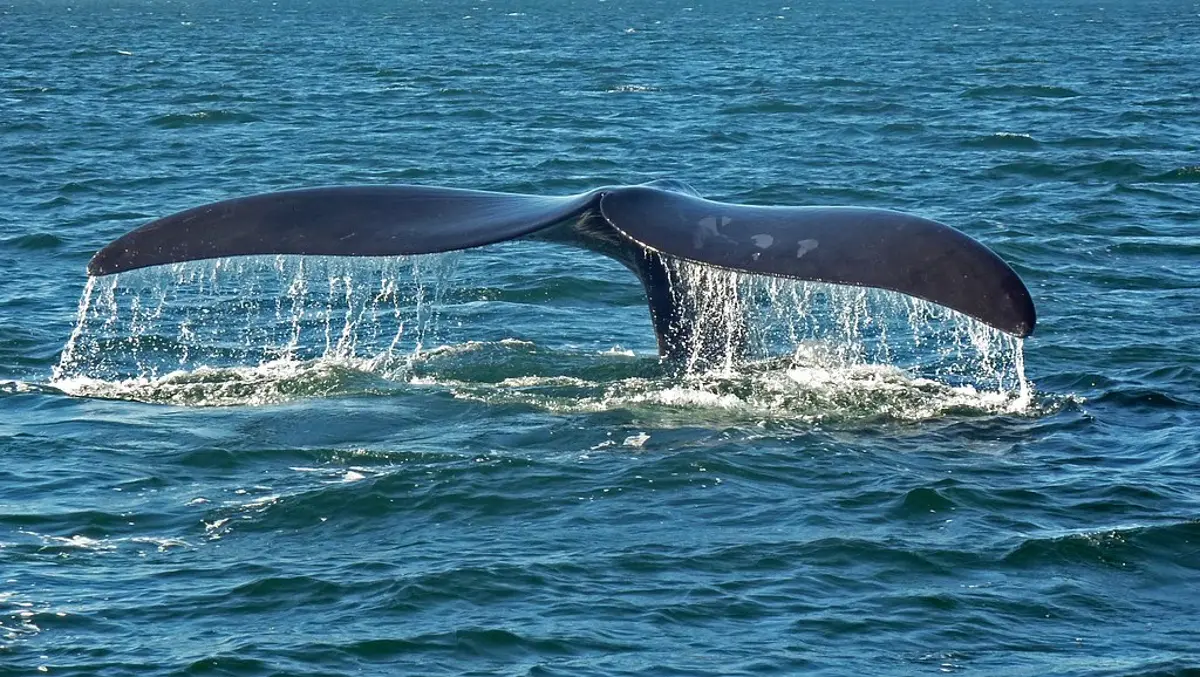
🐳 150 Fin Whales spotted off Antarctica
The first observation of fin whales feeding en masse off Antarctica’s Elephant Island has been documented.

🗳️ The Age of Communities
Central institutions such as governments dominate the world, because they have solved two problems: Lack of information and the difficulty for many to people to vote all the time. Thanks to the internet, these problems are solved, and we can give more power directly to people.

🪸 Belize barrier reef comes back to life
A decade-long conservation project helps Belize’s coral reefs come back after the devastating hurricane Iris hit back in 2001.
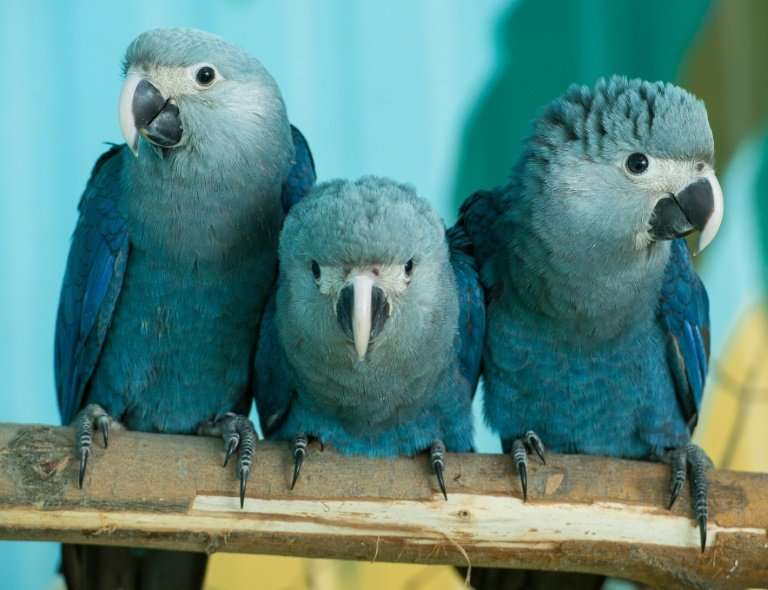
🦜 Back from the brink of extinction: Spix's macaws
20 years ago, the last Spix’s Macaw was seen in the wild. Now the tide has turned. In a few days the bird will be reinstated in a reserve.
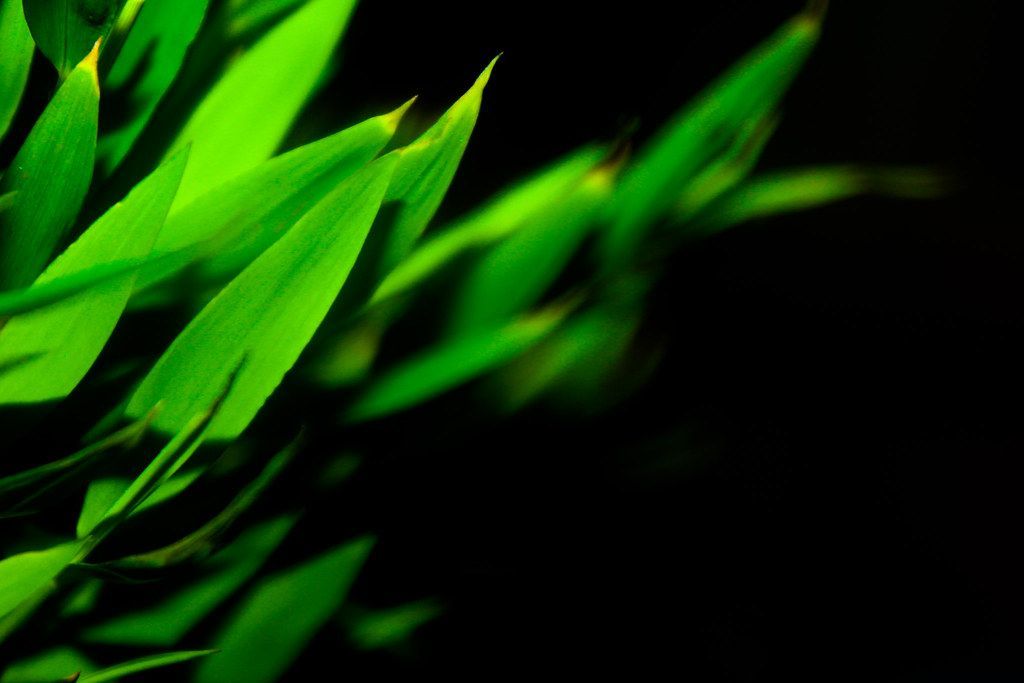
🌱 Artificial photosynthesis - grow food without sunlight
Researchers have developed a method for growing crops without sunlight, through artificial photosynthesis. In some cases, efficiency increased by 18 times, and the method is expected to revolutionize the management of climate change as well as space exploration.
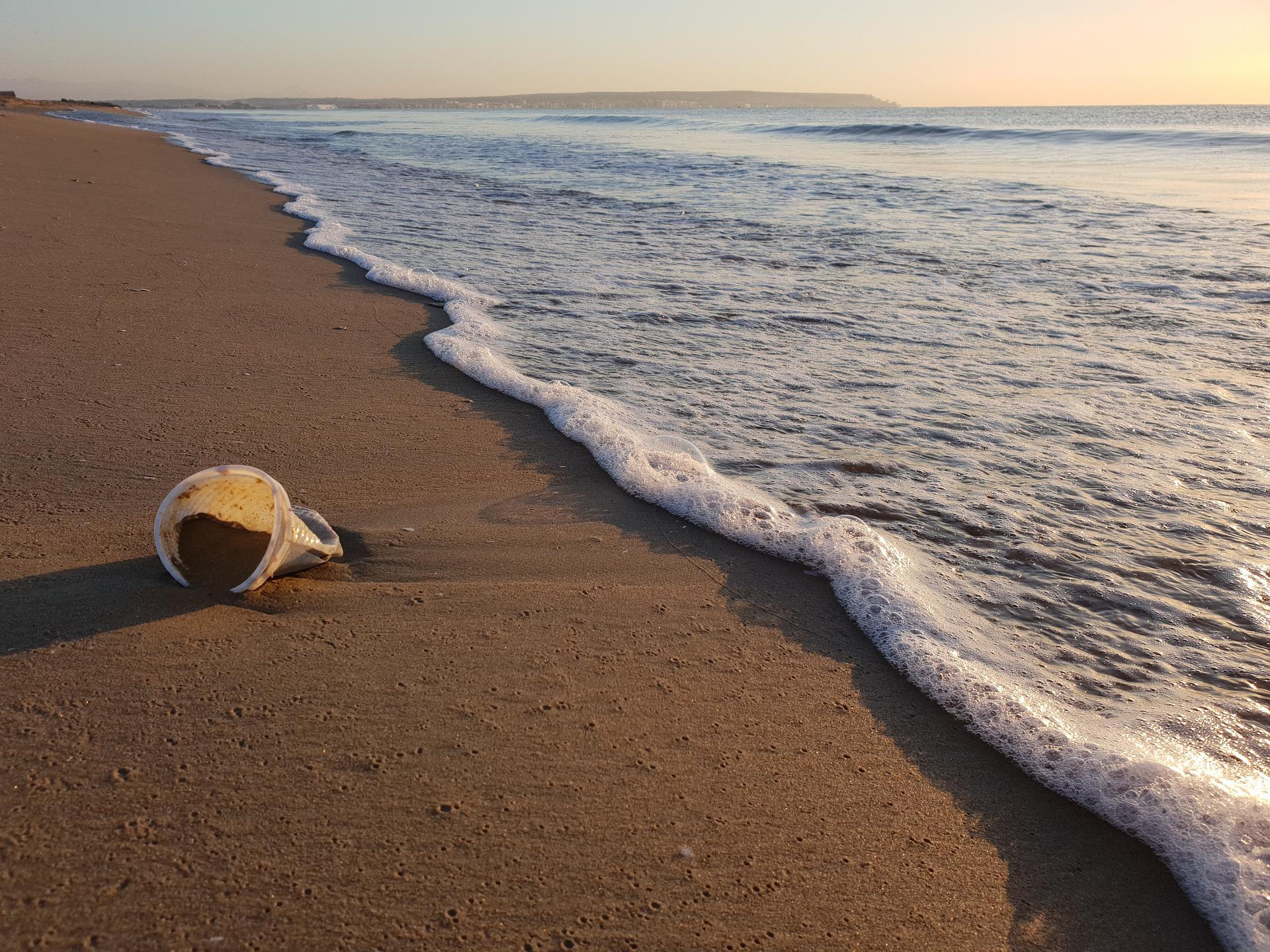
🥤 Plastic waste on the beaches of Australia has decreased by almost a third
With simple measures such as raising awareness and increasing the fine for littering, Australian authorities have succeeded in reducing the littering of beaches.

📚 New York libraries are giving away 500,000 books
This summer, New York Libraries are giving away 500 000 books to keep kids engaged.