
📈 Human Progress
In the last decades humanity has made great progress with less extreme poverty, increased health, wealth and democracy. We follow in the tradition of professor Hans Rosling.
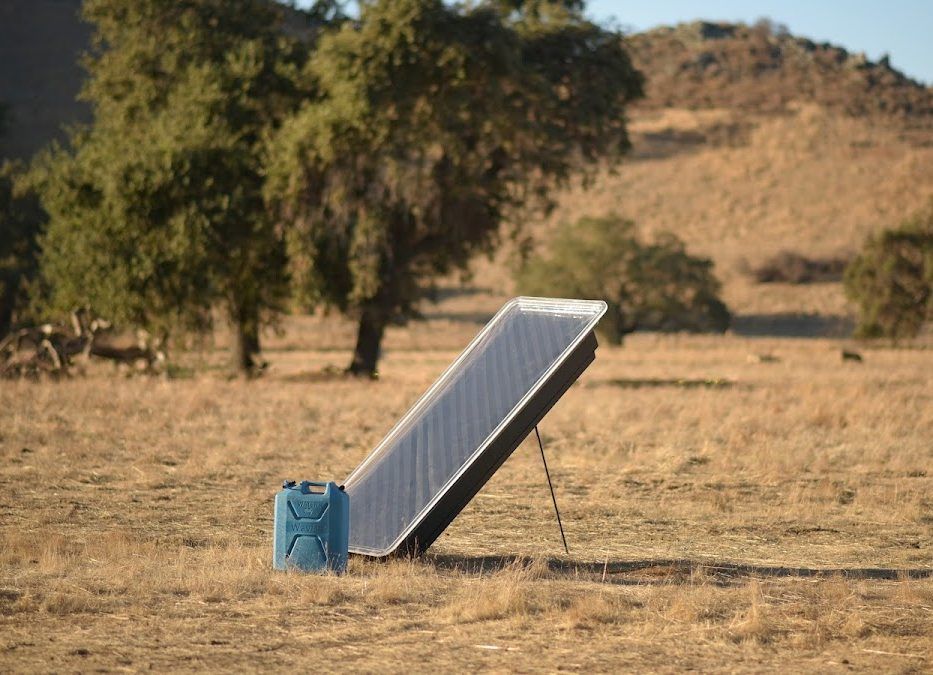
🚰 Alphabet turns technology into open-source
Alphabet turns their inexpensive water harvester into open-source, speeding up the process of providing people technology for producing clean drinking water.
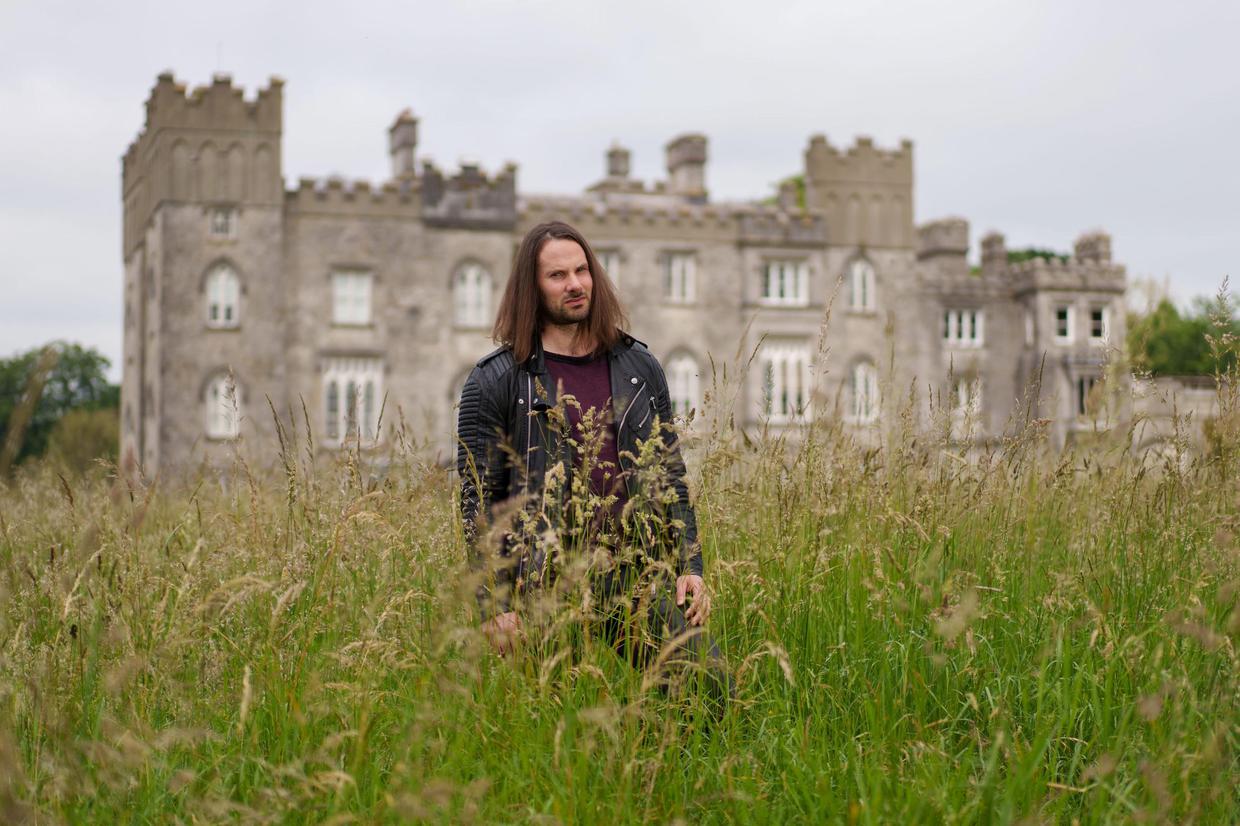
🏰 Estate in Ireland turns into nature preserve
Eight years ago, an Irish Baron turned his 750 acres of land into a nature preserve and now the area is teeming with wildlife.
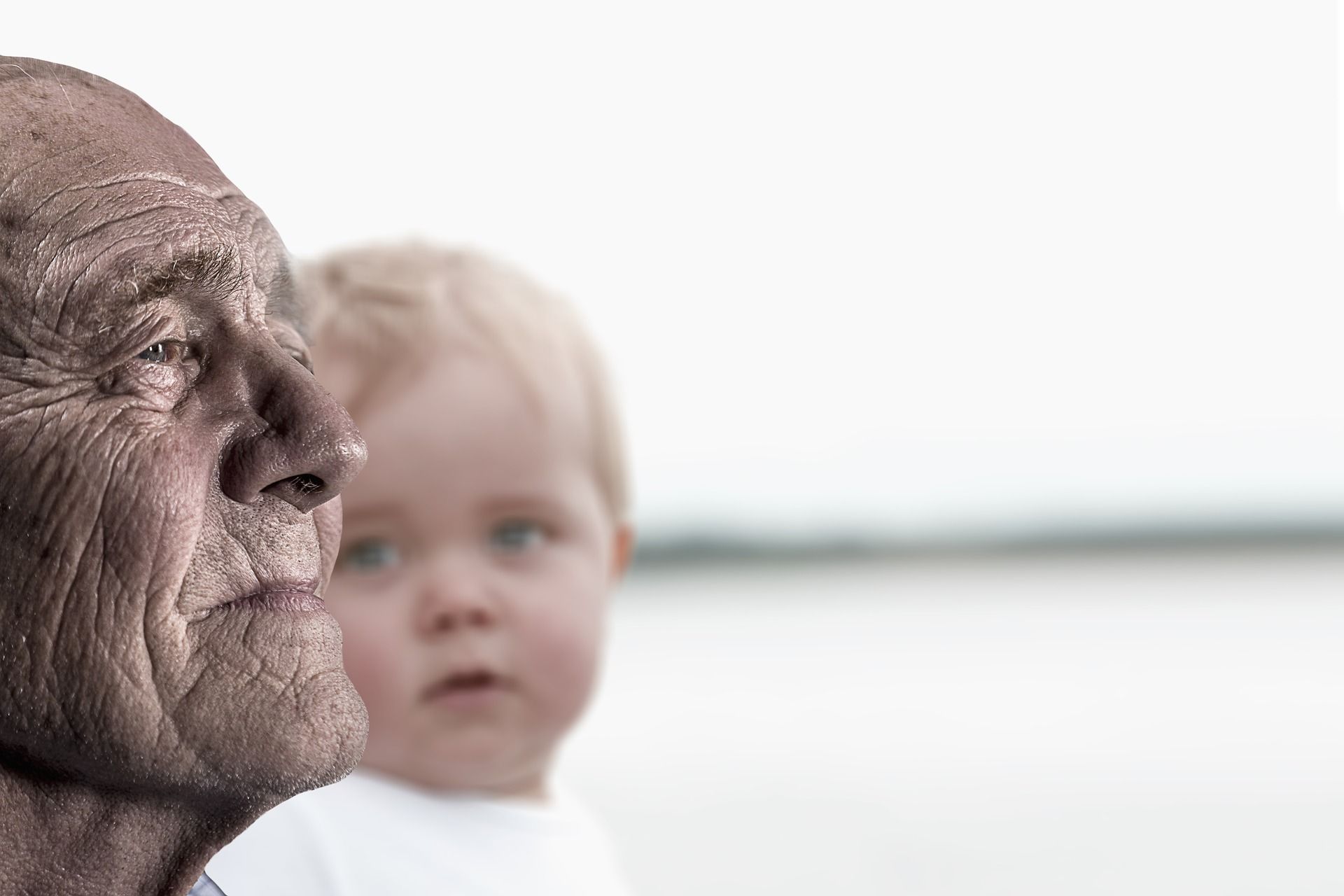
👨🦳There is no limit to how long we can live
Statistical studies indicate that there is no natural law that determines how old we can get to the maximum.
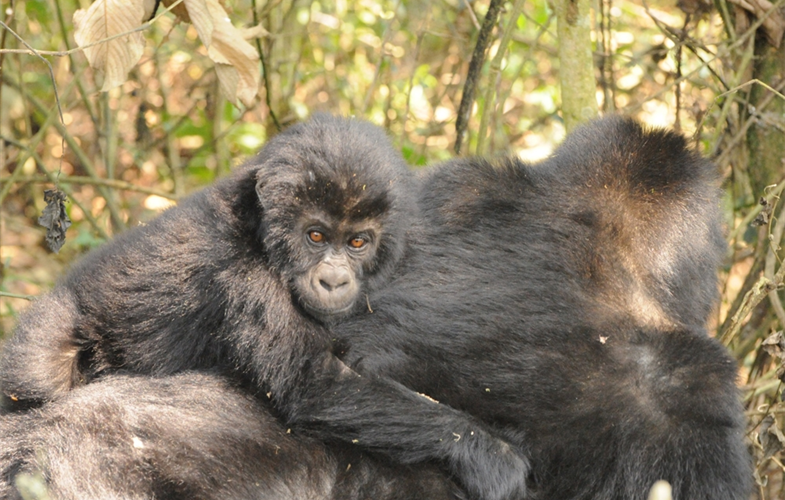
🦍 New hope for the gorillas of Congo
Better protection against poaching and logging gives Grauer's gorilla a better chance of escaping extinction.
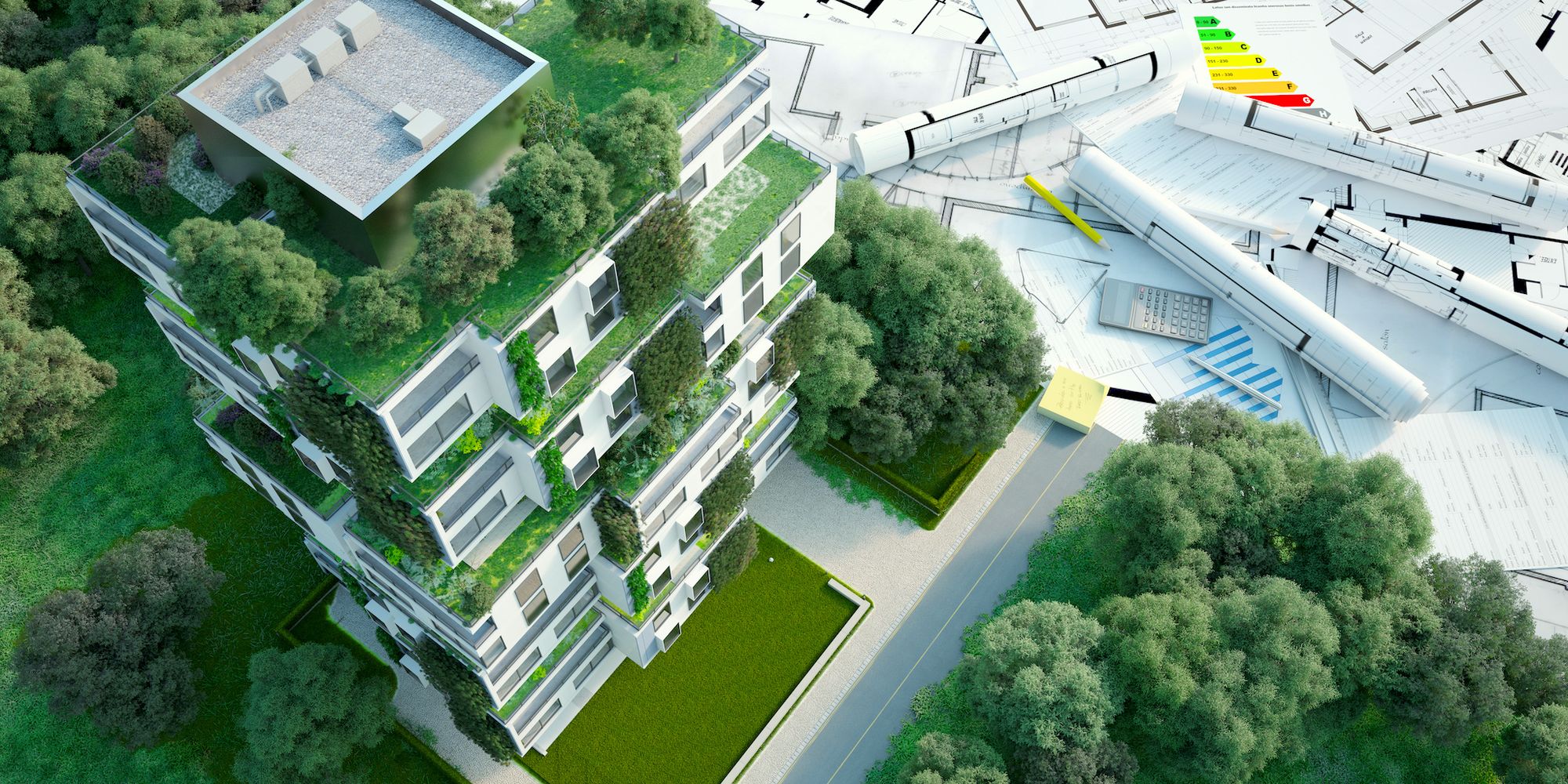
🌆 The City of the Future is Green and Compact
Have you ever heard about the 15-minute city model? This is a model of a city built with livable, green, compact microcells where all essential services are guaranteed and easily reachable on foot or by bike.
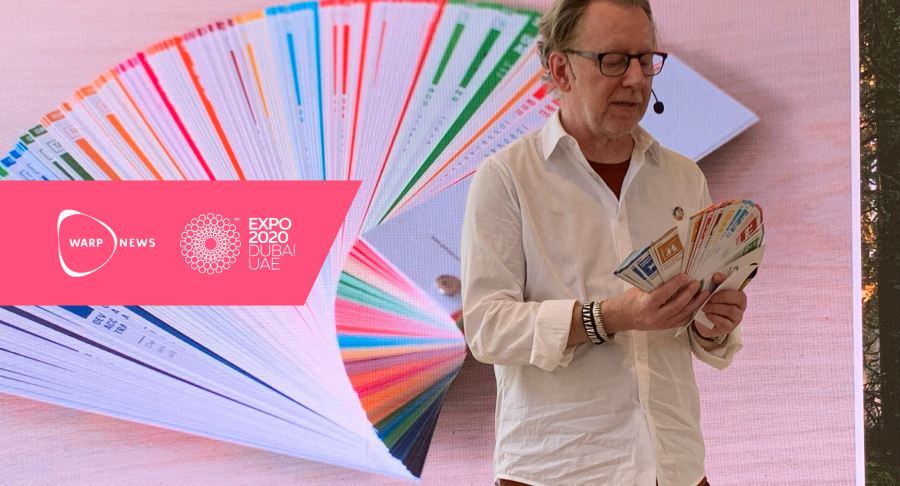
🇺🇳 How he created the graphical profile for the UN's sustainability goals
His name is Jakob Trollbäck, the man who created the iconic graphical profile for the UN's sustainability goals. Warp News met him at the World's Fair in Dubai.
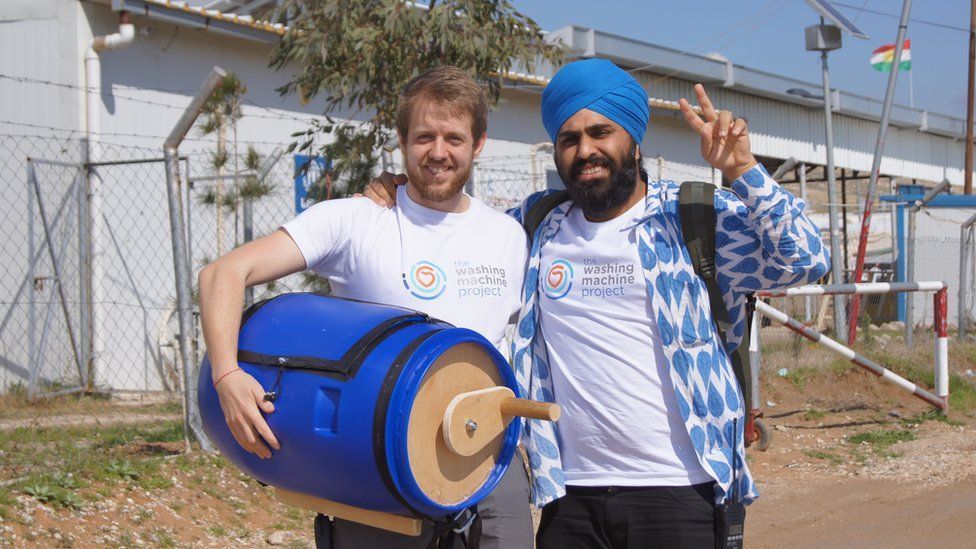
🧺 Here is the washing machine that does not require electricity
Navjot Sawhney has invented a washing machine that does not require any electricity and provides the opportunity for clean clothes without labor-intensive hand washing - even in areas outside the electricity grid.
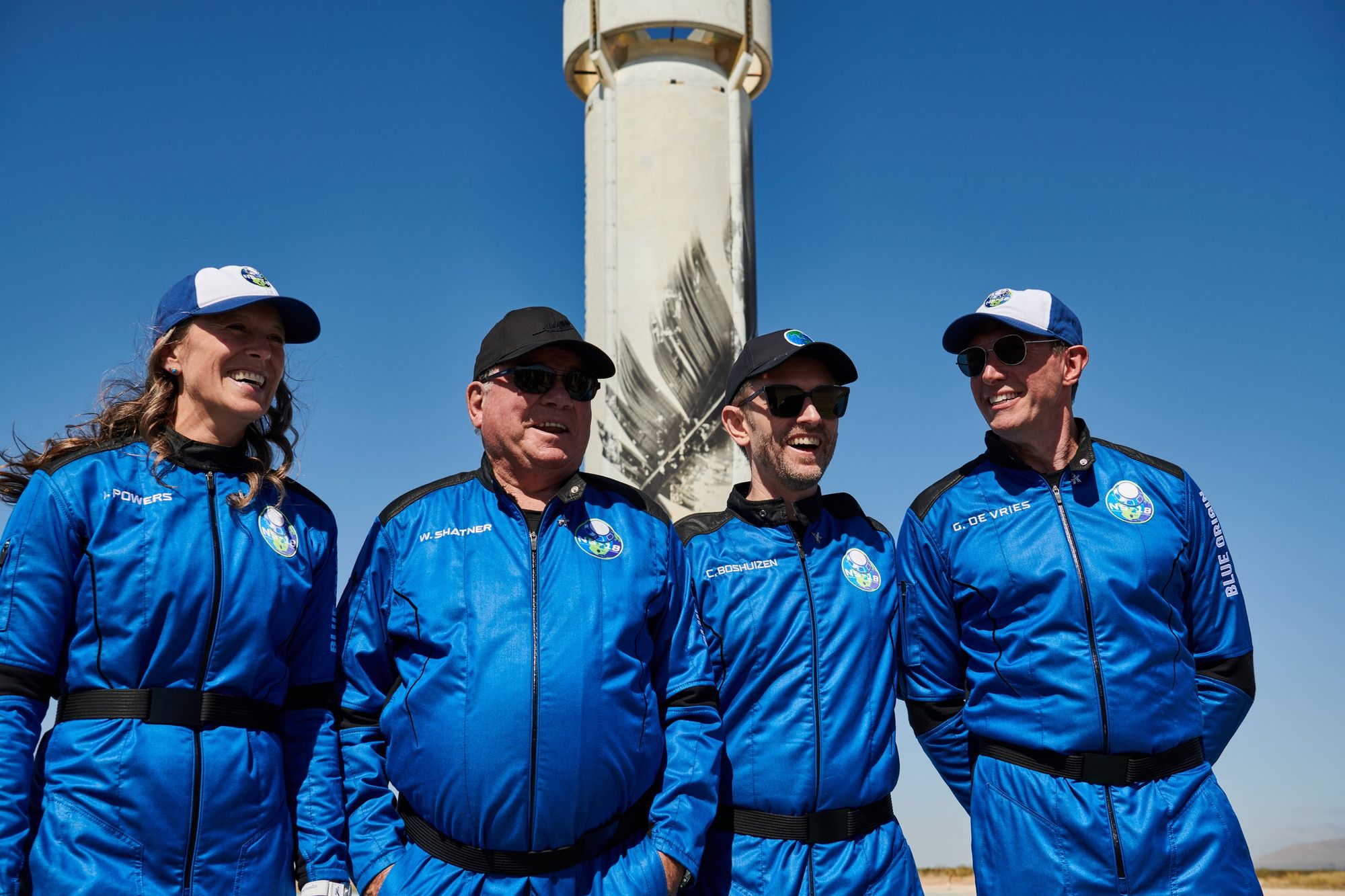
🖖 Star trek hero overwhelmed after space voyage
Captain Kirk goes to space, breaking a record and returning with a new admiration for our green earth.
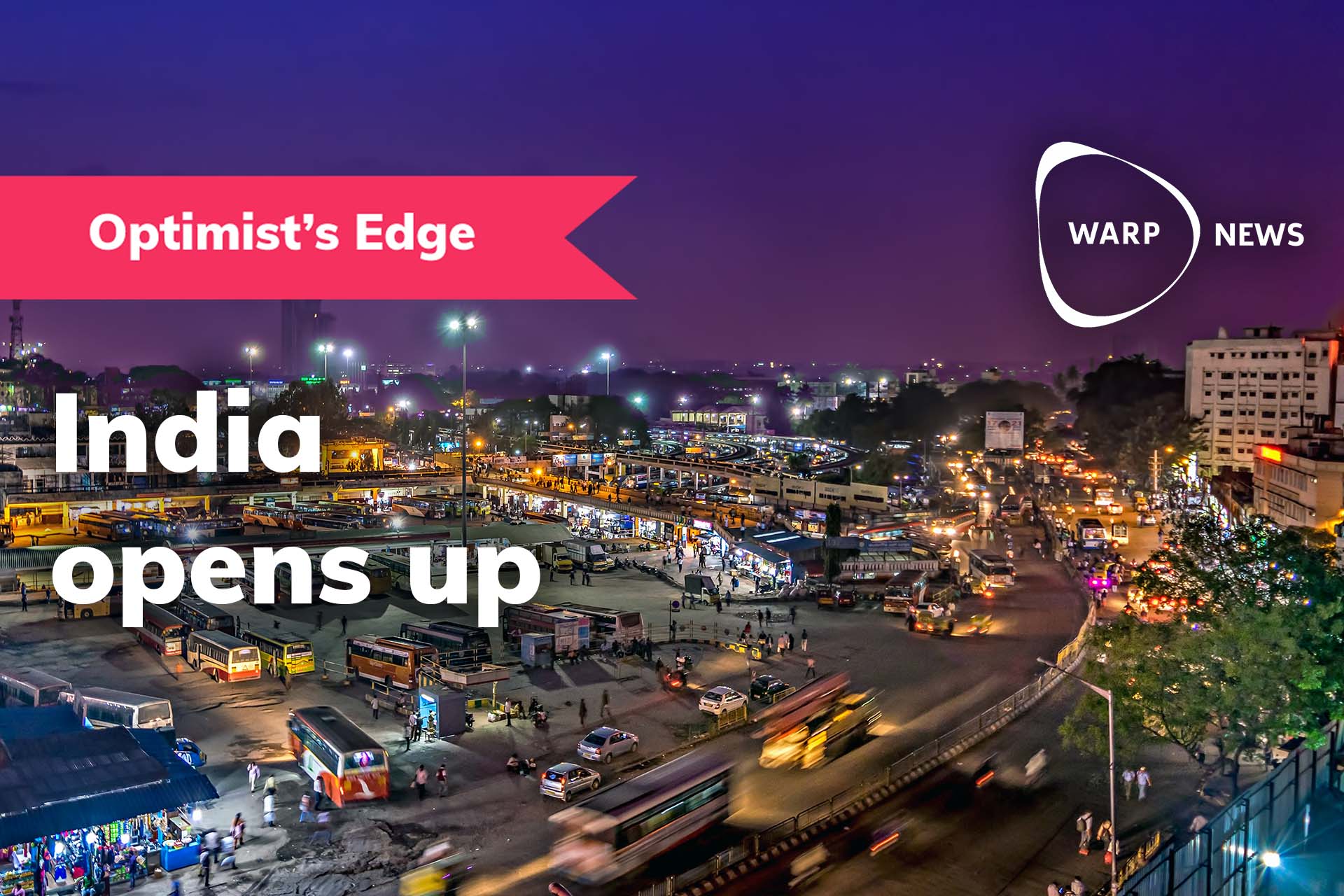
🇮🇳 Optimist's Edge: Billions at stake when India opens up – what will be your role?
India is considered cumbersome and expensive to trade with. But that may be about to change when the free trade agreement is on the agenda again after several years delay.