
📈 Human Progress
In the last decades humanity has made great progress with less extreme poverty, increased health, wealth and democracy. We follow in the tradition of professor Hans Rosling.

⚡ Ethereum is releasing an update that will help decrease energy use
The cryptocurrency Ethereum is about to be upgraded and become "proof of stake." This will mean a significant reduction in energy consumption in the network and is therefore considered a benefit for the environment.

📱 This app recognizes what bird is singing
This app can recognize different bird songs with nearly 100 percent accuracy. The developers hope that the users will fall in love with birds and become conservationists.

💎Scientists have created a time crystal that dodges physical laws
A system of particles that move without producing or consuming energy, in perpetuity. Does that sound strange? This is exactly what scientists have created in a quantum computer.

🕒 New theory can make Warp Drives possible – this is how
Warp Drives, the ability to travel faster than the speed of light, is a holy grail of human development. Physicist Erik Lentz has published an article that offers a solution that could move Warp Drives from the theoretically impossible to the possible.

📚 Book Dash makes books more accessible to kids in South Africa
A non-profit organization in South Africa called Book Dash wants all kids to have access to books. They are providing stories to kids by using an innovative book creation model.

🏙 The city Basel makes urban green spaces mandatory for future projects
The city of Basel figured out how to implement greenery into the urban space - by making it mandatory for new buildings.

👫 Gap between men and women in science is closing
There is a gender gap in scientific publishing, but this gap is closing in most fields.
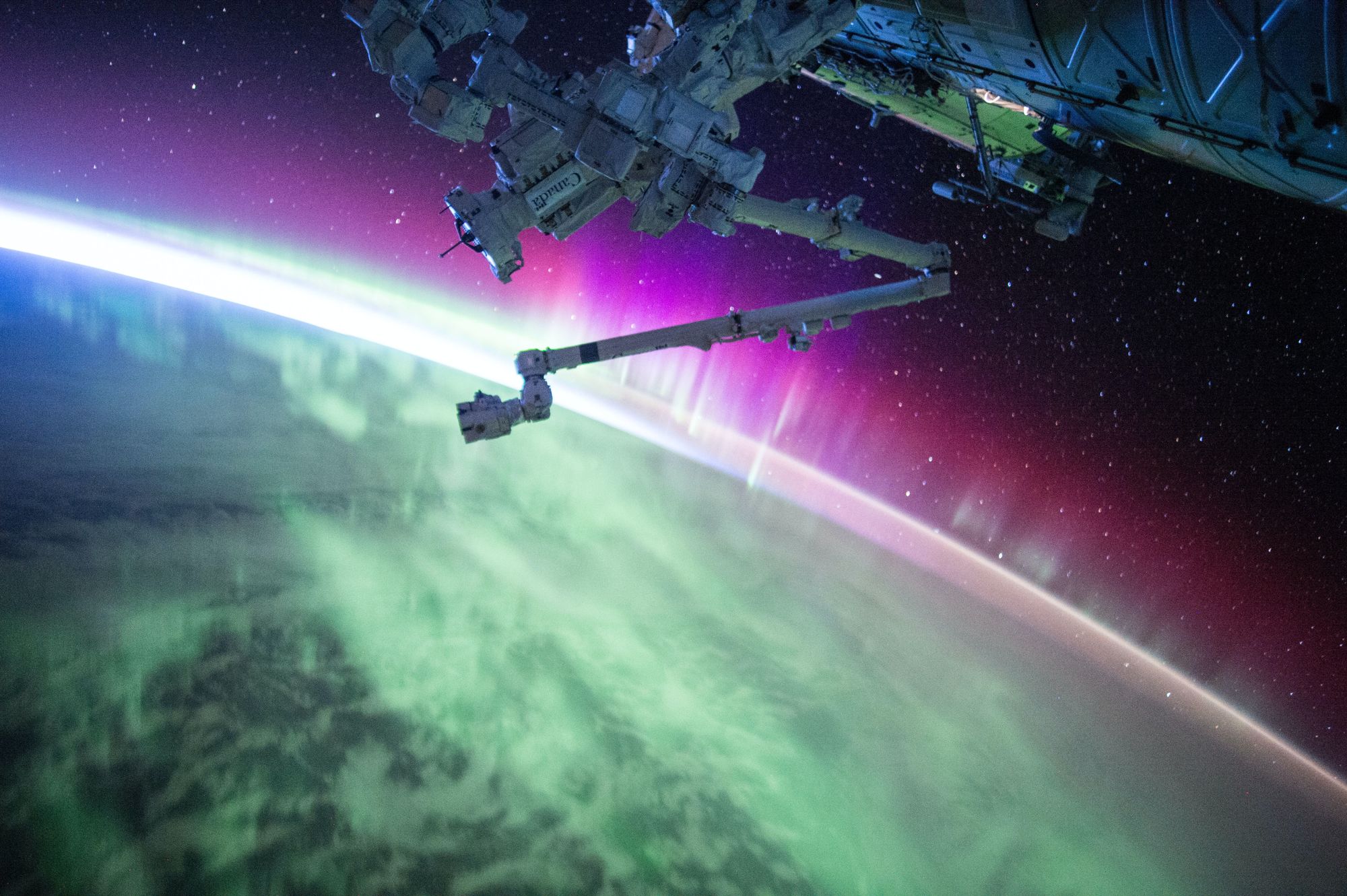
🦟 Satellites help predict outbreaks of diseases
20 years ago, foreseeing diseases would be seen as science fiction, but today it is a reality. Through a combination of satellite data and models, researchers can predict outbreaks of mosquito-borne diseases weeks in advance.

🌌Scientists has solved a star-formation mystery
In some galaxies, stars form at a much slower rate than others. Why this is the case has eluded researchers for 20 years. Now we have the answer, thanks to a research team from Cambridge University, among others.