
📈 Human Progress
In the last decades humanity has made great progress with less extreme poverty, increased health, wealth and democracy. We follow in the tradition of professor Hans Rosling.

🚰 Nearly one billion people have gained access to clean water in the past nine years
Access to clean drinking water at home has increased from 3.8 to 5.5 billion people over 22 years and by 961 million in the past nine years.

🧒 Child poverty decreases in EU
Housing situation for children has improved and differences between EU countries are decreasing.

💰 Poverty has decreased by 13 million people in Mexico
The share of the population living in poverty has dropped from 41.9 percent to 29.6 percent.

💖 Risk of dying from cardiovascular disease has decreased by 75% since 1950
Medical advances in drugs, surgery and emergency care have significantly improved survival. Public health efforts have reduced risk factors such as smoking and high cholesterol.

🐠 Coral believed extinct rediscovered after 24 years in Galápagos
Scientists have rediscovered over 250 healthy colonies of the coral species Rhizopsammia wellingtoni in waters around the Galápagos Islands. The coral had not been observed by researchers since 2000 and was classified as critically endangered and possibly extinct in 2007.

💰 Argentina's urban poverty drops to lowest level since 2018
Poverty in Argentina's cities fell to 31.6 percent in the first half of 2025, the lowest level since 2018. Extreme poverty decreased from 18.2 percent to 7.4 percent in one year.
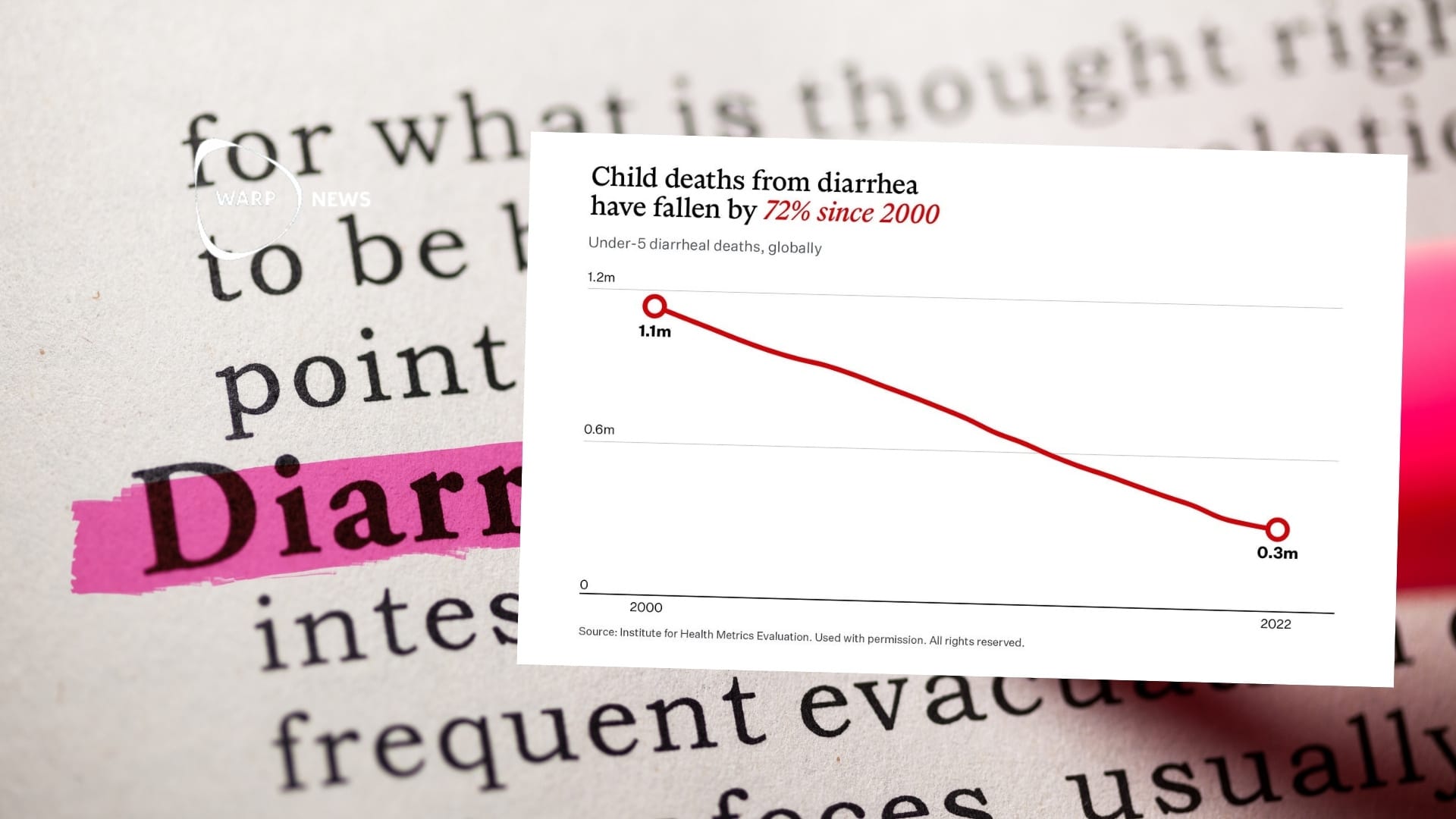
📉 Diarrhea-related deaths among children reduced by 72 percent in 25 years
Deaths from diarrhea among children under five have dropped from 3.1 million annually in 1997 to 340,000 today. Rotavirus vaccines that cost $200 per dose in the 2000s now cost about one dollar. Since 1990, 2.6 billion people have gained access to safe drinking water.

🍔 American kids and teenagers eat less fast food
Children and teenagers between 2 and 19 years old consumed 11.4 percent of their daily calories from fast food in 2023. This is a decrease from nearly 14 percent during 2013 and 2014 according to CDC data.

🏭 Air pollutant emissions decrease significantly within the EU
All air pollutants had lower emissions in 2023 than in 2005, according to new report. Sulfur emissions decreased the most of all pollutants, down 95 percent since 1990 and by 14 percent since last year.