
📈 Human Progress
In the last decades humanity has made great progress with less extreme poverty, increased health, wealth and democracy. We follow in the tradition of professor Hans Rosling.
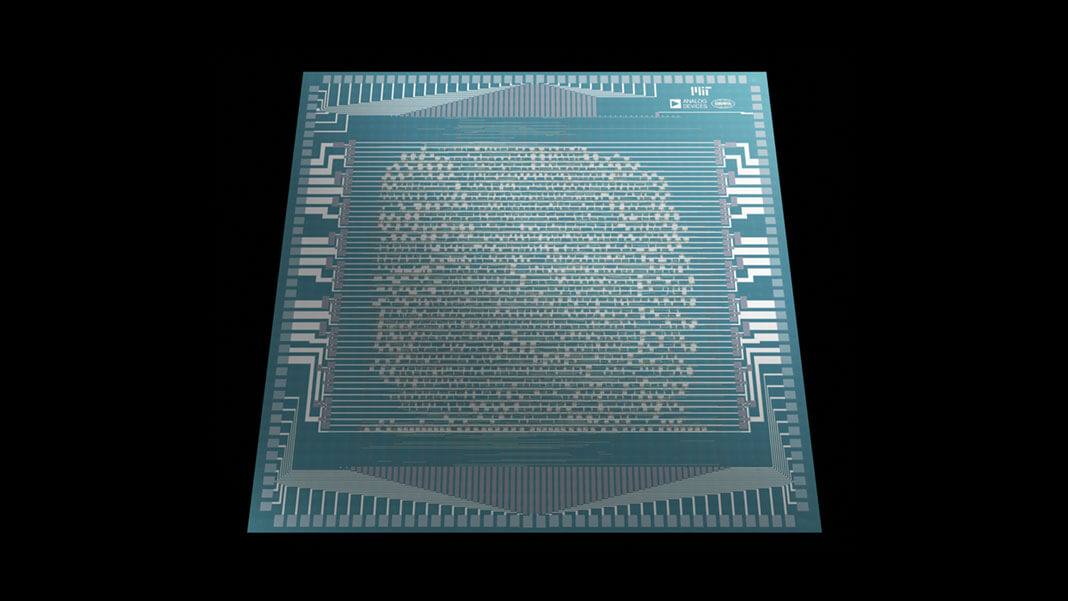
Silicon Is Reaching its Limits. Up Next: Carbon Nanotubes
Silicon has powered the information age, but it’s reaching its physical limits. Carbon nanotubes (CNTs) hold a lot of promise as a replacement if we can get around some key obstacles—and the designers of a new chip seem to have done just that. For decades computer power steadily

Alphabet Releases Its Master Plan for Toronto’s New Smart City
Ever dreamed of living in a giant experiment? If so, Toronto may be the city for you. Sidewalk Labs has released blueprints for its proposed waterfront smart city and, depending who you ask, it’s either going to be the pinnacle of modern living or an Orwellian nightmare [https://singularityhub.

Quantum Computing, Now and in the (Not Too Distant) Future
Fifty years ago, smartphones would have been the ultimate computing wizardry. Just as classical computers were almost unimaginable to previous generations, we’re now facing the birth of an entirely new type of computation, something so mystical it may as well be magic: quantum computing. If the word “quantum” makes

IBM Introduces ‘Quantum Volume’ to Track Progress Towards the Quantum Age
Quantum computing companies are racing to squeeze ever more qubits into their devices, but is this really a solid sign of progress? IBM is proposing a more holistic measure it calls “quantum volume” (QV) that it says gives a better indication of how close we are to practical devices. Creating

The 4 Tools Making Capital More Abundant Than It’s Ever Been
Nothing accelerates technological innovation like cash. Lots and lots of cash. More bucks means more Buck Rogers. More cash means more people building, experimenting, failing, and eventually driving breakthroughs. In December 2017, I wrote about the abundance of capital [https://singularityhub.com/2017/12/13/theres-a-growing-abundance-of-

Could Blockchain Voting Fix Democracy? Today, It Gets a Test Run
There’s no shortage of debate about the role tech has played in politics. From misinformation being spread via WhatsApp in Brazil [https://www.nytimes.com/2018/10/19/technology/whatsapp-brazil-presidential-election.html] to Facebook becoming a tool for hate speech in Myanmar [https://www.reuters.com/investigates/

Are Stablecoins the New and Improved Bitcoin?
PwC, the global consulting and assurance firm, recently signalled its entrance into the cryptocurrency [https://singularityhub.com/2018/01/12/there-are-over-1000-alternatives-to-bitcoin-youve-never-heard-of/] world by announcing a partnership [https://blokt.com/news/pricewaterhousecoopers-partners-with-cred-backs-new-us-dollar-backed-stablecoin]

5 Blockchain Breakthroughs Coming in the Next 5 Years
In almost every industry you can think of, blockchain [https://su.org/resources/exponential-guides/the-exponential-guide-to-blockchain/?utm_source=SingularityHub&utm_medium=article&utm_campaign=seo] is poised to cut out middlemen, dramatically improve transparency, and multiply the efficiency of countless transactions worldwide. While most

How Will We Store Three Septillion Bits of Data? Your Metabolome May Have the Answer
Thanks to the cloud, it’s hard to imagine that we’ll ever run out of data storage. But by 2040, we may be swarmed by three septillion bits of data, and Earth will run out of chip-grade silicon. According to one estimate, current data farms will last a