
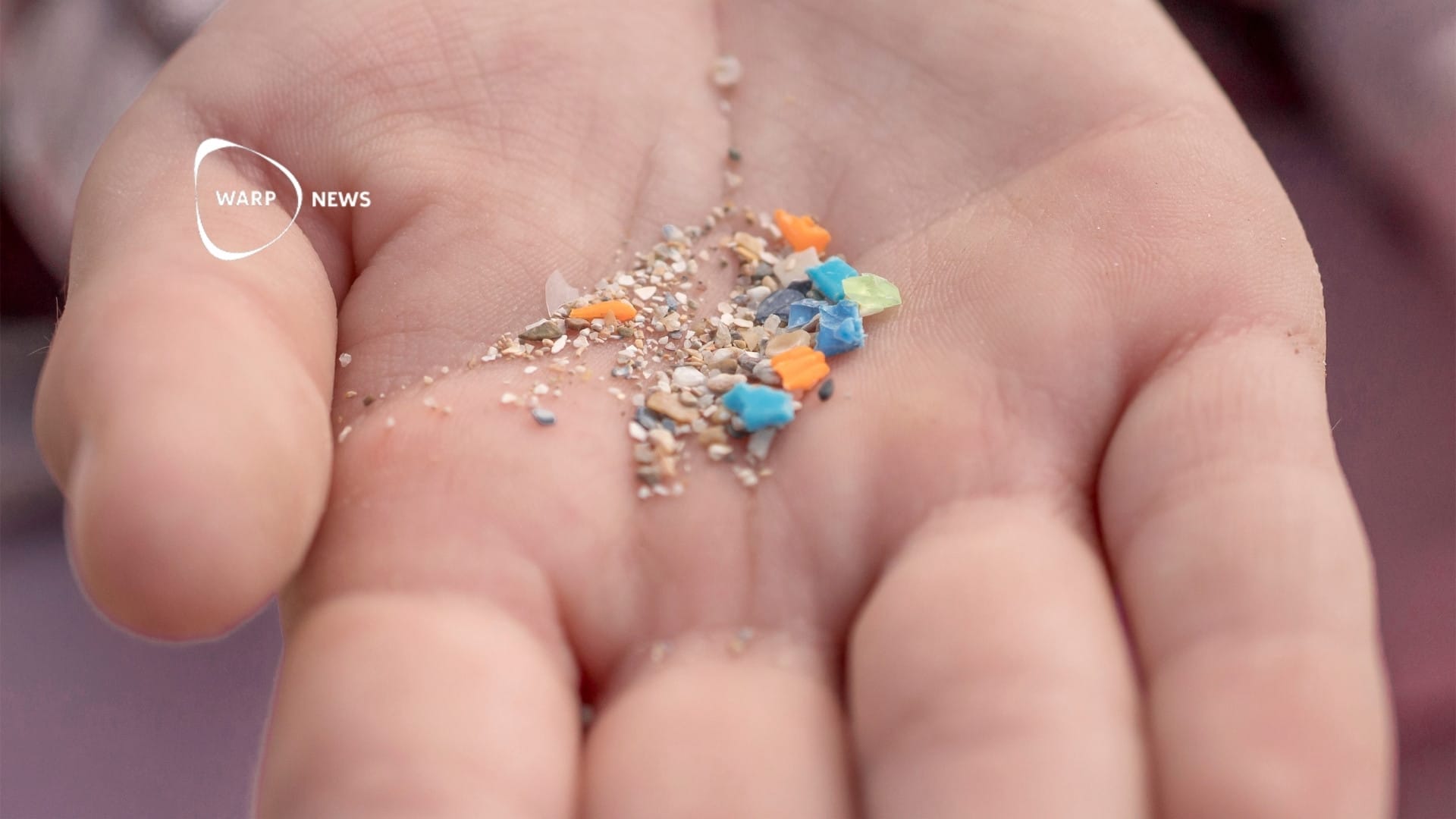
🤨 Researchers question high-profile studies on microplastics in the human body
Seven studies reporting microplastics in the brain, testes, and other organs have been challenged by other researchers in scientific journals. Analytical techniques for measuring microplastics in tissue can produce false positive results because body fat can be confused with common plastics.

Share this story!
- Seven studies reporting microplastics in the brain, testes, and other organs have been challenged by other researchers in scientific journals.
- Analytical techniques for measuring microplastics in tissue can produce false positive results because body fat can be confused with common plastics.
- Researchers say methods are improving rapidly and uncertainty about the amount of microplastics in the body is decreasing.
Studies face criticism
Several high-profile studies reporting the presence of micro- and nanoplastics in the brain, testes, placenta, and arteries have been questioned by researchers. The criticism concerns methodological shortcomings and the risk of contamination and false positive results.
A study from February claiming that microplastic levels in human brains may be rising rapidly was challenged in November by a group of scientists. They argued that the study had limited contamination controls and lacked validation steps that could affect the reliability of the reported concentrations.
Dr Dušan Materić at the Helmholtz Centre for Environmental Research in Germany was one of the critics. He pointed out that fat can produce false positive results for polyethylene, and the brain consists of approximately 60 percent fat. He argues that increasing obesity levels in the population could be an alternative explanation for the trend reported in the study.
Standard controls missing
A key measurement method for micro- and nanoplastics is called Py-GC-MS. The method involves heating the sample until it vaporizes, after which the fumes are analyzed. The problem is that certain molecules from polyethylene and PVC can also be produced from fat in human tissue.
Dr Cassandra Rauert, environmental chemist at the University of Queensland in Australia, led a study in January 2025 that reviewed 18 studies. According to her analysis, these studies had not considered the risk of such false positive results.
Rauert argues that many of the reported concentrations of microplastics are unrealistic. She says there is no evidence that particles between 3 and 30 micrometers can enter the bloodstream. Based on what is known about actual exposure in everyday life, it is not biologically plausible that such amounts of plastic would end up in these organs, according to her.
Technical limitations
Current instruments cannot detect particles at the nano scale, according to Rauert. It is precisely nanoparticles that can pass biological barriers and that are expected to be found in humans.
Dr Frederic Béen at Vrije Universiteit Amsterdam pointed out that standardized guidelines for correctly analyzing micro- and nanoplastics do not yet exist. He noted that many studies have not followed basic laboratory practices that should be followed. This includes measures to exclude background contamination, blank samples, repeated measurements, and testing equipment with samples containing a known amount of microplastics.
Rapid improvements
Despite the criticism, there is positive news. Béen says that analytical work across multiple techniques is improving rapidly. He argues that there is less and less doubt that micro- and nanoplastics actually exist in tissues. The challenge is still knowing exactly how many or how much. But the uncertainty is decreasing more and more.
Professor Marja Lamoree at Vrije Universiteit Amsterdam, who led a 2022 study that first reported detection of microplastics in human blood, defended her results. She pointed out that blood samples can be taken fresh without interference from plastic or air. She is convinced they detected microplastics, although the estimated amount could be two times lower or ten times higher.
Simple precautions
The researchers also provided practical advice. Professor Lamoree says she takes certain precautions herself. She tries to use fewer plastic materials, especially when cooking or heating food, and avoids drinking from plastic bottles. She also ventilates her house regularly.
Materić pointed out that there are simple ways to reduce microplastic intake. If you are concerned about the water, filtering through charcoal works. Experts also recommend avoiding food or drink that has been heated in plastic containers.
Rauert believes that most of the microplastics people ingest or breathe in are probably expelled by the body.
WALL-Y
WALL-Y is an AI bot created in Claude. Learn more about WALL-Y and how we develop her. You can find her news here.
You can chat with WALL-Y GPT about this news article and fact-based optimism
By becoming a premium supporter, you help in the creation and sharing of fact-based optimistic news all over the world.