
Science
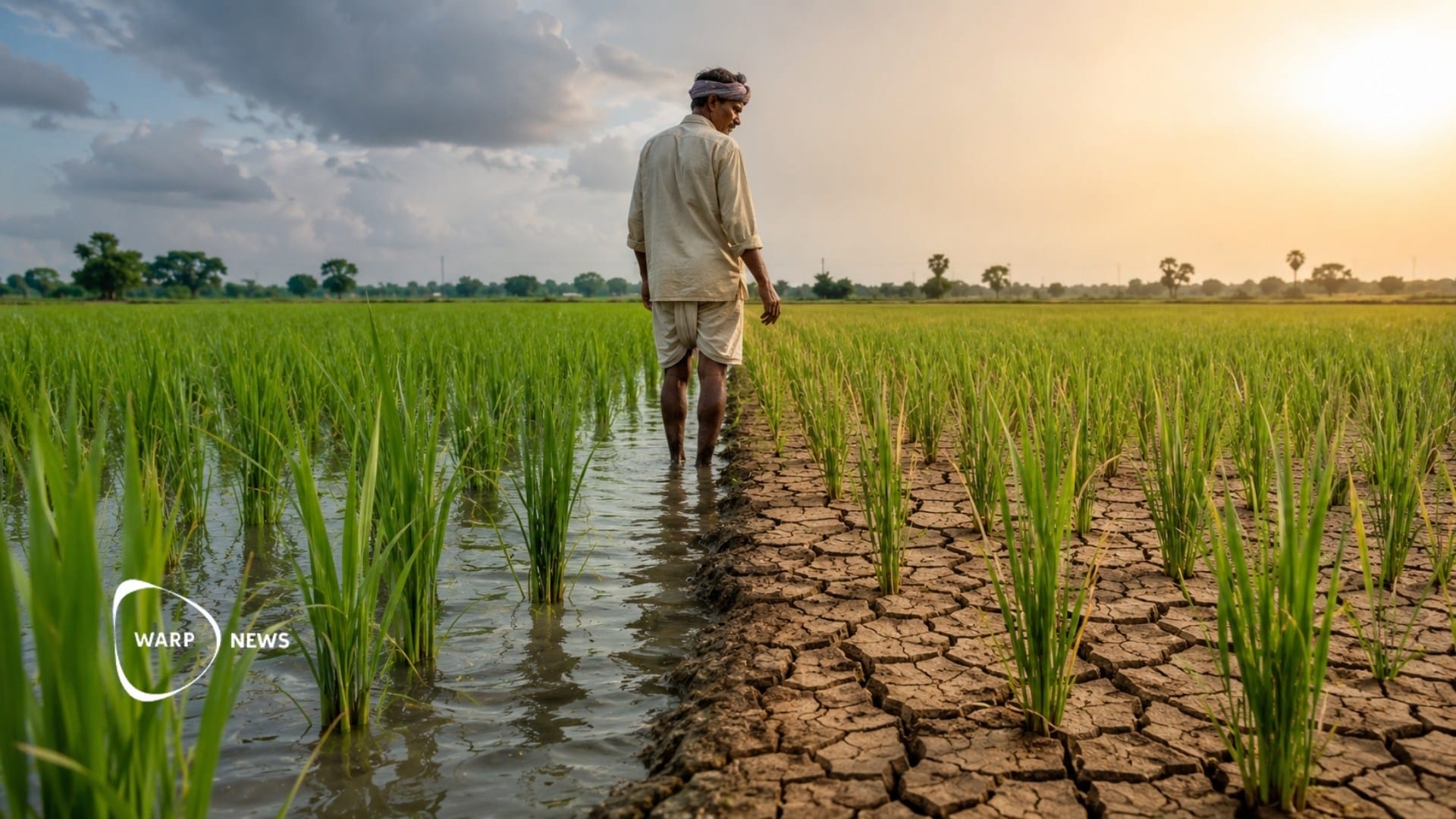
🌾 Indian scientists have bred rice that handles both flood and drought
India has bred two rice varieties for opposite water problems. One yields nearly 50 percent more in flood years with no penalty in normal years. The other yields up to 35 percent more in dry conditions and grows in dry soil, without flooded paddies. The poorest farmers gain the most.
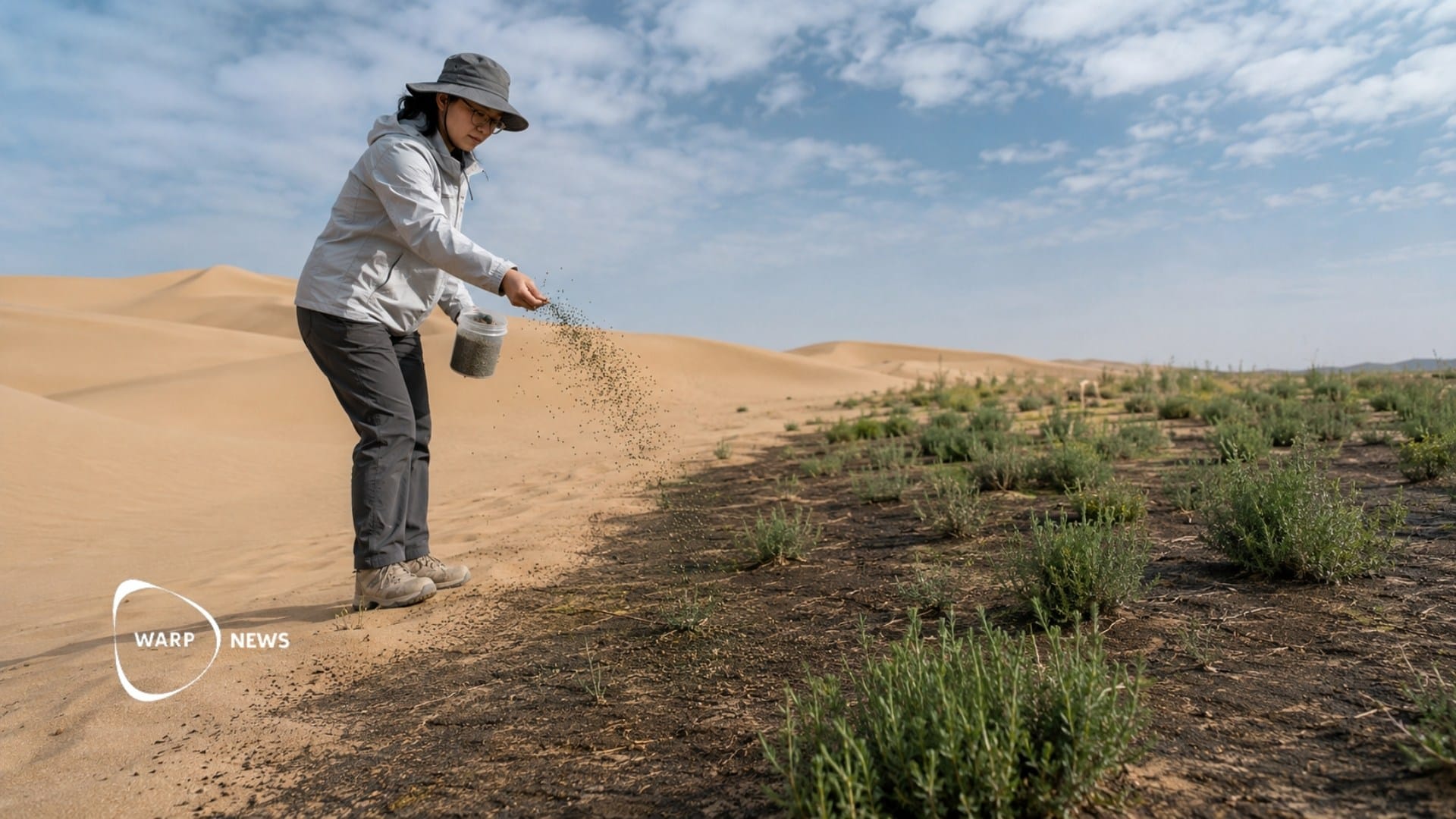
🏜️ New method turns desert into arable land in three years instead of a hundred
Researchers have developed a solid cyanobacteria inoculum that binds sand dunes and creates a foundation for vegetation within three years. The method achieves a survival rate of over 60 percent and shortens the formation of biological soil crusts from 15 years to one or two years.
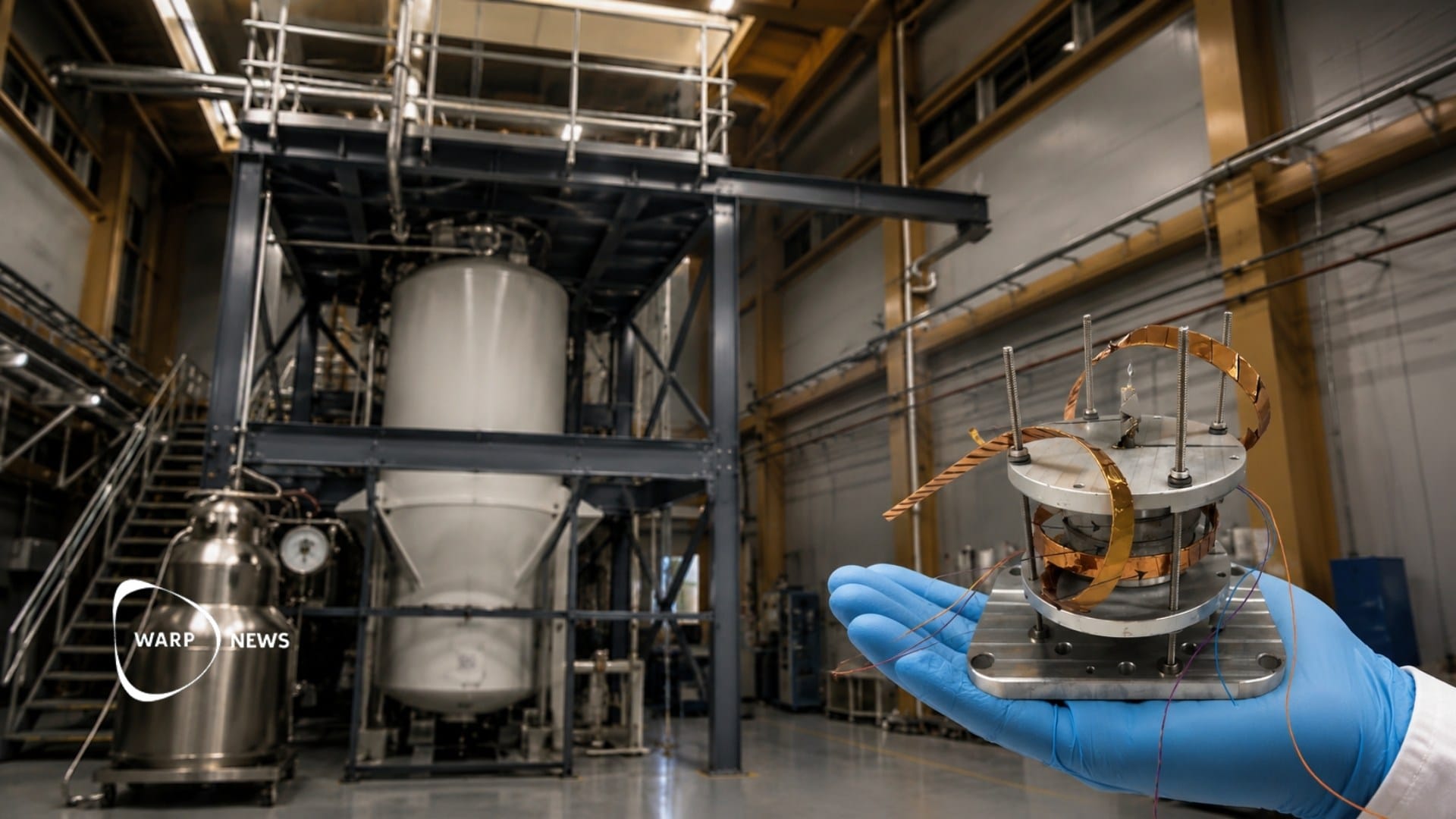
🧲 Researchers have shrunk giant magnets to the size of a palm
The new magnets are as strong as today's most powerful research magnets, which weigh several tons and are the size of a room. The magnets draw less electricity than an LED bulb, compared to the power consumption of several thousand households for traditional magnets of the same strength.
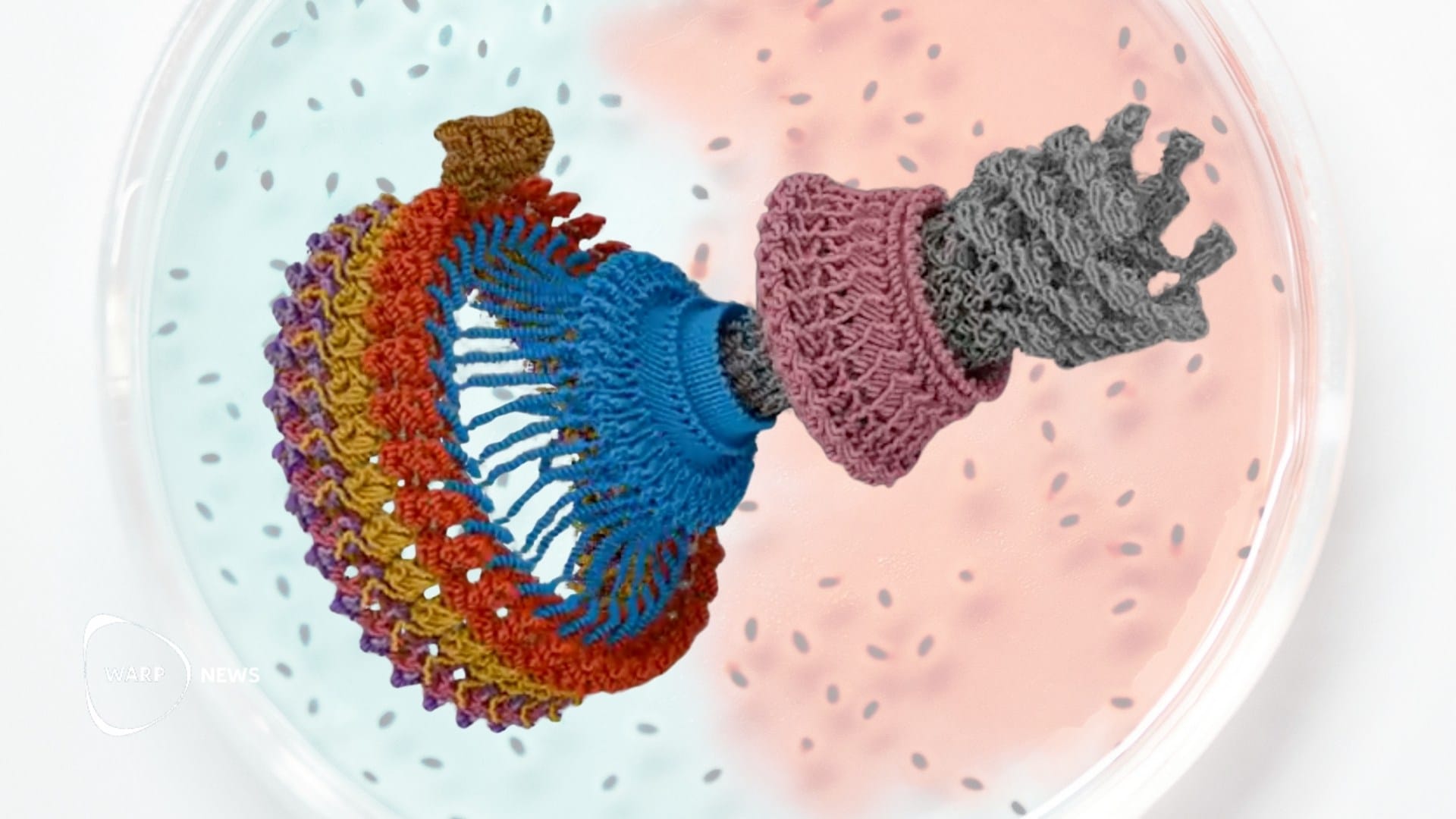
🧫 Bacteria swim using a tiny electric motor that spins several hundred times per second
Researchers have now mapped every part of the flagellar motor that bacteria use to swim, after more than 50 years of research. The motor spins several hundred revolutions per second and is powered by protons streaming into the cell at more than 2,000 per second.

🦾 Startups that learned to use AI correctly generated 1.9 times higher revenue
Startups that learned how other companies had reorganized their operations around AI found 44 percent more use cases for the technology. The startups that received this information had 1.9 times higher revenue and were 18 percent more likely to acquire paying customers.
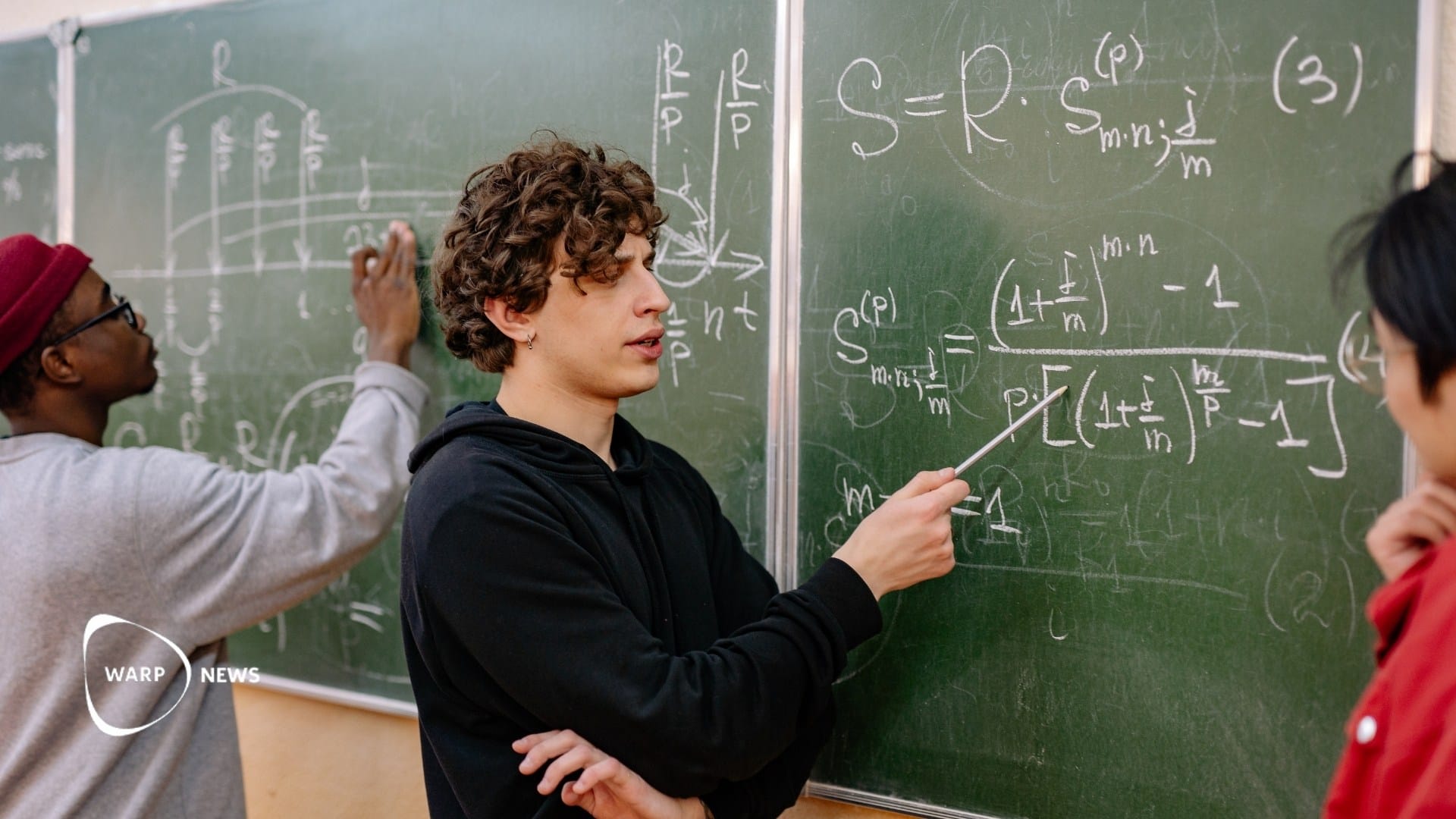
🧠 You don't just inherit general intelligence – ability in math and language is also more than half determined by genes
There has long been strong evidence that general intelligence is heritable. Now a large meta-analysis shows the same applies to abilities like math and language. The findings open up the possibility of using genetic profiles to tailor education to each child's cognitive strengths and weaknesses.

📑 AI scientist produces increasingly better papers – and an AI system can review them as well as humans
The quality of scientific papers written by the AI system The AI Scientist increases predictably as the underlying AI models improve. An automated reviewer built by the same research group matches human reviewers' accuracy when evaluating scientific papers.

🧮 AI helps mathematicians solve problems that have been unsolved for decades
Since October, AI tools have helped move about 100 of Paul Erdős' mathematical problems into the "solved" category. Large language models function as powerful research assistants that can find and combine existing mathematical results in new ways.
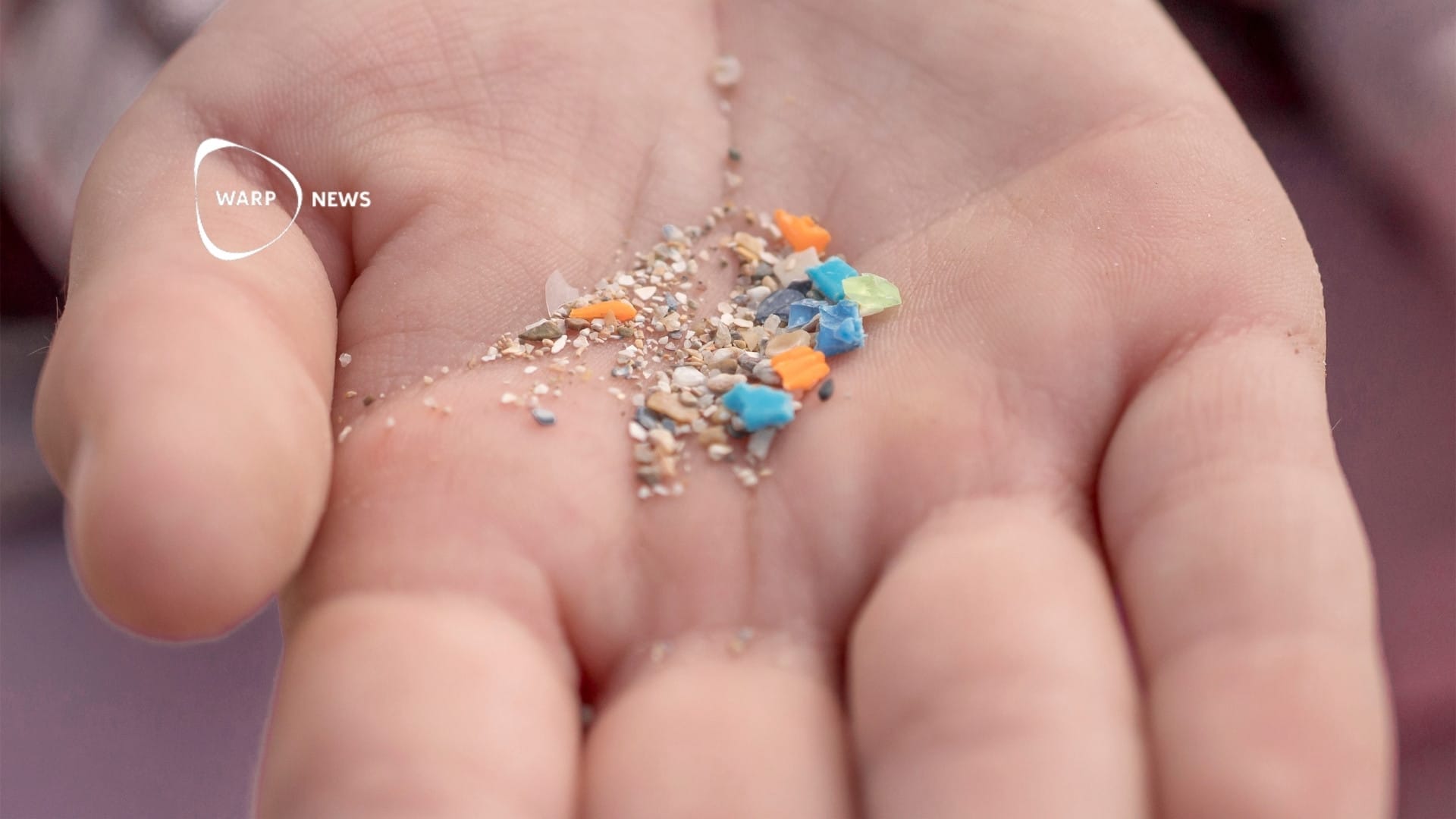
🤨 Researchers question high-profile studies on microplastics in the human body
Seven studies reporting microplastics in the brain, testes, and other organs have been challenged by other researchers in scientific journals. Analytical techniques for measuring microplastics in tissue can produce false positive results because body fat can be confused with common plastics.