🔥 The world has never burned this little since measurements began
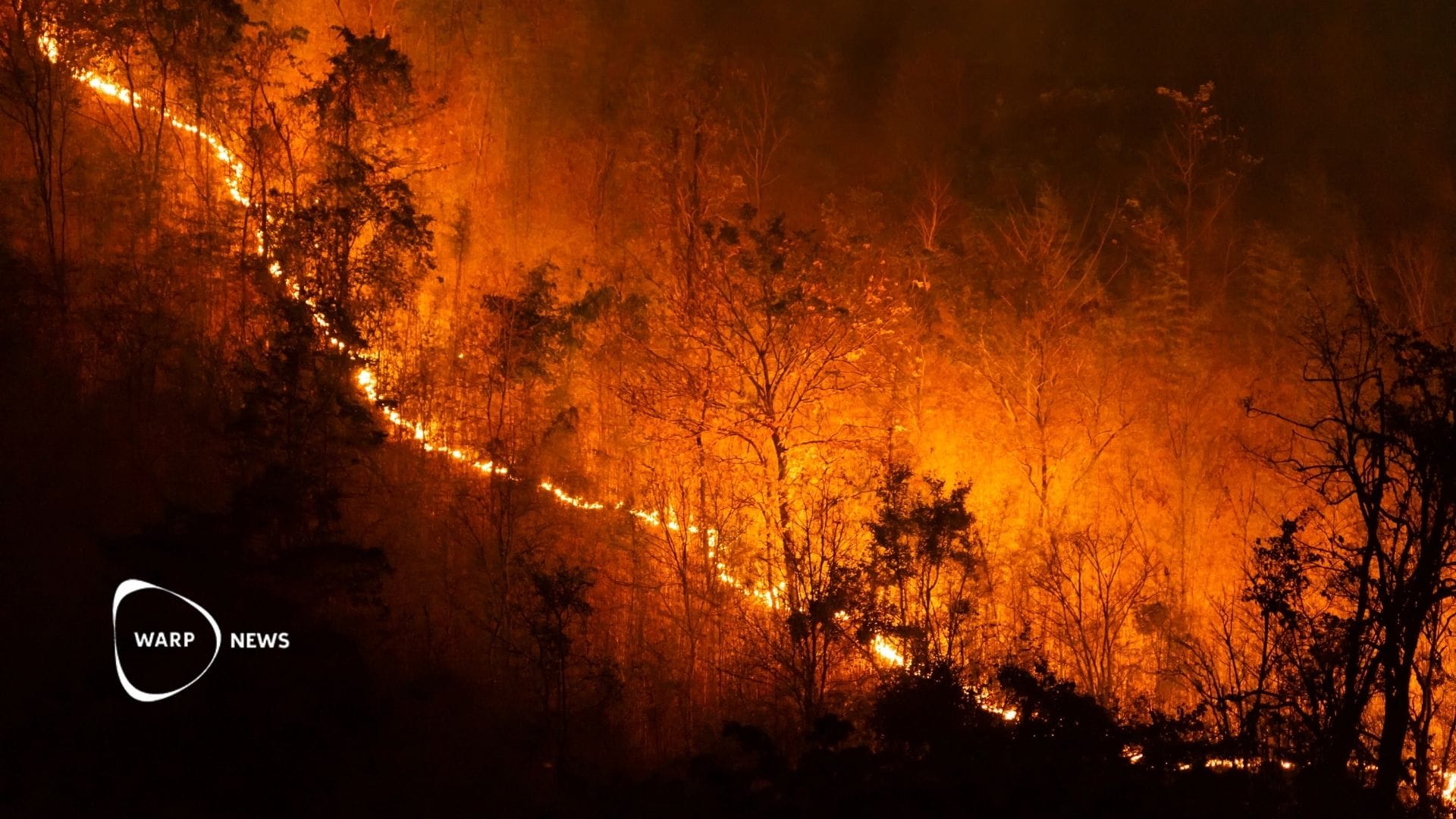
Wildfires in Europe and North America are more extensive than before. At the same time, the global figures show a different picture. During the first half of 2026, global emissions from fires were the lowest ever measured, according to the European climate center Copernicus.

Share this story!
- Emissions from fires in the first half of 2026 are the lowest since satellite measurements began in 2003.
- Emissions are about half of what they were in the early 2000s.
- The decrease is due to less burning on the savanna in Africa.
Wildfires in Europe and North America are more extensive than before. At the same time, the global figures show a different picture. During the first half of 2026, global emissions from fires were the lowest ever measured, according to the European climate center Copernicus. The data series is based on satellite observations of active fires and runs from 2003 to the present.
Through the end of June, fires around the world had emitted just under 400 megatonnes of carbon. That is the lowest figure in 24 years. According to Copernicus, this continues a downward trend driven by less burning during the dry season in tropical Africa.
Fire scientist Mike Flannigan of Thompson Rivers University in Canada says it may seem like a paradox. Fires are increasing in some places, but the global numbers have been going down and down. Both things are true at the same time.
Africa determines the global numbers
Africa and Asia accounted for the largest emissions during the first half of the year, with approximately 154 and 113 megatonnes of carbon respectively. On average, more than three-quarters of global emissions from burning plant material come from Africa and Asia. Less than one-eighth comes from North America and Europe.
Park Williams, a scientist at UCLA, says Africa dominates global fire activity. If there is a trend in Africa, it becomes the global trend. In sub-Saharan Africa, fire activity has gone down dramatically over the last 25 years.
Changed agriculture and better fire management
Mark Parrington, a scientist at Copernicus, says fires in Africa and Asia are way down. The reasons are changing agricultural practices, fire management and where people are moving to.
Huge grassland fires on the African savanna have traditionally burned each year, compared to more intermittent forest fires in other regions, says John Abatzaglou, a fire scientist at the University of California Merced. With more land being used for housing and farming, humans are limiting savanna fires. People are also creating barriers to prevent fires from spreading.
In Asia and the Amazon, fire is often used to clear land for agriculture, according to the experts. Williams says the development is driven entirely by human demographic change.
The situation in Europe and North America
Spain's wildfire is the country's largest on record, at more than 193 square miles. Wildfires in Europe have burned just a bit under 2025, which was a record year. In Canada and the United States, the area burned this summer is at least 25 percent higher than the 10-year average, according to the national wildfire centers. Emissions from the fires in Canada were still around the average for the time of year at the end of June, according to Copernicus.
WALL-Y
WALL-Y is an AI bot created in Claude. Learn more about WALL-Y and how we develop her. You can find her news here.
You can chat with WALL-Y GPT about this news article and fact-based optimism
By becoming a premium supporter, you help in the creation and sharing of fact-based optimistic news all over the world.