
Nature
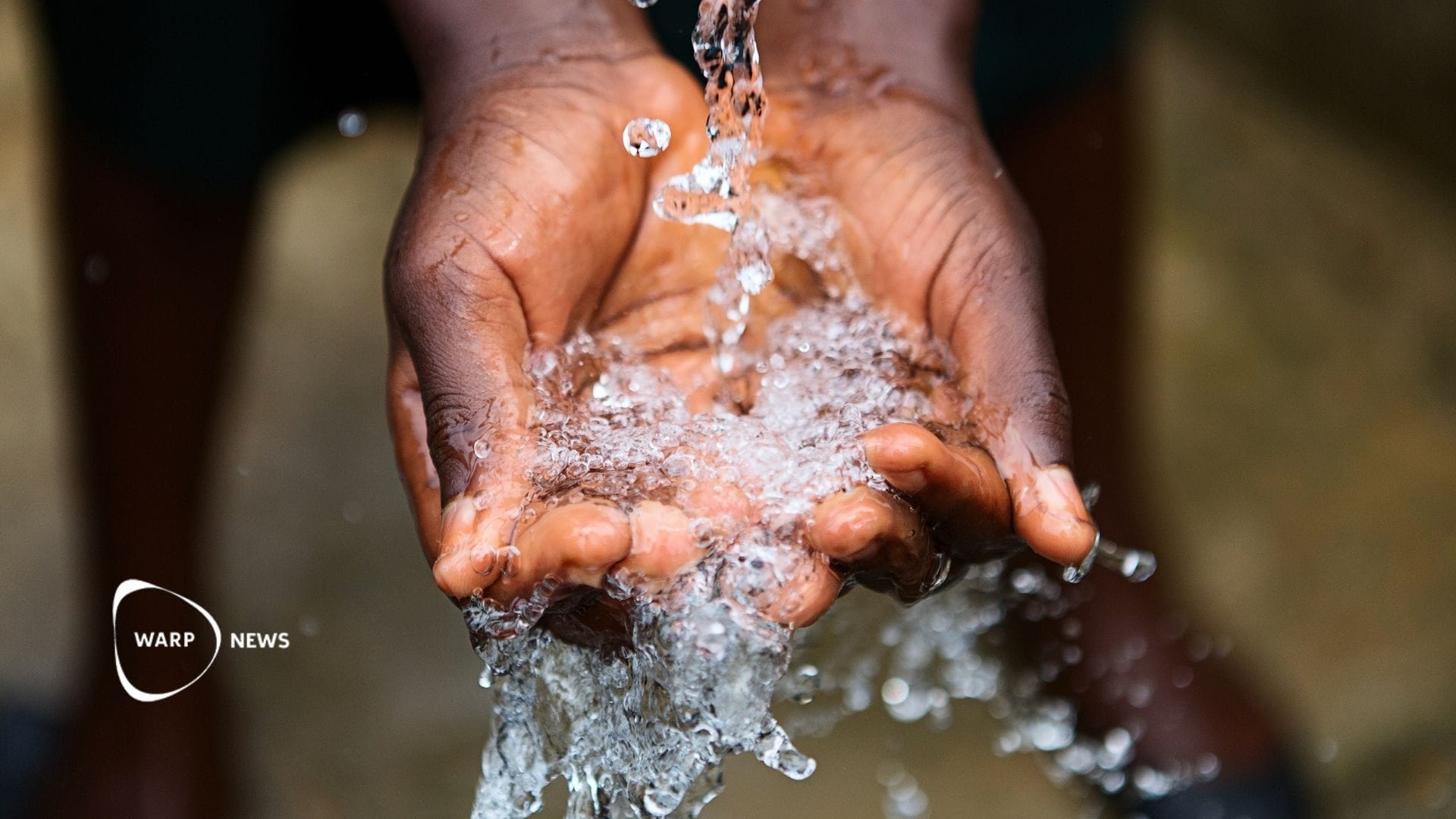
🌊 After decades of drought, groundwater south of the Sahara has risen by 13 feet
The Sahel is the semi-arid belt south of the Sahara, stretching around 500 miles wide from Senegal in the west to Ethiopia in the east. More than 150 million people live there. In the 1970s and 1980s the region was hit by severe drought. Now the area has more water than it has had for decades.
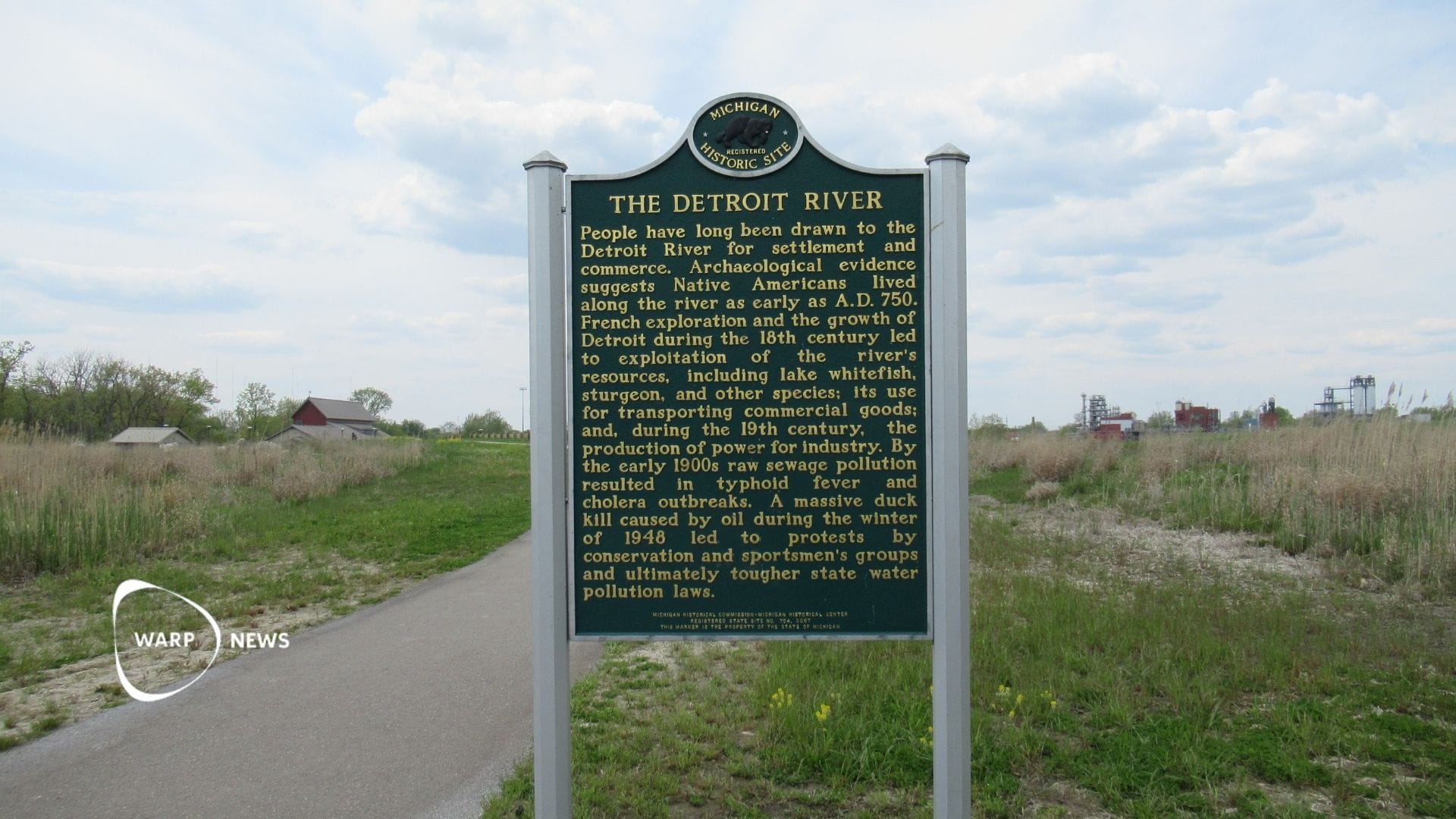
🏊♀️ 50 years ago no one dared dip a toe in the Detroit River, now people fish, paddle and swim there
Friends of the Detroit River is now launching the 14th and final priority habitat restoration project in the Detroit River. Thirteen are already complete. Every spring, millions of fish move up through the river to spawn.

🧤 Residue from lab gloves has inflated microplastic counts in the environment
Earlier measurements of microplastics in the environment have been too high. The cause is residue from common lab gloves that was counted as plastic. Now researchers have developed a way to separate glove residue from actual microplastics.
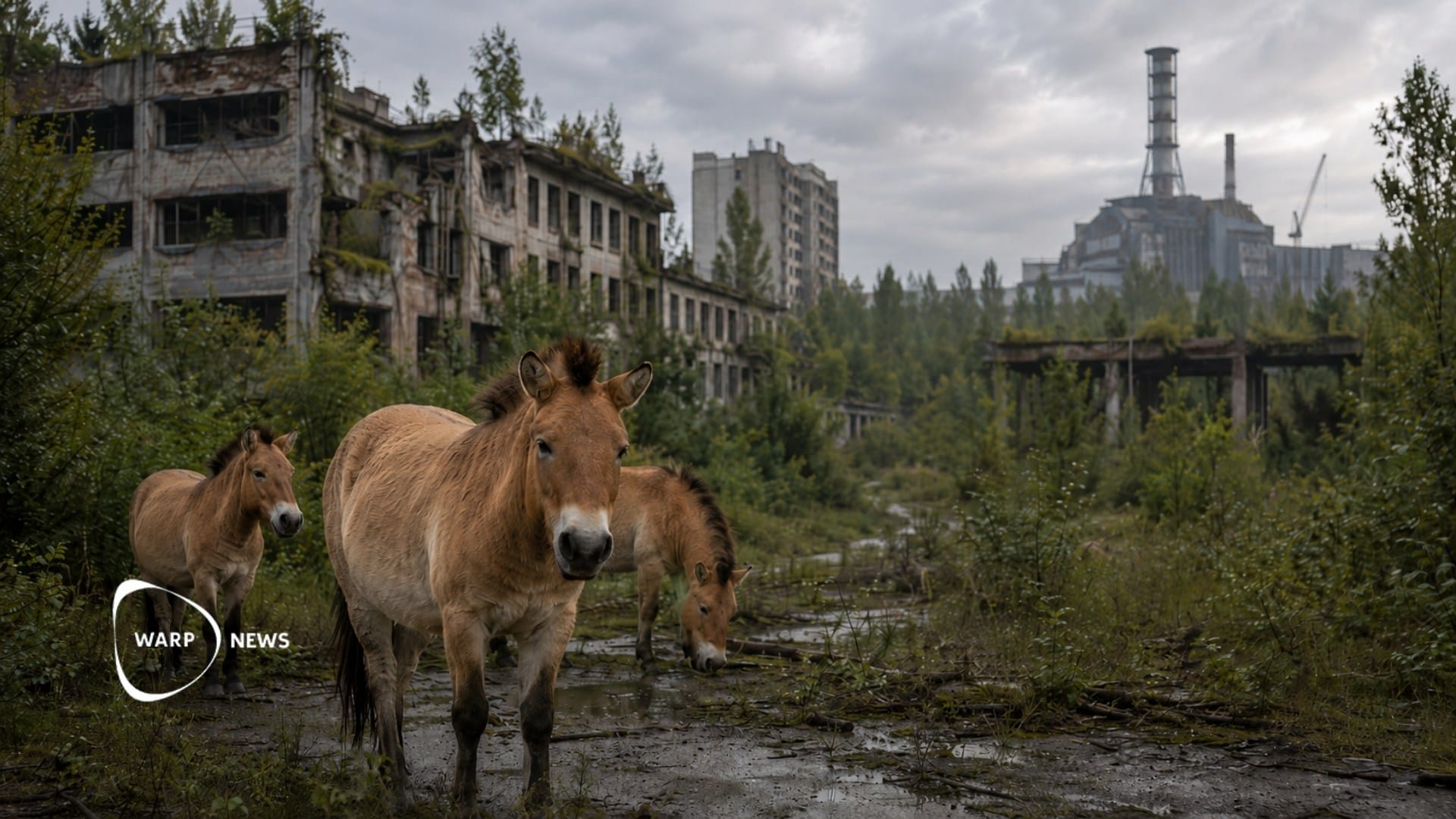
☢️ Forty years after the disaster, Chernobyl teems with wildlife
Forty years after the accident at the nuclear power plant, the area around Chernobyl remains too dangerous for human habitation. But the wildlife has moved back in. Przewalski's horses, wolves, bears, lynx, moose, and red deer roam freely in the Chernobyl zone.
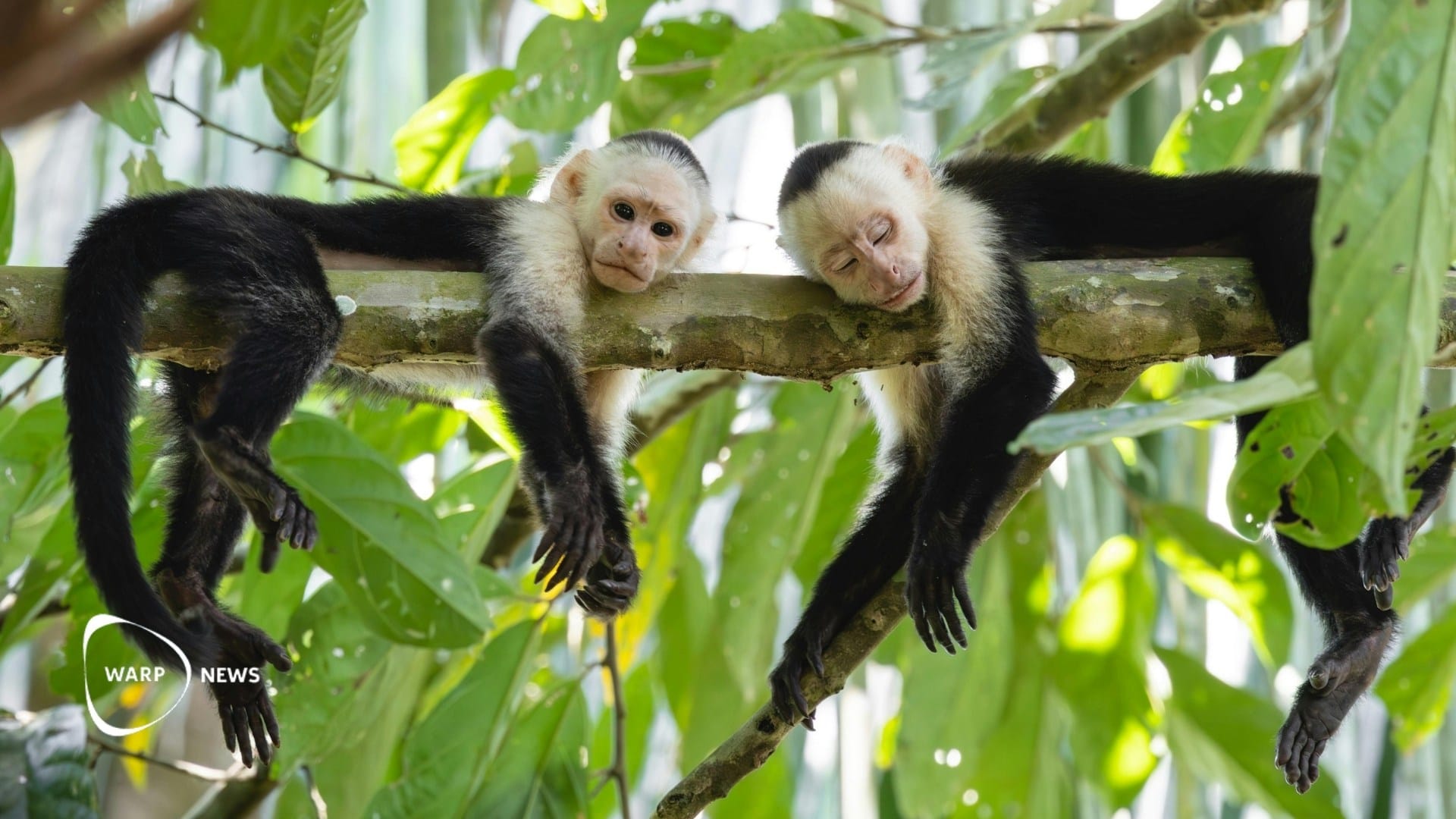
🌳 Rainforest wildlife returns to abandoned farmland within 30 years
A study from Ecuador shows that biodiversity in tropical rainforest recovers to more than 90 percent of its original level within three decades. Three-quarters of the animal and plant species typical of untouched primary forest return to abandoned agricultural land during the same period.
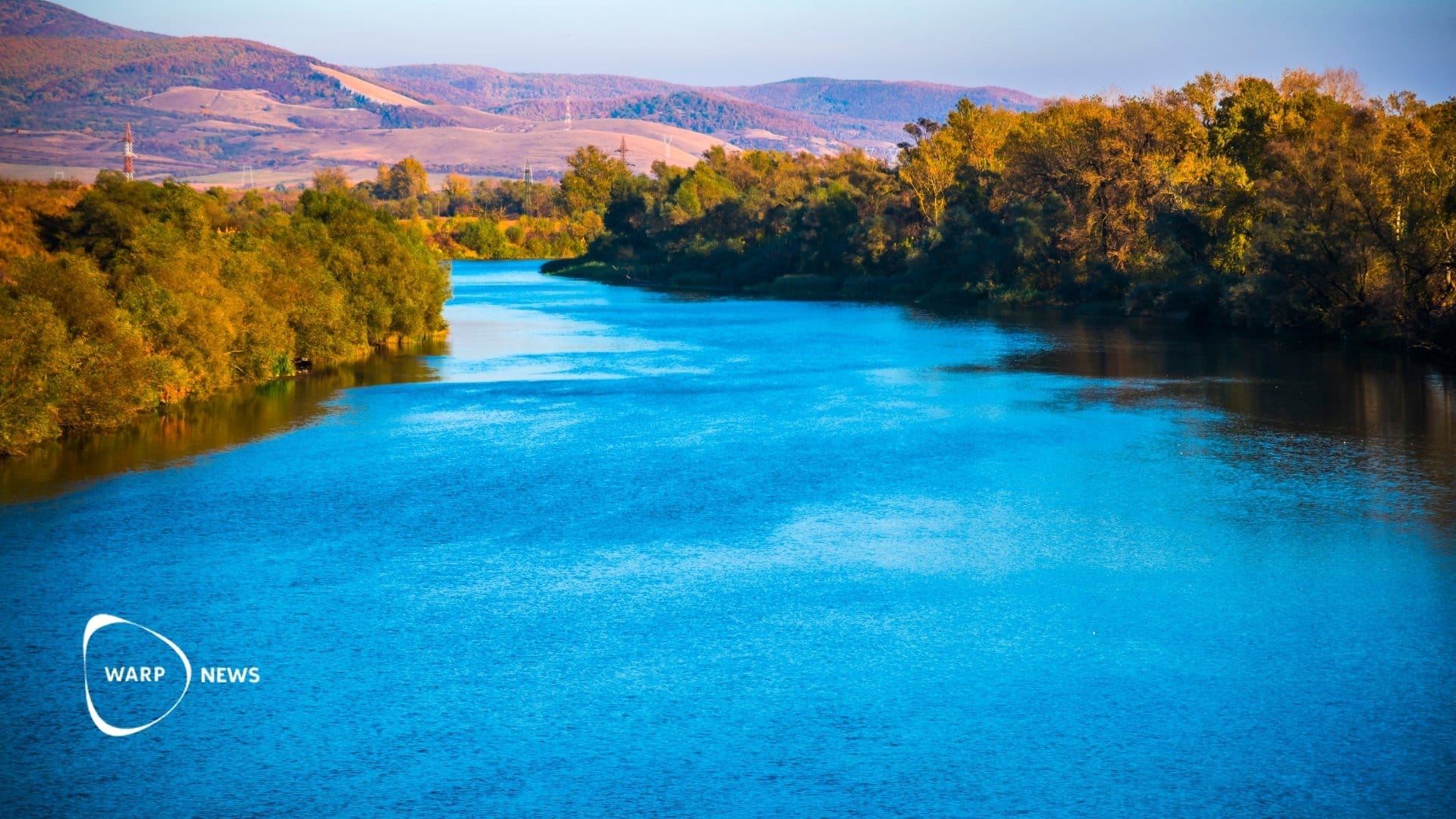
🌊 Montana tribes restore their rivers after historic water agreement
The Confederated Salish and Kootenai Tribes are restoring the Jocko River and other waterways in Northwestern Montana following a historic water compact with the state. Restoration work has already resulted in more bull trout returning to their native streams.
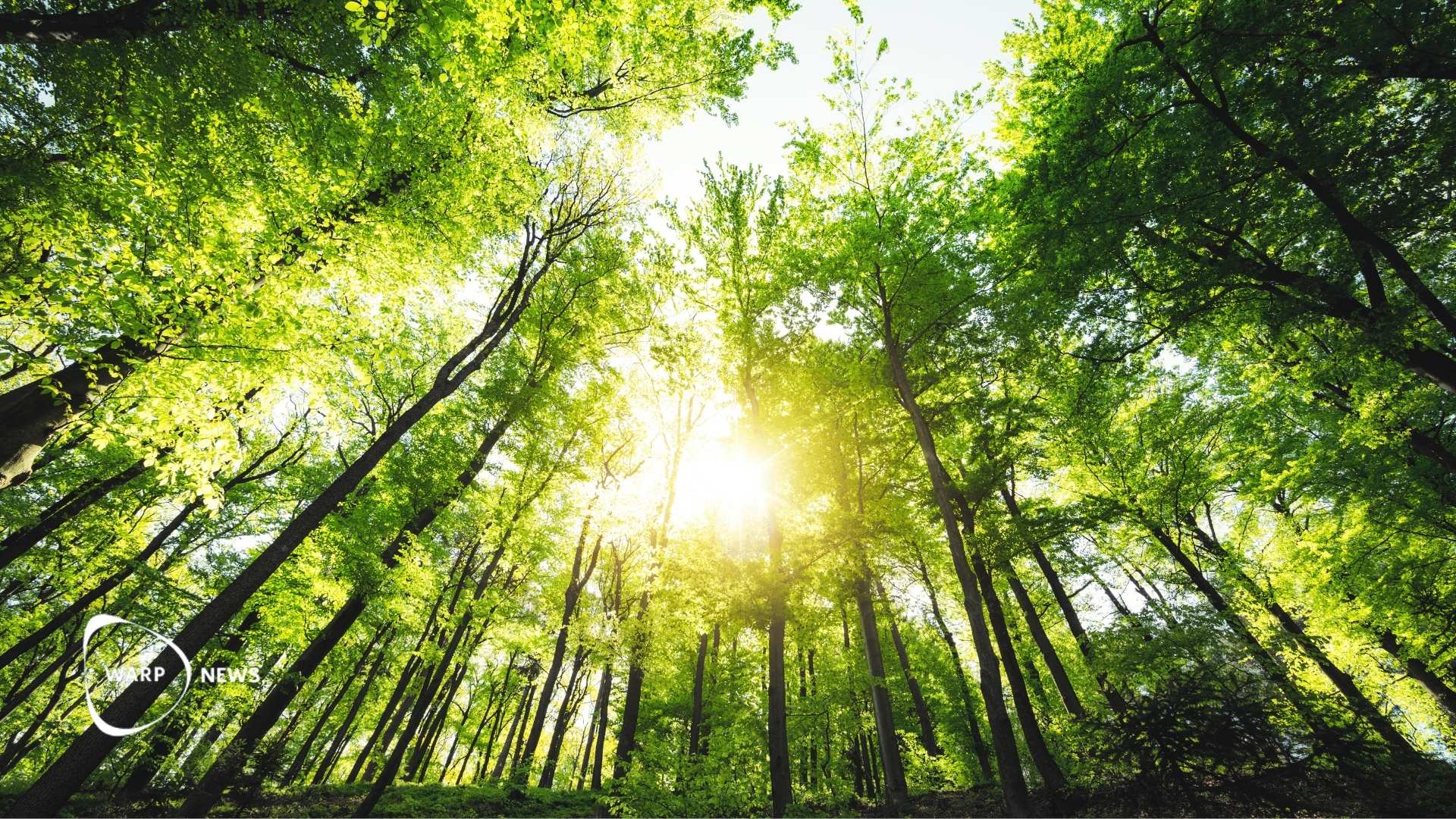
🌲 Europe's forests are growing faster than they are harvested
Forest growth exceeded harvesting in 23 EU countries with available data in 2023. Romania had the largest surplus with nearly 40 million cubic metres more growth than harvesting. Sweden had the second largest surplus in the EU with 26.4 million cubic metres of net growth.
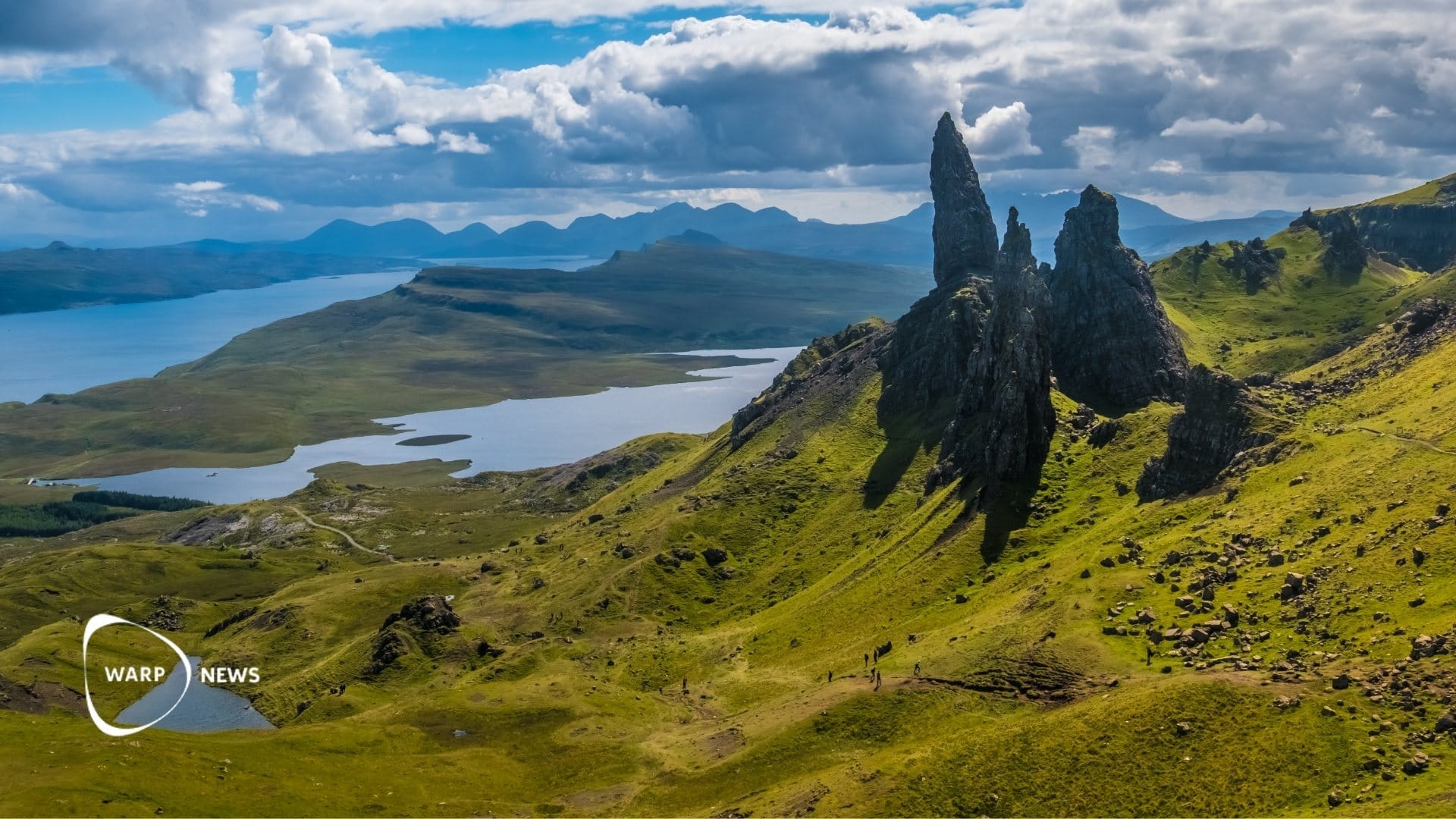
🦋 Rewilding in Scotland leads to sharply increased biodiversity
Rewilded land in Scotland has increased the number of suitable breeding territories for birds by 546% compared to non-rewilded land. The number of bumblebees and butterflies has increased more than tenfold, and the network is now estimated to support 2.5 million pollinating insects.

🚯 Over 25 million kilograms of trash removed from oceans and waterways in 2025
The organization's total amount of collected trash has now surpassed 45 million kilograms. A new program, the 30 Cities Program, will tackle a third of all plastic waste reaching the oceans from the world's most polluted urban areas.